Login
Join Free
Categories
My Orders
Wish
Cart
0m³/0m³

English
English
 Русский язык
 中文
中文
How To Maximize Sourcing Efficiency When Attending International Toy Exhibitions
2026-05-23 09:16:29
International toy exhibitions such as the Hong Kong Toys & Games Fair, Canton Fair, and other global sourcing events are still one of the most effective ways to discover new suppliers, evaluate product quality, and identify market trends in a short time. However, the reality is that many buyers leave these exhibitions with hundreds of business cards but very few actionable sourcing results. The difference between high and low efficiency is not the event itself, but how the sourcing process is structured before, during, and after the show.
Efficient sourcing at toy exhibitions requires a systematic approach: clear objectives, strict supplier screening logic, and disciplined follow-up execution. Without this structure, even large-scale exhibitions become time-consuming and low-return.
This article explains how to improve sourcing efficiency step by step, based on real B2B purchasing behavior in the global toy industry.
1. Define Sourcing Objectives Before the Exhibition
The most common efficiency issue at toy fairs is lack of focus. Buyers often enter exhibitions with general intentions such as "find new toys" or "check suppliers." This leads to scattered attention and weak decision-making.
Before attending, define clear sourcing categories such as:
-
Educational toys (STEM kits, Montessori products)
-
Outdoor toys (water guns, sports toys)
-
Trend-driven novelty toys
-
Licensed or seasonal gift items
-
Battery-operated and interactive toys
Each category should have measurable goals, such as:
-
Number of suppliers to evaluate per category
-
Target price range
-
Expected MOQ flexibility
-
Required certifications (EN71, ASTM, etc.)
This structure reduces unnecessary booth visits and improves decision speed.
2. Pre-Screen Exhibitors Before Entering the Hall
Efficiency is largely determined before you even arrive at the venue.
Most major toy exhibitions publish exhibitor lists in advance. Buyers who review and shortlist suppliers beforehand consistently achieve higher conversion rates than those who start from scratch on-site.
A practical pre-screening process includes:
-
Filtering by product category relevance
-
Identifying OEM/ODM capability
-
Checking export experience and target markets
-
Reviewing product visuals and catalog quality
-
Removing non-aligned or trading-only profiles
At large fairs like Canton Fair, thousands of suppliers exhibit simultaneously, and without pre-screening, decision fatigue becomes unavoidable.
The goal is simple: reduce the booth list to a controlled, manageable pipeline.
3. Optimize On-Site Time Allocation
Time is the most limited resource during exhibitions. Many buyers waste hours in low-value conversations due to lack of prioritization.
A more efficient approach is:
Tier 1: Priority suppliers (core focus)
-
Strong product match
-
Clear OEM/ODM capability
-
Export-ready documentation
-
Must visit in person
Tier 2: Secondary suppliers
-
Partial product match
-
Potential backup sourcing options
-
Quick evaluation only
Tier 3: Exploration booths
-
Trend discovery only
-
No deep negotiation
Each visit should have a time limit:
-
Tier 1: 15–30 minutes
-
Tier 2: 5–10 minutes
-
Tier 3: 2–5 minutes
This structure prevents time loss in low-probability sourcing discussions.
4. Evaluate Suppliers Beyond Product Appearance
One of the most common sourcing mistakes at exhibitions is over-reliance on product visuals. Booth displays often highlight best-case samples, not production reality.
Efficient buyers evaluate suppliers using operational indicators:
-
Production consistency across product lines
-
Packaging quality and safety compliance
-
Material transparency (PVC, ABS, fabric grade, etc.)
-
Mold ownership or customization capability
-
Quality control systems
-
Sample-to-mass production consistency
In toy sourcing, compliance and safety testing are critical due to international regulatory requirements. Weak evaluation at this stage often leads to downstream quality failures.
5. Ask Operational Questions, Not Just Product Questions
Inefficient sourcing conversations focus on surface-level details such as colors, sizes, or pricing only.
High-efficiency sourcing conversations focus on operational capability:
-
What is the real production lead time during peak season?
-
Can packaging be customized for retail or Amazon requirements?
-
What is the defect rate in mass production?
-
How is quality controlled before shipment?
-
What is the flexibility for small batch trial orders?
These questions quickly separate capable manufacturers from intermediaries or low-control trading setups.
6. Collect Data in a Structured Way (Not Random Notes)
At large toy exhibitions, information overload is a real problem. Without structured documentation, most sourcing insights are lost within days.
A practical system includes:
-
Supplier scoring sheet (product fit, price, reliability)
-
Photo documentation per booth visit
-
MOQ and pricing comparison table
-
Follow-up priority ranking (A/B/C)
-
Sample request tracking list
Digital tools or even structured spreadsheets significantly improve post-event conversion rates.
7. Follow Up Within 72 Hours After the Exhibition
The sourcing process does not end when the exhibition ends. In fact, post-fair execution determines final sourcing success.
Efficient follow-up includes:
-
Confirming pricing and MOQ in writing
-
Requesting updated catalogs or product videos
-
Ordering samples immediately for shortlisted suppliers
-
Clarifying certification and compliance documents
-
Scheduling video calls for negotiation
Delays in follow-up often result in lost priority, especially when suppliers receive multiple inquiries after major fairs.
8. Compare Suppliers During the "Post-Fair Window"
The period immediately after exhibitions is often more valuable than the fair itself. Suppliers are more responsive, pricing is more flexible, and negotiation leverage is higher.
At this stage, buyers should:
-
Compare final shortlisted suppliers side-by-side
-
Request sample-based evaluation
-
Negotiate based on real production capacity, not booth presentation
-
Lock production slots early for seasonal products
This is where sourcing efficiency is actually converted into purchasing decisions.
9. Long-Term Strategy: Build a Stable Supplier Pool
International toy exhibitions should not be treated as one-time sourcing events. The real value is building a long-term supplier ecosystem.
Efficient buyers maintain:
-
Core suppliers (stable long-term partners)
-
Secondary suppliers (backup capacity)
-
Trend suppliers (innovation pipeline)
This structure reduces sourcing risk and improves responsiveness to market changes.
10. Zhorya in International Toy Exhibitions and Direct Sourcing
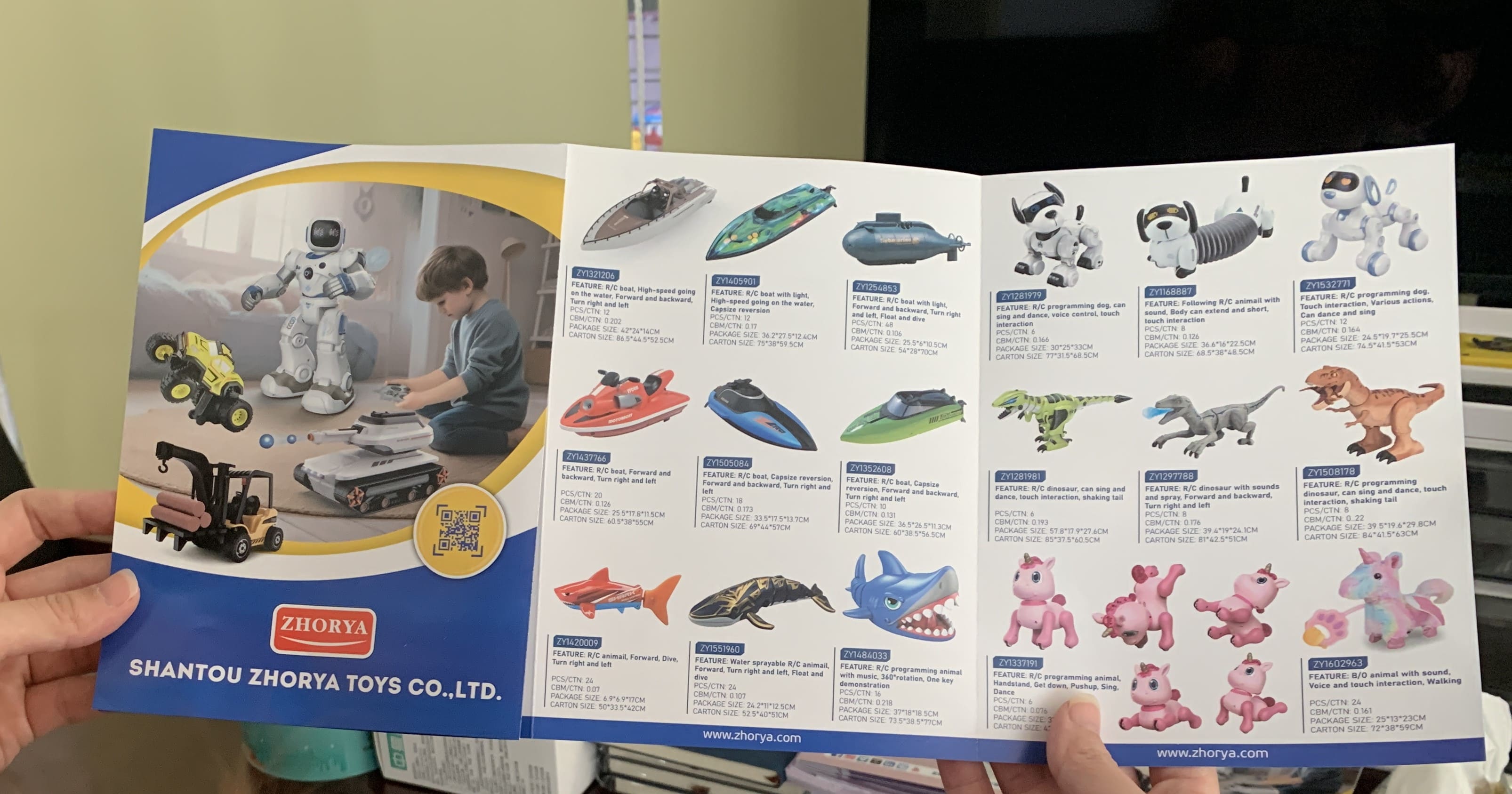
If you do not have time to attend international toy exhibitions, you can still source directly from Zhorya. Simply share your product requirements, target price range, and market needs, and we will provide suitable toy options, samples, and export support to help you complete sourcing without being physically present at trade shows.
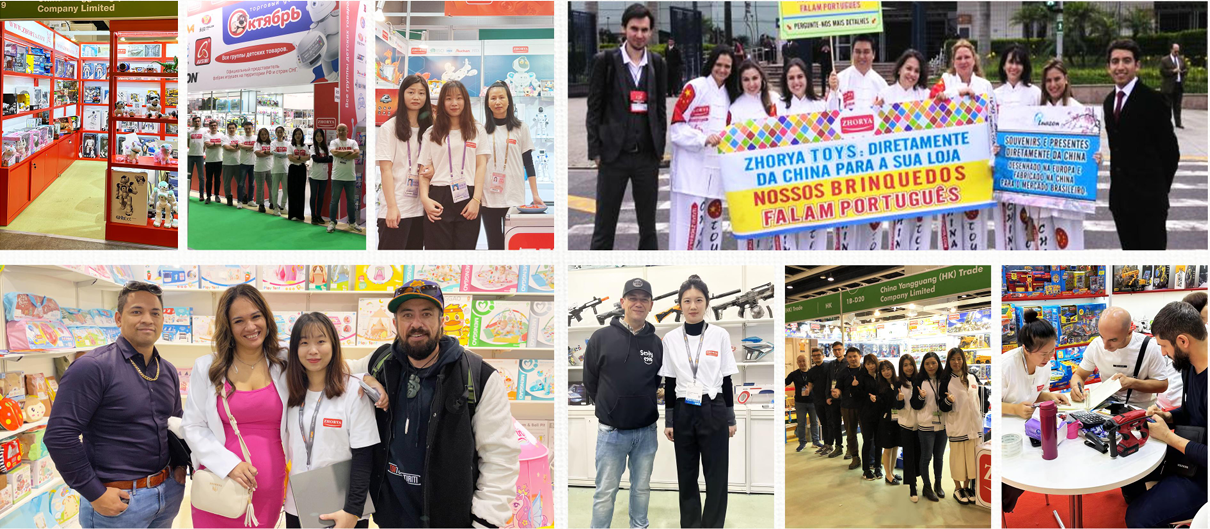
Zhorya also actively participates in major international toy exhibitions such as the Canton Fair and the Hong Kong Toys & Games Fair. At these events, we showcase a wide range of toy categories and new product developments, and buyers can meet our team directly to review samples and discuss OEM/ODM requirements in person.
Whether sourcing starts remotely or at an exhibition, both approaches are fully supported. Our exhibition participation helps buyers evaluate products on-site, while our direct sourcing service ensures continuous supply support even outside trade shows.
For sourcing inquiries, product requests, or exhibition follow-ups, our team is available to support your next step in procurement.