Login
Join Free
Categories
My Orders
Wish
Cart
0m³/0m³

English
English
 Русский язык
 中文
中文
2026 World Cup Toy Sourcing Strategy for Bulk Buyers
2026-04-13 09:05:37
The 2026 FIFA World Cup is not just another sporting event. It is one of the largest global consumption cycles, creating demand far beyond tickets and broadcasting. Retail, licensing, souvenirs, and impulse-driven purchases all surge in parallel—and toys are a key part of that ecosystem.
For buyers, distributors, and sourcing professionals, the opportunity is not limited to “football toys.” The real value lies in understanding how purchasing behavior shifts during global events, and how to position product lines that align with emotional demand, fast turnover, and repeat purchases.
This is not about following trends loosely. It is about building a structured, event-driven inventory strategy that converts attention into consistent sales.
Why the 2026 World Cup Is a Unique Commercial Opportunity
The 2026 edition will be hosted across multiple countries, including the United States, Canada, and Mexico. This multi-region format expands both audience reach and retail exposure.
Key implications for buyers:
- A significantly larger audience compared to previous tournaments
- Longer exposure periods across different time zones
- Increased offline and online retail activity
- Higher demand for event-related impulse purchases
Unlike smaller seasonal trends, this is a predictable demand spike backed by global media coverage. That makes it easier to prepare inventory in advance, rather than reacting after demand peaks.
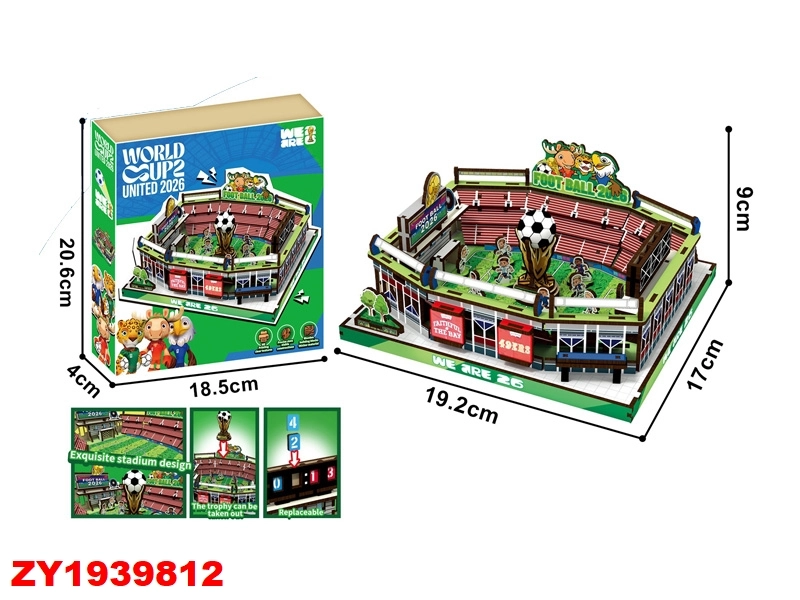
Understanding Buyer Behavior During Global Sports Events
To build an effective product strategy, it is necessary to analyze how consumers behave during major tournaments.
1. Emotional Buying Drives Fast Sales
Sports events create strong emotional engagement. Consumers are not just buying products—they are expressing support, excitement, and identity.
This leads to:
- Higher willingness to purchase low- to mid-priced items
- Increased impulse buying
- Stronger appeal for visually themed products
Toys that connect with this emotional layer—through color, design, or play concept—move significantly faster.
2. Short Decision Cycles Favor Simple Products
During events like the World Cup, purchasing decisions happen quickly. Consumers are less focused on technical features and more on:
- Immediate usability
- Visual appeal
- Giftability
This is why simple toys often outperform complex ones in this period. Products that can be understood instantly have a clear advantage.
3. Group Consumption Increases Volume
Unlike many retail cycles, the World Cup is a shared experience. Families, friends, and communities watch matches together.
This drives demand for:
- Multi-piece sets
- Party-friendly toys
- Low-cost items purchased in multiples
For buyers, this translates into higher order volumes per SKU when the right product is selected.
High-Potential Toy Categories for the 2026 World Cup
A narrow focus on football-themed items limits potential. A broader category strategy performs better.
Football-Related Toys
These are the most direct connection to the event:
- Mini football sets
- Goalpost playsets
- Training-style toys for children
These products benefit from obvious relevance, but competition is also higher. Differentiation in design and packaging becomes critical.
Outdoor & Active Toys
The World Cup aligns with outdoor viewing, gatherings, and physical play.
High-performing categories include:
- Water guns and water blasters
- Bubble toys
- Throw-and-catch games
- Lightweight sports sets
These products are not officially tied to football, but they match the environment in which consumers engage with the event.
Impulse & Low-Cost Toys
Impulse-driven categories often deliver the fastest turnover.
Examples include:
- Squishy toys
- Small novelty items
- Light-up toys
- Blind box collectibles
These products work especially well in checkout areas, temporary stalls, and event-related retail environments.
Themed Plush and Collectibles
Character-based or themed plush toys can leverage the emotional aspect of fandom.
Even without official licensing, color-themed or culturally inspired designs can perform well when positioned correctly.
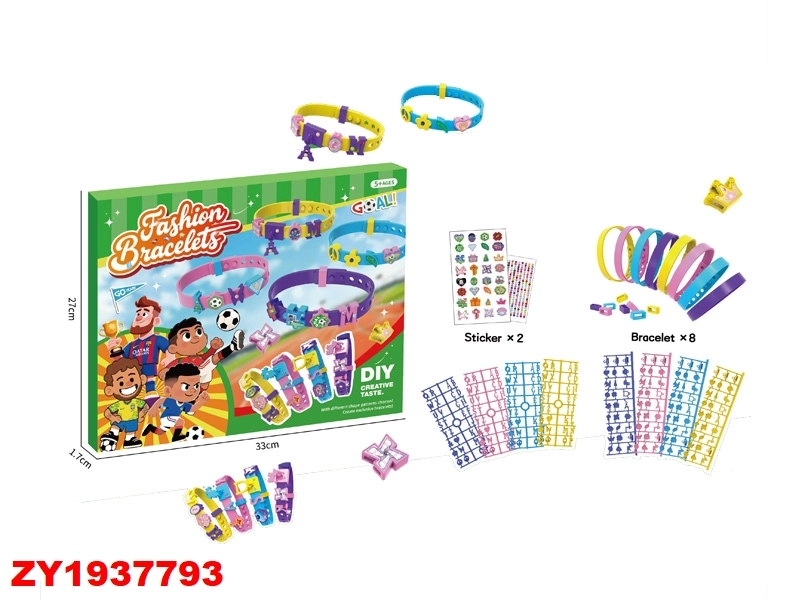
Timing Your Inventory: When to Act
A common mistake is entering the market too late. By the time the event starts, competition intensifies and margins shrink.
A structured timeline is more effective:
6–9 months before the event
- Finalize product selection
- Confirm packaging and customization
- Begin initial orders
3–5 months before the event
- Scale inventory
- Prepare distribution channels
- Align marketing materials
1–2 months before the event
- Focus on fast-moving SKUs
- Optimize placement and bundling
This phased approach reduces risk while maximizing exposure during peak demand.
Product Strategy: How to Build a Fast-Selling Line
Selecting categories is only part of the process. Execution determines results.
Combine Core and Complementary Products
Instead of relying on a single category, build combinations:
- Football toys + outdoor toys
- Bubble toys + impulse items
- Plush toys + collectibles
This increases average order value and improves sell-through rates.
Use Visual Merchandising to Drive Sales
Packaging plays a critical role during event-driven sales cycles.
Effective strategies include:
- Bright, recognizable color schemes
- Display boxes for quick selection
- Bundled sets that increase perceived value
Products that “stand out” visually often outperform technically superior alternatives.
Focus on Repeat Purchase Potential
Some products naturally encourage repeat buying.
These include:
- Collectible series
- Consumable-style toys (e.g., bubbles)
- Low-cost novelty items
Building a product mix with repeat potential stabilizes revenue beyond initial purchases.
Risk Management: Avoiding Overstock and Slow Movement
While the World Cup creates strong demand, poor planning can still lead to unsold inventory.
Key risk-control strategies:
- Avoid over-reliance on a single product type
- Prioritize adaptable designs (not overly event-specific)
- Maintain flexibility in order quantities
- Test smaller batches before scaling
The goal is not just to sell during the event, but to ensure products remain viable afterward.
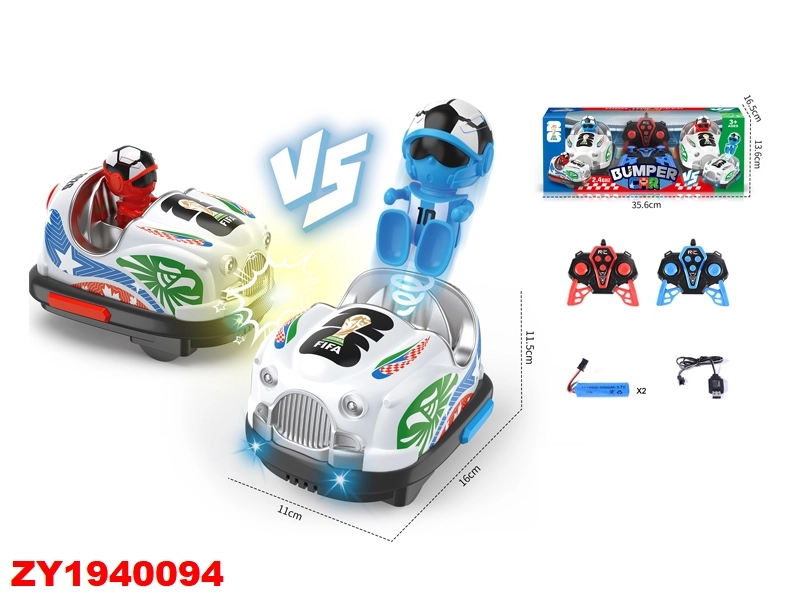
Beyond the Event: Extending the Sales Cycle
One of the most overlooked opportunities is post-event sales.
Products that are too tightly tied to the World Cup lose value quickly. However, general-purpose toys—especially outdoor and impulse categories—can continue selling long after the tournament ends.
This is why a hybrid product strategy is more effective:
- Partially event-aligned
- Partially evergreen
This approach protects margins and reduces long-term risk.
Conclusion
The 2026 FIFA World Cup is a high-visibility, high-demand cycle that extends far beyond traditional sports merchandise. For buyers, it represents a structured opportunity to build fast-moving product lines based on predictable consumer behavior.
Success depends on preparation, product selection, and timing—not just participation.
Those who approach this as a strategic sourcing window, rather than a short-term trend, are more likely to achieve stronger sell-through rates and more stable returns.
About Zhorya
For buyers looking to convert this opportunity into real inventory movement, sourcing efficiency and product range become critical. Zhorya, based in China, offers a broad selection of toy categories suited for event-driven demand cycles like the 2026 World Cup.
Key advantages include:
- Wide product coverage across outdoor toys, impulse items, and themed products
- Flexible customization options, including packaging and design adjustments
- Scalable supply capacity for bulk orders
- Consistent product updates aligned with global trends
Whether you are building a football-related product line or a broader event-driven assortment, Zhorya provides the flexibility needed to adapt quickly and respond to market demand.
For businesses preparing early, the right supplier is not just a source—it is a competitive advantage.