Login
Join Free
Categories
My Orders
Wish
Cart
0m³/0m³

English
English
 Русский язык
 中文
中文
The Ultimate Guide to Trendy Plush Toys: Global Trends & Sourcing from China
2026-05-12 09:01:08
In recent years, the global toy market has changed dramatically. Traditional toys still have stable demand, but a new category is growing at an exceptional speed: trendy plush toys. This category combines collectible culture, emotional value, designer aesthetics, and soft plush materials into one product type that appeals strongly to younger consumers.
Unlike ordinary stuffed animals designed mainly for children, trendy plush toys are created for a much wider audience. Teenagers, young adults, office workers, collectors, and even social media influencers are now purchasing plush products not only for play, but also for decoration, emotional comfort, gifting, photography, and personal expression.
As global consumers continue to seek emotional connection, stress relief, and visually attractive products, trendy plush toys are rapidly becoming one of the most important categories in the modern toy industry.
What Are Trendy Plush Toys?
Trendy plush toys are plush-based products designed with modern collectible culture in mind. They often combine cute aesthetics with strong personality, unique character design, limited editions, fashion-inspired styling, or surprise elements such as blind packaging.
Compared with traditional plush toys, trendy plush products usually focus more on:
- Character identity
- Visual impact
- Social media appeal
- Collectibility
- Emotional storytelling
- Display value
- Designer collaboration
- Limited releases
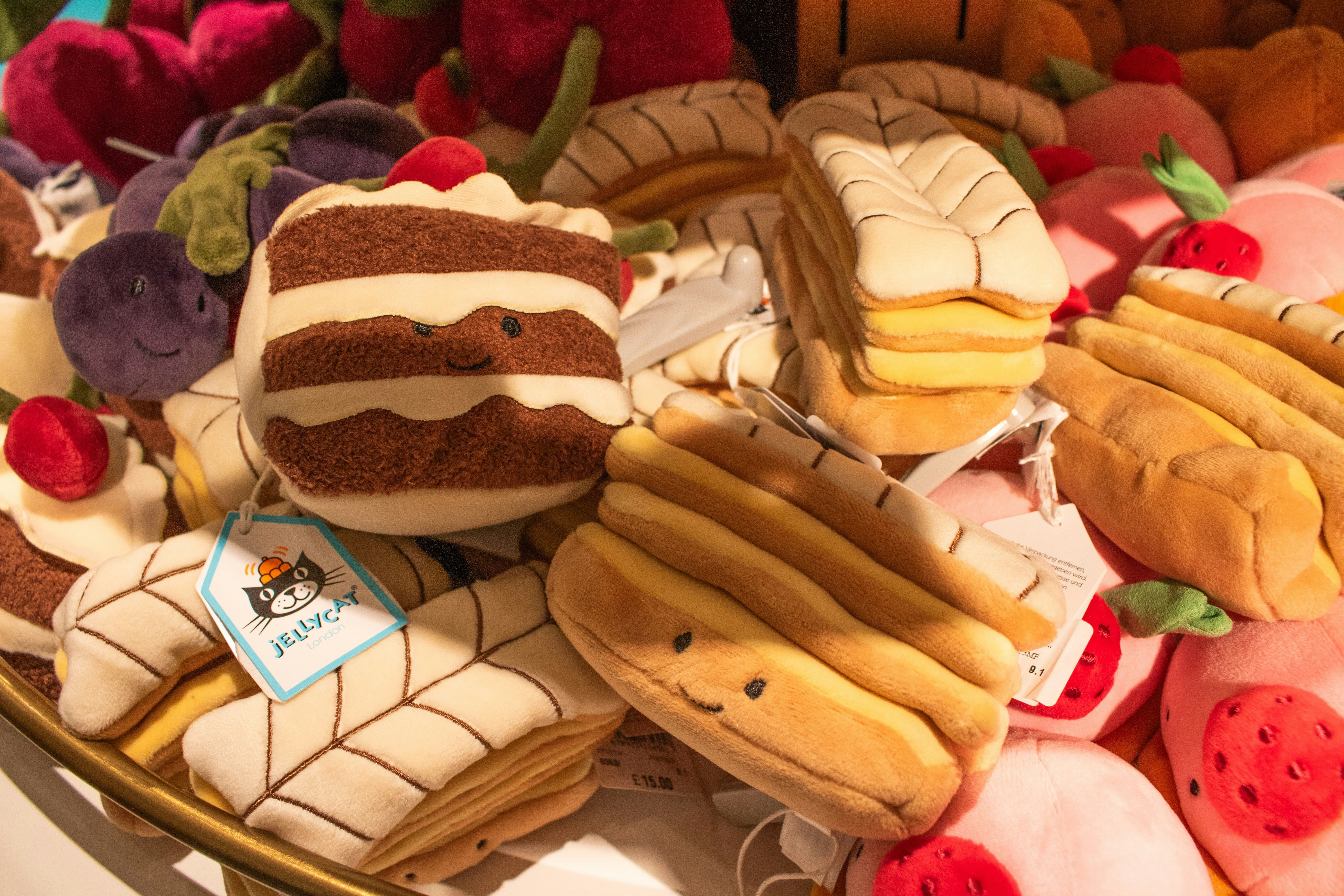
Many trendy plush toys are inspired by animation culture, internet memes, lifestyle trends, food themes, fantasy creatures, or emotional expressions. Some products intentionally feature unusual proportions, exaggerated facial expressions, or "ugly-cute" design styles that help them stand out online.
The category now overlaps heavily with designer toys, blind box collectibles, kawaii culture, and youth lifestyle products.
Why Trendy Plush Toys Are Growing So Fast
Several major consumer trends are pushing the growth of collectible plush toys worldwide.
Emotional Consumption
Modern consumers increasingly purchase products that provide emotional comfort rather than pure functionality. Plush toys naturally offer softness, warmth, and companionship. After stressful workdays or long hours online, many consumers want products that feel comforting and relaxing.
This is especially true among Gen Z and younger millennials, who often describe collectible plush toys as "emotional support items" or desk companions.
Unlike traditional luxury goods, trendy plush products are relatively affordable while still delivering emotional satisfaction. This makes them easier impulse purchases.
Social Media Is Accelerating Demand
Platforms such as TikTok, Instagram, and YouTube have transformed plush toys into highly visual lifestyle products.
Consumers now regularly post:
- Plush unboxing videos
- Blind box reveals
- Plush travel photography
- Shelf collections
- Outfit matching content
- "What's in my bag" videos
The more photogenic and unique a plush design becomes, the more likely it is to spread online.
This creates a strong cycle:
- Eye-catching design drives social sharing
- Social sharing creates curiosity
- Curiosity increases demand
- Demand increases collectibility
- Collectibility encourages repeat purchases
The Rise of Blind Box Plush
Blind box culture has had a major impact on the plush industry.
Consumers enjoy the excitement of not knowing which character they will receive. This mystery-driven purchasing behavior increases repeat buying and strengthens collector psychology.
Blind box plush products often include:
- Rare hidden editions
- Seasonal versions
- Limited production runs
- Holiday collections
- Different facial expressions
- Costume variations
This format turns a simple plush toy into an experience.
Retailers also benefit because blind box products encourage higher customer engagement and stronger in-store interaction.
Popular Types of Trendy Plush Toys
The market has expanded far beyond traditional teddy bears.
Some of the fastest-growing plush categories include:
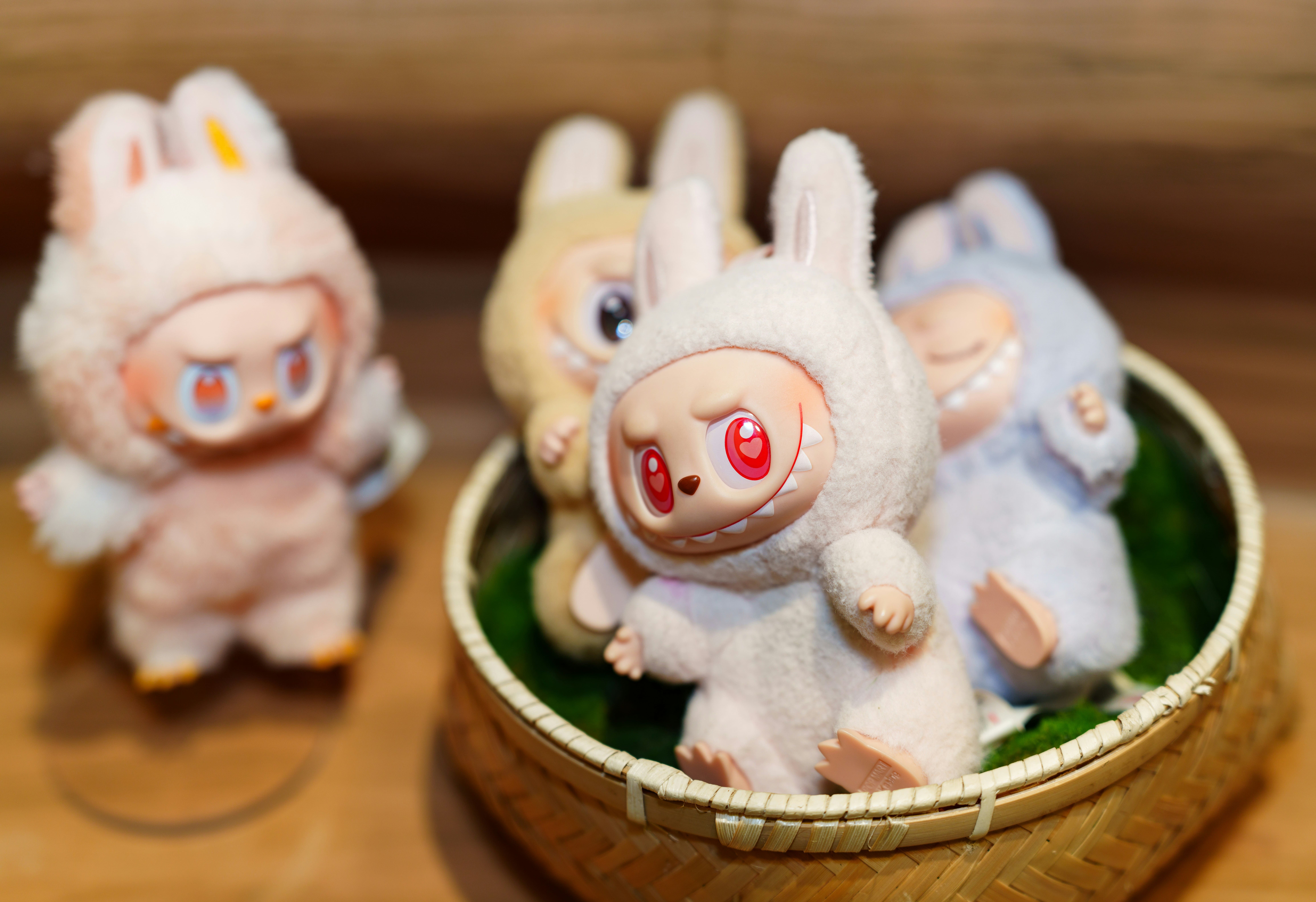
Food-Themed Plush
Cute food-inspired plush products remain extremely popular worldwide.
Examples include:
- Dumplings
- Bubble tea
- Bread
- Fruit
- Sushi
- Desserts
- Fast food characters
Food plush combines humor, comfort, and recognizable shapes.
Emotional Expression Plush
Products featuring exaggerated emotions continue gaining popularity.
These include:
- Crying faces
- Angry expressions
- Sleepy characters
- "Burnout" office plush
- Anxious or awkward personalities
These designs resonate strongly with younger consumers because they reflect relatable emotions.
Vinyl Plush
This category combines soft plush materials with vinyl face or vinyl parts, creating a stronger visual identity.
Key features:
- Smooth vinyl facial expression with plush body
- Higher collectible and designer feel
- Strong "character branding" effect
- More suitable for blind box and IP-based products
This type performs well in social media-driven markets because facial detail is highly recognizable in photos and videos.
Squishy Plush
Squishy plush focuses on decompression and tactile experience.
Key features:
- Soft squeeze texture with slow recovery
- Strong stress-relief function
- Often used as desk toys or emotional support items
- High repeat interaction rate
This category is increasingly popular among office workers and students due to its stress-relief positioning.
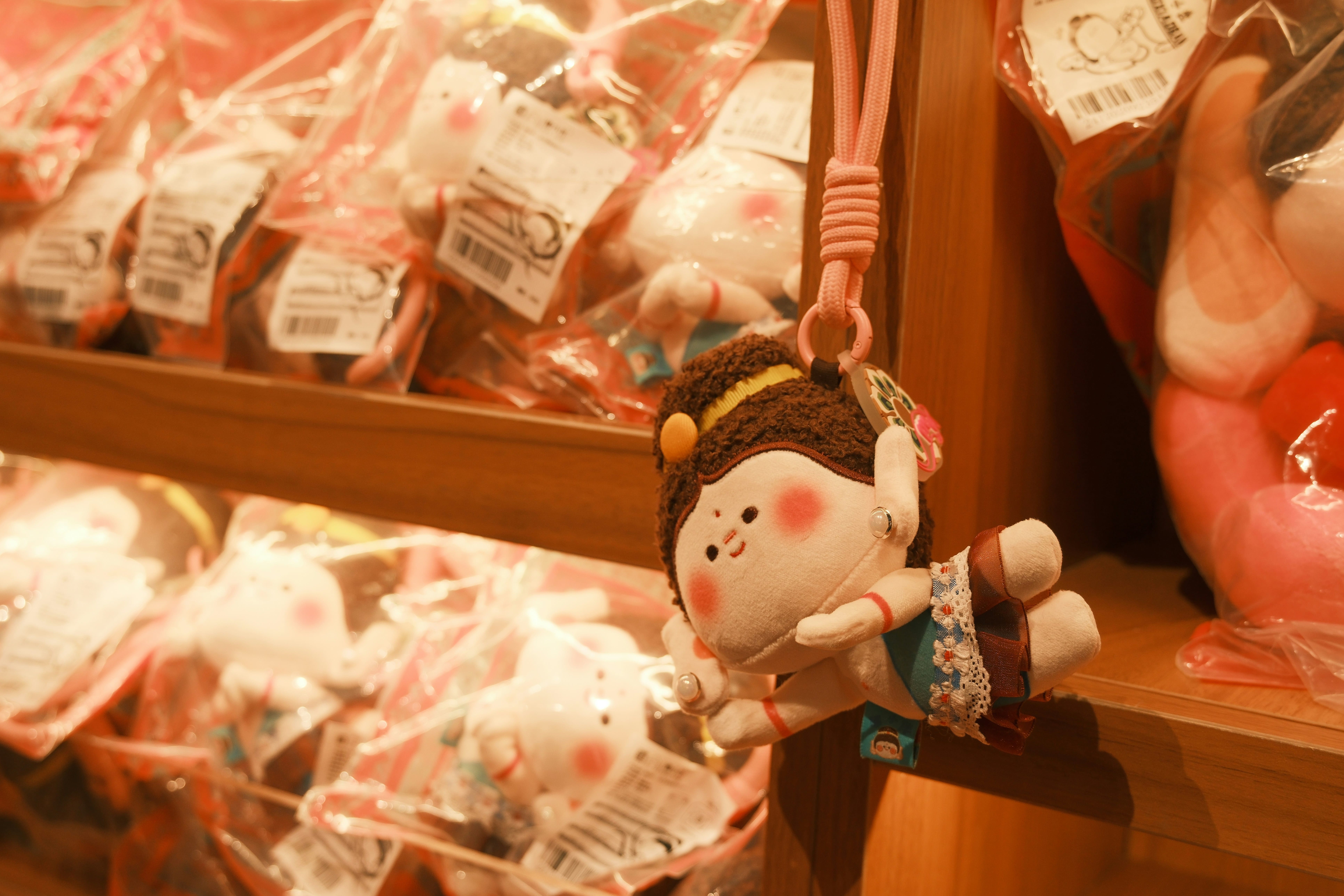
Mini Plush Keychains
Small collectible plush keychains are becoming one of the hottest subcategories.
Consumers attach them to:
- Bags
- Backpacks
- Phone accessories
- Car interiors
Their portability increases daily visibility and social exposure.
The Future of Trendy Plush Toys
The collectible plush market is still evolving rapidly.
Several future trends are likely to shape the industry further:
- AI-inspired character creation
- Interactive plush features
- Digital + physical collectible integration
- Fashion brand collaborations
- Limited artist editions
- Emotional wellness positioning
- Lifestyle-oriented plush collections
As consumers continue valuing emotional products and collectible experiences, trendy plush toys are expected to remain one of the fastest-growing categories in the toy industry.
The line between toys, fashion accessories, room decor, and collectible art will likely continue becoming smaller.
For retailers and wholesalers, this creates major opportunities for product differentiation and long-term growth.
Why More Buyers Source Trendy Plush Toys From China
China remains the global center for plush toy manufacturing due to its mature supply chain, production efficiency, and rapid product development capabilities.
Many buyers choose Chinese suppliers because they can access:
- Faster trend adaptation
- Competitive pricing
- Flexible customization
- Large product variety
- Packaging support
- OEM & ODM services
- Stable production capacity
For businesses entering the collectible plush category, finding suppliers that understand both toy manufacturing and modern design trends is increasingly important.