Login
Join Free
Categories
My Orders
Wish
Cart
0m³/0m³

English
English
 Русский язык
 中文
中文
Toys That Increase Basket Size: A Retailer's Guide to Smarter Toy Assortments
2026-09-09 09:02:40
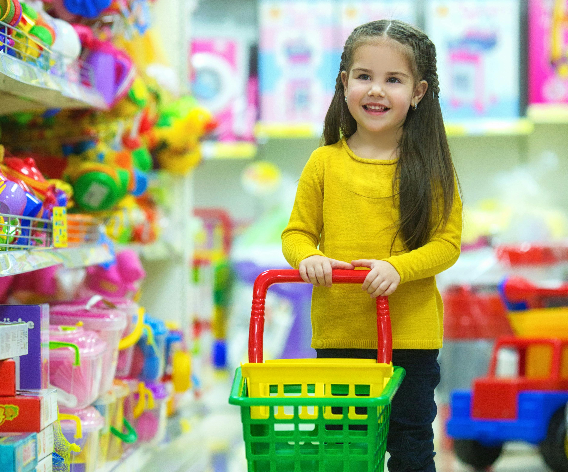
A customer who comes into a toy store for one product does not always leave with only that product. What they see while browsing, how products are grouped, and whether relevant lower-priced items are easy to discover can all influence what ends up in the final basket.
For toy retailers, this creates an important merchandising opportunity. Instead of relying only on larger or higher-priced toys, a well-planned assortment can include products that naturally complement the customer's main purchase.
The most effective toys that increase basket size are not necessarily expensive. They are often compact, easy to understand, giftable, reasonably priced and relevant to products customers are already considering. Small building sets, puzzles, collectibles, novelty toys, craft products, outdoor toys, doll accessories and plush toys can all contribute when they are selected and displayed with a clear purpose.
The objective is not to encourage customers to buy products they do not want. It is to make relevant products easier to notice and combine.
What Does Basket Size Mean in Toy Retail?
Basket size refers to the total value or number of products included in a customer's purchase. In toy retail, it can vary considerably depending on the product assortment, store layout and shopping occasion.
For example, a customer may enter a toy store looking for a birthday gift. They select a main toy but then notice a small puzzle, novelty toy or plush item nearby. If the additional product is relevant, affordable and easy to pick up, the original purchase can become a larger basket.
This is why assortment planning matters.
A toy assortment built around individual products can miss opportunities for complementary purchases. A stronger assortment considers how different products can work together and how customers might shop across categories.
When evaluating a new toy, retailers can ask:
-
Can this product be purchased alongside another toy?
-
Is there a smaller or lower-priced product that complements it?
-
Is it easy to understand without extensive explanation?
-
Is it suitable for a counter, pegboard or secondary display?
-
Can it work as a gift or an additional gift item?
-
Does it provide meaningful variety within the assortment?
These questions help turn product selection into a merchandising strategy rather than simply adding more SKUs.
Toy Categories That Can Help Increase Basket Size
Not every toy category works in the same way. Some products are naturally suited to complementary purchases because customers can easily understand their relationship with another product. Others work because they are compact, giftable or suitable for impulse purchases.
The following categories can give retailers more flexibility when building an assortment designed to support larger baskets.
Small Building Sets and Mini Construction Toys
Building toys are naturally suited to complementary purchasing because customers can choose different sizes, themes, piece counts and levels of complexity.
A retailer might stock a larger construction set as the main purchase while placing smaller building sets nearby. A customer who likes the theme may choose a second set as another gift, a travel activity or a lower-cost addition.
Mini construction toys are particularly useful when shelf space is limited. Their compact packaging allows retailers to present several designs without allowing one product to take up too much physical space.
A balanced building assortment can include:
-
Mini building blocks
-
Small construction sets
-
Building bricks
-
Magnetic building toys
-
Themed construction kits
-
Small model-building sets
The important consideration is differentiation. Several products that look almost identical may not create much additional value. Different themes, formats, piece counts and price points can give customers more reasons to compare and add another item.
Puzzles and Compact Games
Puzzles and small games can work well as add-on products because they are generally easy to browse and require relatively little shelf space.
They can also serve different shopping occasions. A customer may purchase a puzzle as a gift, a travel activity, a rainy-day toy or an additional item for a child.
Compact games can be particularly useful around gift sections and seasonal displays.
Retailers can create natural product combinations such as:
-
Main gift + puzzle
-
Board game + compact card game
-
Educational toy + logic puzzle
-
Travel toy + small game
The purpose is not to create artificial bundles. Instead, the display should help customers discover products that make sense together.
Collectible and Small Novelty Toys
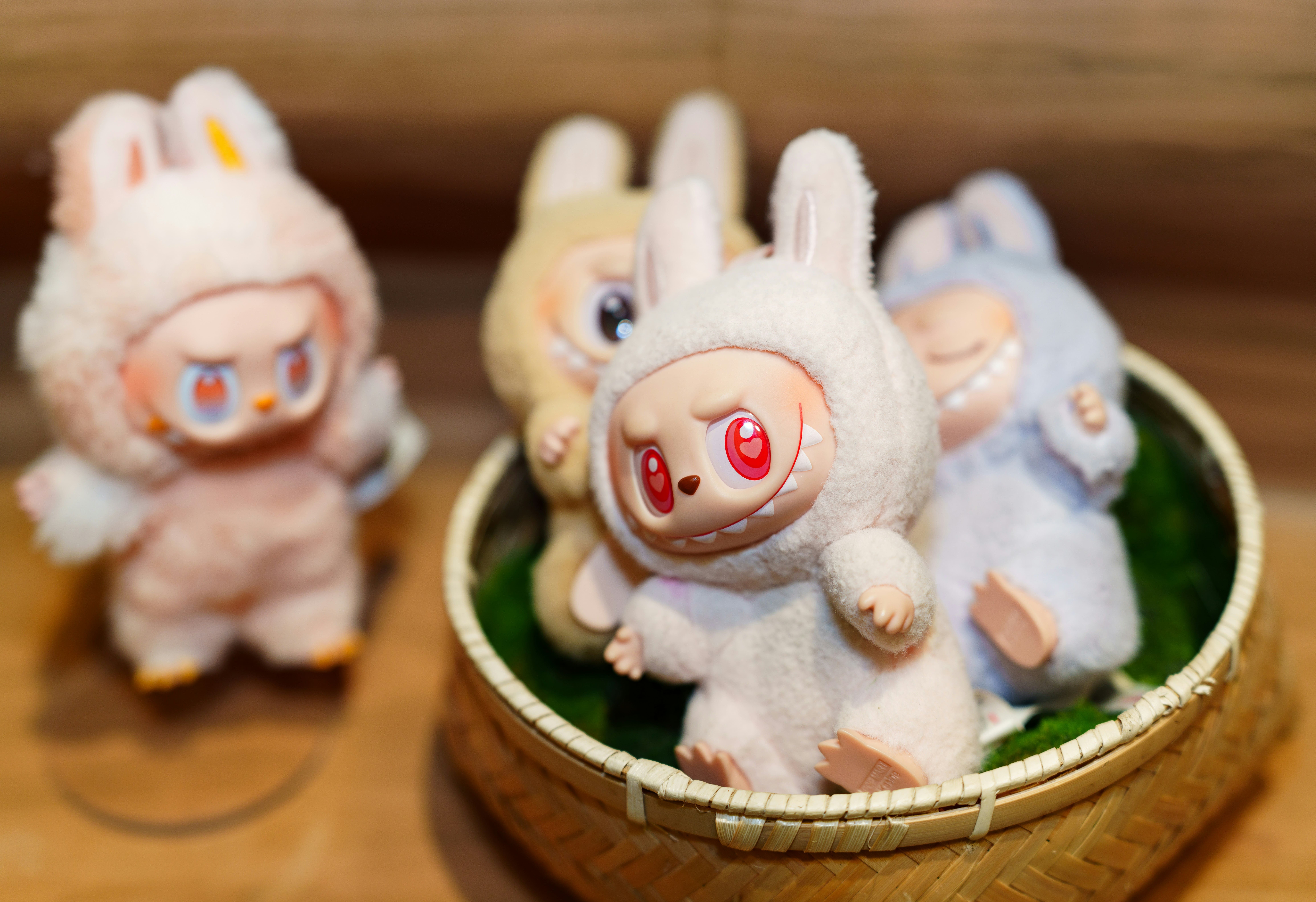
Collectible and novelty toys can create additional purchase opportunities because customers can easily browse multiple designs.
Small products are also flexible from a merchandising perspective. They can be displayed in baskets, bins, pegboards or countertop units without requiring the space of larger toys.
Examples include:
-
Mini collectible figures
-
Small novelty toys
-
Mini animal figures
-
Pocket-sized playsets
-
Small character toys
-
Surprise-style toys
-
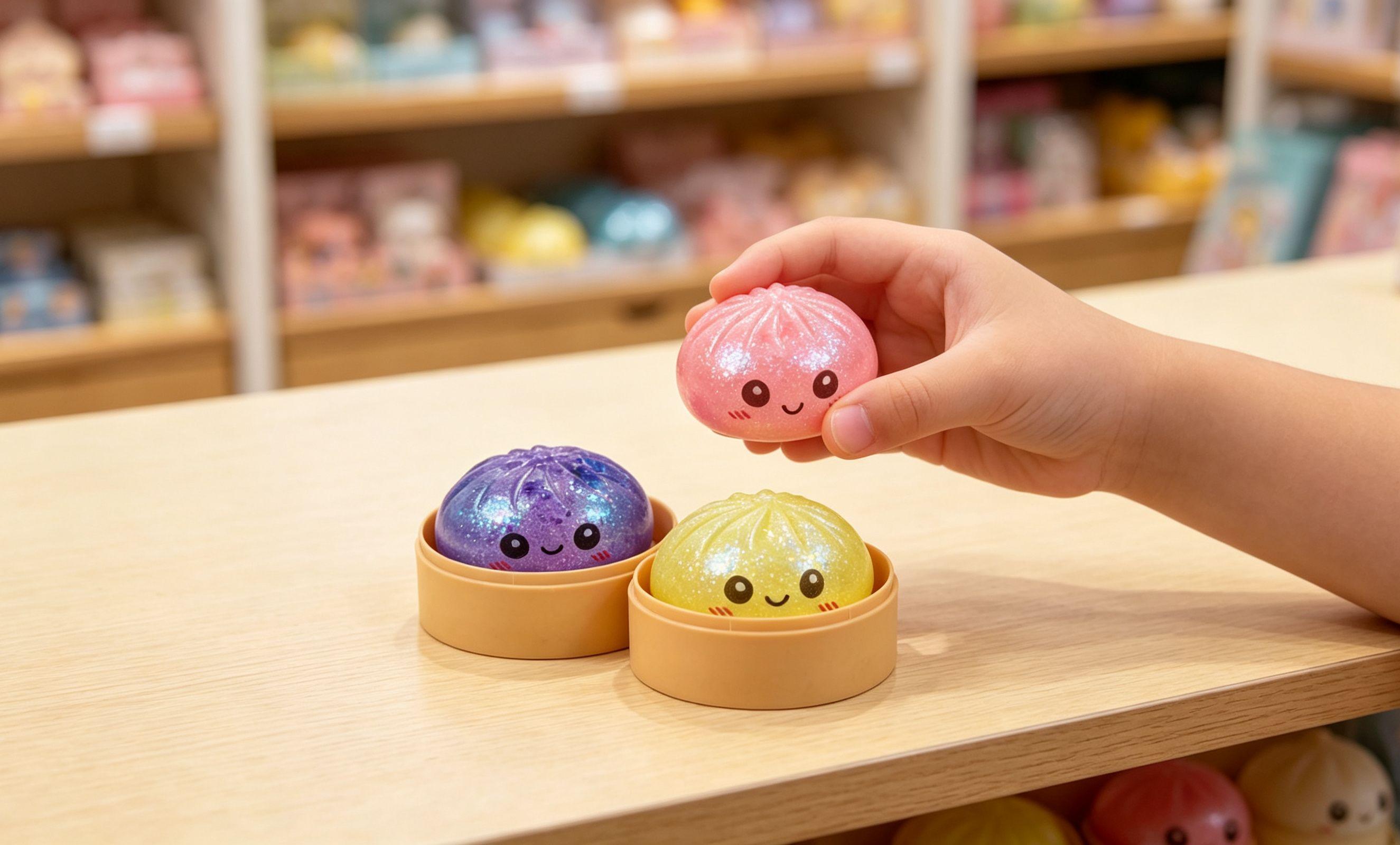
Small fidget and novelty products
These products can work particularly well when customers have several designs to choose from.
However, variety should not mean randomness. A display with recognizable themes, characters, colors or product formats can be easier to shop than a container filled with completely unrelated products.
Creative and Craft Toys
Creative products can support larger baskets by creating connections between different types of activities.
A customer purchasing a basic craft kit may also be interested in another activity set, coloring product or small creative toy. The connection is based on the play experience rather than simply the appearance of the products.
Retailers can explore categories such as:
-
Coloring sets
-
DIY craft kits
-
Sticker activities
-
Drawing toys
-
Make-your-own kits
-
Small creative activity sets
-
Educational craft products
Different sizes and price points are useful here. A compact craft kit can work as an additional gift, while a larger creative set can remain the main purchase.
Outdoor and Active Play Toys
Outdoor toys can also support larger baskets when retailers provide products at different sizes and price levels.
A customer shopping for an outdoor toy may be interested in another compact activity product, particularly when the additional item is easy to carry and relevant to the original purchase.
Examples include:
-
Flying discs
-
Small balls
-
Water toys
-
Sand toys
-
Outdoor novelty toys
-
Sports accessories
-
Compact active-play products
Seasonal merchandising can make these products more effective.
During summer, for example, related outdoor toys can be grouped together rather than being scattered across different parts of the store. A customer looking for one outdoor product can then see several other options during the same shopping trip.
The same approach can be applied to school breaks, holidays and travel seasons.
Dolls and Doll Accessories
Dolls provide a natural opportunity for complementary purchases because the main product can connect directly with accessories and additional play items.
Depending on the assortment, complementary products may include:
-
Doll clothing
-
Small accessories
-
Mini furniture
-
Doll shoes
-
Pretend-play accessories
-
Small carrying cases
-
Additional dolls
The relationship between the products is easy for customers to understand.
For retailers, the main consideration is visibility. If accessories are placed too far away from the dolls they are designed to complement, customers may not realize that both products are available.
Grouping related products can make the assortment easier to navigate and create more opportunities for customers to add something to their purchase.
Remote Control and Electronic Toy Add-Ons
Remote control toys can have higher ticket prices, but they do not need to be treated as isolated products.
Smaller related toys can provide additional purchase opportunities. Depending on the assortment, retailers can consider compact RC vehicles, small electronic toys, novelty electronics and other related play products.
Compatibility is particularly important in this category.
Retailers should not suggest that two products work together unless that compatibility has been confirmed. Clear product specifications and accurate packaging information help customers make better purchasing decisions.
For electronic toys, reliable product information can be more valuable than simply displaying a large number of similar items.
Plush Toys and Small Giftable Items
Plush toys are useful for gift-oriented merchandising because they can work as both primary gifts and additional purchases.
A customer may enter a store looking for a birthday present and select a larger toy. A small plush item can then become a relatively simple addition.
Smaller plush products can work in:
-
Gift sections
-
Children's areas
-
Checkout displays
-
Seasonal displays
-
Party-related assortments
-
Themed merchandise sections
Different sizes also allow retailers to create a visual hierarchy and provide customers with more than one price point.
Impulse Toys for Checkout and Counter Displays
Not every product needs a large shelf to contribute to basket size.
Small impulse toys can be placed in high-traffic areas where customers naturally pause, such as checkout counters, reception areas, gift-wrapping stations and store entrances.
Suitable products are generally:
-
Compact
-
Visually noticeable
-
Easy to understand
-
Affordable
-
Suitable for quick purchasing decisions
-
Available in multiple designs
However, the checkout area should not become a random collection of leftover products.
The best displays have a clear purpose. Retailers can rotate products according to season, shopping occasion or current assortment priorities to keep the area relevant.
How to Build a Toy Assortment That Supports Larger Baskets
Adding more small toys does not automatically increase basket size. The more important question is whether the products have useful relationships with one another.
Start With a Core Product
Identify the products customers are most likely to enter the store looking for.
These could include dolls, building sets, puzzles, plush toys, RC toys or outdoor products.
Then consider which smaller products can naturally sit around those core products.
This creates a foundation for cross-category merchandising without making the assortment feel forced.
Add Different Price Levels
A strong assortment should not place every product at roughly the same price point.
Consider combining:
-
Main purchase products
-
Mid-range products
-
Smaller add-on products
-
Low-cost impulse items
This gives customers flexibility. Some shoppers may choose one main product, while others may be comfortable adding one or two smaller items.
Use Product Relationships
Products do not always need to be organized only according to traditional product categories.
Secondary displays can be organized around shopping occasions such as:
- Birthday Gift Ideas
- Travel Toys
- Small Gifts
- Rainy-Day Activities
- Outdoor Play
- Creative Play
This approach can bring products from different categories together when they serve the same shopping purpose.
Keep Add-On Products Easy to Understand
A customer should not need a long explanation before deciding whether a small toy is suitable.
Clear packaging, understandable product concepts and concise product information can reduce friction during an additional purchase decision.
This is especially important for products positioned near checkout or in quick-browse areas.
Avoid Overloading the Display
More products do not necessarily create a better assortment.
If a display contains too many similar items, customers may have difficulty comparing them. Instead, select products with meaningful differences in design, function, size, theme or price.
The objective is not to display everything available. It is to create a selection that gives customers useful choices.
Why ZHORYA Can Be a Useful Source for a Broader Toy Assortment
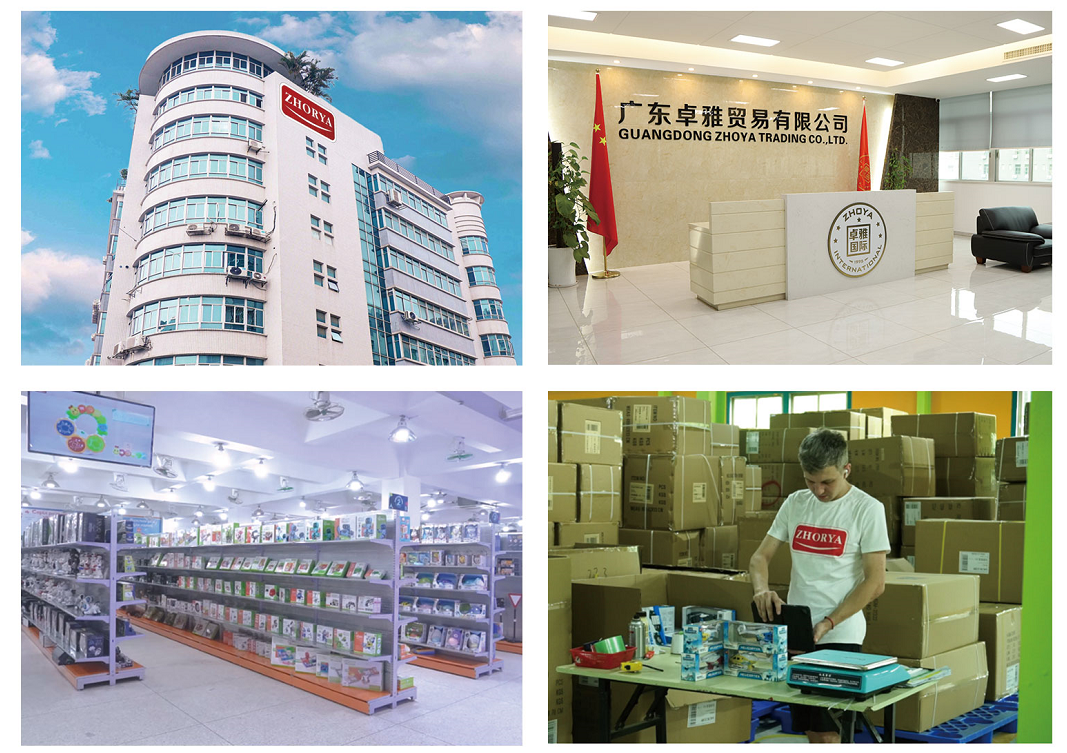
Building a basket-friendly toy assortment is easier when you have access to a wide range of complementary products. ZHORYA offers wholesale toys across categories including building toys, puzzles, dolls, plush toys, RC toys, electronic toys, outdoor toys, games and novelty toys.
For wholesalers, importers, distributors and retailers, this broad selection makes it easier to explore different product types, price points and shopping occasions in one sourcing process. ZHORYA also supports OEM and ODM services for buyers with specific customization needs.
If you are looking for a wholesale toy supplier to expand your assortment with small, giftable and complementary products, ZHORYA is worth exploring.
Conclusion
Increasing basket size starts with a smarter toy assortment, not simply more products. Combining core toys with affordable add-ons, giftable items and complementary categories creates more natural opportunities for customers to add to their purchase. With a broad selection of wholesale toys from ZHORYA, retailers can explore different product combinations, price points and shopping occasions to build a more flexible assortment.
Get Your Free Quote
We will reply within 24 hours.