Login
Join Free
Categories
My Orders
Wish
Cart
0m³/0m³

English
English
 Русский язык
 中文
中文
How Different Toy Types Support Kids' Sensory & Cognitive Growth By Age Group
2026-05-29 08:56:54
Choosing toys for children is about much more than keeping them entertained. The toys children interact with every day play a major role in how they explore the world, process information, develop motor skills, and build the cognitive abilities they will use throughout life.
Parents often focus on whether a toy is fun, while educators may prioritize learning outcomes. However, child development specialists increasingly agree that the most effective toys combine both. A well-designed toy encourages exploration, engages multiple senses, and challenges children at an age-appropriate level.
Understanding how different toy types support sensory and cognitive development can help parents make better decisions and help toy retailers, distributors, and educational suppliers identify products that deliver genuine value.
In this guide, we explore how children's developmental needs evolve as they grow and which toy categories best support those changes.
Understanding Sensory and Cognitive Development
Before examining specific toy categories, it is helpful to understand what sensory and cognitive development actually mean.
Sensory development refers to how children process information through:
-
Touch
-
Sight
-
Sound
-
Movement
-
Balance
-
Spatial awareness
Cognitive development refers to how children:
-
Think
-
Learn
-
Remember
-
Solve problems
-
Make decisions
-
Understand cause and effect
The two areas are closely connected. Children first experience the world through their senses. Those sensory experiences gradually build the foundation for more advanced thinking and learning skills.
This is why age-appropriate toys remain one of the most important tools for early childhood development.
Birth to 12 Months: Building Sensory Awareness
During infancy, children learn primarily through observation and sensory exploration.
At this stage, toys should focus on stimulating the senses rather than teaching academic concepts.
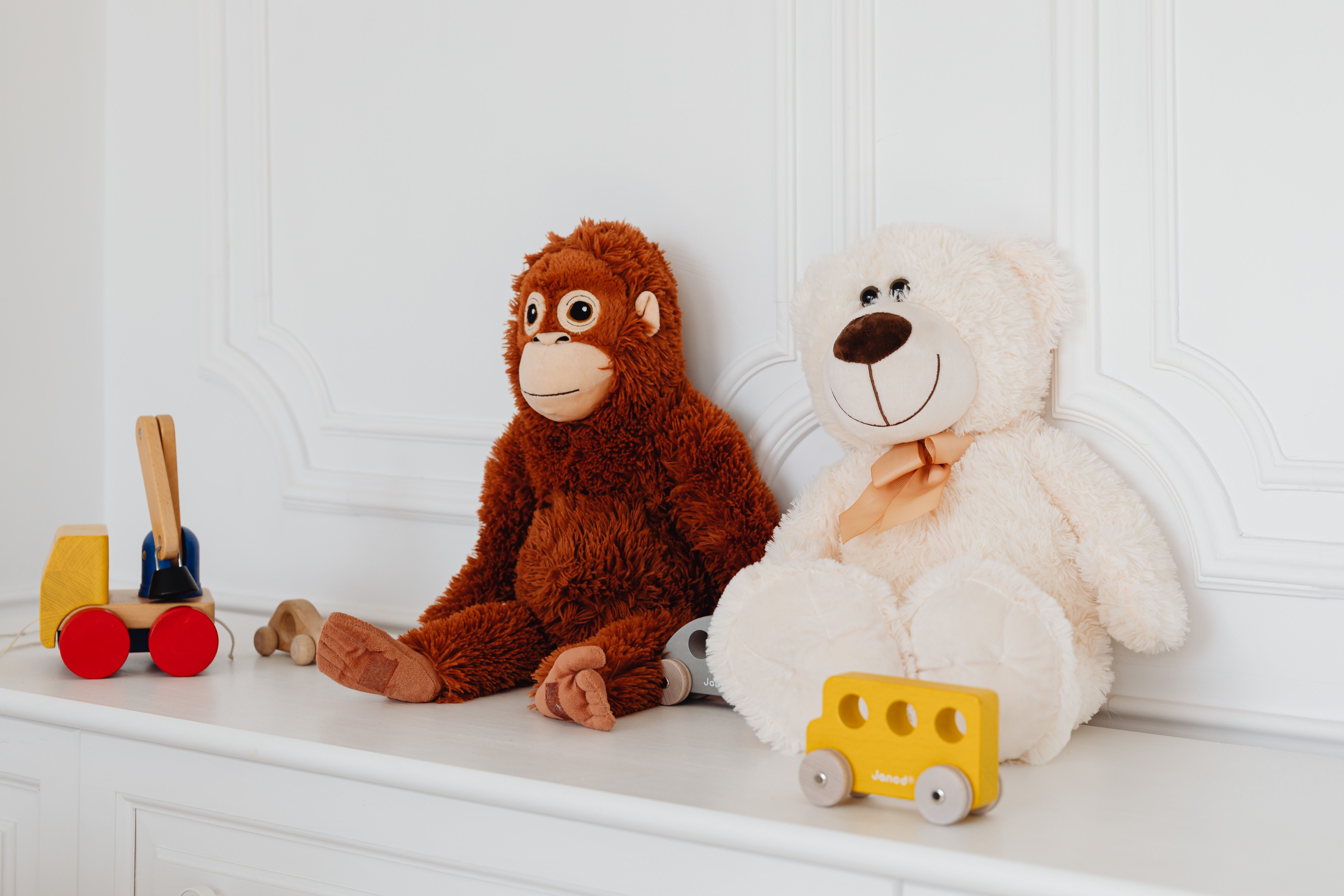
Soft Plush Toys
Soft plush toys with different textures help babies explore touch while providing comfort and security.
Benefits include:
-
Tactile development
-
Grasping practice
-
Sensory stimulation
-
Emotional comfort
Plush toys with crinkle materials, tags, ribbons, or multiple fabric textures provide even greater sensory engagement.
Musical Toys and Rattles
Simple sounds help infants connect actions with outcomes.
When a baby shakes a rattle and hears a sound, they begin developing an understanding of cause and effect.
Benefits include:
-
Auditory development
-
Attention skills
-
Memory formation
-
Early problem-solving
Activity Gyms and Play Mats
Play mats encourage reaching, kicking, rolling, and visual tracking.
Benefits include:
-
Gross motor development
-
Hand-eye coordination
-
Visual perception
-
Body awareness
At this stage, simplicity is often more beneficial than complexity.
Ages 1–3: Exploring Through Action
Toddlers are naturally curious. They learn by touching, moving, stacking, dropping, pushing, and repeating actions.
This stage marks rapid growth in both sensory and cognitive development.
Stacking Toys
Stacking cups, rings, and blocks allows toddlers to experiment with balance and structure.
Benefits include:
-
Fine motor skills
-
Hand coordination
-
Spatial reasoning
-
Problem-solving
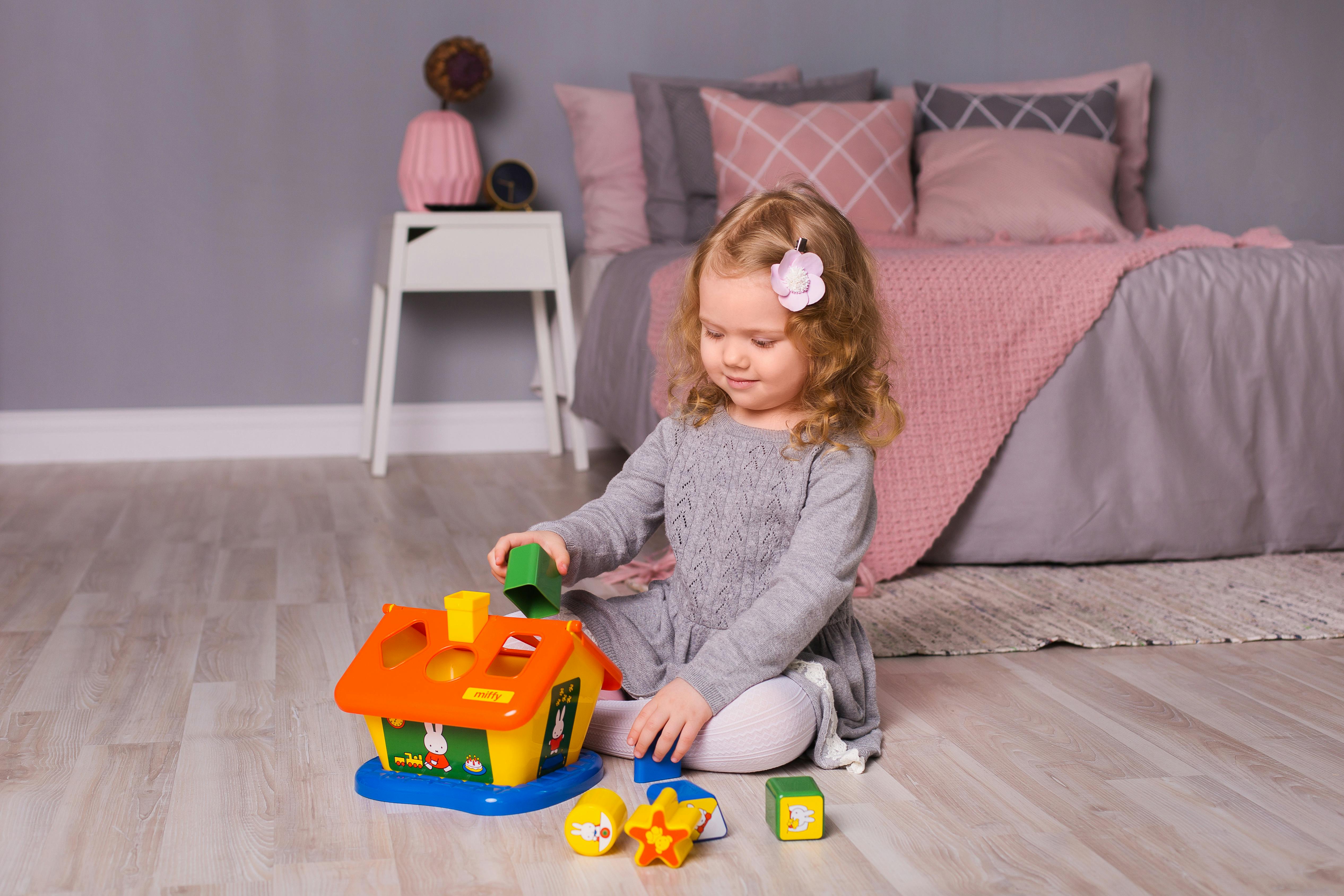
Shape Sorters
Shape sorters remain one of the most effective developmental toys for toddlers.
Benefits include:
-
Logical thinking
-
Shape recognition
-
Matching skills
-
Concentration
Children gradually learn that different objects fit different spaces, introducing early classification concepts.
Pull-Along and Push Toys
Movement-based toys encourage physical exploration.
Benefits include:
-
Balance
-
Coordination
-
Confidence
-
Motor planning
As toddlers gain mobility, these toys help connect physical movement with environmental awareness.
Ages 3–5: Imagination Becomes a Learning Tool
Preschool children begin combining sensory experiences with imagination.
This stage often sees major improvements in language development, social interaction, and creative thinking.
Role Play Toys
Pretend play is one of the most powerful forms of early learning.
Popular examples include:
-
Doctor sets
-
Kitchen playsets
-
Tool kits
-
Doll accessories
-
Cash register toys
Benefits include:
-
Communication skills
-
Emotional intelligence
-
Social understanding
-
Creativity
Children practice real-life situations through imaginative play.
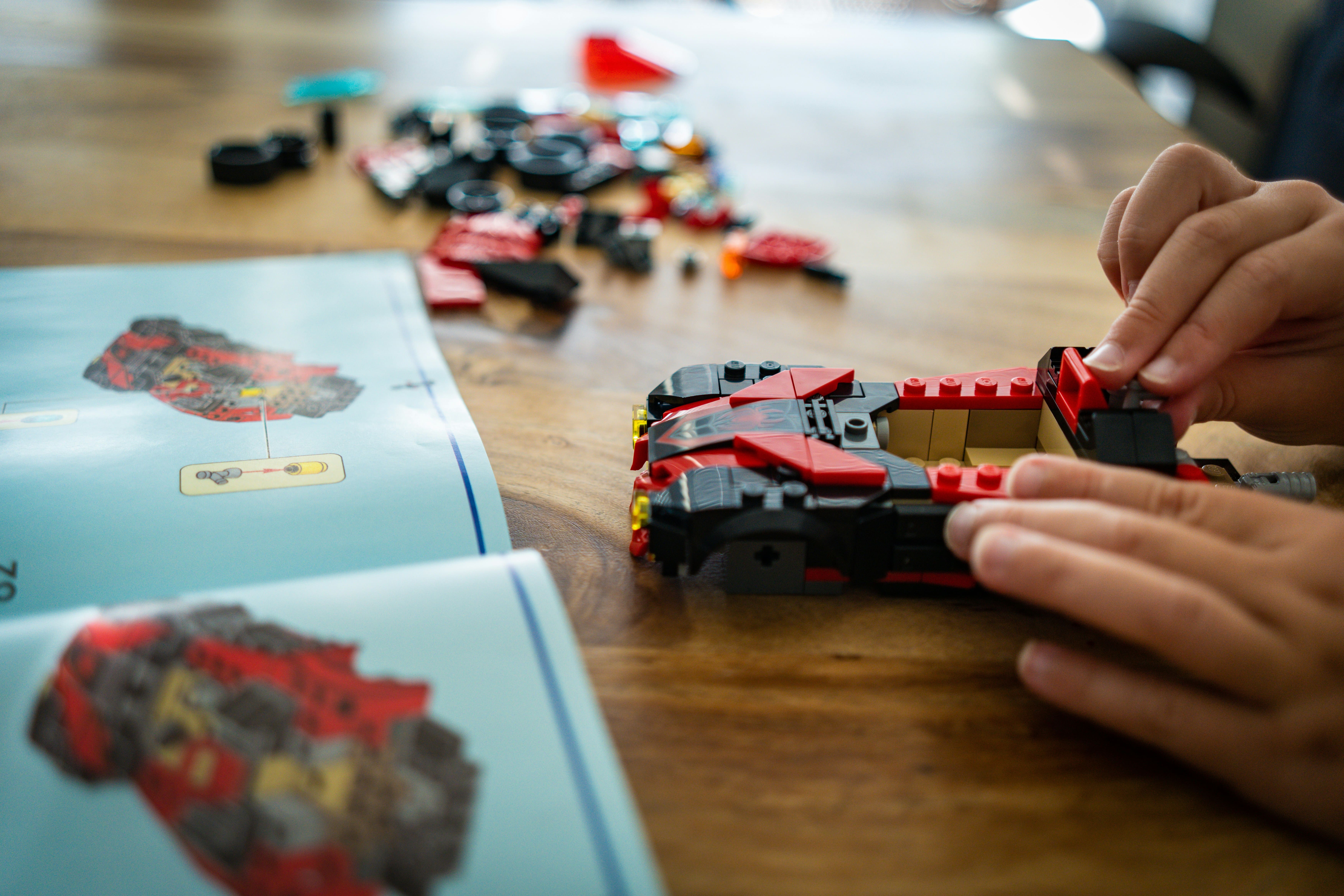
Building Blocks
Construction toys encourage experimentation and problem-solving.
Benefits include:
-
Engineering concepts
-
Spatial awareness
-
Planning skills
-
Persistence
Many educators consider building toys essential because they support open-ended learning.
Art and Craft Toys
Creative activities allow children to express ideas while strengthening hand control.
Benefits include:
-
Fine motor development
-
Creativity
-
Decision-making
-
Focus
These activities also help prepare children for writing and drawing tasks encountered in school.
Ages 5–8: Developing Logic and Independent Thinking
As children enter school, their cognitive abilities become more advanced.
They are increasingly capable of following instructions, understanding rules, and solving multi-step problems.
STEM Toys
STEM toys have become one of the fastest-growing educational toy categories worldwide.
Benefits include:
-
Scientific thinking
-
Engineering concepts
-
Experimentation
-
Analytical reasoning
Many STEM products transform abstract concepts into hands-on learning experiences.
Educational Games
Board games and learning games help children strengthen multiple cognitive skills simultaneously.
Benefits include:
-
Memory
-
Strategy
-
Patience
-
Critical thinking
Games also encourage healthy social interaction and teamwork.
Remote Control Toys
Remote control vehicles require children to plan movements and react quickly.
Benefits include:
-
Hand-eye coordination
-
Spatial awareness
-
Decision-making
-
Concentration
These products combine active play with cognitive engagement.
Ages 8 and Up: Advanced Learning and Problem Solving
Older children often seek greater challenges and more specialized interests.
Toys at this stage can support deeper learning experiences.
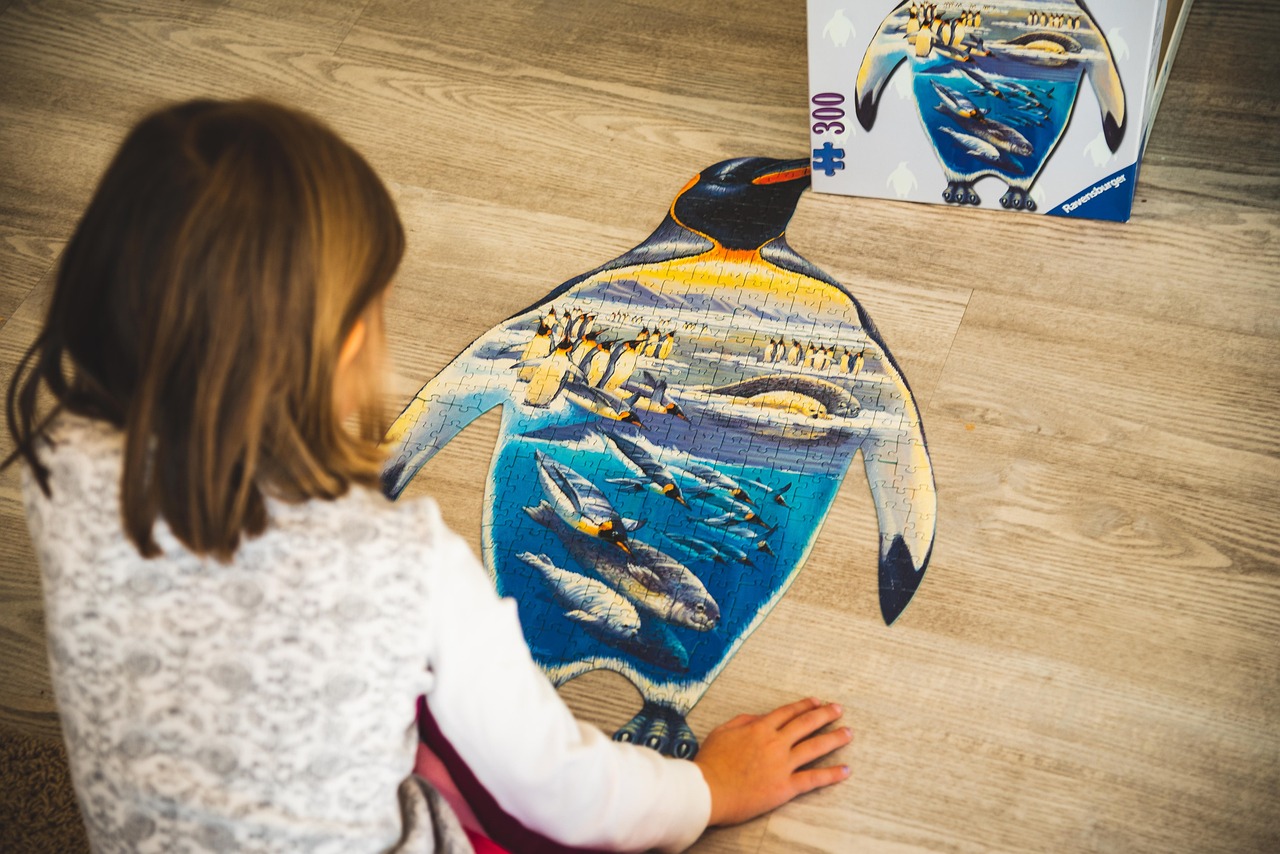
Puzzle Toys
Complex puzzles require children to analyze patterns and develop strategies.
Benefits include:
-
Logical reasoning
-
Memory retention
-
Focus
-
Patience
Puzzle toys continue to perform strongly in both educational and retail markets because they appeal to a broad age range.
Robotics and Coding Toys
Technology-focused toys help introduce future-ready skills.
Benefits include:
-
Computational thinking
-
Programming concepts
-
Problem-solving
-
Creativity
As technology becomes increasingly important, robotics toys continue to gain popularity among parents and educators.
Science Experiment Kits
Hands-on experimentation encourages curiosity and discovery.
Benefits include:
-
Observation
-
Hypothesis testing
-
Scientific reasoning
-
Independent learning
Children often remember concepts better when they actively participate in the learning process.
Why Open-Ended Toys Deliver Long-Term Development Benefits
While age-specific toys have clear advantages, open-ended toys often provide the greatest long-term value.
Open-ended toys include:
-
Building blocks
-
Construction toys
-
Art supplies
-
Modeling compounds
-
Role-play products
Unlike toys with a single intended outcome, open-ended toys encourage children to create their own play experiences.
This flexibility promotes:
-
Creativity
-
Problem-solving
-
Adaptability
-
Independent thinking
These skills remain valuable throughout childhood and beyond.
What Parents and Toy Buyers Should Look For
When evaluating developmental toys, focus on more than entertainment value.
Ask questions such as:
-
Does the toy encourage active participation?
-
Does it stimulate one or more senses?
-
Does it support creativity?
-
Does it challenge children appropriately for their age?
-
Can children interact with it in multiple ways?
The best developmental toys grow with children and encourage repeated engagement rather than short-term novelty.
Why More Global Buyers Choose Zhorya for Developmental Toy Categories
As demand for educational and developmental toys continues to grow worldwide, many importers, distributors, retailers, e-commerce sellers, and educational suppliers are expanding their product selection beyond traditional play items.
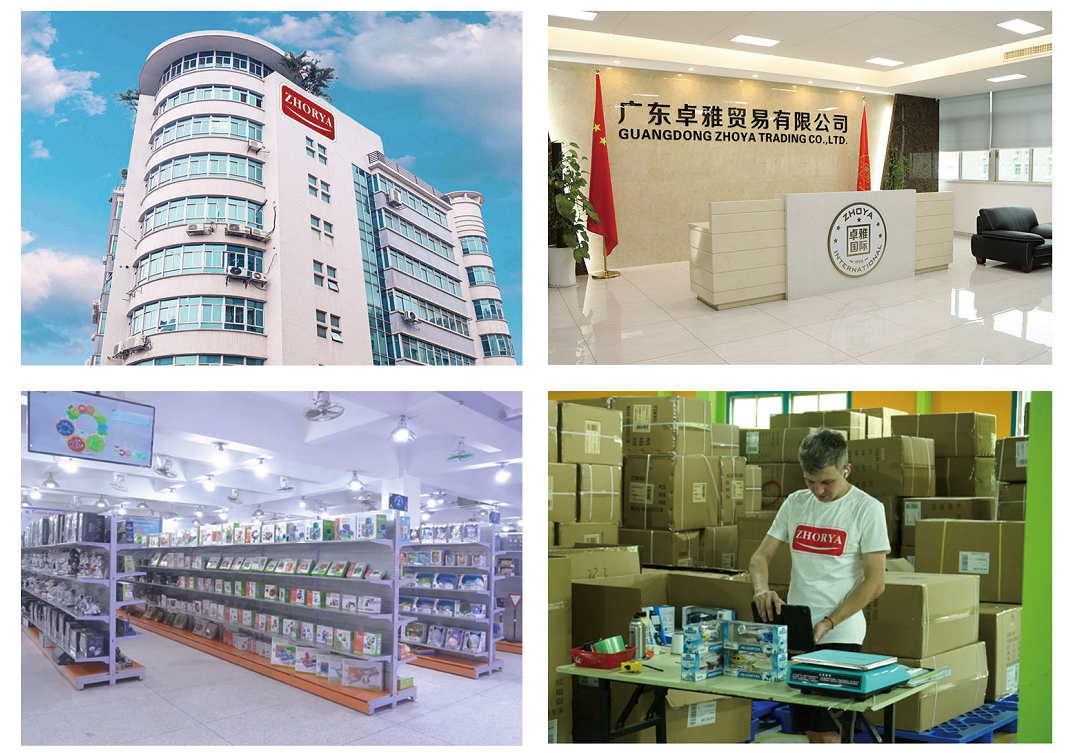
Zhorya, based in China, offers an extensive range of toy categories designed for different developmental stages, including educational toys, STEM toys, role-play toys, musical toys, construction toys, remote control toys, preschool learning products, activity toys, and sensory-focused play items. With over 1.9 million toy products available, buyers can source products that match current market trends while serving the developmental needs of children across multiple age groups.
In addition to a broad product selection, Zhorya provides customization options such as private labeling, custom packaging, sound modifications, and exclusive product development. For buyers looking to build a toy assortment that combines strong commercial potential with genuine educational value, Zhorya offers a reliable sourcing solution backed by decades of experience in the global toy industry.
Conclusion
Children's sensory and cognitive development changes dramatically from infancy through the school years. Different toy categories support different stages of growth, from sensory exploration and motor development to logical thinking, creativity, and problem-solving. By understanding how toys contribute to learning at each age group, parents, educators, and toy buyers can make more informed decisions and select products that deliver lasting developmental benefits while keeping children engaged and inspired.