Login
Join Free
Categories
My Orders
Wish
Cart
0m³/0m³

English
English
 Русский язык
 中文
中文
Why the Toy Industry Is Still Full of Opportunities in 2026
2026-06-02 09:30:33
For decades, people have predicted that children would eventually abandon traditional toys in favor of digital entertainment. Yet year after year, the global toy industry continues to prove otherwise. Even in a world dominated by smartphones, streaming platforms, social media, and video games, toys remain an essential part of childhood development and family life.
The latest industry data highlights this reality clearly. Industry market analysis shows global toy sales reached approximately $123 billion in 2025, representing an 8% increase compared to 2024. Looking back to 2020, the market has expanded by roughly 24%, demonstrating consistent long-term growth despite economic uncertainty in many regions.
For distributors, retailers, wholesalers, and importers, this growth signals something important: the toy industry remains one of the few consumer sectors that continues to create new opportunities across multiple categories and markets.
The question is no longer whether opportunities exist.
The real question is where those opportunities are emerging and how businesses can take advantage of them.
The Global Toy Market Continues to Expand
One of the strongest reasons for optimism is the overall growth of the global toy market.
Unlike industries that rely heavily on short-term trends, toys benefit from a constantly renewing customer base. Every year, more than 100 million children are born worldwide, creating ongoing demand for educational toys, outdoor toys, role-play toys, vehicles, dolls, plush products, construction sets, and electronic toys.
Parents continue to invest in products that support learning, creativity, and entertainment. Grandparents purchase gifts. Schools and educational institutions seek learning materials.
This creates a stable foundation for long-term industry growth.
While individual toy trends may rise and fall, the overall demand for toys remains remarkably resilient.
Educational Toys Are Becoming More Important
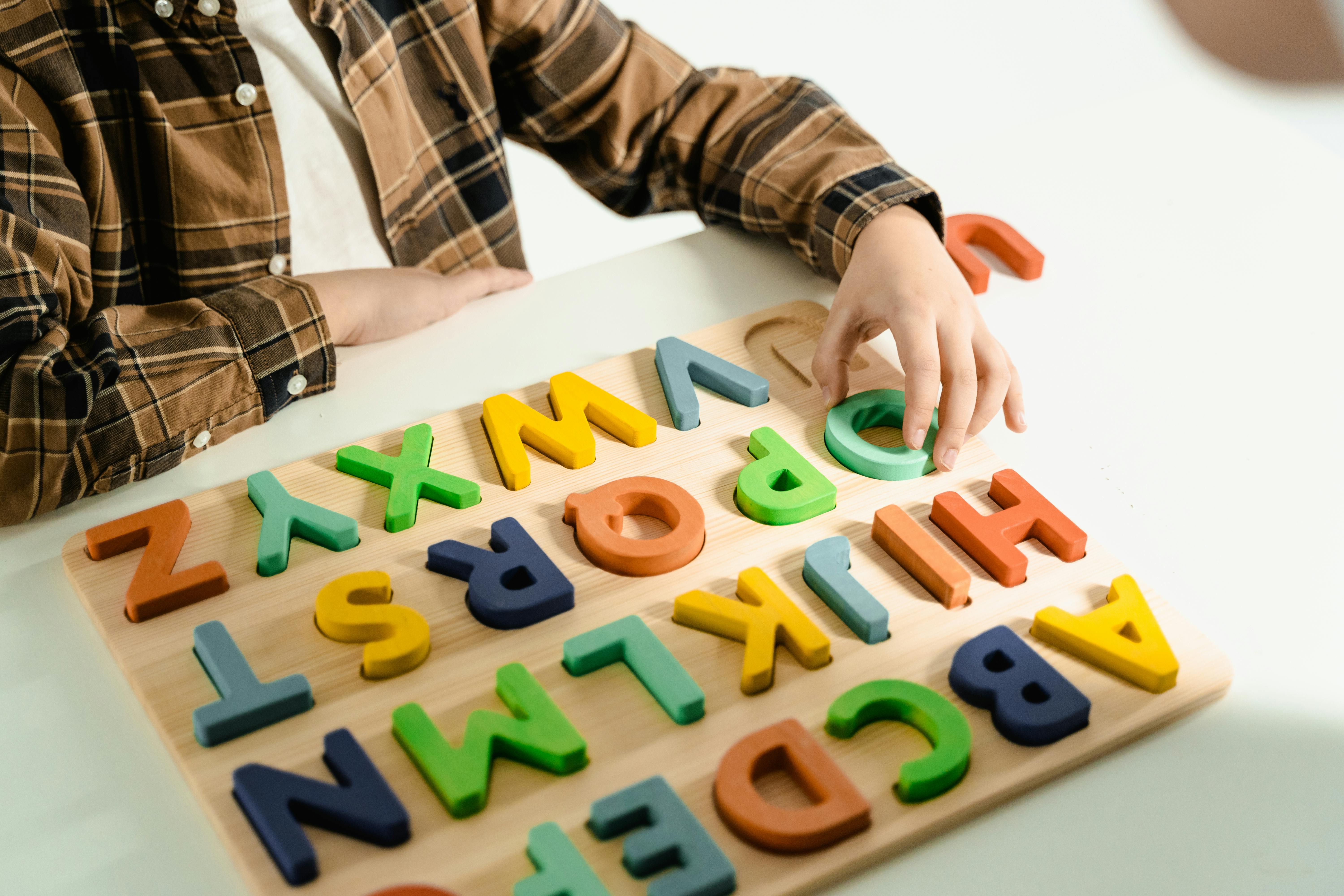
One of the fastest-growing segments in recent years has been educational toys.
Modern parents increasingly view toys as tools that can support cognitive development, creativity, problem-solving, and motor skills. As a result, educational products are no longer limited to classrooms.
Many families actively search for toys that combine learning with entertainment.
Popular categories include:
- STEM toys
- Science experiment kits
- Coding toys
- Building blocks
- Puzzle games
- Montessori-inspired toys
- Early learning products
- Sensory toys
The growth of educational toys presents significant opportunities for businesses that can offer products aligned with modern parenting priorities.
Rather than simply entertaining children, these toys help develop valuable skills while maintaining strong play value.
Outdoor Play Is Making a Strong Comeback
While digital devices continue to occupy children's attention, many parents are actively encouraging outdoor activities.
This shift has created growing demand for:
- Water guns
- Bubble toys
- Sports toys
- Ride-on vehicles
- Beach toys
- Flying toys
- Outdoor games
- Sand play sets
Parents increasingly recognize the importance of physical activity and outdoor exploration.
As a result, outdoor toy categories continue to perform well in many markets, particularly during spring and summer seasons.
For toy buyers, outdoor products often provide excellent opportunities because they encourage repeat purchases and seasonal merchandising strategies.
Licensed Products Continue to Drive Sales
Movies, television shows, video games, streaming content, and social media trends continue to influence toy purchasing decisions.
When a popular character captures children's attention, demand for related products can increase rapidly.
Licensed toys remain one of the most effective ways to attract consumers because they combine familiar characters with existing emotional connections.
Popular opportunities often emerge from:
- Animated films
- Children's television programs
- Gaming franchises
- Online content creators
- Collectible character brands
Businesses that closely monitor entertainment trends can often identify high-potential opportunities before they become mainstream.
Collectible Toys Are Expanding Beyond Traditional Markets
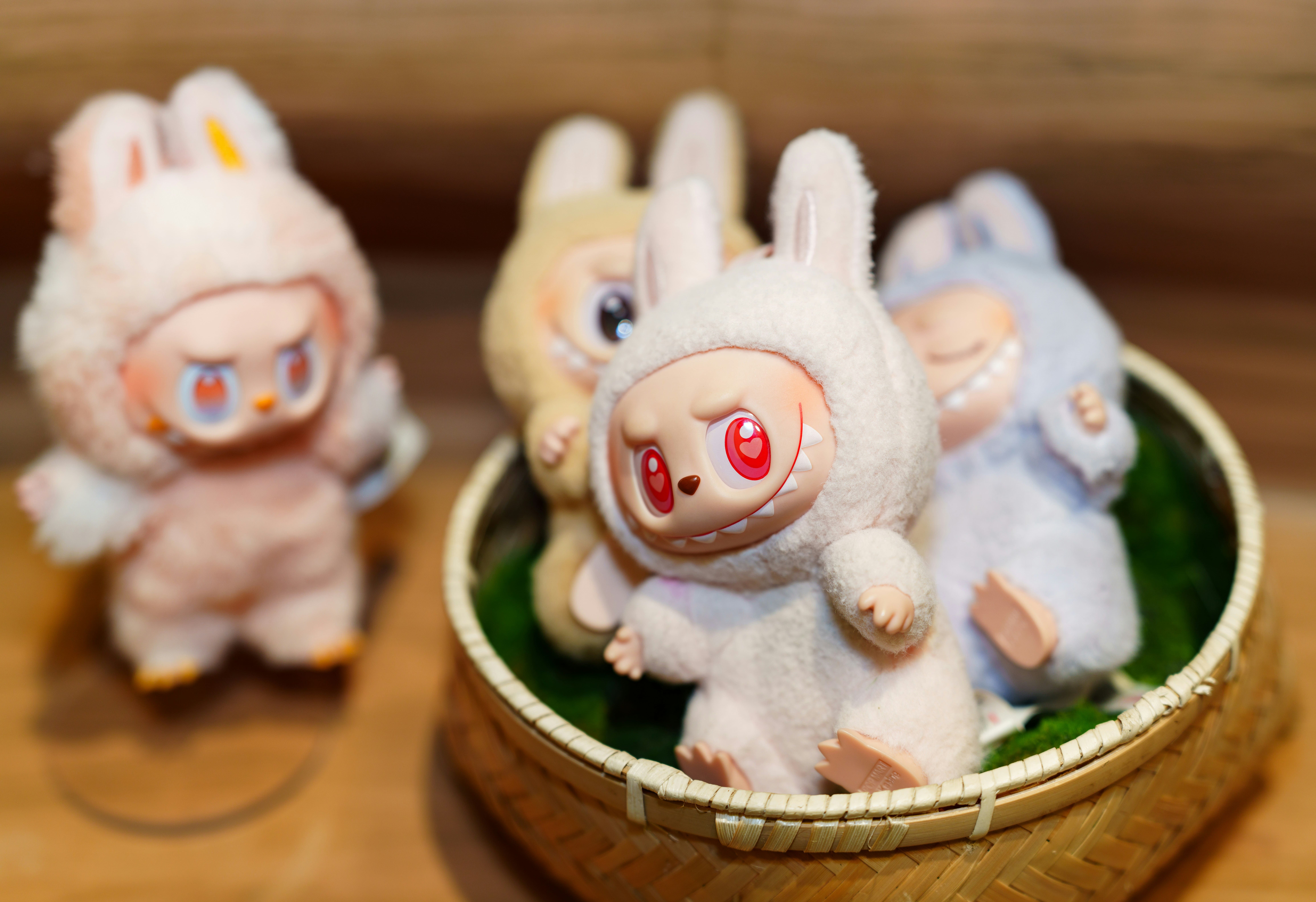
Collectible toys are no longer limited to children.
Teenagers and adults increasingly participate in collecting activities, creating entirely new customer segments.
This trend has contributed to the growth of:
- Blind box toys
- Designer collectibles
- Limited editions
- Character figures
- Hobby collectibles
- Miniature toys
- Trading collectibles
The rise of social media has accelerated this trend significantly.
Consumers frequently share collections online, creating organic marketing and encouraging additional purchases.
For businesses, collectibles often generate repeat buying behavior because consumers seek to complete sets or obtain rare items.
Innovation Creates New Opportunities Every Year
Another reason the toy industry remains attractive is its constant innovation.
New concepts are introduced every season.
Manufacturers continuously explore:
- Interactive technology
- Artificial intelligence integration
- Motion sensors
- Voice interaction
- Light and sound features
- Smart educational functions
- Augmented reality experiences
Even traditional toy categories are evolving.
Even traditional toy categories continue to evolve. Features such as app connectivity, gesture control, voice interaction, programmable functions, and enhanced interactive play experiences are becoming increasingly common in products that were once relatively simple.
This ongoing innovation helps keep the market dynamic and creates opportunities for businesses willing to identify emerging trends early.
E-Commerce Has Opened New Sales Channels
The growth of e-commerce has transformed how toys reach consumers.
In the past, many toy brands depended primarily on physical retail stores.
Today, businesses can reach customers through:
- Online marketplaces
- Direct-to-consumer websites
- Social commerce platforms
- Livestream selling
- Mobile shopping applications
This expanded access lowers barriers to entry for many businesses.
Smaller retailers can now compete alongside larger organizations by focusing on niche categories, unique products, or specialized customer groups.
For B2B companies, this also creates opportunities to introduce new products more quickly than traditional retail channels.
Why the Future Still Looks Bright
Despite economic fluctuations, supply chain challenges, and changing consumer habits, the toy industry has repeatedly demonstrated its resilience.
Children will continue to play.
Parents will continue to invest in learning, creativity, and entertainment.
New toy trends will continue to emerge.
And for businesses that can identify the right products at the right time, significant opportunities still lie ahead.
Whether you are a distributor expanding your product range, a retailer searching for the next best-selling item, an importer looking for reliable sourcing solutions, or an e-commerce seller exploring new categories, the toy market continues to offer room for growth.
The key is finding products that align with consumer demand, adapting quickly to changing trends, and working with suppliers who understand the market.
Companies that do this successfully are often the ones that discover opportunities before their competitors and build stronger positions in their markets.
Why More Buyers Choose Zhorya
If you are looking to capitalize on the opportunities within today's toy industry, choosing the right sourcing partner can make a significant difference.
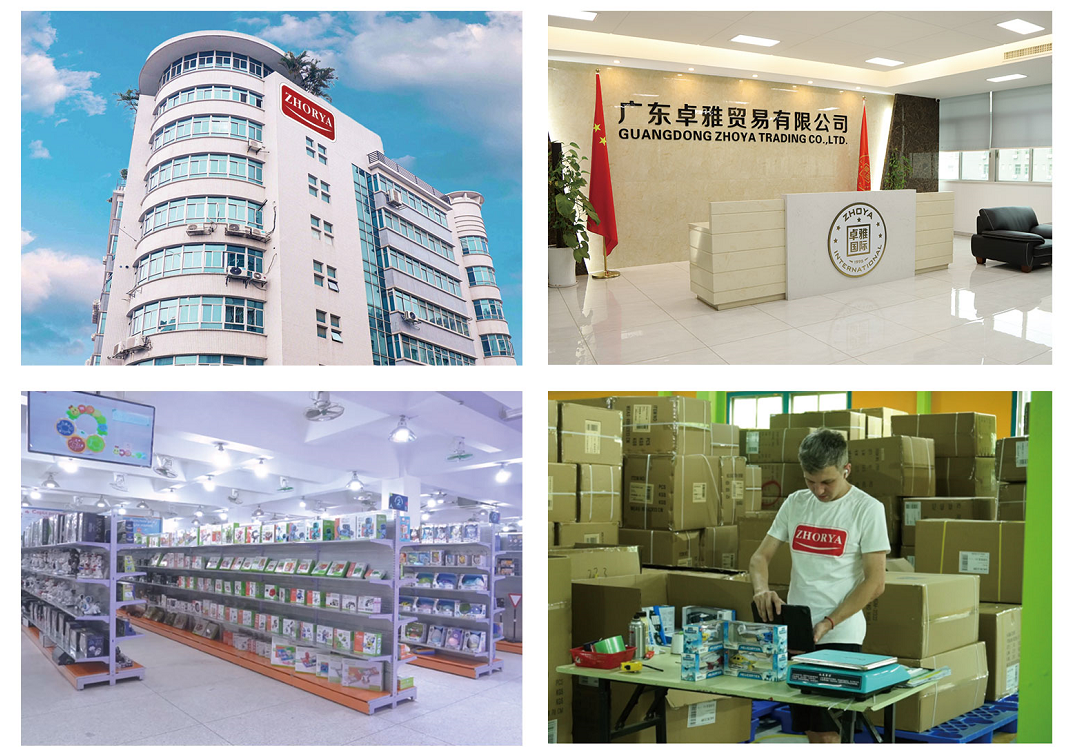
Based in China, Zhorya offers access to more than 1.9 million toy products covering a wide range of categories, including educational toys, RC toys, battery-operated toys, toy vehicles, dolls, outdoor toys, water guns, playsets, and seasonal items. With decades of experience serving global buyers, Zhorya helps importers, distributors, retailers, and e-commerce sellers discover products that align with current market trends and customer demand.
In addition to a broad product selection, Zhorya supports customization options such as logo printing, packaging customization, product modifications, and exclusive development projects.
As new opportunities continue to emerge across the global toy market, finding the right products and sourcing strategy can make a significant difference. If you are exploring new toy categories or looking for reliable supply solutions, feel free to contact Zhorya to discuss your sourcing requirements.
Conclusion
The global toy market continues to show steady growth, supported by demand for educational products, outdoor play, collectibles, and ongoing product innovation. For businesses, the key is to stay close to market trends and respond quickly to changing consumer preferences. With a wide product range and sourcing support, Zhorya can be one of the options for buyers looking to explore new opportunities in the toy industry.