Login
Join Free
Categories
All Categories
All
My Orders
Wish
Cart
0m³/0m³

English
English
 Русский язык
 中文
中文
Toy Categories With Low Return Rates: A Smarter Way to Build a Profitable Toy Business
2026-08-06 09:00:40
Returns are one of the hidden costs that can significantly reduce profits in the toy business. While sales numbers often receive the most attention, return rates directly affect inventory planning, logistics expenses, customer satisfaction, and long-term business performance.
For wholesalers, importers, distributors, retailers, and e-commerce sellers, choosing products with naturally lower return rates is one of the simplest ways to improve operational efficiency. A product that generates fewer complaints usually requires less customer service, creates fewer shipping costs, and helps maintain stronger customer reviews.
Although no toy category can completely eliminate returns, some categories consistently perform better because they have fewer technical issues, simpler user experiences, and broader customer acceptance.
This guide explores the toy categories that generally experience lower return rates, explains why they perform well, and provides practical tips for selecting products that support long-term business success.
Why Return Rates Matter More Than Many Buyers Realize
Every returned product creates multiple layers of cost.
Besides refunding the customer, businesses may also face:
- Additional shipping expenses
- Inspection and repackaging costs
- Damaged packaging that prevents resale
- Lower customer satisfaction
- Reduced marketplace ratings
- Increased warehouse workload
For online sellers, high return rates may also affect platform performance metrics, advertising efficiency, and repeat purchase rates.
Reducing returns isn't simply about avoiding losses—it helps create a healthier, more scalable business.
What Usually Causes Toy Returns?
Understanding why toys are returned helps buyers choose better categories.
Some of the most common reasons include:
- Products don't match customer expectations
- Assembly is difficult
- Electronic functions fail
- Batteries are missing or incompatible
- Product images exaggerate actual size
- Parts are easily damaged during shipping
- Age recommendations are unclear
- Instructions are confusing
Interestingly, many returns are not caused by manufacturing defects. Instead, they result from mismatched expectations or unnecessary product complexity.
This is why simpler toy categories often outperform complicated ones.
1. Building Blocks
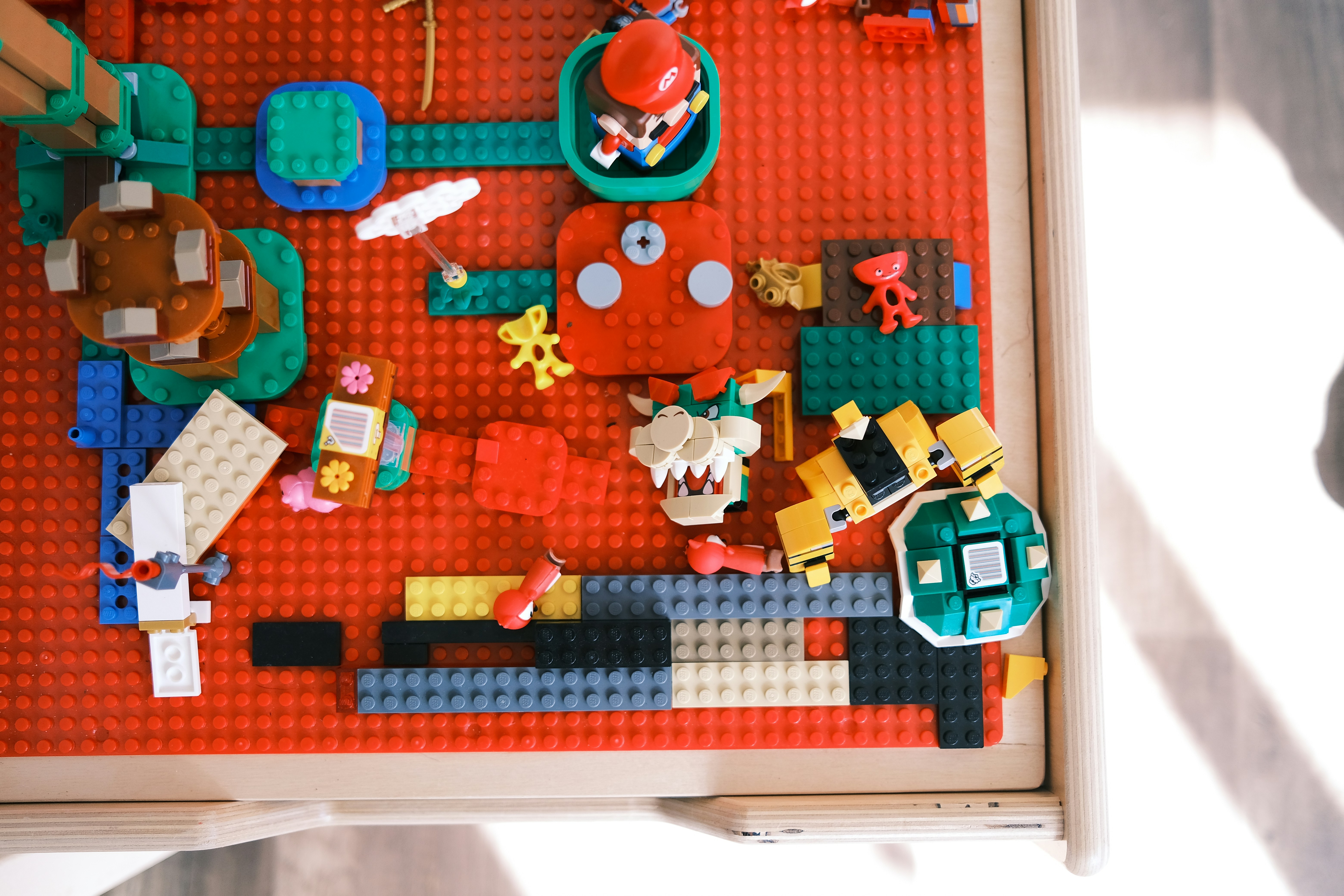
Building blocks have remained one of the most reliable toy categories for decades.
Their popularity comes from several advantages:
- Durable plastic construction
- Minimal moving parts
- Easy storage
- Long play value
- Suitable for various age groups
Since the products are primarily static pieces rather than mechanical systems, there are fewer opportunities for functional failure.
Parents also understand exactly what they are purchasing, reducing expectation gaps that often lead to returns.
For wholesale buyers, building blocks offer stable demand throughout the year, making them a dependable inventory choice.
2. Plush Toys
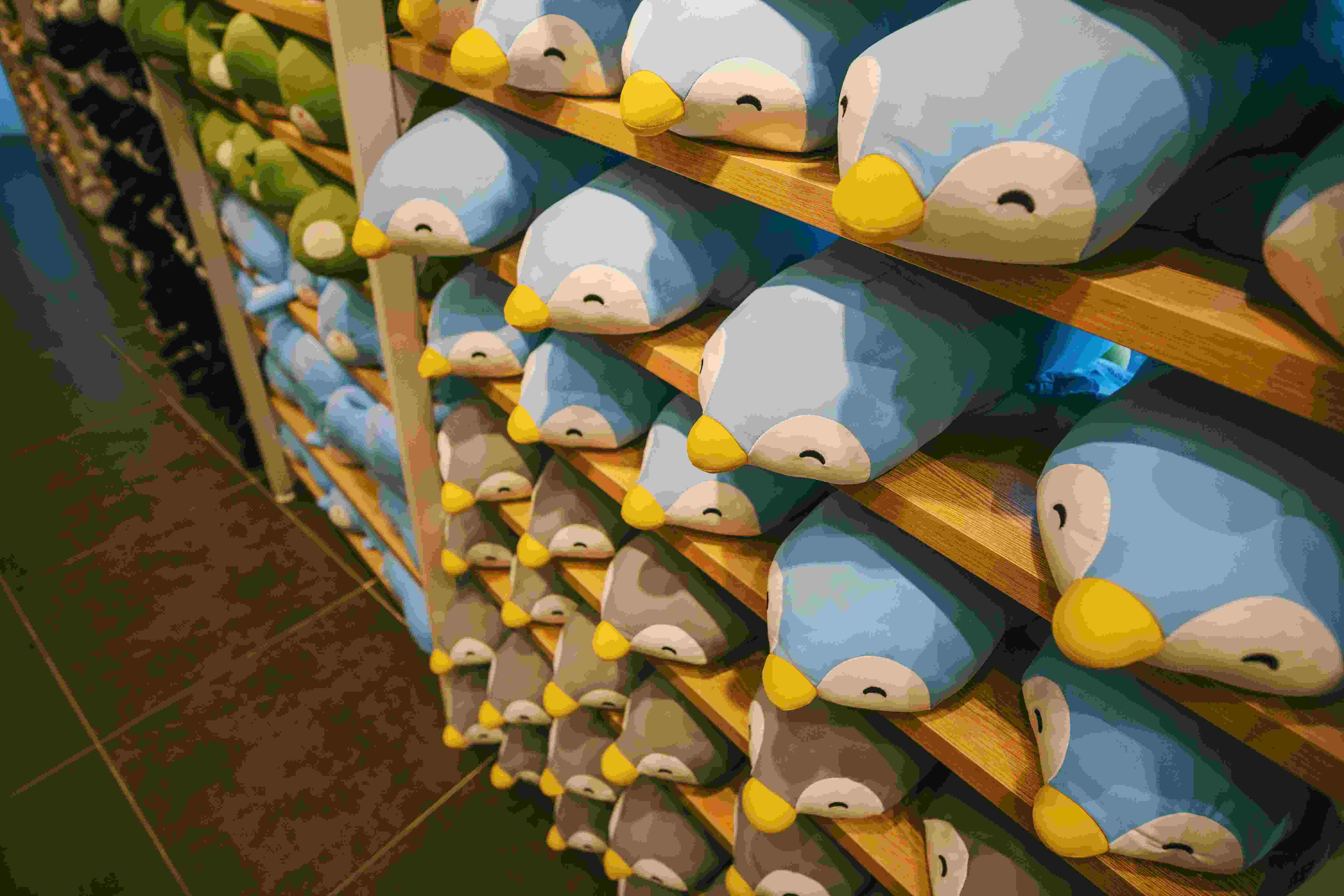
Plush toys consistently maintain relatively low return rates.
Several characteristics contribute to their strong performance:
- Soft materials rarely break during normal use.
- Customers can immediately understand the product.
- Gift buyers appreciate their universal appeal.
High-quality stitching and soft fabrics are usually enough to satisfy customer expectations.
When selecting plush toys, buyers should focus on:
- Secure stitching
- Child-safe materials
- Washable fabrics
- Attractive character designs
Because these products rely more on comfort than functionality, returns related to performance are uncommon.
3. Classic Dolls
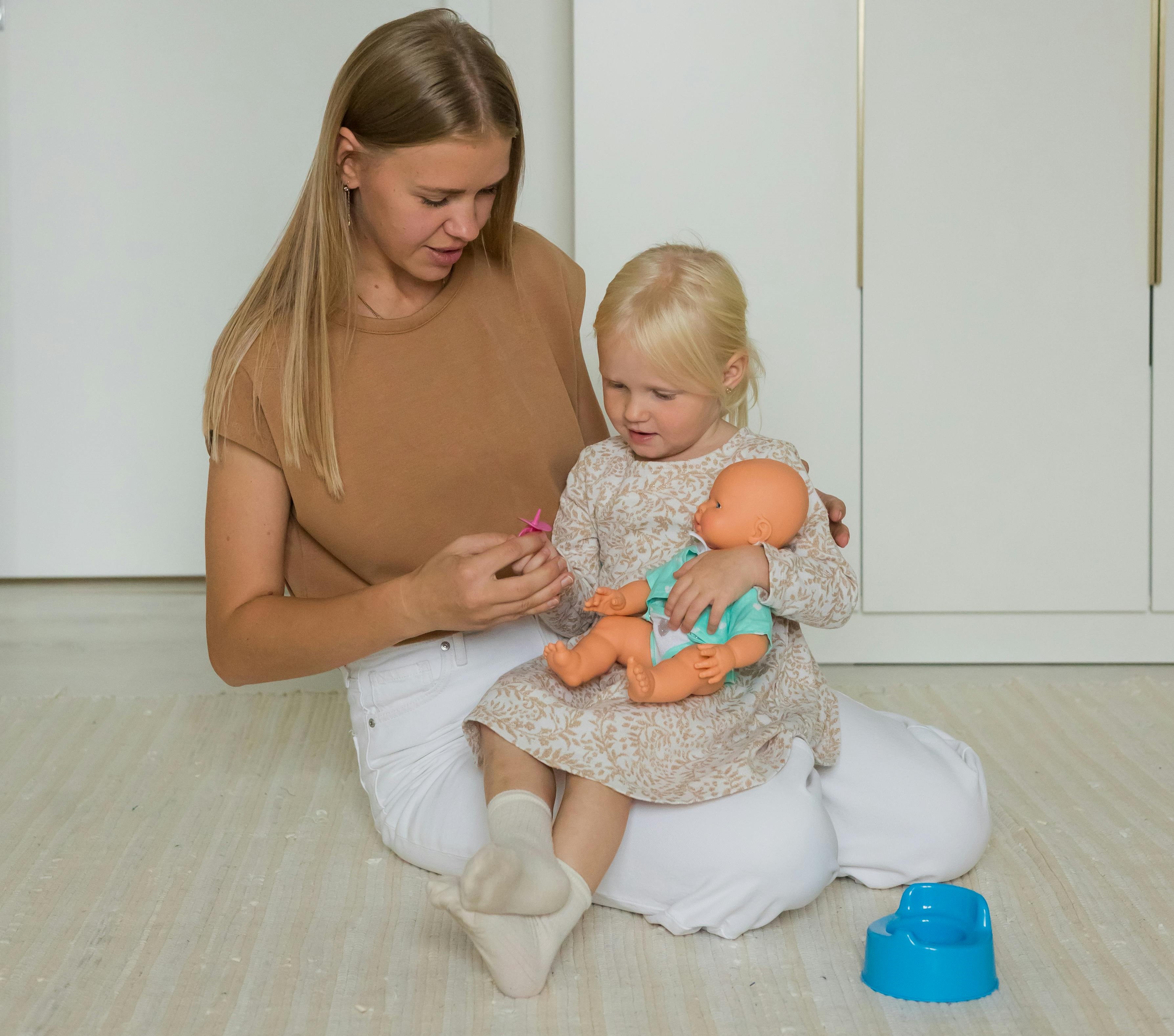
Traditional dolls continue to perform well across many markets.
Unlike feature-rich electronic dolls, classic dolls contain fewer components that can fail.
Popular products include:
- Fashion dolls
- Baby dolls
- Dress-up dolls
- Family doll sets
Parents typically purchase these products knowing exactly what they will receive, resulting in fewer surprises after delivery.
Simple accessories also reduce the chance of missing parts.
4. Arts and Crafts Toys
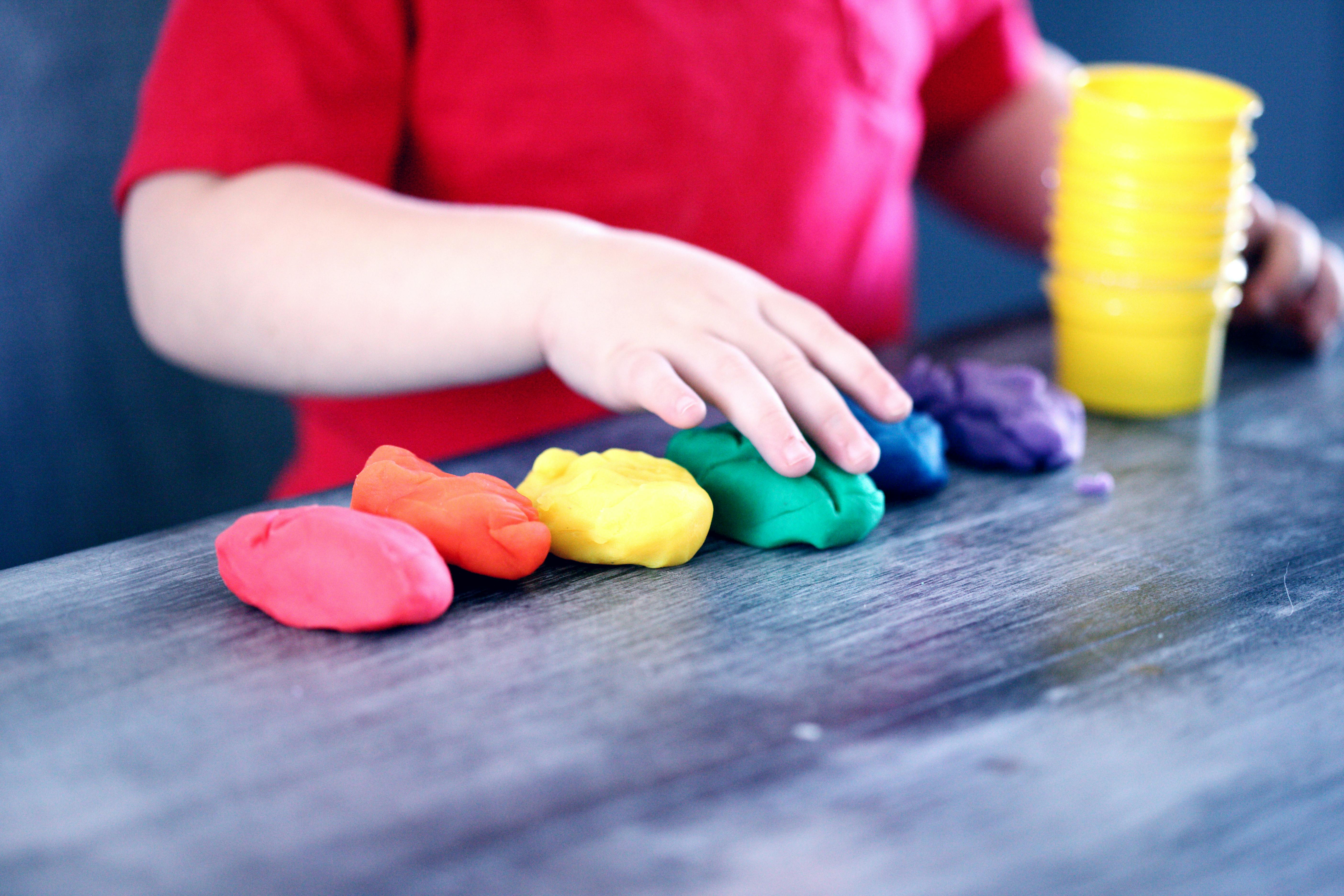
Creative activity toys generally generate positive customer satisfaction because children focus on the experience rather than complicated product features.
Examples include:
- Drawing sets
- Clay kits
- DIY craft projects
- Painting activities
- Sticker books
These toys encourage creativity while avoiding complicated mechanical structures.
The key is selecting kits with clearly organized components and complete instructions.
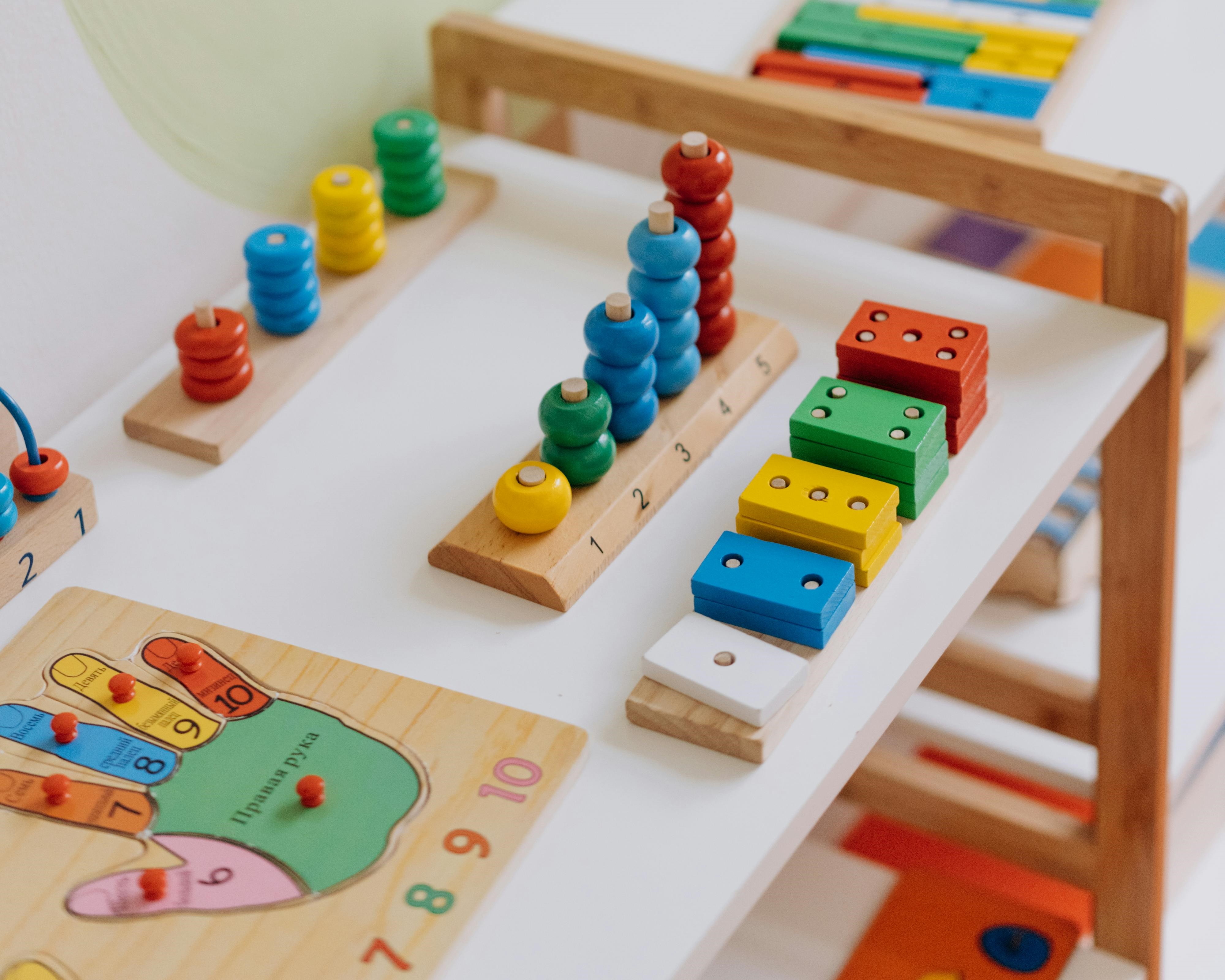
5. Wooden Educational Toys
Wooden toys have gained increasing popularity among parents seeking durable, long-lasting play experiences.
Common products include:
- Shape sorters
- Alphabet puzzles
- Number boards
- Stacking toys
- Balance games
Wood is naturally durable and less prone to breakage compared with fragile electronic components.
Additionally, educational value often increases customer satisfaction, reducing the likelihood of returns.
6. Puzzle Games
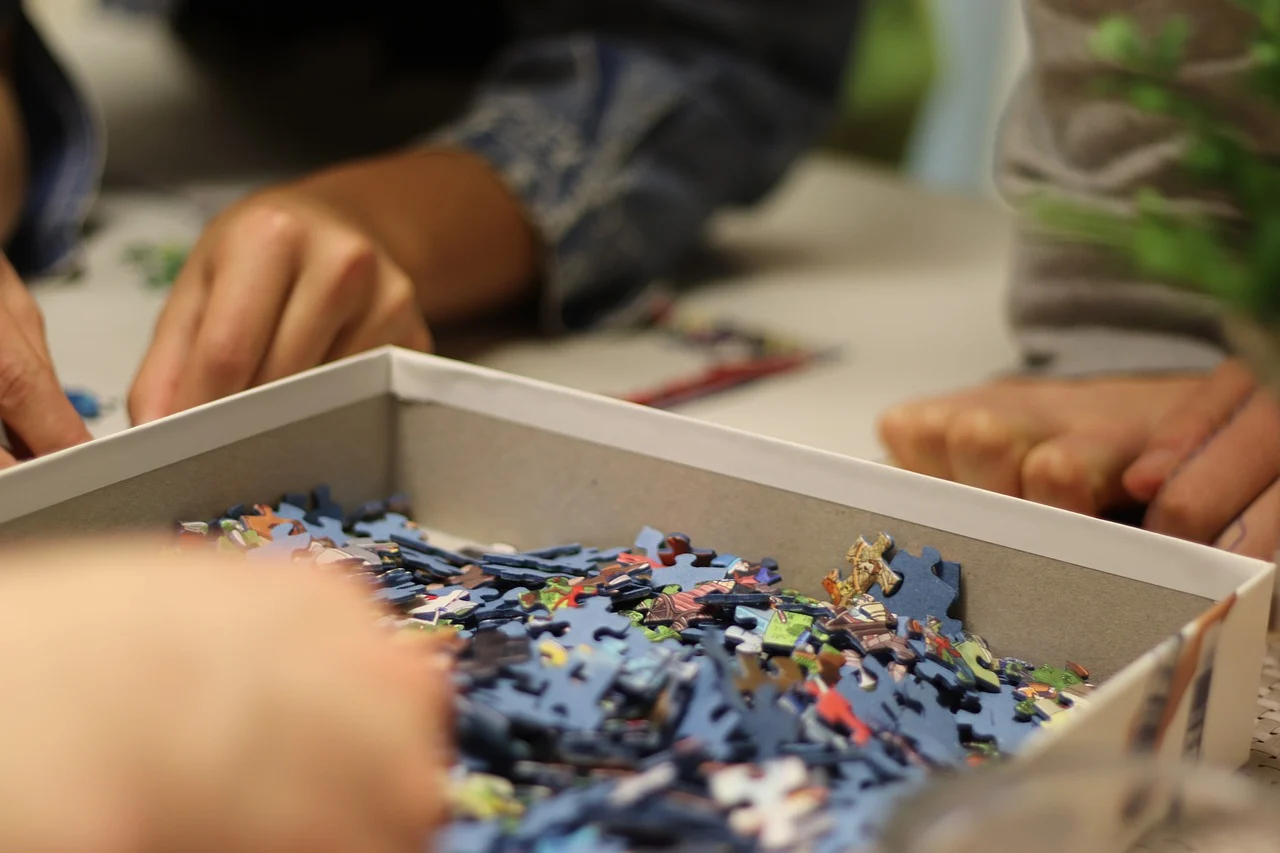
Puzzles remain one of the most dependable categories in the toy industry.
Their advantages include:
- Straightforward product expectations
- High perceived value
- Educational benefits
- Excellent durability
When manufactured with quality printing and accurate die-cutting, puzzles rarely experience product-related complaints.
Packaging quality is especially important because damaged boxes can affect customer perception.
7. Pretend Play Sets
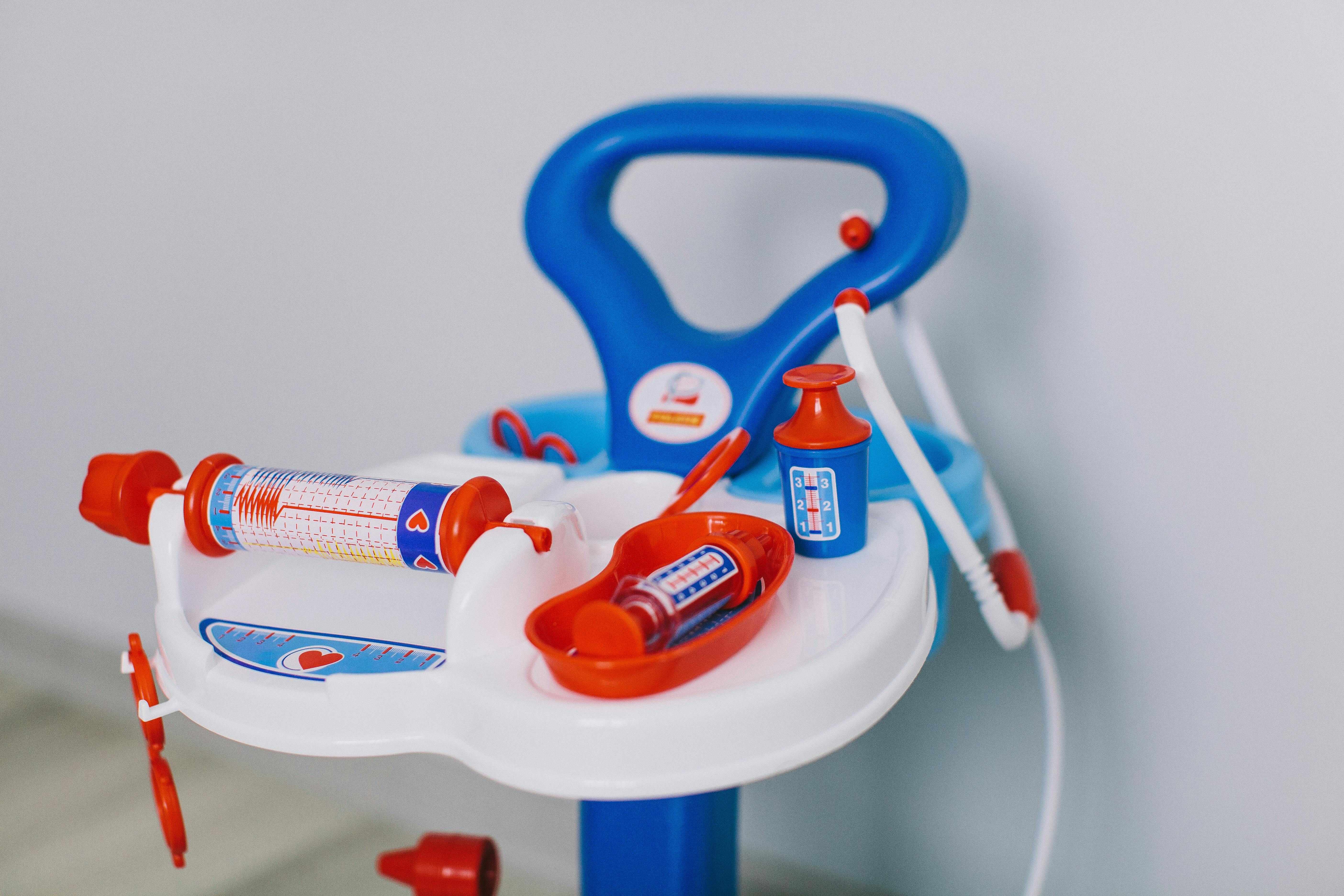
Pretend play encourages imagination without requiring complicated technology.
Popular examples include:
- Kitchen play sets
- Doctor kits
- Tool sets
- Tea sets
- Grocery shopping sets
Children immediately understand how to use these toys.
As long as the accessories are complete and durable, customer satisfaction tends to remain high.
8. Outdoor Sports Toys
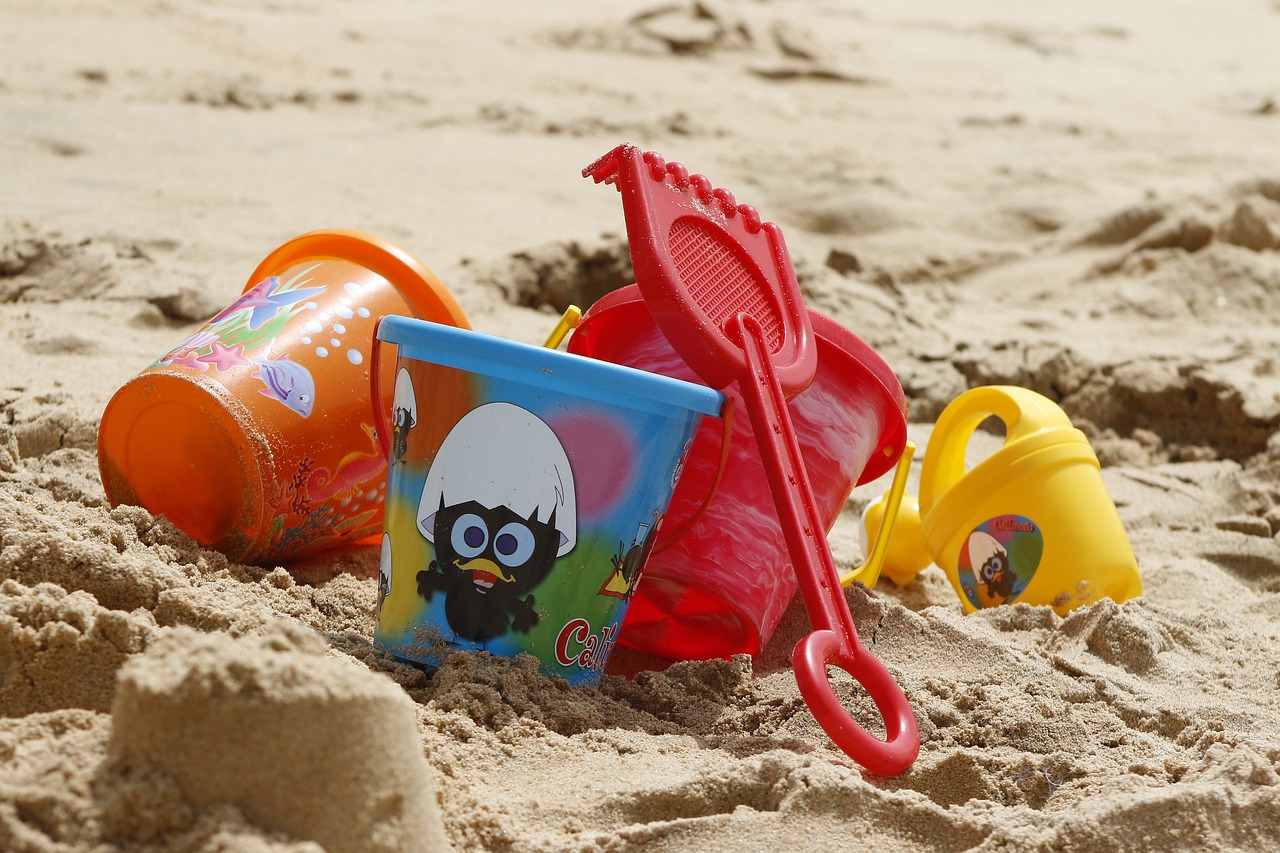
Simple outdoor toys generally produce relatively low return rates because they focus on physical activity rather than technical functions.
Examples include:
- Flying discs
- Jump ropes
- Beach toys
- Catch games
- Foam sports equipment
These products are durable, lightweight, and easy for customers to evaluate before purchase.
Seasonal demand can also create strong sales opportunities.
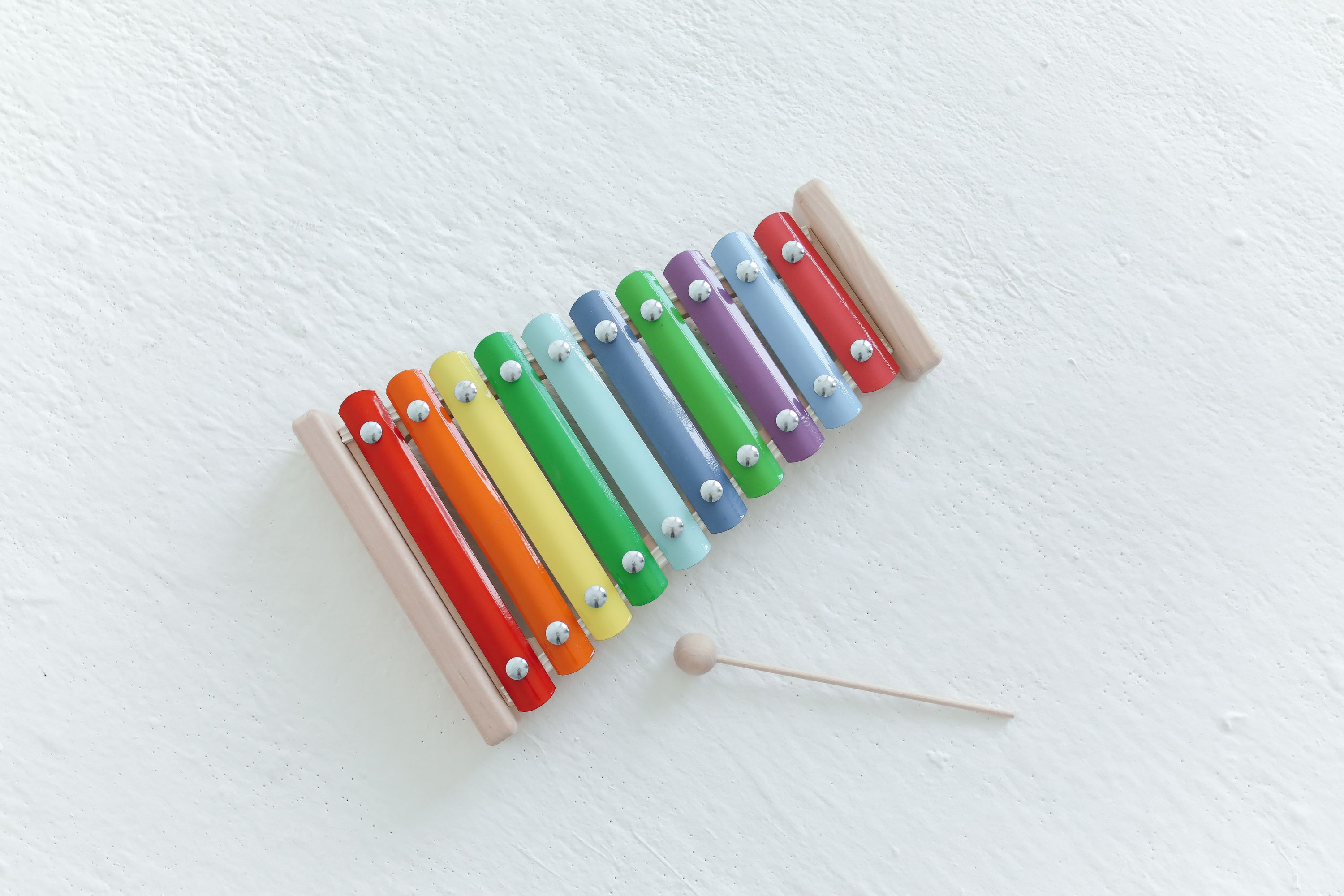
9. Musical Toys Without Complex Electronics
Basic musical toys often perform better than advanced electronic instruments.
Examples include:
- Tambourines
- Maracas
- Xylophones
- Hand drums
Because these products rely on simple construction instead of electronic systems, there are fewer technical failures.
Customers also understand their purpose immediately.
10. Simple RC-Free Vehicle Toys
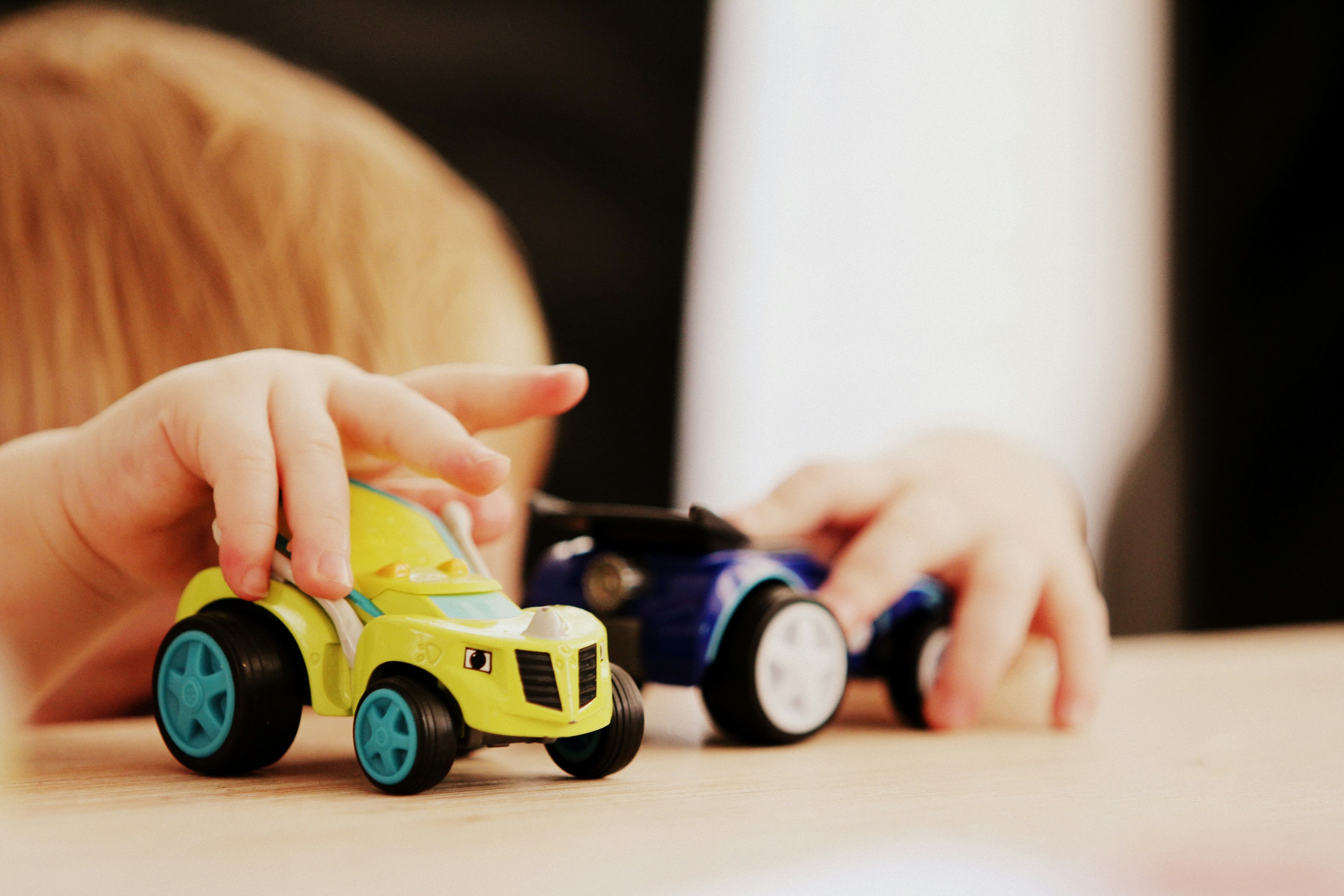
Not every vehicle toy requires remote controls.
Push-and-go cars, construction vehicles, friction-powered trucks, and die-cast cars often experience fewer returns than battery-powered alternatives.
Benefits include:
- No charging issues
- No battery compatibility concerns
- Fewer electronic components
- Better durability
For many younger children, simple play patterns are actually preferred.
Characteristics Shared by Low-Return Toy Categories
Despite their differences, these categories share several important qualities.
Simple Product Experience
Customers immediately understand what the toy does.
There is little learning curve, reducing disappointment after purchase.
Fewer Mechanical Components
Every additional motor, sensor, circuit board, or battery compartment increases the possibility of failure.
Simple construction generally means fewer defects.
Durable Materials
High-quality plastics, wood, fabric, and foam often withstand transportation and everyday play better than delicate electronic assemblies.
Clear Age Suitability
Products designed for well-defined age groups help parents choose correctly.
Clear age recommendations reduce accidental purchases.
Consistent Product Quality
Reliable manufacturing standards reduce variation between production batches.
Consistency builds trust among retailers and end customers.
How Wholesale Buyers Can Further Reduce Return Rates
Choosing the right category is only the first step.
Professional buyers can reduce returns even further by following several best practices.
Work with Reliable Suppliers
Experienced suppliers typically have stronger quality management systems, better production consistency, and more comprehensive product inspections.
Long-term partnerships often result in fewer unexpected quality issues.
Review Product Testing Standards
Depending on your target market, products should comply with relevant safety requirements.
Products that meet recognized testing standards are generally more reliable and inspire greater customer confidence.
Inspect Samples Before Large Orders
Always evaluate samples for:
- Material quality
- Packaging
- Paint finish
- Accessories
- Instructions
- Durability
Early evaluation helps identify potential issues before mass production.
Choose Accurate Product Images
Many customer returns happen because product photos create unrealistic expectations.
Use images that accurately represent:
- Product size
- Colors
- Included accessories
- Packaging
- Features
Honest presentation often improves customer satisfaction.
Invest in Better Packaging
Protective packaging reduces shipping damage.
Strong cartons, proper internal support, and clear labeling help products arrive in excellent condition.
Looking Beyond Return Rates
Although minimizing returns is important, buyers should also consider:
- Long-term market demand
- Repeat purchase potential
- Product safety
- Educational value
- Profit margins
- Seasonal opportunities
- Brand compatibility
The ideal product combines low return rates with consistent consumer demand and reliable supply.
Balancing these factors helps build a more resilient toy business over time.
Partner with Zhorya for Reliable Wholesale Toys
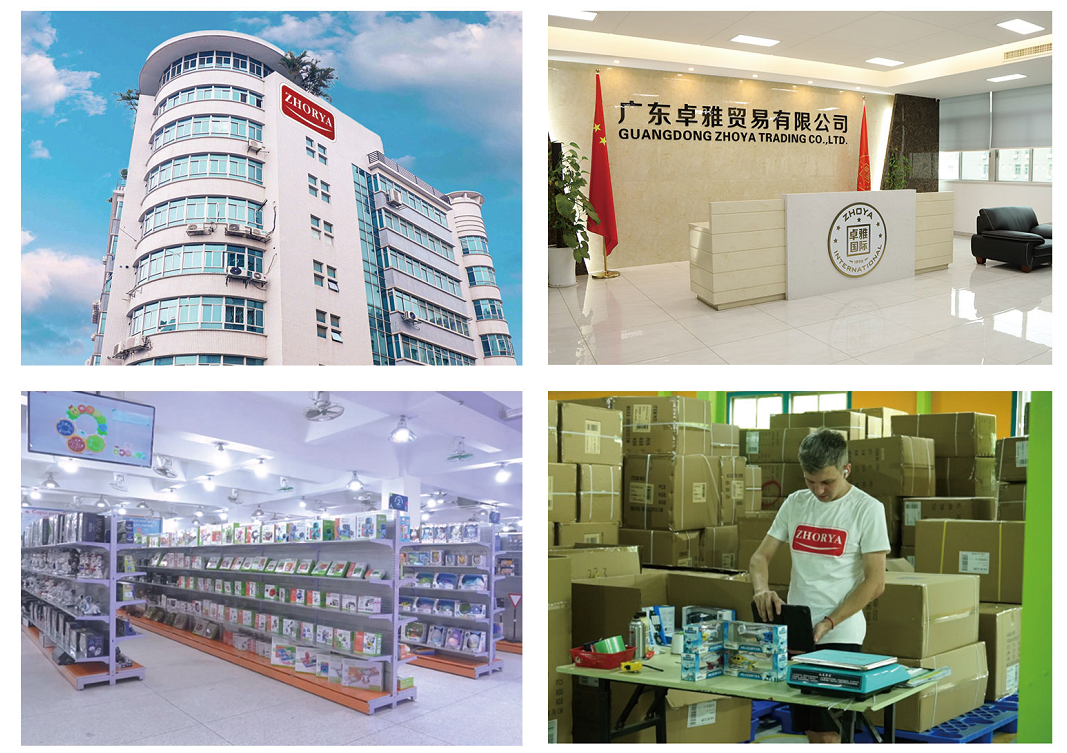
Selecting toy categories with naturally low return rates is only part of building a successful business. Working with an experienced wholesale partner is equally important. Zhorya is a China-based toy supplier with over 30 years of industry experience, offering access to more than 2 million SKUs across categories such as educational toys, building blocks, plush toys, dolls, outdoor toys, RC toys, and much more.
Every sourcing project is supported by strict product selection, quality inspections, and compliance with major international safety standards, helping customers reduce quality-related issues and purchase with greater confidence. Whether you are an importer, distributor, retailer, or e-commerce seller, Zhorya can help you source reliable, market-ready products that support long-term growth while minimizing unnecessary returns.
Explore our extensive wholesale toy collection and discover how Zhorya can become your trusted sourcing partner for your next successful product line.
Conclusion
Reducing return rates starts with making smarter product choices. Categories such as building blocks, plush toys, puzzles, wooden educational toys, pretend play sets, and classic dolls have consistently demonstrated strong customer satisfaction because they are durable, easy to understand, and less dependent on complex electronics. Combined with careful supplier selection, accurate product information, and effective quality control, these categories can help businesses lower operational costs while creating a better buying experience. A well-balanced assortment built around reliable products is not only easier to manage—it also lays the foundation for sustainable, long-term growth.