Login
Join Free
Categories
My Orders
Wish
Cart
0m³/0m³

English
English
 Русский язык
 中文
中文
Toy Categories With High Repeat Purchase Potential
2026-09-07 08:55:14
For a toy business, the first purchase is only part of the opportunity. Some toy categories naturally encourage customers to return because the product experience does not end with one item. A child may want another character, a larger building set, a new puzzle, a different doll outfit or another craft activity. Parents may also return as children grow, interests change or new gifting occasions appear.
This makes repeat purchase potential an important consideration when planning a toy assortment.
However, repeat purchase potential does not simply mean that a toy is popular. A product can sell quickly without creating a reason for another purchase. The stronger opportunity comes from categories where there is a built-in reason to expand, replace, collect, progress or refresh the assortment.
For toy businesses, understanding these mechanisms can make category planning more strategic. Instead of looking only at individual products, it is useful to consider which categories can naturally generate multiple purchasing occasions over time.
Below are several toy categories with particularly strong repeat purchase potential and the reasons behind their purchasing cycles.
What Makes a Toy Category Suitable for Repeat Purchases?
Before looking at specific categories, it helps to separate repeat purchasing from simple product popularity.
A toy category tends to have stronger repeat purchase potential when at least one of these characteristics is present:
-
Collectability: Customers want multiple designs, characters or themes.
-
Expandability: One product creates a reason to add compatible products.
-
Age progression: Children move into more advanced versions as they grow.
-
Consumable components: Activities require materials or replacement parts.
-
Giftability: The category works across birthdays, holidays and other occasions.
-
Novelty: New themes, designs or seasonal versions encourage another purchase.
-
Replacement: Small parts can be lost, used frequently or damaged.
-
Interest variation: Customers may want different styles even within the same category.
The strongest categories often combine several of these factors rather than depending on just one.
Toy Categories With High Repeat Purchase Potential
1. Building Sets and Construction Toys
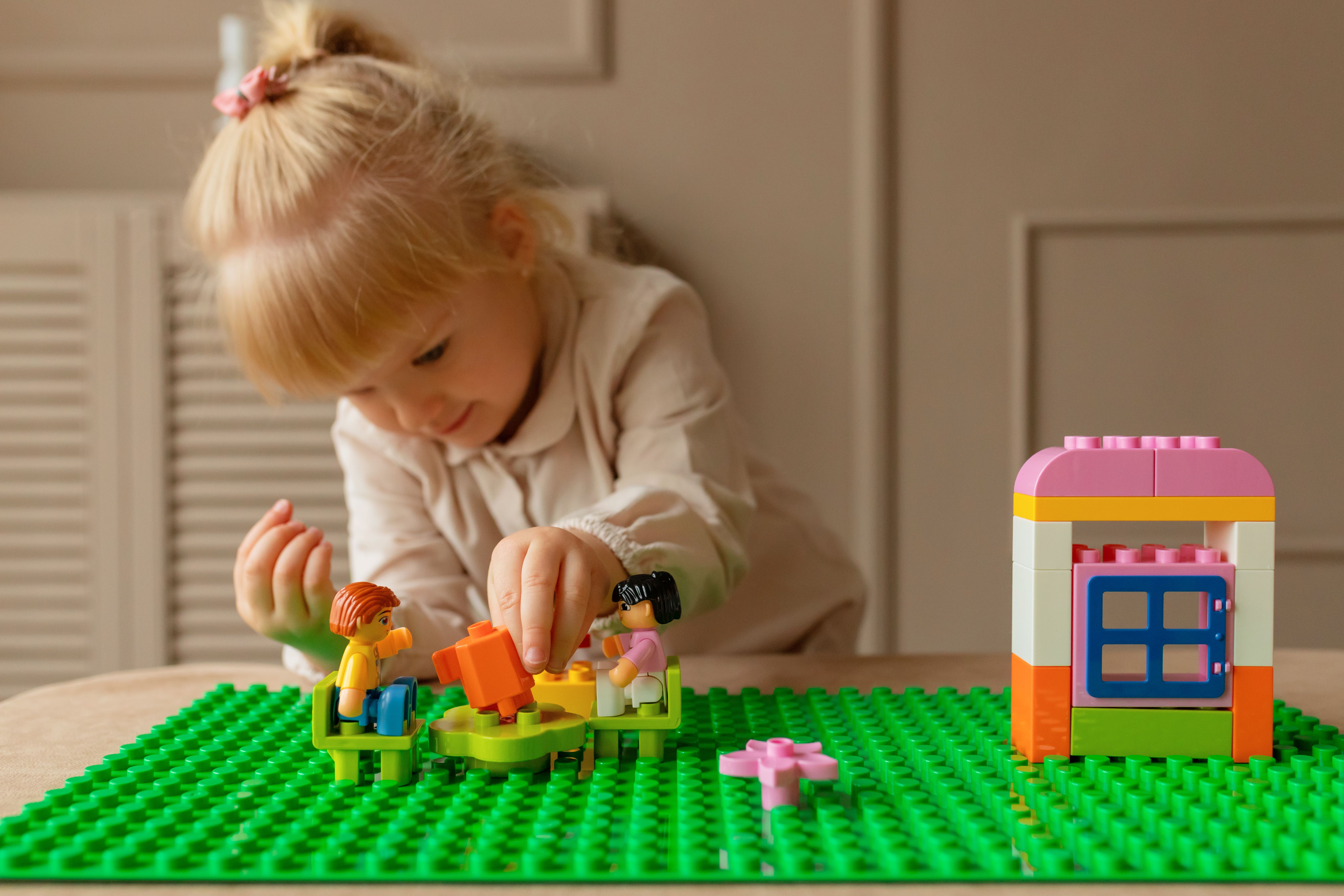
Building toys are one of the clearest examples of a category where the first purchase can lead to additional purchases.
A customer who already owns one building set may want another set with a different theme, more pieces or a different construction challenge. Smaller sets can also serve as entry-level products, while larger sets provide a natural progression.
The repeat-purchase mechanism is therefore based on expansion and variety, rather than replacement.
Different types of construction toys can create different purchasing patterns, including:
-
Building blocks
-
Magnetic blocks
-
Mini construction sets
-
Building bricks
-
Vehicle construction sets
-
Engineering-themed building toys
-
Character or themed construction kits
For merchandising purposes, it can be useful to offer several price levels within the same category. A small construction set can attract an initial purchase, while larger or more detailed sets provide opportunities for later purchases.
Another advantage is that construction toys can appeal to different age groups. A simple block set and a more advanced construction kit may belong to the same broad category while serving different stages of development.
This gives the category more room for age-based progression, which is another important source of repeat demand.
2. Collectible Toys and Small Character-Based Products
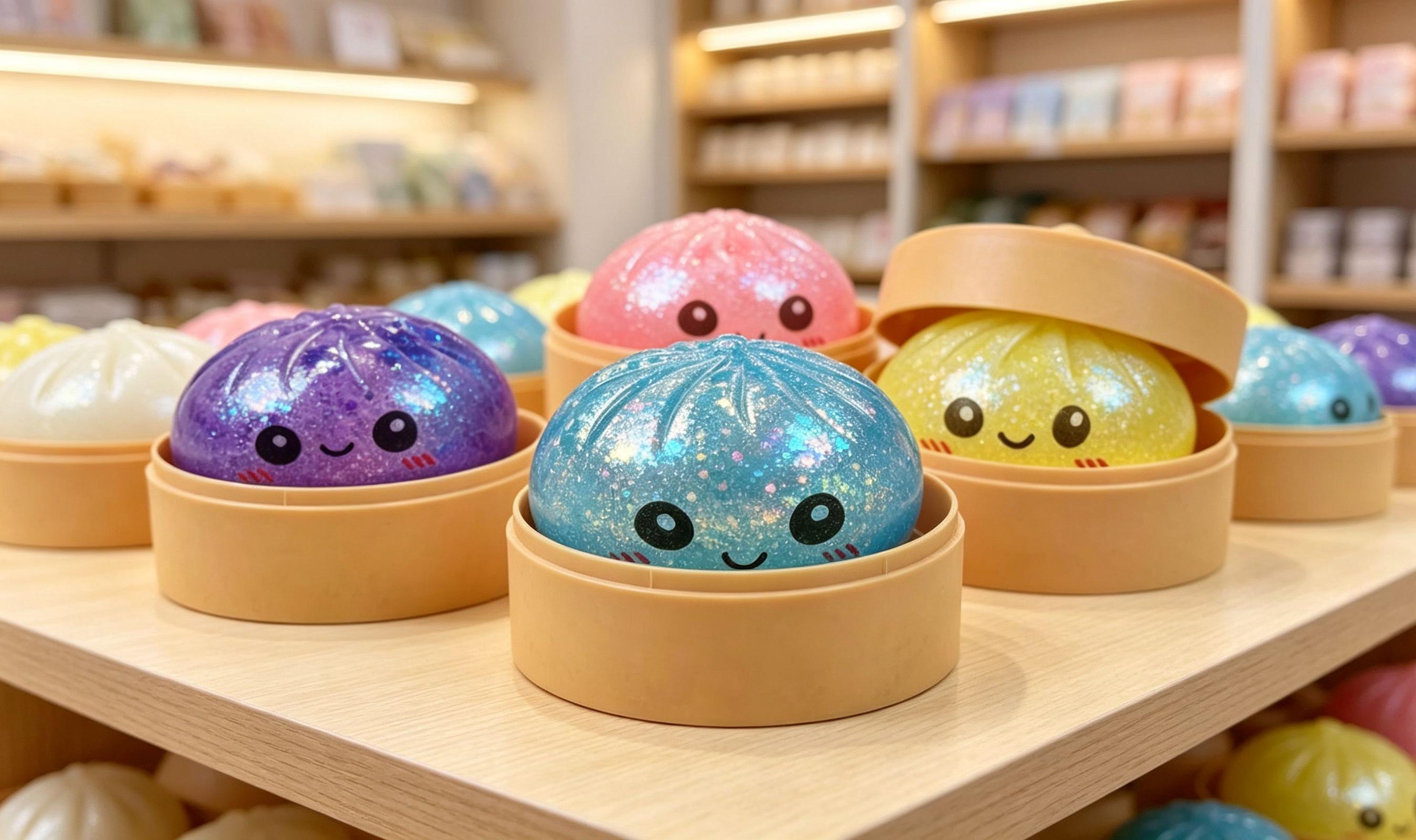
Collectibles are designed around one of the strongest repeat-purchase behaviors: the desire to obtain more than one item.
When a category contains multiple characters, colors, designs, themes or variations, purchasing one product does not necessarily satisfy the customer. Instead, the first purchase can introduce the collection.
This can apply to:
-
Mini figures
-
Character toys
-
Blind-box style products
-
Small collectibles
-
Animal figures
-
Fantasy figures
-
Vehicle miniatures
-
Themed novelty toys
The key difference between a collectible category and a conventional toy is that variety itself becomes part of the product appeal.
This means product selection should not necessarily focus on one isolated SKU. A group of related designs can create a stronger merchandising concept.
Packaging and display can also influence this category. Small collectibles are often suitable for countertop displays, pegboards and compact merchandising areas, making it possible to present multiple variations without requiring substantial shelf space.
3. Dolls, Doll Accessories and Pretend-Play Sets
Dolls can generate repeat purchases through both character variety and accessories.
A customer may initially purchase one doll and later look for clothing, furniture, vehicles, playsets or another character. This creates an ecosystem around the original product.
The opportunity is therefore broader than simply selling different dolls.
A well-developed doll assortment can include:
-
Fashion dolls
-
Baby dolls
-
Mini dolls
-
Doll clothing
-
Doll accessories
-
Doll furniture
-
Doll vehicles
-
Pretend-play sets
Accessories are particularly important because they can create additional purchasing occasions without requiring the customer to replace the original doll.
This also makes dolls relevant for gift purchasing. A doll may be purchased as a birthday gift, while an accessory set can become a later gift for the same child.
For businesses planning a broader toy range, this kind of core product plus accessory structure can be more useful than treating every SKU as an independent product.
4. Arts, Crafts and Creative Activity Toys
Arts and crafts have a different repeat-purchase mechanism.
Instead of collecting finished products, customers return because they want another activity, another material set or another creative project.
Examples include:
-
DIY craft kits
-
Painting sets
-
Drawing kits
-
Jewelry-making kits
-
Modeling materials
-
Sticker craft sets
-
Bead sets
-
Creative activity boxes
The appeal of this category comes from project variety. Completing one activity does not necessarily reduce interest in the next one.
For this reason, a range can be organized around themes, skill levels, seasons or creative techniques. For example, one group may focus on painting, another on jewelry making and another on holiday crafts.
This gives a toy assortment multiple ways to introduce newness without completely changing the category.
It is also worth considering packaging size and price points. Smaller kits can work as accessible entry products, while more comprehensive activity sets can provide higher-value options.
5. Puzzles and Brain Games
Puzzles can encourage repeat purchases because customers rarely want to solve exactly the same challenge repeatedly.
Once someone has completed a puzzle, a different image, piece count or difficulty level provides a new experience.
The category can therefore support several forms of progression:
Different themes → different challenges → higher difficulty → different formats
This creates opportunities across:
-
Jigsaw puzzles
-
Wooden puzzles
-
3D puzzles
-
Logic games
-
Matching games
-
Brain teasers
-
Educational puzzle sets
For children's products, age and difficulty are particularly useful merchandising dimensions. A younger child may start with a simple puzzle with large pieces and later move toward more complex designs.
The repeat purchase is therefore connected to skill progression, not merely novelty.
6. Educational and Learning Toys
Educational toys can have strong repeat purchase potential when they address different learning activities or developmental stages.
For example, one customer may purchase a counting toy and later look for alphabet learning, shape recognition, language activities or more advanced educational games.
The important point is to avoid treating “educational toys” as one single product type.
The category can contain:
-
Early learning toys
-
STEM toys
-
Math learning toys
-
Language learning toys
-
Science experiment sets
-
Building and engineering toys
-
Montessori-style learning toys
-
Fine-motor activity toys
Age progression is particularly relevant here. A toy that is suitable for preschool learning may eventually be replaced by a more challenging product.
This creates a natural developmental purchasing cycle.
For businesses, that can make educational toys valuable as a category with depth rather than as a collection of unrelated products.
7. Outdoor and Active Play Toys
Outdoor toys can generate repeat purchases through seasonality, different activities and gifting occasions.
A customer who purchases one outdoor toy may later want another product for a different type of play.
Examples include:
-
Sports toys
-
Outdoor games
-
Water-play toys
-
Flying toys
-
Beach toys
-
Garden activity toys
-
Ride-on toys
-
Outdoor pretend-play products
Seasonality can add another layer to the purchasing cycle. Outdoor products may see stronger demand during warmer months, while different outdoor activities can become relevant during holidays and school breaks.
This means the category can benefit from seasonal assortment refreshes.
For product planning, it can be useful to consider whether products can be rotated by season rather than keeping exactly the same outdoor selection throughout the year.
8. Plush Toys and Giftable Soft Toys
Plush toys can encourage repeat purchases because they are highly giftable and available in many different characters, sizes, colors and themes.
A customer may purchase one plush toy for a birthday and later return for another gift. In other cases, a character or animal theme may encourage customers to build a small collection.
Potential subcategories include:
-
Animal plush
-
Character plush
-
Mini plush
-
Plush keychains
-
Seasonal plush
-
Novelty plush
-
Pillow-style plush
The repeat-purchase opportunity here is less about product expansion and more about occasion, collectability and emotional appeal.
Small plush products and plush keychains can also create additional options for customers who want a lower-priced giftable item.
9. Pretend-Play and Role-Play Toys
Pretend-play toys can generate repeat purchases because children often develop new play scenarios around familiar themes.
A child interested in pretend cooking may later want food accessories, kitchen tools or another role-play set. Someone interested in becoming a doctor may want a larger medical play kit or additional accessories.
Common themes include:
-
Doctor play
-
Kitchen play
-
Beauty and fashion play
-
Tool sets
-
Shopping role-play
-
Cleaning sets
-
Dress-up accessories
-
Occupation-themed toys
The repeat-purchase mechanism is primarily scenario expansion.
A single role-play set establishes a theme. Additional products can then expand the number of activities available within that theme.
10. Seasonal and Holiday-Themed Toys
Seasonal toys are naturally suited to repeat purchasing because the purchasing occasion returns.
Halloween, Christmas, Easter, summer holidays, back-to-school periods and other local events can create opportunities for assortment refreshes.
The products do not necessarily need to be identical from one year to the next. In fact, new designs and themes can encourage customers to purchase again.
Seasonal categories can include:
-
Holiday novelty toys
-
Small gift toys
-
Party favors
-
Themed plush
-
Seasonal craft kits
-
Outdoor summer toys
-
Holiday activity sets
The important merchandising principle is planned rotation. Seasonal demand can create a reason to introduce new products rather than relying on a permanent assortment.
How to Build a Toy Assortment Around Repeat Purchase Potential
Looking at individual categories is useful, but the bigger opportunity comes from combining different repeat-purchase mechanisms.
A balanced assortment might include:
Collect → Expand → Progress → Gift → Refresh
For example, collectible products encourage customers to acquire more variations. Building sets encourage expansion. Educational toys support age progression. Plush and small toys provide gift opportunities. Seasonal products create periodic reasons to refresh the assortment.
This approach is more useful than simply filling a product range with the same type of toy.
It also helps businesses think about the customer's second purchase, not only the first.
When evaluating a new category, consider questions such as:
-
What would make someone purchase another item from this category?
-
Are there multiple designs or themes?
-
Can customers move into higher or different versions?
-
Are accessories available?
-
Does the category work for gifting?
-
Can new seasonal versions be introduced?
-
Does the category appeal to more than one age group?
-
Can several related products be merchandised together?
If the answer to several of these questions is yes, the category may have stronger repeat purchase potential.
Source Toys Across More Categories with ZHORYA
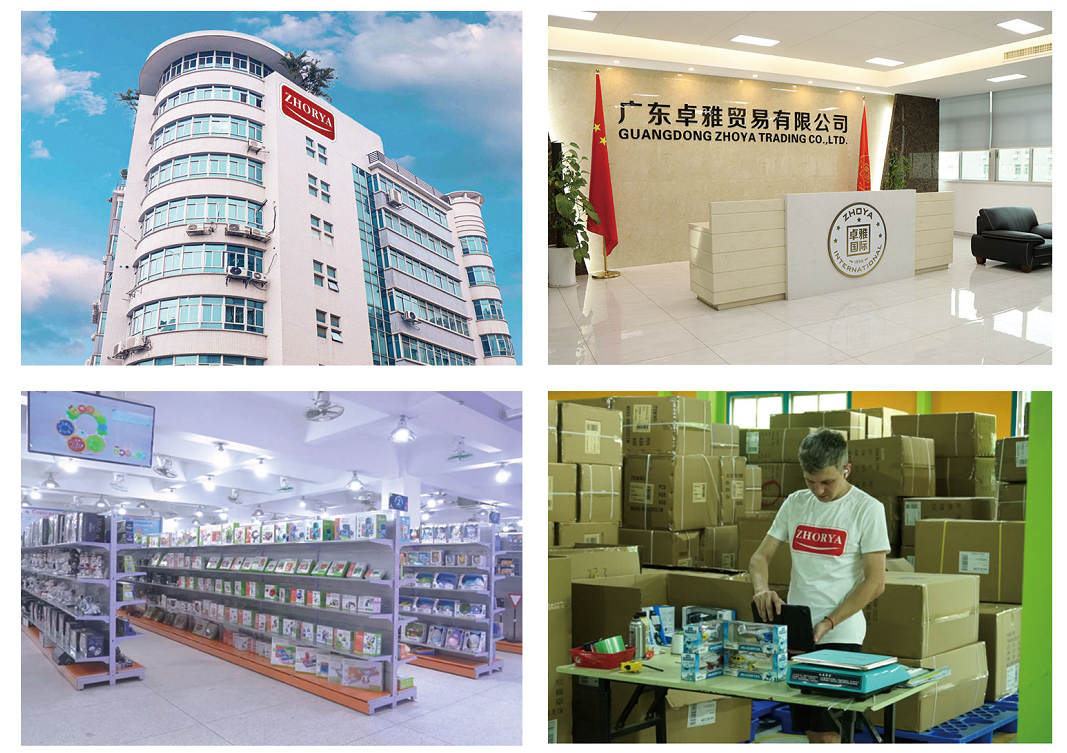
ZHORYA supports toy sourcing across a broad range of categories, making it possible to explore related products rather than sourcing each category separately. The catalog includes 2M+ toy SKUs, supported by a supply network of 22,000+ partner factories.
From building toys, educational toys and puzzles to dolls, plush, outdoor toys, collectibles and creative activity products, ZHORYA can help businesses explore different product directions within one sourcing relationship.
For businesses looking for broader category coverage, ZHORYA also supports OEM/ODM projects, flexible order quantities, product development, packaging customization and Ready to Ship options for selected popular products.
If you are planning a new toy assortment or looking for additional categories with repeat purchase potential, contact ZHORYA to discuss the products and sourcing requirements you are looking for.
Conclusion
Repeat purchase potential is not limited to a particular type of toy. It comes from the structure of the category: collecting, expanding, progressing, gifting, replacing or refreshing.
The strongest toy assortments combine several of these mechanisms so that customers have different reasons to return at different times. By evaluating not only the first purchase but also what could lead to the second, third or seasonal purchase, businesses can make more deliberate decisions about which toy categories and product variations to include.
Get Your Free Quote
We will reply within 24 hours.