Login
Join Free
Categories
My Orders
Wish
Cart
0m³/0m³

English
English
 Русский язык
 中文
中文
Toy Categories for Every Budget: What to Stock
2026-08-10 08:59:56
Not every customer walks into a store looking to spend the same amount on a toy. One shopper may want a small toy for an impulse purchase, while another may be searching for a birthday gift, an educational product, or a larger toy that offers more features and longer play value.
That is why having access to toy categories that fit every budget can be valuable for retailers, wholesalers, importers, distributors, and e-commerce sellers. A broad selection makes it possible to offer affordable products without giving up opportunities to sell mid-range and higher-value toys.
The good news is that budget flexibility does not require completely different product strategies. Many popular toy categories naturally include products at several price levels. From puzzles and novelty toys to plush, dolls, building toys, remote control vehicles, and outdoor products, there are plenty of options for different spending needs.
Why Toys Should Cover Different Price Points
Price is one of the first things customers consider when choosing a toy, but it is not the only factor.
The reason a shopper buys a low-priced toy may be very different from the reason someone chooses a more expensive product. A small toy may be bought as an unexpected gift or an impulse purchase. A larger toy may be purchased for a birthday, holiday, or special occasion.
For sellers, this creates opportunities to serve different purchasing situations with different toy categories.
Affordable products can help attract customers who are watching their spending. Mid-priced toys can offer a balance between price and features. Higher-priced products can provide more components, larger sizes, advanced functions, or a more substantial gifting experience.
The goal is not simply to offer the cheapest possible products. It is to make sure customers can find something worthwhile at the amount they are comfortable spending.
1. Novelty Toys for Small Budgets
Novelty toys are a natural choice when you need products at accessible price points.
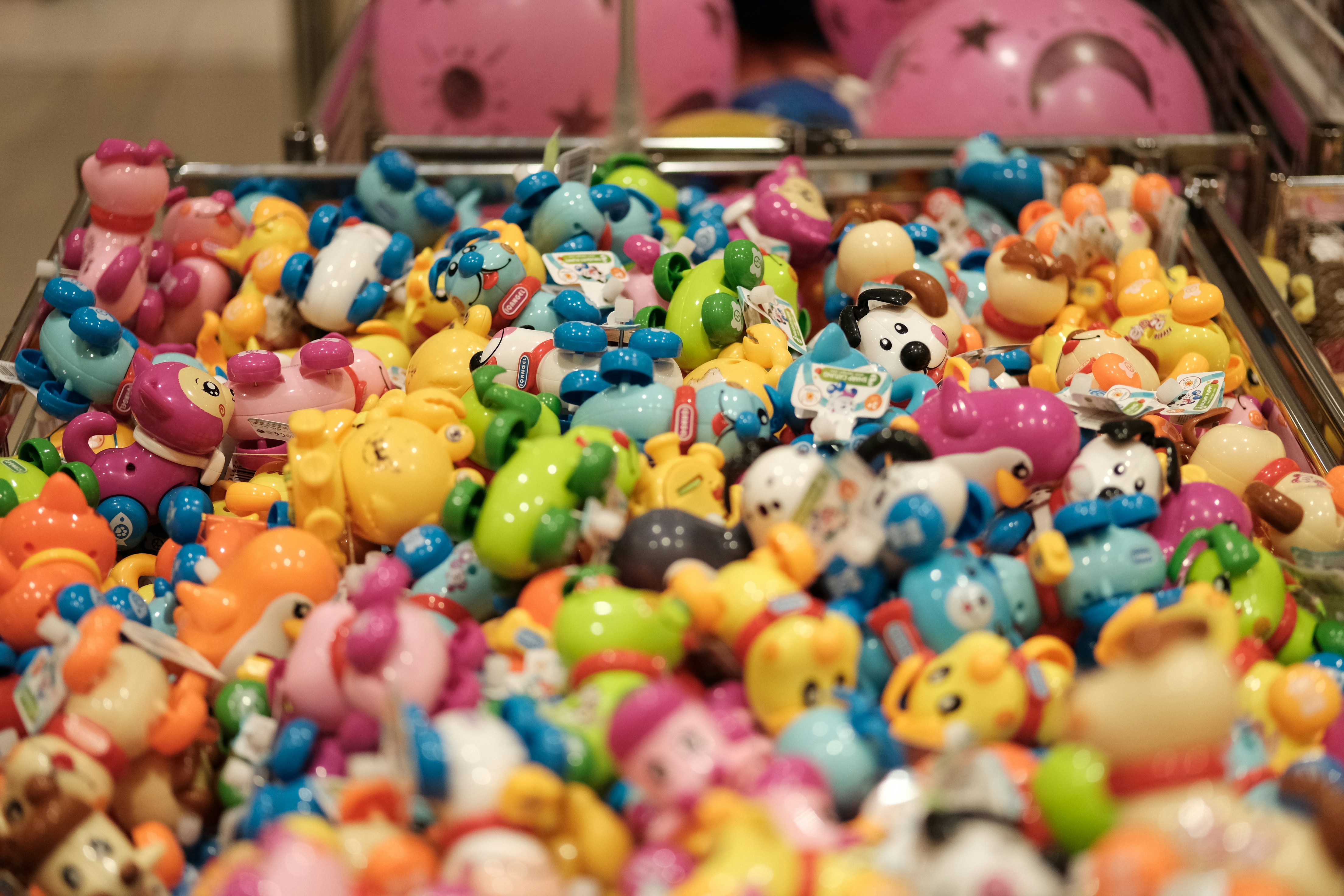
Small sensory toys, mini vehicles, novelty figures, pull-back toys, and other compact products can be suitable for impulse purchases. Their small size can also make them practical for checkout displays, party favors, gift bags, seasonal promotions, and other situations where customers are looking for inexpensive items.
One advantage of novelty toys is the variety of designs available. Even when individual products have a relatively low price, sellers can offer different colors, shapes, characters, or themes to give customers more choices.
These products can also work well online when the visual appearance immediately communicates what the toy does. Clear photographs and short product demonstrations can help customers understand the product without requiring a long description.
For sellers targeting customers with smaller budgets, novelty toys can provide an easy entry point into a wider toy selection.
2. Puzzles and Games for Affordable Entertainment
Puzzles and games are another category that can work across different budgets.
A simple puzzle may be inexpensive while still providing a meaningful activity. More complex puzzles can include additional pieces, larger formats, detailed designs, or challenging themes. Games can similarly range from simple products for young children to larger family games with multiple components.
This makes puzzles and games useful for customers who are looking for value rather than simply a low price.
For example, a small puzzle can be an affordable gift, while a family board game may justify a higher price because several people can play together. A more elaborate game can provide even more components or longer gameplay.
This category is particularly useful for retailers that want to serve families, gift shoppers, and customers interested in screen-free entertainment.

3. Building Toys for Different Budgets
Building toys can be found at many different price levels because the product itself can easily be expanded.
Entry-level building sets may contain fewer pieces and simpler construction ideas. Larger sets can include more components, more detailed designs, themed elements, or more complicated building challenges.
The difference between price levels is therefore easy for customers to understand.
A smaller set can be suitable for a first purchase or a modest gift. A larger set may appeal to shoppers looking for a birthday or holiday present.
Building toys also have an advantage beyond their physical components. They can encourage children to construct, experiment, solve problems, and create different structures. That gives the category a practical value proposition that is not entirely dependent on the number of pieces inside the box.
For sellers, offering building products at several price levels can make it easier to reach both budget-conscious shoppers and customers looking for more substantial gifts.

4. Educational Toys That Offer Different Levels of Value
Educational toys are sometimes associated with premium products, but the category actually covers a broad range of prices.
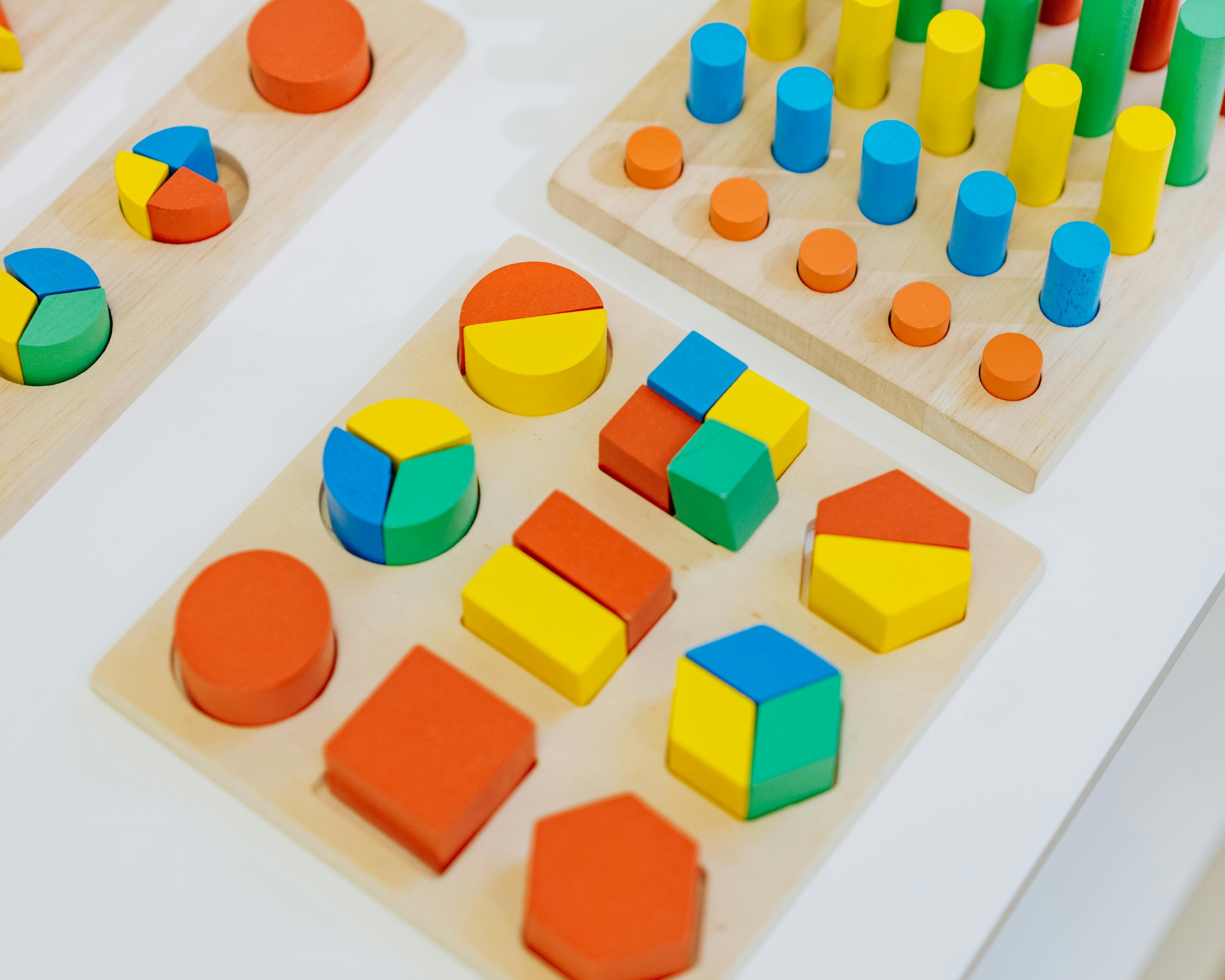
Simple learning toys can focus on colors, shapes, numbers, matching, memory, or basic motor skills. Other products can introduce more components, interactive functions, STEM concepts, programming activities, or more advanced learning challenges.
This gives sellers the flexibility to provide educational products for different budgets without losing the central appeal of the category.
Parents and educators may also look beyond the price tag when evaluating these products. The activity provided, durability, age suitability, learning purpose, and opportunities for repeated use can all affect perceived value.
For example, a simple matching game may be an affordable educational purchase, while a larger STEM kit can occupy a higher price point because it offers more materials and activities.
When selling educational toys, clear product information is especially important. Explaining what children can do with the toy is more useful than making broad claims about how "educational" it is.
5. Plush Toys From Small Gifts to Larger Presents
Plush toys are one of the most flexible toy categories when it comes to price.
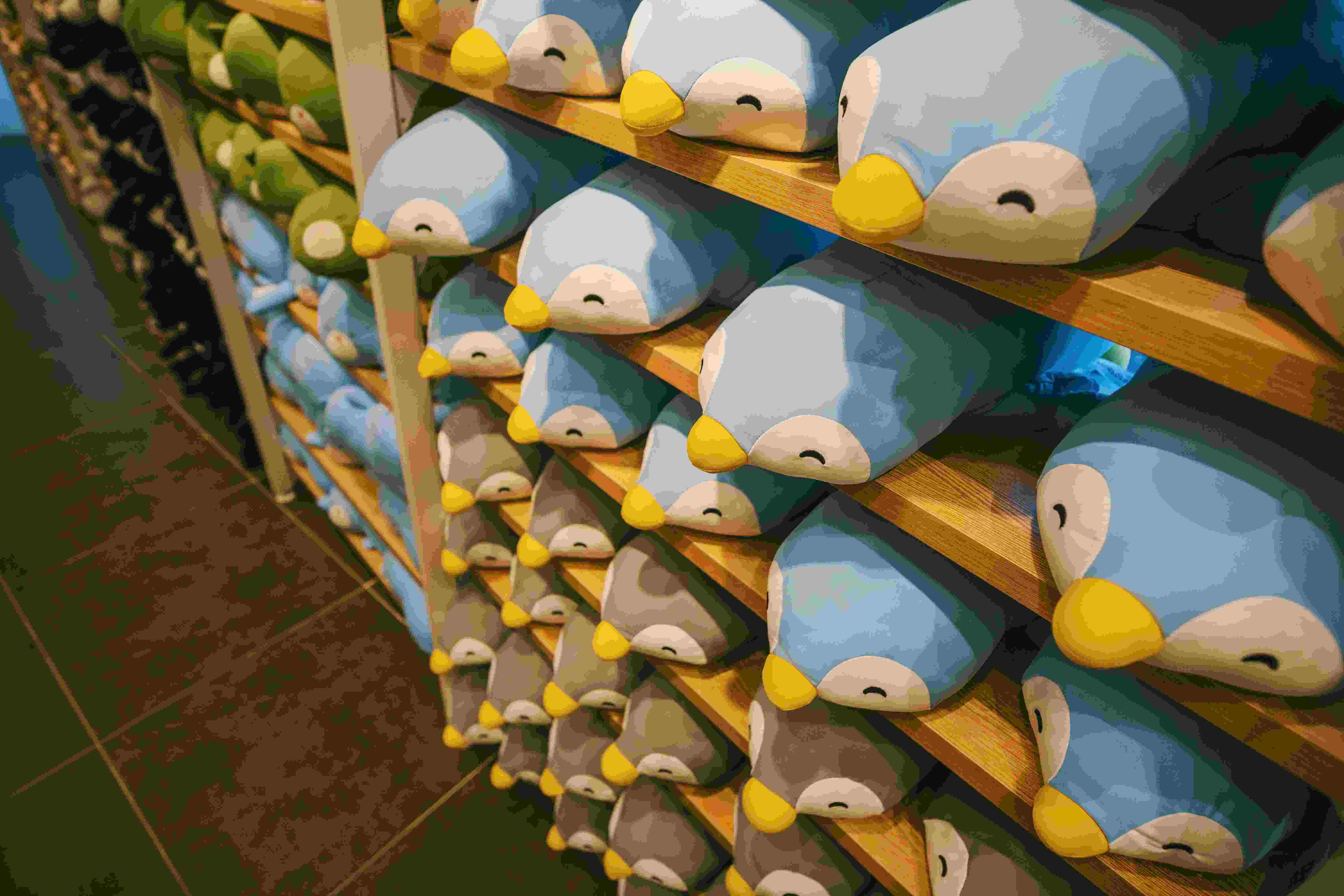
Small plush products can work as inexpensive gifts, collectible items, party products, or impulse purchases. Medium-sized plush toys can be suitable for birthdays and everyday gifting. Larger plush products can become more substantial presents and can have a stronger visual impact in a store.
Size is only one factor affecting price. Materials, detailing, character design, accessories, packaging, and licensing can also influence the final cost.
This means sellers can offer plush products at different price levels without making the products feel unrelated.
A small plush toy may attract a shopper looking for a simple gift, while a large character plush can appeal to someone willing to spend more for a bigger and more visually impressive product.
For online sellers, photography matters considerably in this category. Customers need to understand the actual size, shape, texture, and details of the product before making a purchase.
6. Dolls and Role-Play Toys for Budget-Friendly Gifting
Dolls and role-play toys can also cover a wide price range.
A basic doll can provide an accessible option for shoppers with a smaller budget. Larger dolls, fashion dolls, doll sets, and products with clothing or accessories can move into higher price ranges.
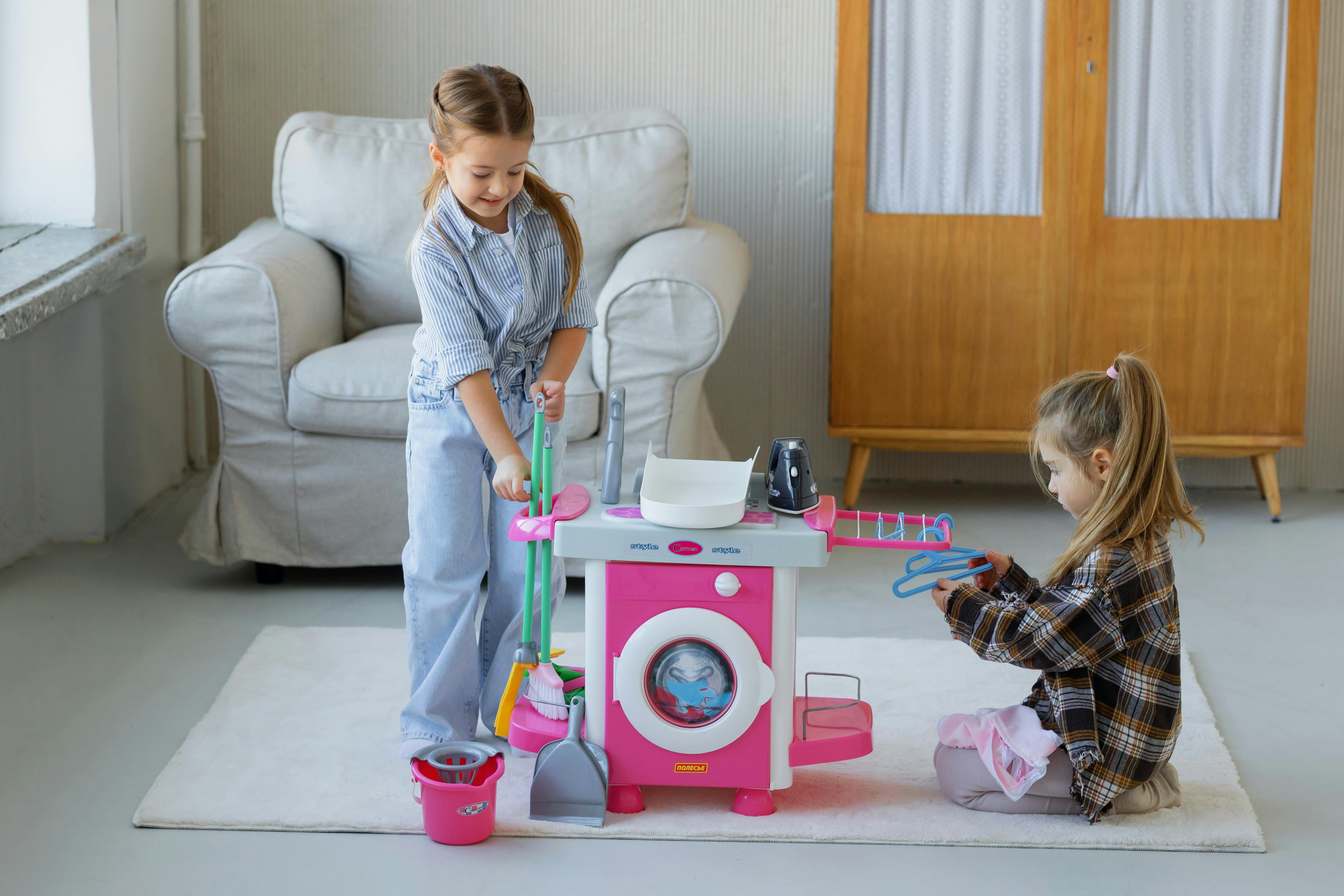
Role-play sets work in a similar way. A basic pretend-play item may be relatively inexpensive, while a larger set with multiple accessories can provide a more complete play experience.
Accessories can also create additional purchasing opportunities. Clothing, furniture, vehicles, and other compatible products can expand the possibilities around a core doll or role-play product.
For retailers and e-commerce sellers, this makes dolls a useful category for customers with different spending limits. Someone can start with a relatively simple product and choose a more elaborate set when they have a larger budget.
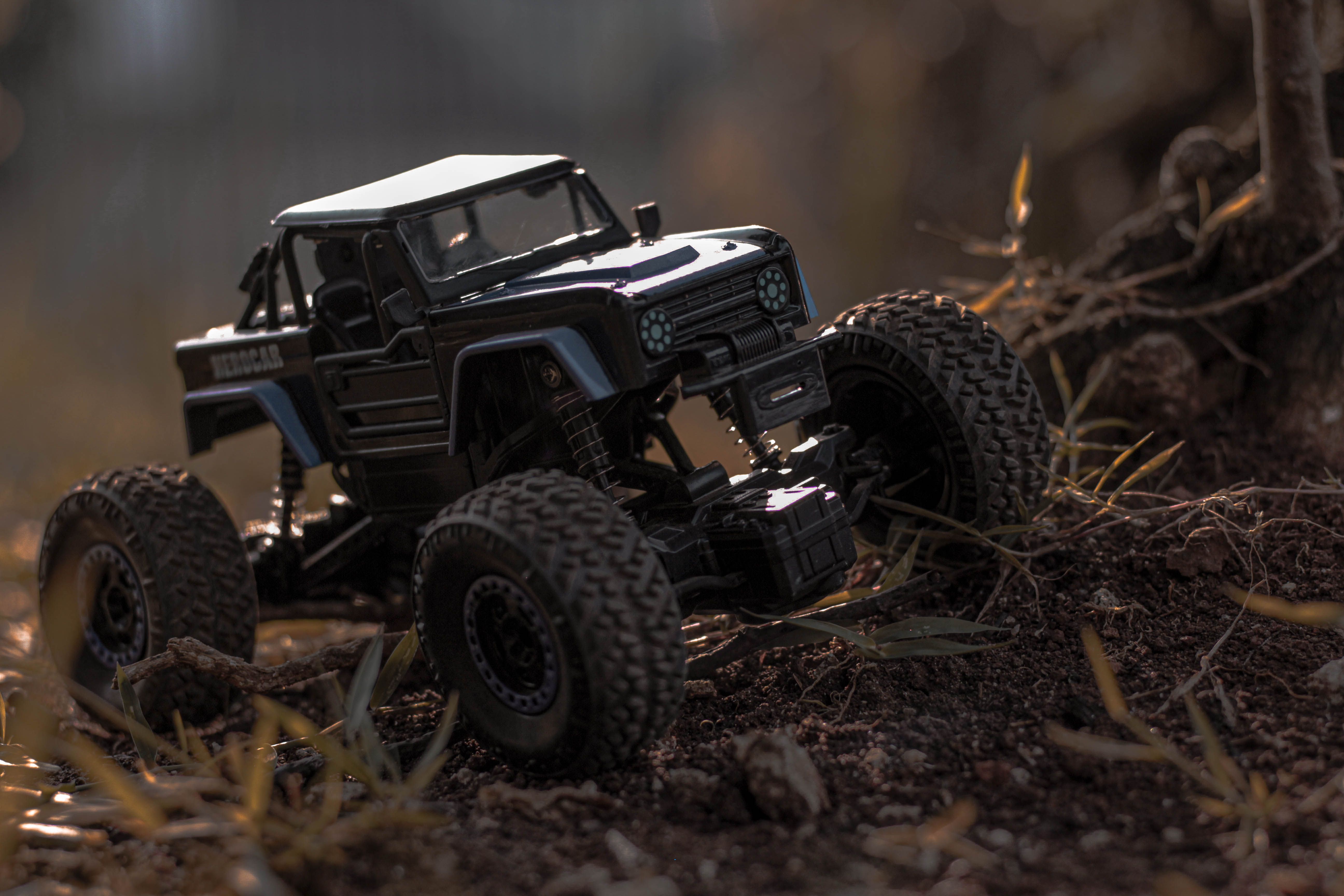
7. Remote Control Toys for Mid-Range and Higher Budgets
Remote control toys generally have more technical features than many entry-level toy categories, which makes them particularly suitable for mid-range and higher budgets.
A basic remote control car can offer an accessible introduction to RC play. Larger vehicles or products with additional functions can move into higher price ranges.
Features such as vehicle size, lighting, suspension, speed, control range, battery systems, materials, and additional accessories can all influence product value.
The category also includes more than cars. Remote control trucks, boats, aircraft, and other vehicles can provide different experiences and price points.
Because these products can involve technical specifications, sellers should provide accurate information about batteries, charging, controls, functions, recommended ages, and included accessories.
For customers willing to spend more, clear specifications can make a higher-priced RC product easier to evaluate because they can see exactly what they are getting for the additional cost.
8. Outdoor Toys for Seasonal Spending
Outdoor toys can provide options for both smaller and larger budgets.
Simple balls, flying discs, sand toys, water toys, and outdoor games can be relatively affordable. Larger sports sets, ride-on toys, and more elaborate outdoor products can command higher prices.
The category also benefits from seasonal demand. During warmer months, outdoor products can become more relevant for families looking for activities outside the home.
A small outdoor toy may be an easy purchase for a child, while a larger ride-on product can become a major birthday or holiday gift.
For sellers, the key is to match the product with the intended use. Outdoor toys should clearly communicate factors such as recommended age, dimensions, materials, and any relevant safety information.

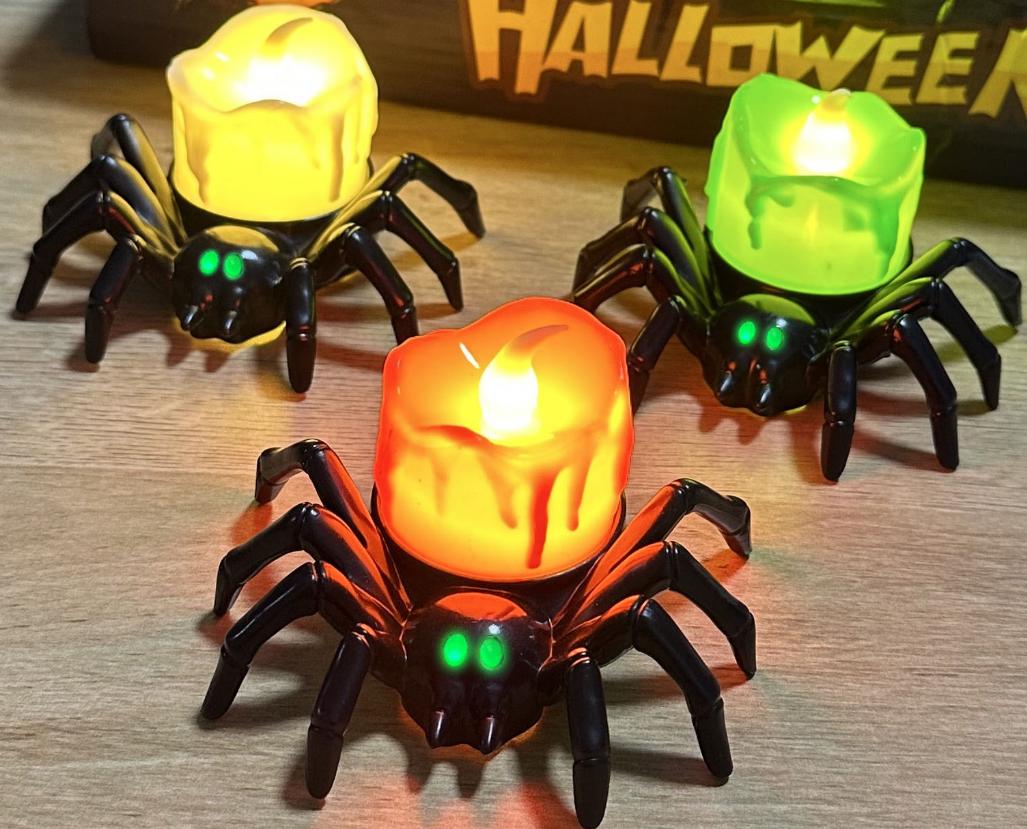
9. Light-Up and Sensory Toys for Affordable Fun
Light-up and sensory toys can attract customers through visual effects, movement, textures, or interactive features.
Small light-up products can work well as low-cost novelty items. More elaborate products with additional functions can move into higher price ranges.
Sensory toys can similarly range from simple tactile products to more complex designs involving multiple textures or interactive elements.
These categories can be particularly effective in physical retail environments because customers can immediately see or interact with some of the product features.
For online stores, short videos can serve a similar purpose. Showing how a light-up toy works or how a sensory product behaves can communicate information that a static product photograph cannot.
10. Ride-On Toys for Higher Budgets
Ride-on toys are generally positioned toward the higher end of the toy price range because they are larger and often involve more materials and components.
Products can range from simple ride-on vehicles to electric cars, motorcycles, scooters, and other larger children's vehicles.
Price differences may come from size, battery capacity, motor configuration, design, controls, included features, and construction.
Although these products require a larger purchase commitment, they can have strong appeal as birthday and holiday gifts.
For wholesale buyers, larger products also require additional consideration during sourcing. Packaging dimensions, shipping costs, warehouse space, and transportation arrangements can have a significant effect on the final economics of the product.

What Makes a Budget-Friendly Toy Worth Buying?
A lower price does not automatically mean better value.
A toy can be inexpensive but have limited appeal, poor durability, or little opportunity for repeat play. On the other hand, a slightly more expensive product may provide substantially more value through better construction, more activities, additional components, or longer-lasting play.
This is particularly important for wholesale purchasing.
Instead of asking only, "What is the lowest unit price?" consider:
-
What type of customer will buy this product?
-
What purchasing occasion does it fit?
-
What makes it different from similar products?
-
Does the product offer enough play value for its price?
-
Can the product work in physical retail, e-commerce, or both?
-
Are the specifications and compliance information clear?
These questions can help you identify products that are commercially useful rather than simply inexpensive.
Find Toys for Different Budgets With Zhorya
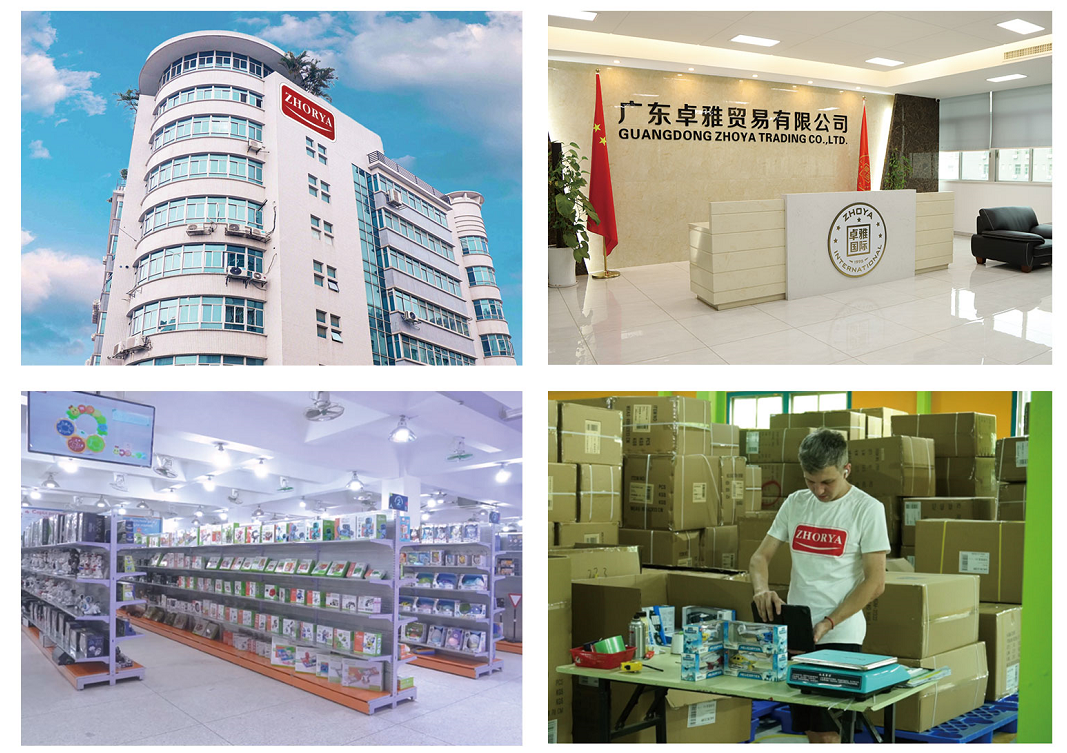
If you are looking for a China-based wholesale toy supplier with products across multiple categories and price levels, Zhorya can provide a broad range of sourcing options. As a China-based trade and export company, Zhorya serves wholesalers, importers, distributors, retailers, brands, and e-commerce sellers with more than 2 million SKUs covering categories such as educational toys, puzzles, building toys, dolls, plush toys, remote control toys, sports toys, novelty toys, ride-on toys, and more. OEM/ODM services are also available for businesses looking for customized products. With such a wide product range, you can explore both affordable and higher-value toys in one place and select products that match your target customers, sales channels, and purchasing budget.
Conclusion
There is no single "right" price for a toy. Different customers have different budgets, shopping occasions, and expectations, which is why a wide range of toy categories can be valuable for any retail or wholesale business.
Novelty toys, puzzles, games, and simple sensory products can provide accessible options. Educational toys, building sets, dolls, plush toys, and outdoor products can cover the middle of the market. Remote control toys, larger playsets, and ride-on products can provide higher-value choices.
The best products are not necessarily the cheapest ones. They are the ones that provide a clear reason for their price and match what customers are looking for.
By exploring toy categories across multiple price levels, you can give customers more choices while creating more opportunities for different types of purchases throughout the year.