Login
Join Free
Categories
My Orders
Wish
Cart
0m³/0m³

English
English
 Русский язык
 中文
中文
STEM vs Traditional Educational Toys: Key Differences
2025-12-15 08:56:52
Educational toys have always played a crucial role in childhood development. From wooden blocks and alphabet puzzles to robotics kits and coding games, toys are no longer just about entertainment—they are tools for learning, problem-solving, and skill building. In recent years, however, one category has attracted significantly more attention than others: STEM educational toys.
Parents, educators, and buyers often ask the same question: What is the real difference between STEM toys and traditional educational toys? More importantly, which type offers better long-term value for children, schools, and educational markets?
This article takes a deep, practical look at STEM vs traditional educational toys, examining how they differ in learning goals, design philosophy, skills development, age suitability, and real-world applications. By the end, you'll have a clear understanding of how each category fits into modern education—and why many buyers choose to stock both.
What Are Traditional Educational Toys?
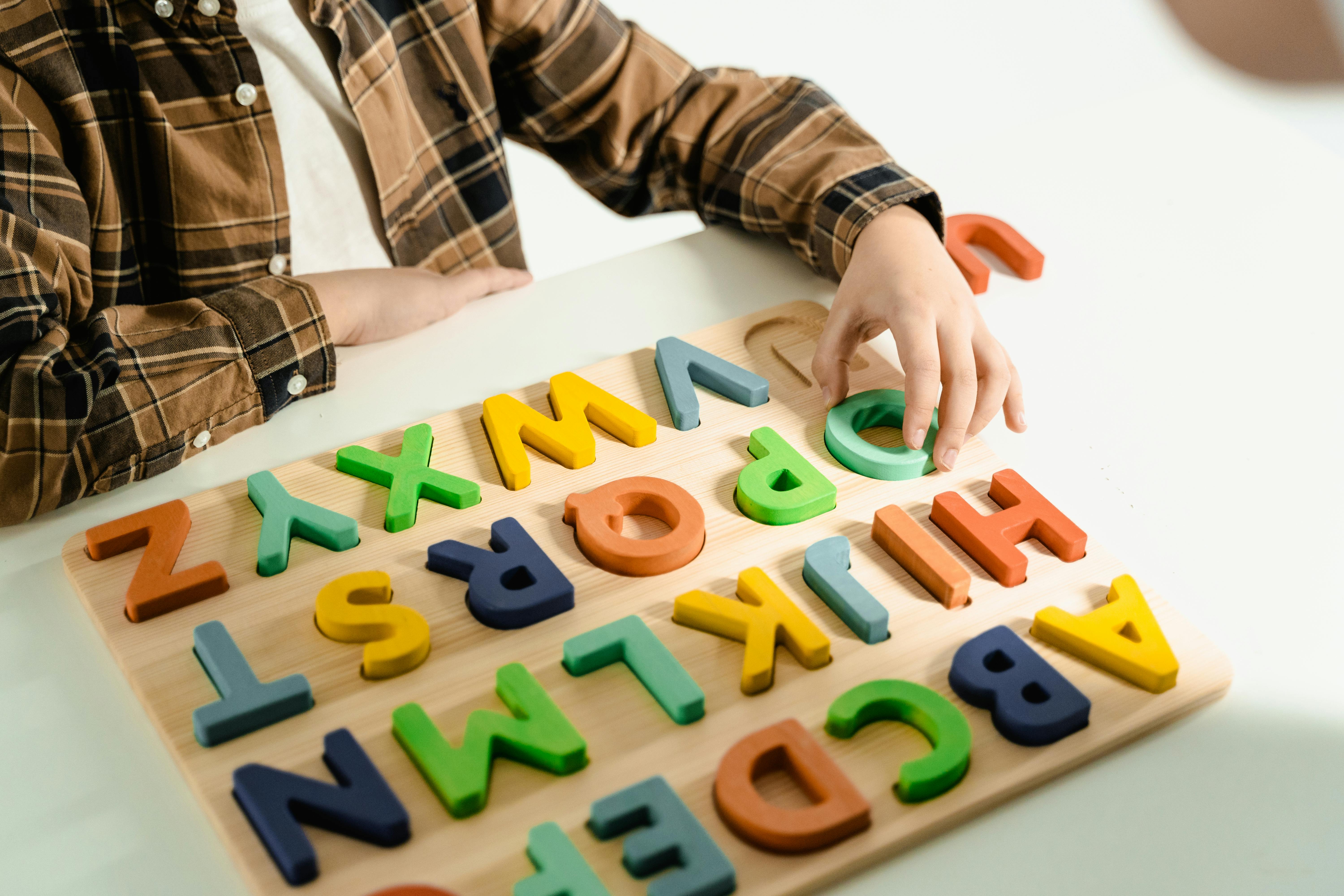
Traditional educational toys have existed for generations. These toys focus on foundational learning and early childhood development, often emphasizing basic cognitive, motor, and social skills.
Common examples include:
-
Alphabet and number puzzles
-
Shape sorters
-
Flash cards
-
Wooden blocks
-
Board games
-
Memory and matching games
-
Simple art and craft kits
These toys are typically designed to be intuitive, tactile, and accessible, making them especially suitable for toddlers and younger children.
Key learning objectives:
Traditional educational toys aim to help children:
-
Recognize letters, numbers, colors, and shapes
-
Improve hand-eye coordination
-
Develop early problem-solving abilities
-
Learn patience, turn-taking, and social interaction
-
Build confidence through repetition and familiarity
Because of their simplicity, these toys are often used in preschools, kindergartens, and early learning centers. They require little to no instruction and are easy for adults to supervise.
What Are STEM Educational Toys?
STEM toys are designed around four core disciplines: Science, Technology, Engineering, and Mathematics. Unlike traditional toys that focus on early basics, STEM toys emphasize active exploration, experimentation, and logical thinking.
Typical STEM toy categories include:
-
Building and construction sets
-
Robotics kits
-
Coding toys and logic games
-
Circuit and electronics kits
-
Math-based strategy games
-
Engineering challenge sets
STEM toys often introduce open-ended challenges rather than fixed outcomes. Instead of one "correct" answer, children are encouraged to test ideas, make mistakes, and improve solutions.
Core learning goals:
STEM educational toys help children:
-
Understand cause-and-effect relationships
-
Develop analytical and critical thinking skills
-
Learn basic engineering and coding concepts
-
Improve problem-solving and logical reasoning
-
Build resilience through trial and error
This hands-on approach closely mirrors real-world learning environments, making STEM toys particularly popular in schools, after-school programs, and modern educational curriculums.

Key Differences Between STEM and Traditional Educational Toys
1. Learning Approach
Traditional educational toys usually follow a structured learning model. The objective is clear, and repetition plays a key role in mastery. For example, matching letters to images or fitting shapes into the correct slots.
STEM toys, on the other hand, promote exploratory learning. Children are encouraged to ask questions like:
-
"What happens if I change this?"
-
"Why didn't this work?"
-
"How can I improve the result?"
This difference makes STEM toys especially effective for developing independent thinking.
2. Skill Development Focus
Traditional educational toys focus on:
-
Memory
-
Recognition
-
Basic motor skills
-
Social interaction
STEM toys focus on:
-
Logical reasoning
-
Problem-solving
-
Engineering thinking
-
Technology literacy
-
Applied mathematics
Neither approach is better in isolation—each serves a different developmental purpose depending on age and learning stage.
3. Age Suitability
Traditional educational toys are ideal for early childhood, typically ages 1–5. At this stage, children benefit most from sensory play and repetition.
STEM toys generally target ages 5 and up, though simplified STEM toys now exist for younger learners. As children grow older, their ability to understand systems, patterns, and abstract concepts improves, making STEM toys more effective.
4. Engagement Style
Traditional toys often rely on visual and tactile engagement. They are calming, familiar, and easy to understand.
STEM toys tend to be challenge-based, keeping children engaged through problem-solving tasks. This often leads to longer play sessions and deeper cognitive involvement.
5. Real-World Application
One major advantage of STEM toys is their connection to real-world skills. Concepts such as coding logic, mechanical design, and scientific experimentation directly relate to modern careers and academic paths.
Traditional educational toys lay the groundwork by building foundational skills that make STEM learning possible later.
Why Modern Education Embraces Both
Educational experts increasingly agree that balanced exposure is the most effective approach. Children benefit from starting with traditional educational toys to build core skills, then gradually transitioning to STEM toys as their curiosity and reasoning abilities grow.
In classrooms and educational markets, combining both types:
-
Supports different learning styles
-
Addresses varied age groups
-
Creates a complete learning ecosystem
For buyers and distributors, offering a wide range of educational toys ensures relevance across schools, retailers, learning centers, and family-focused markets.
Choosing the Right Educational Toys for Different Needs
When selecting educational toys, consider:
-
Age group: Younger children need simplicity; older children thrive on challenge
-
Learning environment: Classroom, home, or structured programs
-
Educational goals: Skill-building, creativity, or problem-solving
-
Safety and durability: Especially important for bulk and repeated use
A diverse product selection helps meet the expectations of parents, educators, and institutions alike.
For buyers sourcing at scale, exploring a complete range of wholesale educational toys makes it easier to cover both traditional and STEM-focused demands while keeping product lines flexible and competitive.
Why More Buyers Choose Zhorya for Educational Toys
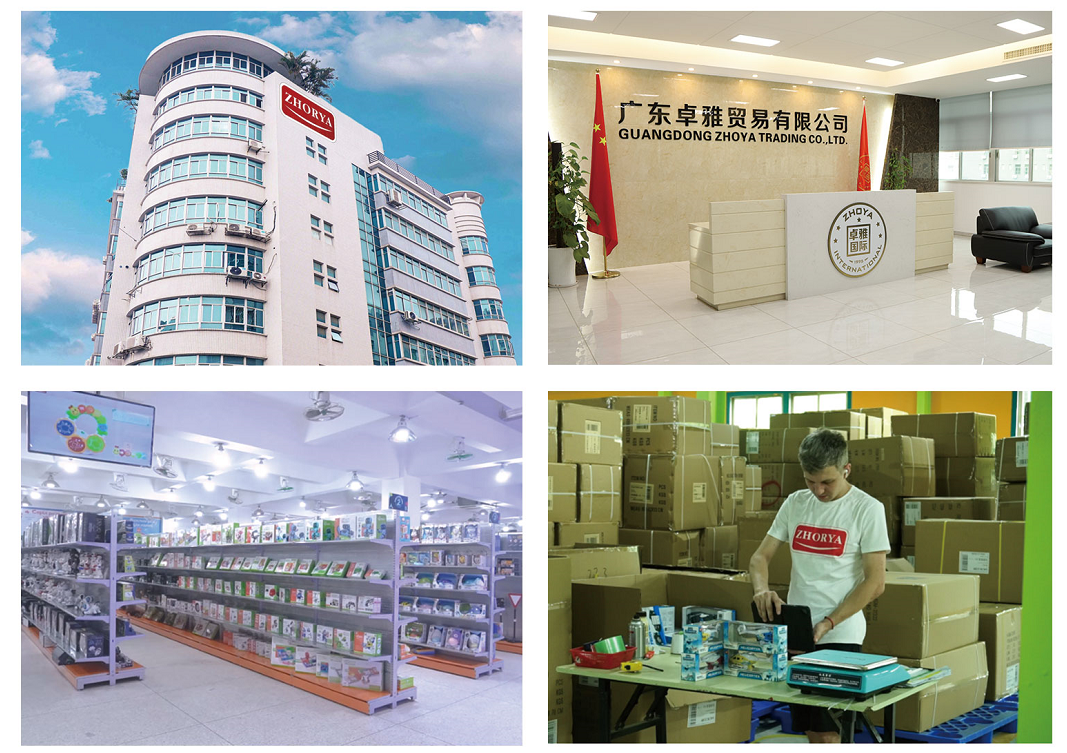
As the educational toy market becomes more sophisticated, sourcing reliable, varied, and scalable products is essential. Zhorya supports global buyers by offering a comprehensive selection of educational toys, covering both traditional learning products and modern STEM-focused designs.
With a deep understanding of educational trends and buyer needs, Zhorya helps partners:
-
Access a wide variety of educational toy styles
-
Match products to different age groups and learning goals
-
Adapt to changing market demand
-
Simplify bulk sourcing through a centralized online platform
Whether your focus is early learning, classroom education, or advanced STEM exploration, Zhorya provides flexible solutions that align with modern educational standards and global market expectations.
Final Thoughts
STEM and traditional educational toys are not competitors—they are complementary tools that support different stages of a child's development. Understanding their differences allows buyers, educators, and decision-makers to create more effective and balanced learning environments.
By combining foundational learning with hands-on exploration, educational toys continue to shape how children learn, think, and grow in an ever-evolving world.