Login
Join Free
Categories
My Orders
Wish
Cart
0m³/0m³

English
English
 Русский язык
 中文
中文
Sensory-Friendly Toy Selection Guide For Kids With Special Developmental Needs
2026-06-11 08:55:28
The toy industry has evolved far beyond simple entertainment. Today, toys play an important role in supporting children's physical, emotional, sensory, and cognitive development. For children with special developmental needs, the right toy can do much more than provide fun—it can help improve focus, encourage communication, support motor skills, reduce anxiety, and create positive learning experiences.
As awareness of neurodiversity continues to grow worldwide, demand for sensory-friendly toys has increased significantly. Parents, educators, therapists, healthcare providers, and retailers are actively seeking products designed to support children with autism spectrum disorder (ASD), ADHD, sensory processing differences, developmental delays, and other special needs.
However, choosing suitable sensory toys is not always straightforward. A product that works well for one child may not be appropriate for another. Understanding how different sensory experiences affect children is essential when selecting toys that provide meaningful benefits.
This guide explores the key factors involved in choosing sensory-friendly toys and highlights what buyers should consider when sourcing products for this growing market.
Understanding Sensory Needs in Children
Every child experiences the world through their senses. These include:
-
Touch
-
Sight
-
Hearing
-
Smell
-
Taste
-
Movement (vestibular system)
-
Body awareness (proprioception)
For many children with special developmental needs, sensory information may be processed differently. Some children actively seek sensory input, while others may become overwhelmed by certain sounds, textures, lights, or movements.
For example:
-
A child may enjoy squeezing soft sensory toys repeatedly.
-
Another child may avoid loud electronic toys.
-
Some children prefer visual stimulation such as moving lights.
-
Others may find flashing lights stressful or distracting.
This is why sensory-friendly toy selection should focus on flexibility and individual preferences rather than a one-size-fits-all approach.
Why Sensory-Friendly Toys Matter
Sensory-friendly toys can support development in several ways.
Supporting Emotional Regulation
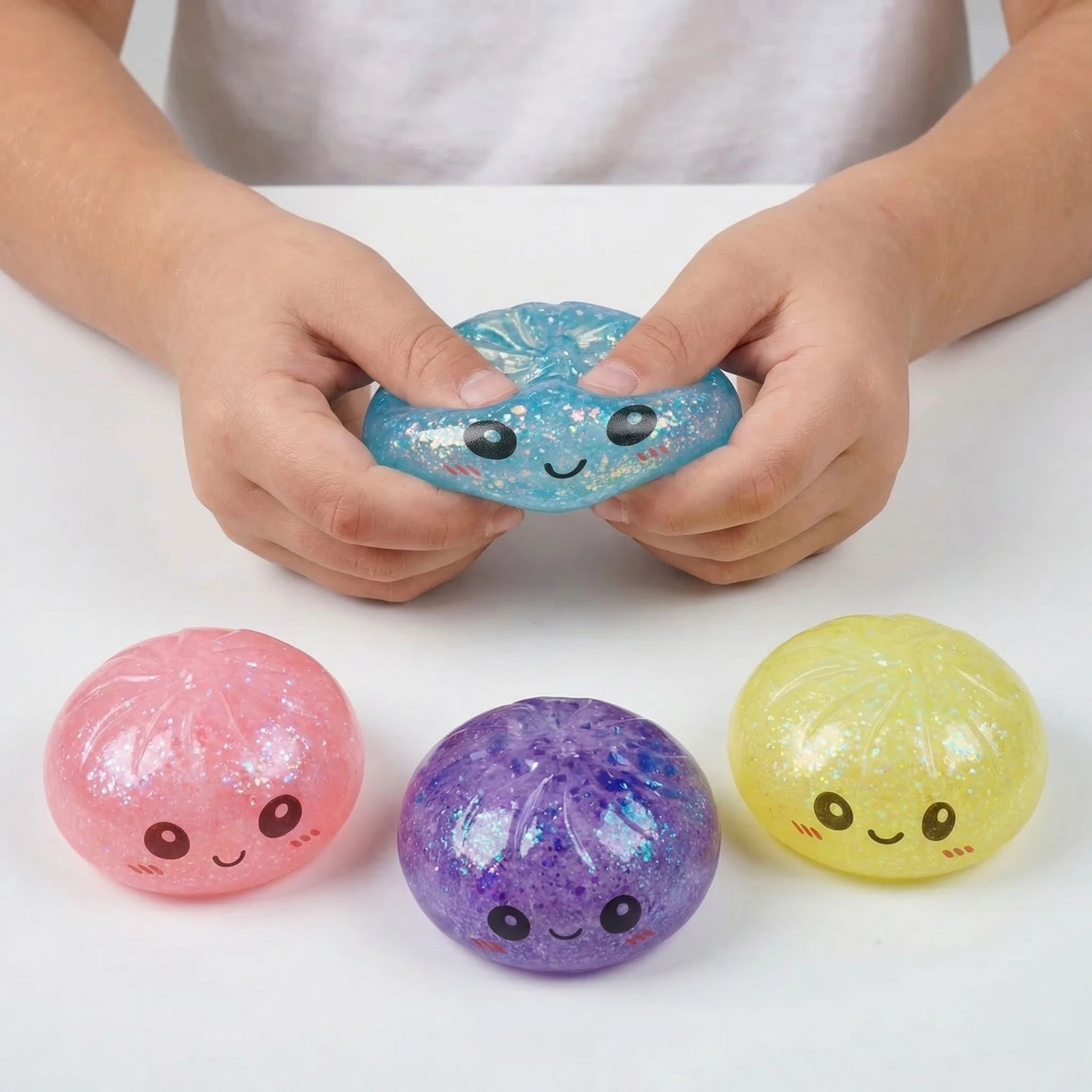
Many children use sensory activities to calm themselves during stressful situations. Toys that provide repetitive, predictable sensory feedback can help reduce anxiety and improve emotional regulation.
Examples include:
-
Squishy toys
-
Stress balls
-
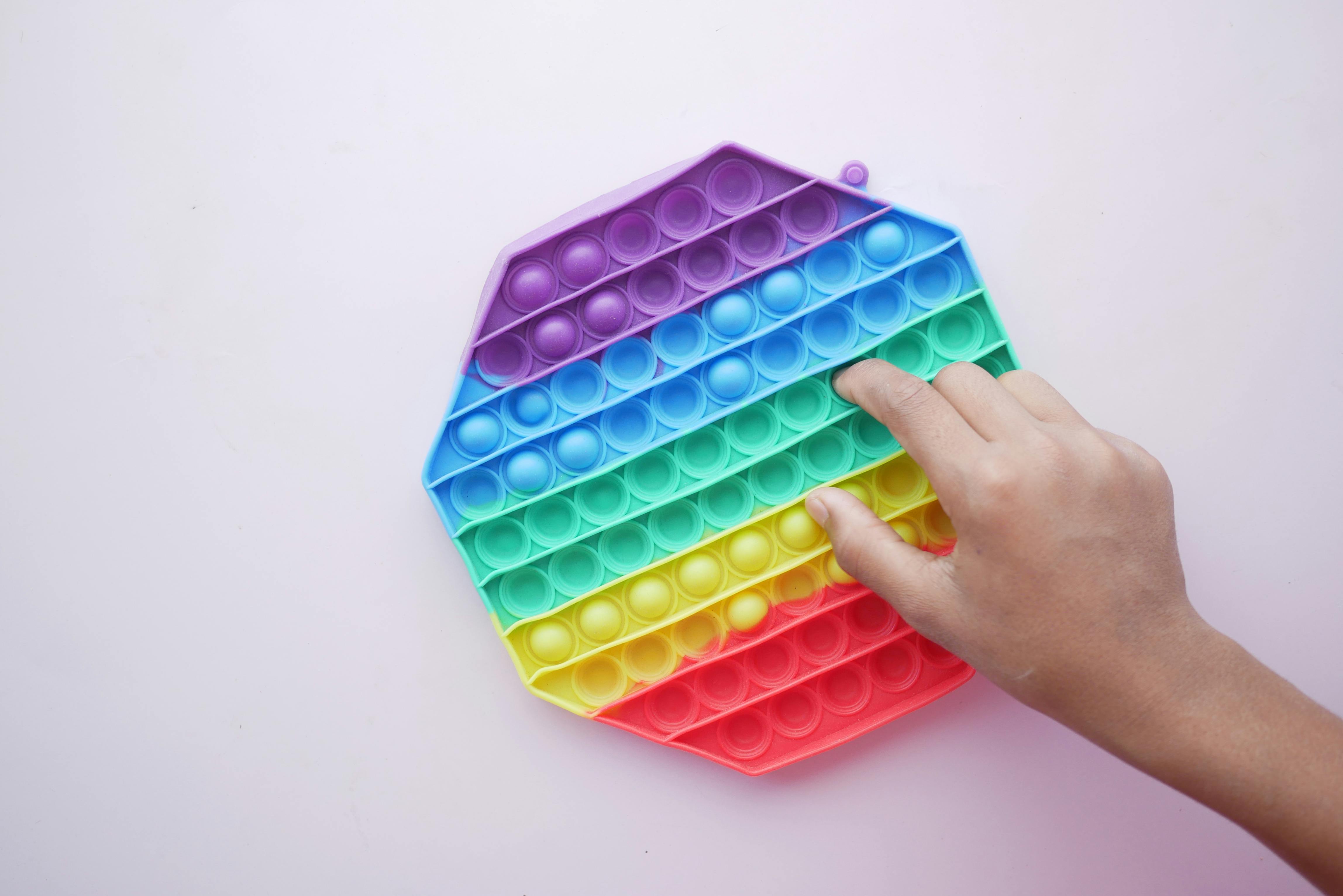
Fidget toys
-
Sensory putty
-
Textured sensory pads
These products allow children to engage their senses in a controlled manner, helping them stay focused and comfortable.
Encouraging Motor Skill Development
Fine motor skills are essential for everyday tasks such as writing, dressing, and using utensils.
Many sensory toys encourage:
-
Grasping
-
Pinching
-
Pulling
-
Twisting
-
Stacking
-
Sorting
Activities involving hand-eye coordination can strengthen muscle control while keeping children engaged through play.
Improving Focus and Attention
Children with attention challenges often benefit from sensory input that helps them stay engaged.
Appropriately designed sensory toys can:
-
Reduce restlessness
-
Improve concentration
-
Support classroom participation
-
Encourage independent play
This is one reason why fidget toys have become increasingly popular in educational environments.
Supporting Social Interaction
Some sensory-friendly toys are designed for group play, encouraging children to interact with peers, siblings, parents, or therapists.
Collaborative play can help children develop:
-
Communication skills
-
Turn-taking abilities
-
Problem-solving skills
-
Confidence in social situations
Key Characteristics of Sensory-Friendly Toys
Not every toy marketed as a sensory product delivers meaningful benefits. Buyers should evaluate products based on several important characteristics.
Safe and Comfortable Textures
Texture plays a major role in sensory experiences.
Popular sensory textures include:
-
Soft plush materials
-
Silicone surfaces
-
Smooth plastic finishes
-
Squishy foam materials
-
Flexible rubber components
Products should avoid sharp edges, uncomfortable seams, or materials that may cause irritation.
A variety of textures allows children to explore different tactile experiences safely.
Adjustable Sensory Stimulation
Children respond differently to sensory input.
The best sensory-friendly toys often allow users to control the level of stimulation.
Examples include:
-
Toys with adjustable sound levels
-
Light-up products with moderate brightness
-
Multi-function sensory toys with different activity modes
Providing options helps accommodate a wider range of sensory preferences.
Predictable Interactions
Unexpected sounds, flashing lights, or sudden movements can be overwhelming for some children.
Sensory-friendly toys should offer:
-
Consistent responses
-
Predictable movements
-
Gentle sensory feedback
This predictability helps children feel more secure during play.
Durability
Many sensory toys are designed for repetitive use.
Products should withstand:
-
Frequent squeezing
-
Stretching
-
Twisting
-
Dropping
Durable construction ensures long-term value for families, schools, therapy centers, and retailers.
Popular Categories of Sensory-Friendly Toys
The sensory toy market includes a wide range of product categories.
Fidget Toys
Fidget toys remain among the most popular sensory products worldwide.
Common examples include:
-
Push bubble toys
-
Clicker toys
-
Spinner toys
-
Rolling sensory gadgets
-
Keyboard-style clickers
These products provide repetitive sensory feedback that many children find calming and satisfying.
Sensory Plush Toys
Soft plush toys offer comforting tactile experiences.
Many sensory plush products include:
-
Different fabric textures
-
Crinkle materials
-
Gentle vibration features
-
Weighted elements
These toys can provide emotional comfort while encouraging sensory exploration.
Building and Construction Toys
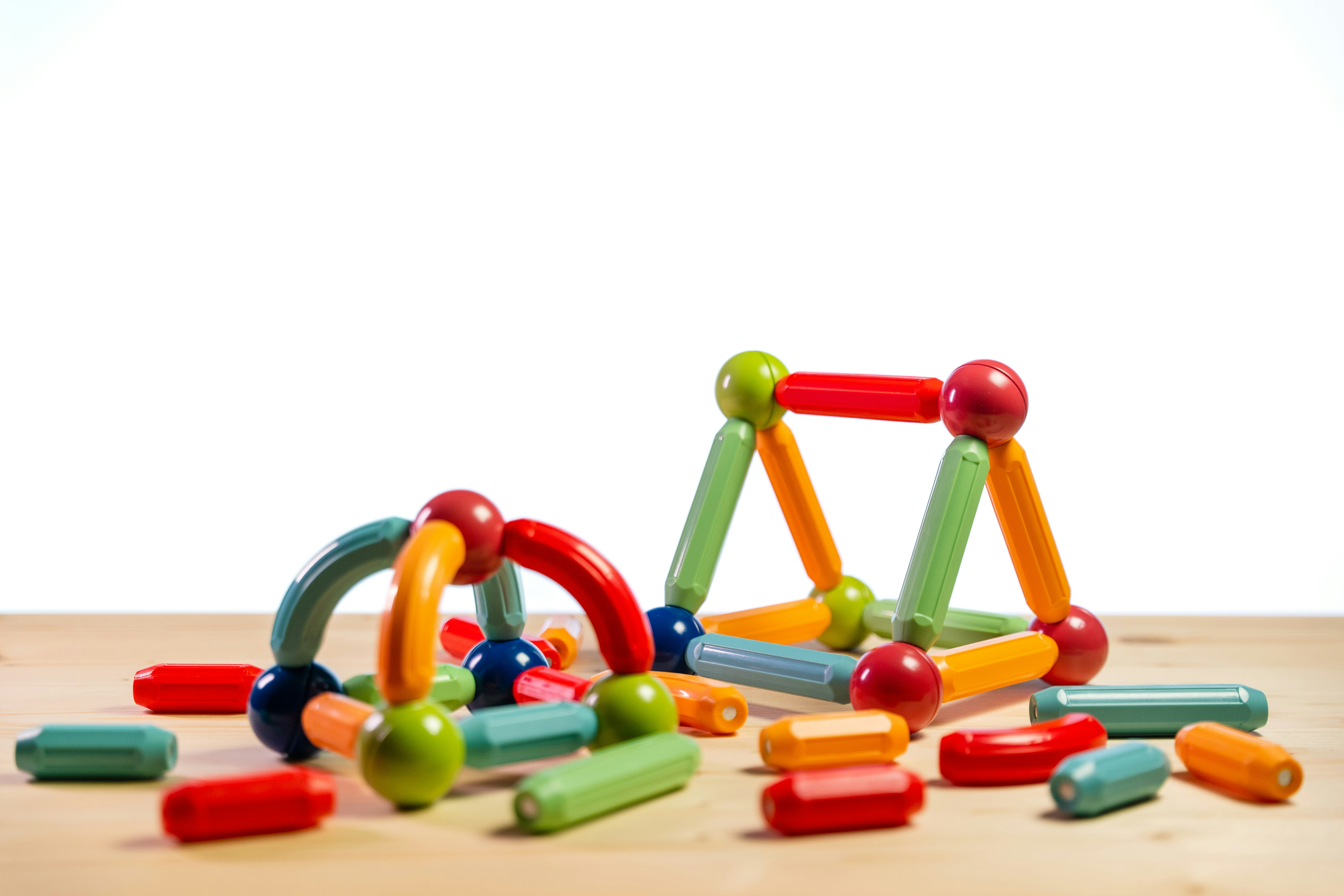
Construction toys support both sensory and developmental goals.
Children can:
-
Stack pieces
-
Connect components
-
Build structures
-
Experiment with spatial relationships
This type of play supports fine motor development and problem-solving skills.
Sensory Balls and Tactile Toys
Textured balls remain a staple in sensory play environments.
Benefits include:
-
Easy gripping
-
Tactile exploration
-
Movement-based activities
-
Hand strengthening exercises
They are commonly used in therapy sessions, classrooms, and home settings.
Water and Sand Play Toys
Water and sand activities provide rich sensory experiences.
These products encourage:
-
Creative exploration
-
Tactile discovery
-
Calm, repetitive play
Sensory bins, sand tools, buckets, and water play accessories are frequently used by therapists and educators.
Choosing Toys Based on Developmental Goals
Rather than focusing solely on age recommendations, buyers should consider developmental objectives.
Questions to ask include:
-
Does the toy encourage sensory exploration?
-
Can it support fine motor development?
-
Does it promote communication?
-
Is it suitable for independent play?
-
Can it be used in therapeutic environments?
Understanding the intended developmental outcome often leads to better product selection.
Important Safety Considerations
Safety should always remain a top priority when selecting sensory-friendly toys.
Key considerations include:
Material Safety
Products should use materials that comply with relevant safety standards and regulations.
This is particularly important for toys intended for younger children who may mouth or chew products.
Age Appropriateness
Manufacturers should clearly indicate recommended age ranges.
Small components may pose choking hazards for younger children.
Easy Cleaning
Sensory toys often receive frequent handling.
Materials that are easy to clean and maintain can help improve hygiene and product longevity.
Battery and Electronic Safety
For electronic sensory products, secure battery compartments and reliable construction are essential.
Safety features become particularly important when products are used in schools, therapy centers, and childcare environments.
Growing Opportunities in the Sensory Toy Market
The sensory toy category continues to expand as awareness of developmental differences increases globally.
Several factors are driving demand:
-
Greater understanding of autism and sensory processing differences
-
Increased focus on inclusive education
-
Growing interest in emotional wellness products
-
Rising demand for educational and developmental toys
-
Expansion of therapy-based learning approaches
For toy retailers, distributors, importers, educational suppliers, and online sellers, sensory-friendly toys represent a category with long-term growth potential.
Products that combine developmental value with engaging play experiences are increasingly attracting attention from both professional buyers and families.
How Buyers Can Build a Strong Sensory Toy Assortment
Successful sensory toy assortments typically include products that address different sensory preferences.
A balanced collection may include:
-
Tactile toys
-
Fidget products
-
Construction toys
-
Sensory plush toys
-
Light sensory products
-
Water and sand play items
-
Educational sensory activities
Offering variety allows buyers to serve a wider range of customer needs while creating a more comprehensive product selection.
Why More Buyers Source Sensory Toys From Zhorya
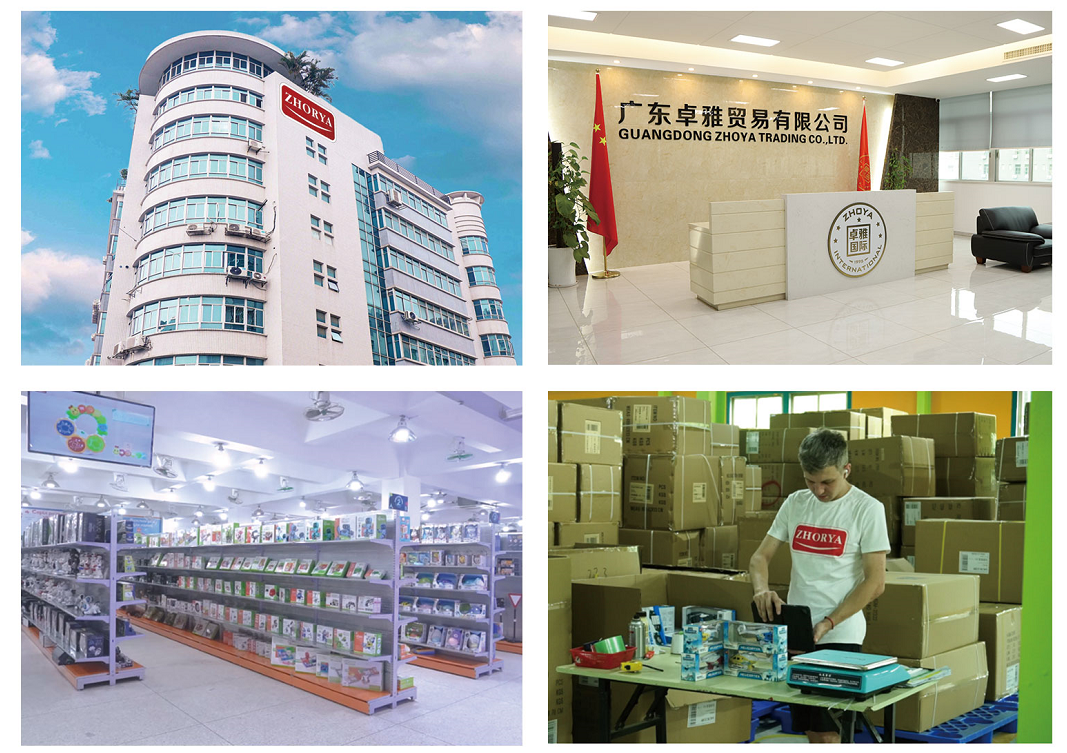
As demand for sensory-friendly toys continues to grow, finding a supplier with a broad product range becomes increasingly important. Based in China, Zhorya offers access to more than 1.97 million toy products across numerous categories, making it easier for buyers to source sensory toys alongside educational toys, building toys, plush toys, fidget products, outdoor toys, and many other popular lines.
For importers, distributors, chain stores, online sellers, educational suppliers, and promotional buyers, consolidating multiple toy categories through a single sourcing partner can simplify product selection and improve purchasing efficiency. Zhorya also provides customization options for many product types, including logo printing, packaging customization, and product development support.
As sensory-friendly toys become an increasingly important part of the global toy market, working with an experienced supplier that understands emerging toy trends can help buyers discover new opportunities and build stronger product assortments for their customers.
Conclusion
Sensory-friendly toys are much more than a growing trend. They provide meaningful play experiences that can support emotional regulation, motor development, focus, and social interaction for children with special developmental needs.
Choosing the right products requires careful consideration of sensory preferences, developmental goals, safety requirements, and product quality. By understanding how children interact with different sensory experiences, buyers can build toy assortments that deliver genuine value while meeting the increasing demand for inclusive and developmental play products.
As awareness of sensory development continues to expand worldwide, sensory-friendly toys are expected to remain one of the most important and promising categories within the global toy industry.