Login
Join Free
Categories
My Orders
Wish
Cart
0m³/0m³

English
English
 Русский язык
 中文
中文
Why Real Interaction Matters in Children’s Play
2025-12-09 08:51:03
In today's digital world, children are spending more time in front of screens than ever before. While technology can be educational and entertaining, it often lacks the essential element of human interaction that shapes social, emotional, and cognitive development. For B2B buyers looking to stock innovative and impactful toys, understanding how products can foster real-world interactions is crucial. Simple toys like building blocks, puzzles, or even quiet plush animals are more than playthings—they are tools that drive creativity, experimentation, and problem-solving skills in children.
Why Real Human Interaction Matters
Research consistently shows that children develop critical skills through direct interaction with people, not just objects or digital interfaces. When a child plays with a parent, sibling, or peer, they practice empathy, communication, and negotiation. These experiences cultivate emotional intelligence and help children learn to navigate social dynamics. For wholesalers and retailers, stocking toys that facilitate these interactions meets both educational and market demand.
The Power of Simple, Open-Ended Toys
One of the most effective ways to promote real human interaction is through simple, open-ended toys. Unlike electronic gadgets that provide answers, these toys encourage children to invent stories, experiment, and solve problems on their own or together with others.
-
Building Blocks: A pile of blocks can transform into anything a child imagines—a castle, a spaceship, or a city. When children collaborate, they learn teamwork, planning, and adaptability.
-
Plush Animals and Dolls: Silent companions allow children to create narratives, role-play scenarios, and express emotions. This kind of imaginative play strengthens communication skills and creativity.
-
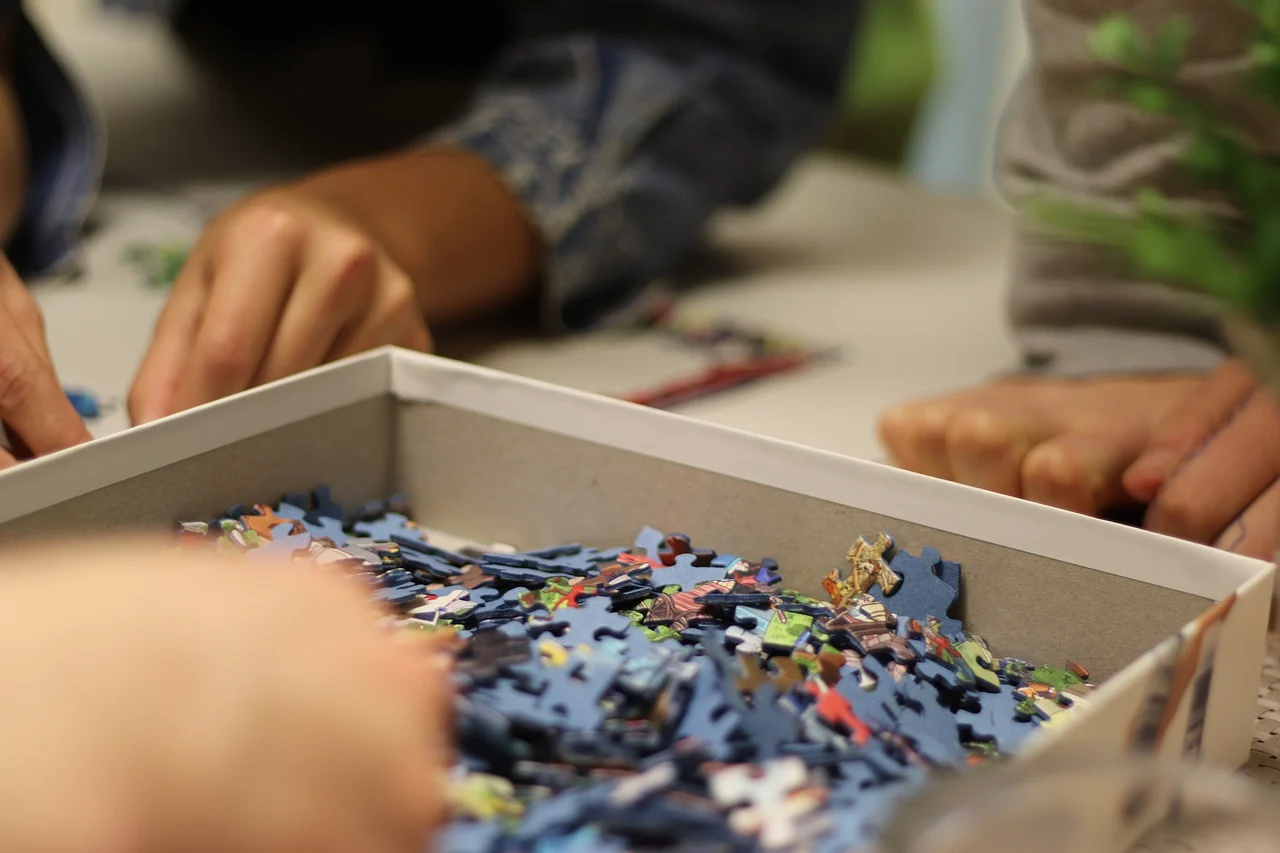
Puzzle Sets and Construction Kits: Toys that challenge children to fit pieces together or build structures require problem-solving and sometimes collaboration, encouraging discussion and shared strategies.
These toys act as catalysts, prompting children to interact, negotiate, and co-create, rather than passively consume content.

How Toys Encourage Problem-Solving and Creativity
Toys that promote real-world interaction often share key characteristics:
-
Open-Ended Design: They allow multiple ways to play, adapt, or combine elements. For example, modular construction sets or stackable blocks give children freedom to create unique outcomes.
-
Collaborative Potential: Toys that can be shared naturally invite multiple participants. Cooperative games, building sets, and pretend-play toys provide opportunities for negotiation and role-sharing.
-
Challenges and Experiments: Toys that encourage experimentation—like water tables, magnetic building kits, or simple science kits—let children test hypotheses, observe results, and adjust strategies, all while communicating their ideas to others.
-
Age-Appropriate Complexity: Wholesalers must consider the developmental stage of children. Toys that are too simple may bore older kids, while overly complex toys may frustrate younger ones. Providing the right challenge encourages engagement and repeated interaction.
Selecting Toys for Wholesale Buyers
For B2B buyers, the goal is to stock toys that are both educational and commercially viable. When selecting toys that foster real human interaction:
-
Focus on Timeless Concepts: Open-ended toys, plush animals, and simple puzzles have lasting appeal because they are not tied to trends or screen-based entertainment.
-
Consider Bulk Orders and Customization: Toys that allow branding, logo placement, or unique packaging are particularly attractive for wholesalers seeking differentiation.
-
Safety and Certification: Ensure toys meet international safety standards, including non-toxic materials and age-appropriate design. Safe toys inspire trust among both parents and retailers.
-
Versatility Across Settings: Toys suitable for home, daycare, or educational environments have broader market appeal, increasing sales potential for bulk buyers.
Case Examples
-
A simple building block set can be used in preschool classrooms to teach basic engineering concepts, while at home, children use the same blocks to tell stories or create imaginary worlds.
-
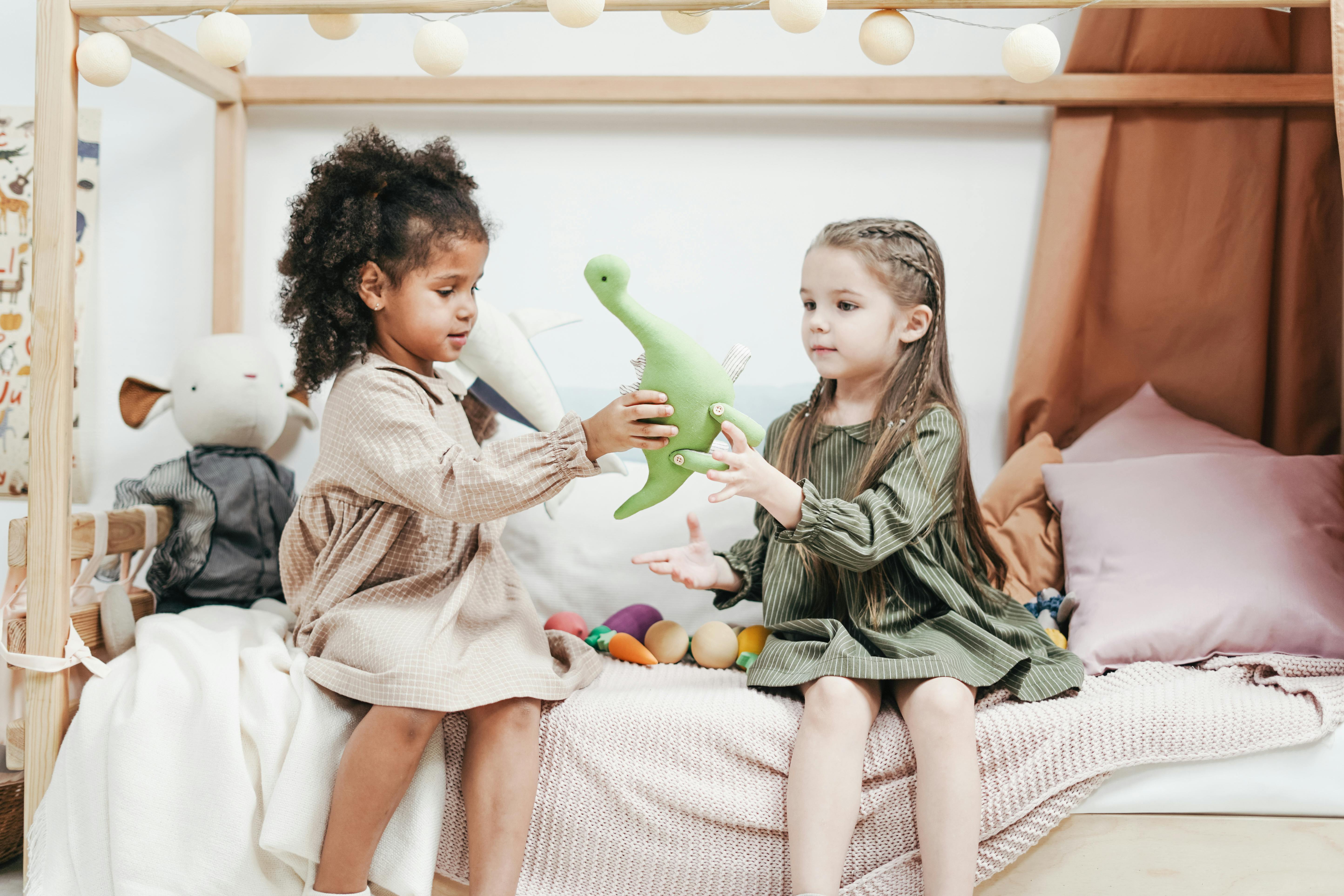
Plush animals that are quiet and open-ended enable kids to act out social scenarios, developing empathy and emotional intelligence.
-
Magnetic construction kits or DIY experiment sets allow multiple children to work together, test ideas, and iterate solutions, enhancing collaborative problem-solving.
These examples demonstrate that toys promoting real human interaction are versatile, educational, and commercially attractive.
Why B2B Buyers Should Consider Interactive Toys
-
Long-Term Market Stability
Interactive toys rarely rely on trends or short-lived digital features. Because they are rooted in universal play behaviors—building, storytelling, role-play—they maintain steady demand across seasons and different global markets. This provides wholesalers with more predictable sales performance. -
Growing Demand for Purposeful Play
Parents and educators are increasingly choosing toys that support meaningful development instead of passive entertainment. Products that encourage collaboration, imagination, and hands-on exploration naturally become preferred choices, allowing B2B buyers to tap into a steadily expanding consumer interest. -
Versatility Across Multiple Sales Channels
Open-ended toys can fit into various product categories: early learning, preschool, STEM, classroom supplies, gifts, and even seasonal assortments. Their adaptability reduces the risk for international buyers who must manage diverse regional needs and shifting consumer behaviors. -
Better Inventory Turnover
Because these toys do not become outdated, they avoid the “sudden drop” problem common in trend-based categories. This leads to a healthier turnover rate for retailers and distributors, helping them maintain consistent revenue cycles rather than relying on one-time hype. -
High Repeat-Purchase Potential
Schools, childcare centers, and educational institutions replenish interactive toys regularly. Parents often return for expansions—extra blocks, additional characters, or upgraded sets. For B2B buyers, this creates natural reorder opportunities and more dependable long-term profitability.
Zhorya: Your Partner for Wholesale Interactive Toys
At Zhorya, we specialize in offering a wide selection of toys that promote real human interaction and creativity. Our catalog includes building blocks, plush animals, puzzles, and experiment kits—all designed to foster imagination, problem-solving, and collaborative play.
For B2B buyers, we provide:
-
Competitive factory-direct pricing suitable for bulk and international orders
-
Customizable options including logo placement and packaging to match your brand
-
Reliable quality and safety standards across all products
-
Fast shipping and flexible order quantities to meet your business needs
Whether you are a distributor or a retailer, Zhorya makes it easy to stock toys that truly matter—products that inspire creativity, interaction, and learning in children around the world.
Conclusion
Toys that encourage real human interaction play a meaningful role in how children learn, connect, and grow. In a world dominated by screens and fast digital content, these simple, open-ended products bring children back to the kind of imaginative and social play that truly shapes development. For B2B buyers, choosing toys that inspire creativity, communication, and hands-on exploration is not only good for children—it also meets rising market demand for purposeful, high-value play experiences. By focusing on quality, versatility, and interaction-driven designs, businesses can offer products that stay relevant, appeal to a wide audience, and deliver long-term value.