Login
Join Free
Categories
My Orders
Wish
Cart
0m³/0m³

English
English
 Русский язык
 中文
中文
From “Summer-Only” to Year-Round Bestsellers: How to Structure Your Outdoor Toy Orders
2026-04-10 09:01:48
If you've ever stocked up on outdoor toys for summer, you probably already know the pattern.
Sales move fast at the beginning. Water guns, beach buckets, and sand toys start flying off the shelves. Everything looks promising—until it doesn't.
Once the peak season passes, things slow down. Inventory that once felt like a strong investment suddenly becomes difficult to move. Products sit longer, storage pressure builds, and margins start shrinking as discounts become necessary.
This is one of the most common challenges buyers face when working with outdoor toys.
But the issue is not the category itself.
It's how the order is structured.
The Real Problem: Outdoor Toys Are Not Actually "Seasonal"
Most buyers treat outdoor toys as a summer-only category. That's where the problem begins.
When your entire order is built around products like:
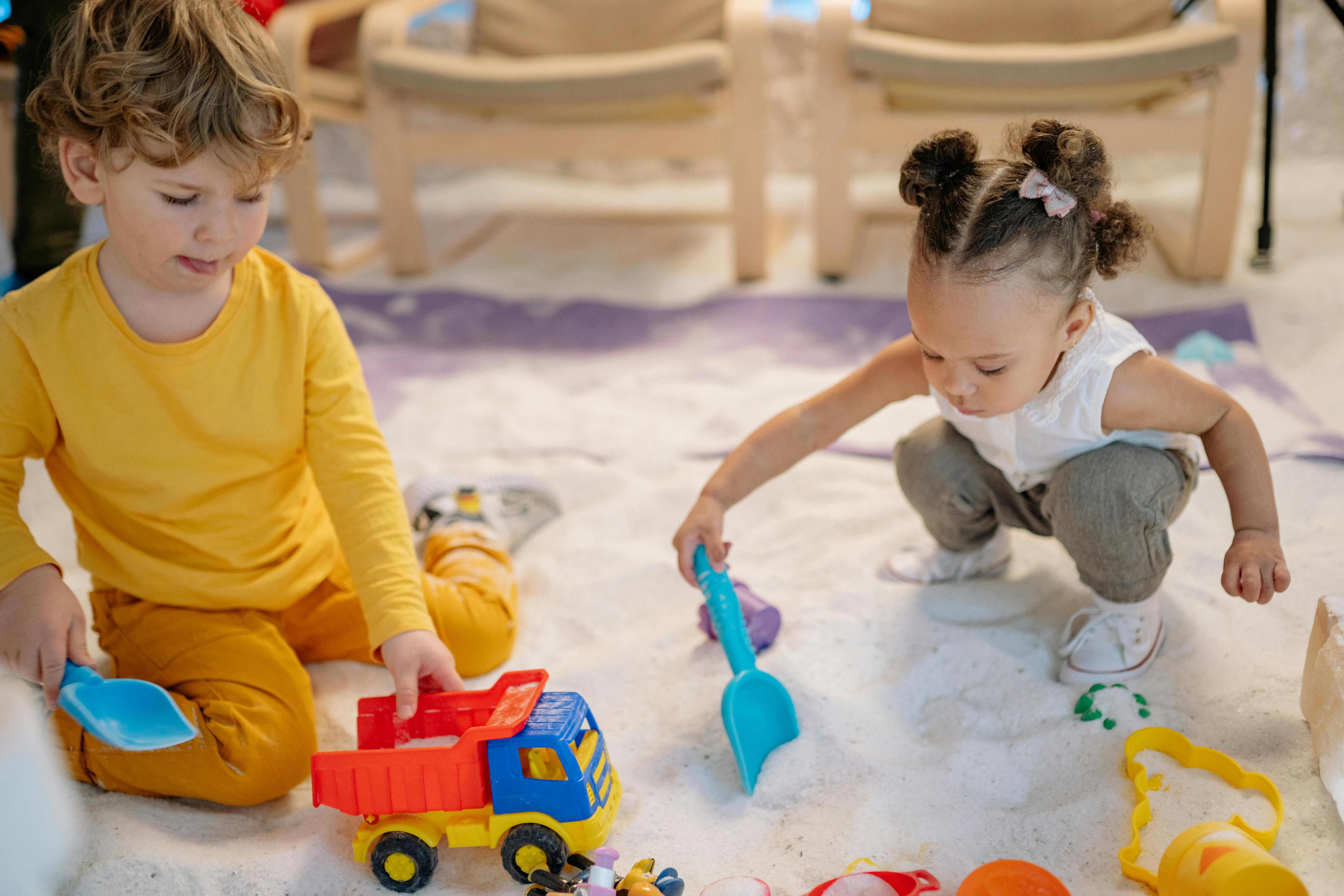
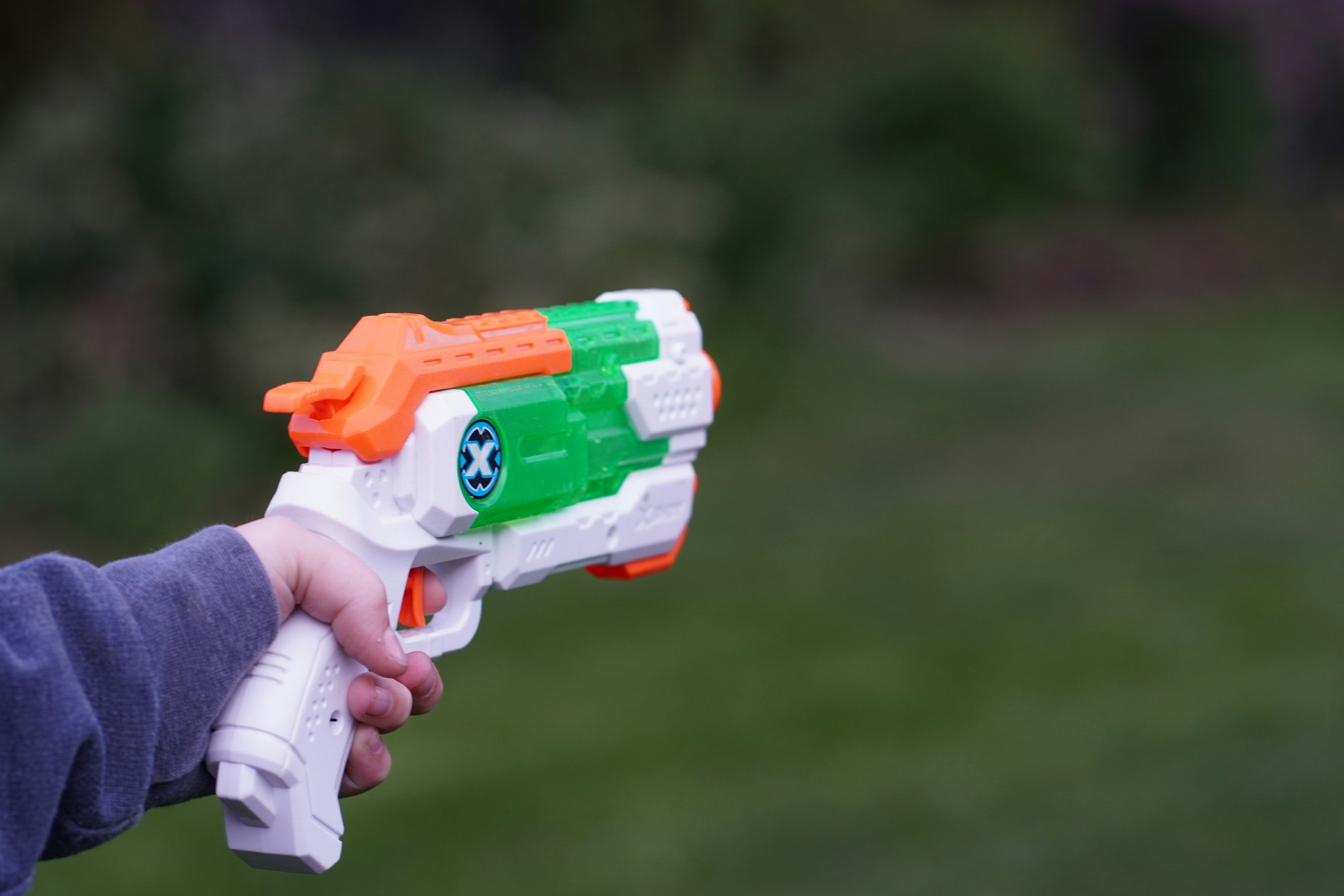
- Water guns
- Beach buckets
- Sand playsets
- Water tables
You are naturally limiting your sales window to just a few months.
Once weather conditions change, demand drops—not because people stop buying toys, but because your product mix no longer matches how customers play.
Outdoor play doesn't disappear after summer.
It simply changes.
And if your product selection doesn't adapt, inventory slows down.
A Smarter Way to Think About Outdoor Toy Orders
Instead of asking:
"What sells in summer?"
A better question is:
"What can sell before, during, and after summer?"
This shift sounds simple, but it completely changes how you build your order.
The goal is not to remove seasonal products. They are still important.
The goal is to balance them with products that keep selling when the season changes.
Step 1: Build a Three-Layer Product Mix
One of the most effective strategies is to divide your outdoor toy order into three categories.
1. Fast-Moving Seasonal Products (Traffic Drivers)
These are your attention grabbers.
They bring customers in and generate quick sales during peak months.
Typical examples include:
- Water guns
- Beach buckets
- Sand toys
You still need them—but you should control the quantity.
Overloading your order with these products is what creates leftover stock later.
2. Transitional Products (Extend Your Selling Window)
This is where many buyers miss opportunities.
Transitional products are items that are not limited to extreme heat or specific weather conditions. They can sell across multiple seasons.
Examples include:
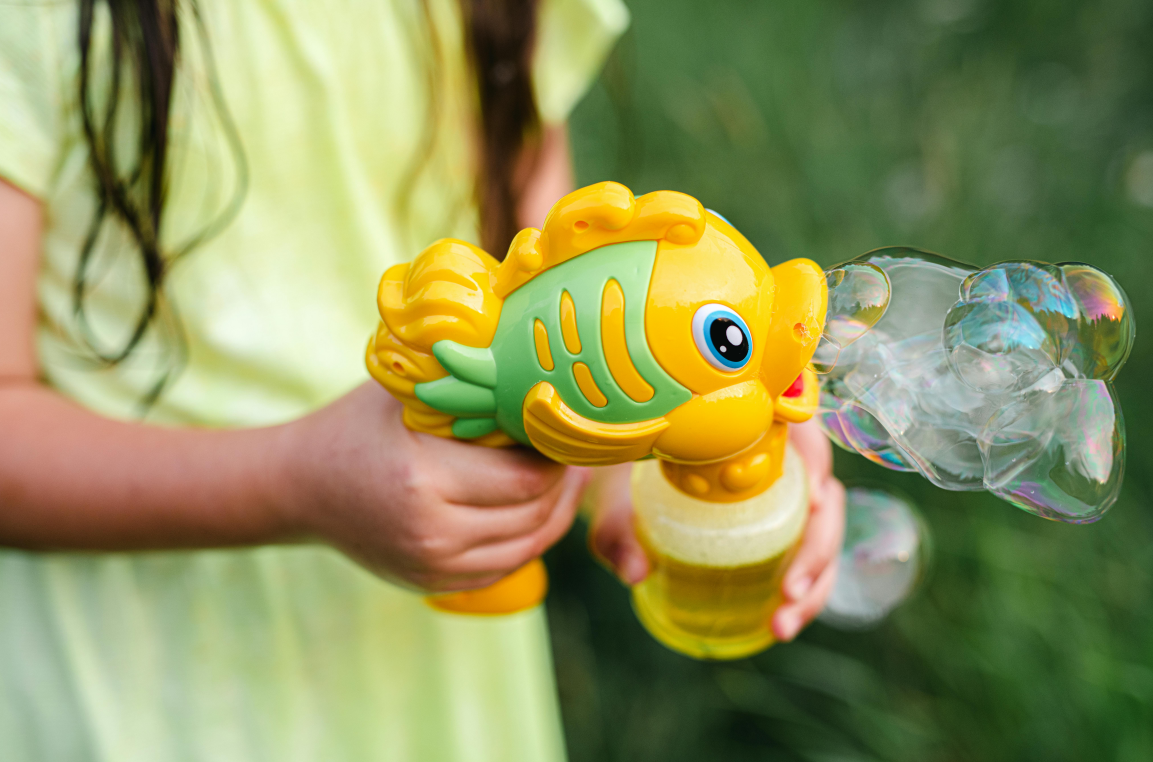
- Bubble toys
- Lightweight sports toys
- Outdoor activity sets
These products don't rely on summer alone. They help you continue selling when peak demand starts slowing down.
3. All-Season Products (Your Stability Layer)
This is what keeps your business moving even when outdoor demand fluctuates.
These products are flexible. They can be used both indoors and outdoors, or across different occasions.
Examples include:
- Ride-on cars
- Small playsets
- Educational outdoor toys
If your order includes enough of these, you reduce the risk of "dead stock" significantly.
Step 2: Stop Placing One Big Seasonal Order
A common approach is to place one large order before summer to secure better pricing.
On paper, this makes sense.
In reality, it increases risk.
If demand is slightly lower than expected—or trends shift—you are left holding too much inventory.
A more practical approach is:
- Start with a test order
- Monitor which products move faster
- Reorder based on real demand
This gives you flexibility instead of locking your budget too early.
Step 3: Use Bundling to Increase Sell-Through
If you want products to move faster, don't just sell them individually.
Bundle them.
Bundling helps you:
- Increase perceived value
- Move slower items together with fast sellers
- Create new use scenarios
For example:
- Combine water toys with bubble toys
- Add small accessories to sand bucket sets
- Create "activity kits" instead of single products
This simple change can extend the life cycle of seasonal products and improve overall turnover.
Step 4: Adjust How You Position the Same Product
You don't always need new products to keep sales going.
Sometimes, you just need a different angle.
For example:
A water toy doesn't have to be only a "summer cooling item."
It can also be:
- A party toy
- A group activity item
- A gift set component
Similarly, sports toys can be positioned for:
- Indoor play
- Family activities
- School use
When you adjust positioning, you extend how long a product remains relevant.
Step 5: Focus on Turnover, Not Just Price
It's easy to focus on getting the lowest unit cost.
But for outdoor toys, that's not always the most important factor.
A product that sells quickly—even at a slightly lower margin—can generate more profit over time than a cheaper product that sits in storage.
What matters more is:
- How fast you can sell it
- How often you can reorder it
- How much inventory risk you carry
A balanced order helps you stay flexible and responsive.
Step 6: Add Trends Carefully (Not Aggressively)
Trendy products—like sensory toys or novelty outdoor items—can boost sales quickly.
But they are also unpredictable.
Instead of building your order around trends, use them as a supplement:
- Test small quantities
- Observe how customers respond
- Expand only if demand remains stable
This keeps your inventory safer while still capturing new opportunities.
Why This Strategy Works
When you shift from a "summer-only" mindset to a "year-round" structure, several things improve:
- Your inventory becomes easier to manage
- Your cash flow becomes more stable
- Your product range becomes more flexible
- Your risk of unsold stock decreases
You are no longer relying on a single peak season to succeed.
Instead, you build a system that keeps selling.
About Zhorya
If you are looking to apply this kind of strategy, having the right product range makes a big difference.
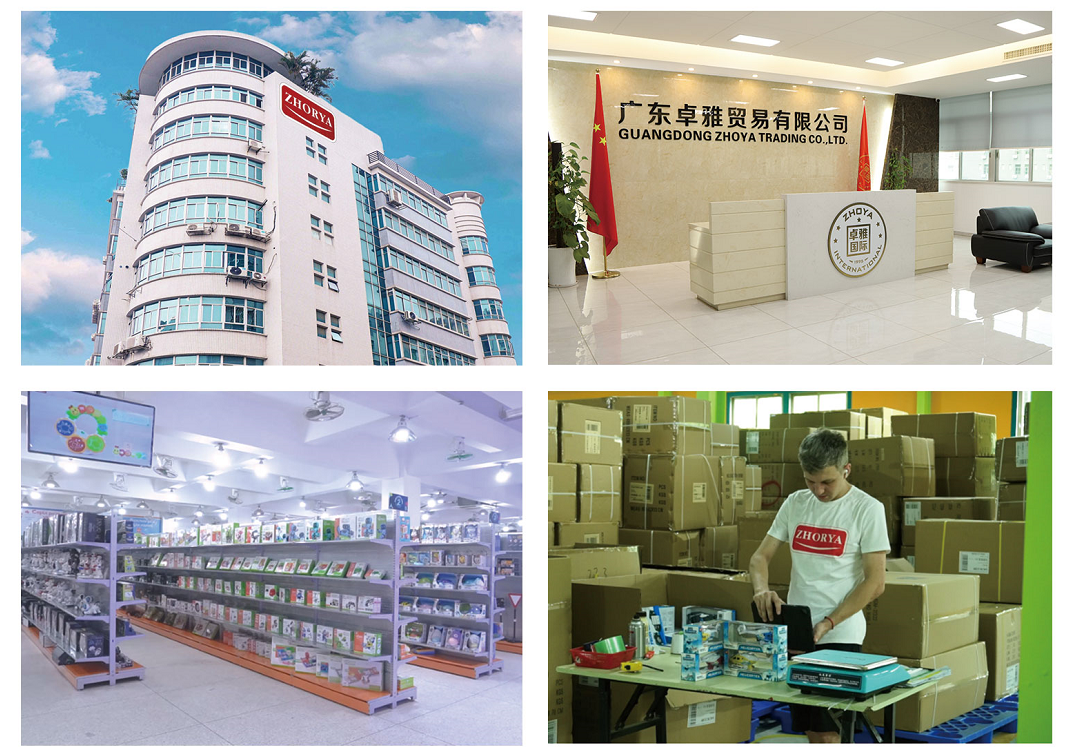
Zhorya, based in China, focuses on providing outdoor toys that are not limited to one season.
Instead of offering only typical summer items, the range covers:
- Water play toys for peak season
- Transitional products that extend selling time
- All-season toys that support steady turnover
This makes it easier to create balanced orders without needing multiple suppliers.
In addition, Zhorya supports:
- Custom packaging and branding
- Flexible order combinations
- Product variations for different markets
For buyers, this means more control—not just over what you sell, but how you sell it.
Conclusion
Outdoor toys don't have to be a high-risk, short-term category.
The difference comes down to how you plan your order.
If you rely only on summer-driven products, you will always face the same cycle: fast sales followed by slow inventory.
But if you build a balanced mix—combining seasonal, transitional, and all-season products—you create a more stable and scalable business.
Instead of chasing one strong season, you create consistent sales throughout the year.
And that is where long-term growth comes from.