Login
Join Free
Categories
My Orders
Wish
Cart
0m³/0m³

English
English
 Русский язык
 中文
Multi-Play Toys: Trends and Sourcing Tips for Wholesale Buyers
2026-10-24 09:01:30
A toy that offers only one activity may attract attention at first, but a product that gives children different ways to play can offer more reasons to return to it. This idea is becoming increasingly visible in products that combine games, photography, role-play, character interaction, and collectible elements.
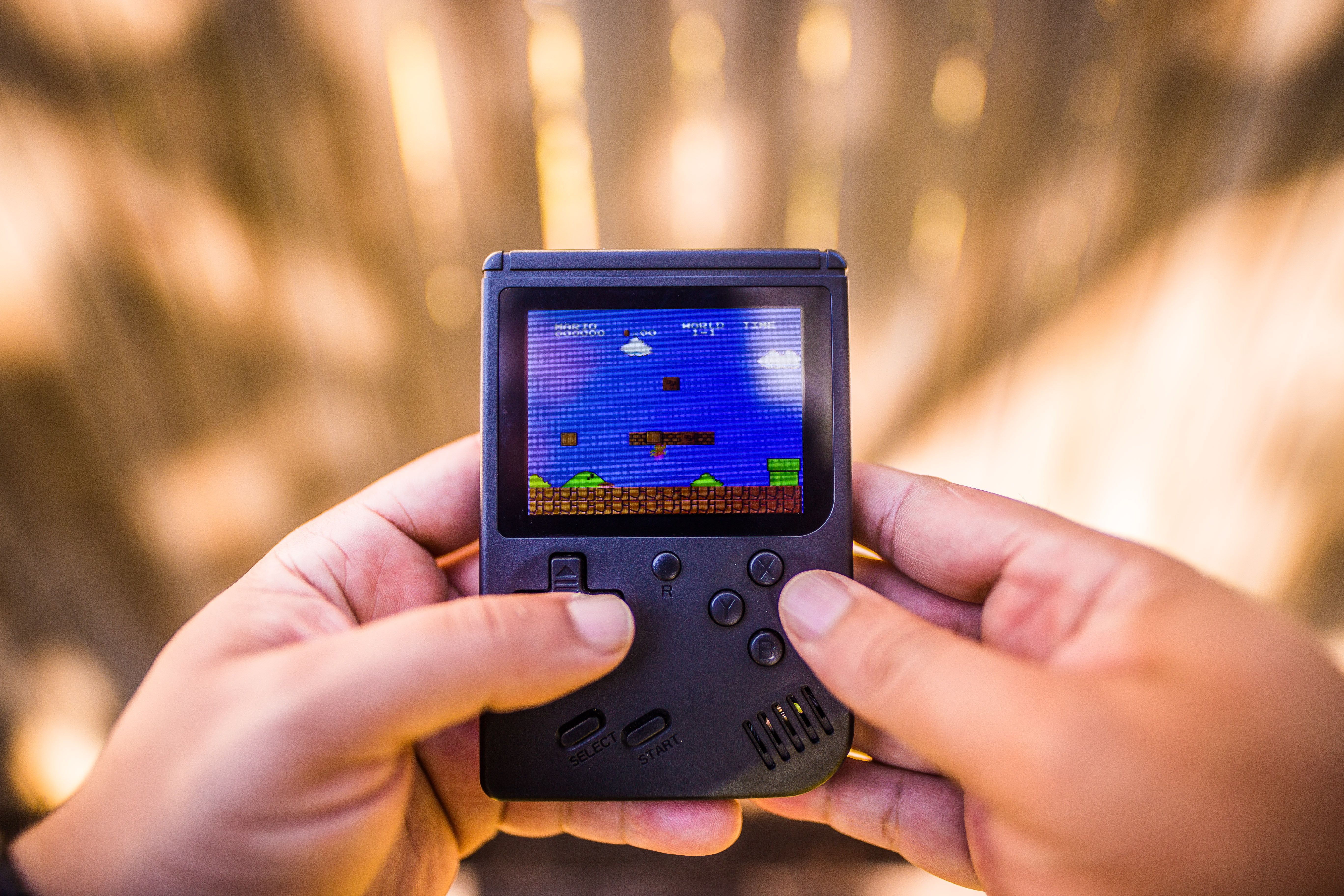
In October 2026, Pop Mart introduced its THE MONSTERS beverage-themed handheld game device, featuring virtual shop management, mini-games, photography, and interactions between devices. Meanwhile, Bandai's Tamagotchi has continued to develop its virtual pet concept through new features and product generations.
Although these products target different play preferences, both illustrate how a toy can offer more than a single activity. Instead of focusing exclusively on appearance or one basic function, they give users different ways to engage with a product over time.
For toy retailers, importers, and wholesalers, this development raises an important question: What makes a toy worth adding to a product range when customers have so many options?
Looking at multi-play toys offers a useful starting point for understanding how play experiences can influence product selection.
What Makes a Toy a Multi-Play Product?
Multi-play toys combine two or more activities within one product or play experience. The activities may be connected to each other, or they may offer different ways to use the same toy.
For example, an electronic toy might combine sound effects, movement, and simple games. A playset could include role-play accessories, movable components, and interactive features. A character toy might allow children to change outfits, arrange accessories, and create different play scenarios.
These products do not necessarily need advanced technology. The key characteristic is that they provide more than one meaningful way to play.
Several product types illustrate this idea:
-
Electronic game toys: Products combining buttons, sound, lights, simple challenges, or multiple game modes.
-
Role-play toys: Playsets that let children act out different everyday activities, such as shopping, cooking, or running a small store.
-
Interactive character toys: Toys featuring movement, sound, responses, or other functions that encourage repeated interaction.
-
Creative play toys: Products that allow children to decorate, assemble, customize, or rearrange components.
-
Collectible toys with play features: Character-based products that combine collecting with activities such as dressing up, building scenes, or playing simple games.
These categories can overlap. A single product may combine role-play and electronic functions, for example, giving it more than one potential selling point.
Two Ways Toy Play Experiences Are Evolving
1. From One-Time Novelty to Repeat Interaction
A new toy may initially attract attention through its appearance, packaging, or unusual function. However, products that offer additional activities can give children more reasons to use them after the first few play sessions.
Tamagotchi provides a familiar example. Its central idea is virtual pet care, but successive generations have introduced additional features and different ways to interact with virtual characters. The experience extends beyond a single action because the pet changes as the player continues engaging with it.
Pop Mart's new handheld device takes a different approach by combining virtual shop management, mini-games, photography, and collectible digital items.
For retailers, these examples highlight a useful distinction: a toy's initial appeal and its ongoing play value are not necessarily the same thing.
When comparing products, consider whether the features create genuinely different activities or simply repeat the same action with minor variations. A product with several connected activities may offer a more varied experience than one with multiple functions that do not meaningfully change how it is used.
2. From Individual Play to Shared Experiences
Some toys are designed primarily for individual use, while others encourage interaction with friends, family members, or other players.
Board games, multiplayer toys, role-play sets, and certain electronic toys create opportunities for shared activities. More recently, some digital toy products have introduced device-to-device interactions and location-based experiences.
The social element can also extend beyond the toy itself. Character-themed activities, themed retail displays, and opportunities to share customized creations can become part of the overall experience.
This does not mean every toy needs a connected feature or multiplayer function. The more important consideration is whether the product suits the way its intended audience likes to play.
For a toy shop, a simple game designed for two players may be a more suitable choice than a technologically advanced product requiring compatible devices. The right option depends on the target age group, price positioning, and local customer preferences.
What Toy Retailers Should Consider When Selecting Multi-Play Toys
New product concepts can create opportunities, but not every multifunctional toy is suitable for every market. Before adding these products to a range, it helps to evaluate several factors.
Match the Play Experience to the Intended Audience
Age suitability should be the starting point. Younger children may prefer straightforward actions, accessible controls, and visible responses, while older children may enjoy more complex games, customization, or collection features.
The packaging, instructions, and product design should make the intended age range clear. Small components, batteries, charging systems, and other product characteristics also need to be considered in relation to the target age group.
Evaluate the Actual Play Value
A long feature list does not necessarily make a toy more appealing. What matters is how those features work together.
For example, a role-play set may offer several activities through its accessories and layout. An electronic toy may provide different game modes, but its usefulness depends on whether those modes are enjoyable and easy to understand.
If possible, examine product demonstrations, sample units, and instructions before making a purchasing decision. Check whether the features work as described and whether children can use them without excessive setup.
Consider Price Positioning and Product Range
Multi-play toys can vary widely in size, materials, functions, and retail positioning. A simple battery-operated toy and a handheld digital device may both offer multiple activities, but their costs, target audiences, and purchasing considerations can be very different.
Rather than selecting products based only on the number of features, compare their overall value with similar products in the intended market.
It is also worth considering how these items fit into an existing assortment. A retailer may choose a few feature-rich products as higher-priced options while maintaining simpler toys for customers seeking more accessible price points.
A balanced range gives customers more choices without relying entirely on one product type or price level.
Check Safety, Quality, and Market Requirements
Additional functions can introduce additional considerations. Electronic products may require closer attention to battery compartments, charging components, electrical safety, and durability. Toys with multiple accessories or moving parts may require checks for small parts, mechanical hazards, and material quality.
Applicable requirements differ by destination market, product design, and intended age group. Before placing an order, confirm the relevant testing, documentation, labeling, and certification requirements with the supplier and appropriate compliance professionals.
For imported products, these checks should form part of the sourcing process rather than being left until the goods are ready to ship.
Explore Multi-Play Toys with ZHORYA
Looking for toys that offer more than one way to play? ZHORYA offers a wide range of toys for wholesale, including electronic toys, battery-operated toys, role-play toys, and other products featuring engaging play experiences. These options give toy wholesalers, importers, and retailers more choices when selecting products for their markets.
With a broad selection of toys in different styles and designs, ZHORYA makes it easier to explore products that suit different market preferences. Browse our toy collection to discover more wholesale toys, or contact us for further information.

Conclusion
Multi-play toys bring together different ways to engage with a product, from electronic games and interactive features to role-play and creative activities. For toy retailers, wholesalers, and importers, exploring these products can open up more options when selecting toys for their markets.
ZHORYA offers a wide range of wholesale toys, including electronic toys, battery-operated toys, role-play toys, and more. Explore our toy collection to discover products for your business.
Get Your Free Quote
We will reply within 24 hours.