Login
Join Free
Categories
My Orders
Wish
Cart
0m³/0m³

English
English
 Русский язык
 中文
中文
What Retailers Should Know About Kids Bike Materials
2026-02-24 09:17:33
Children's bicycles may look simple on the sales floor, but behind every model is a series of material decisions that directly affect pricing, durability, safety perception, and return rates. For retailers, understanding these materials is not about engineering theory. It is about inventory risk management, margin protection, and customer trust.
Parents today are more informed than ever. They compare bike weight, frame composition, braking systems, and corrosion resistance before making a purchase. If a retailer cannot clearly explain why one bike costs more than another, the sale often shifts to price competition.
This guide breaks down kids bike materials from a retail purchasing perspective — focusing on what impacts sell-through, after-sales issues, and long-term profitability.
1. Frame Material: The Foundation of Pricing Strategy
The frame determines both production cost and perceived value. For retailers, choosing the right mix of frame materials is critical.
Steel Frames: Entry-Level Stability
Steel remains common in beginner bicycles.
Retail considerations:
-
Lower landed cost
-
Strong impact resistance
-
Higher weight
-
Requires anti-rust treatment
Steel bikes are suitable for price-sensitive markets and first-time riders. However, heavier bikes can be harder for young children to control. That sometimes leads to customer complaints about maneuverability rather than quality defects.
If you stock steel models, confirm that the factory uses proper powder coating or anti-corrosion treatment. Rust-related returns can erase margin quickly, especially in humid regions.
Steel works best when positioned as:
-
Budget-friendly
-
Durable
-
Ideal for short-term learning stages
Aluminum Alloy Frames: Mid-Range Advantage
Aluminum frames have become increasingly popular because weight matters more than many retailers assume.
Parents often lift the bike in-store. A noticeable weight difference can directly influence purchase decisions.
Retail advantages:
-
Lightweight and easier handling
-
Natural corrosion resistance
-
Stronger premium perception
-
Better resale potential
However, aluminum quality varies. Retail buyers should confirm:
-
Tube thickness
-
Welding consistency
-
Stress-point reinforcement
Aluminum bikes support higher price positioning and typically generate stronger margins when marketed properly.
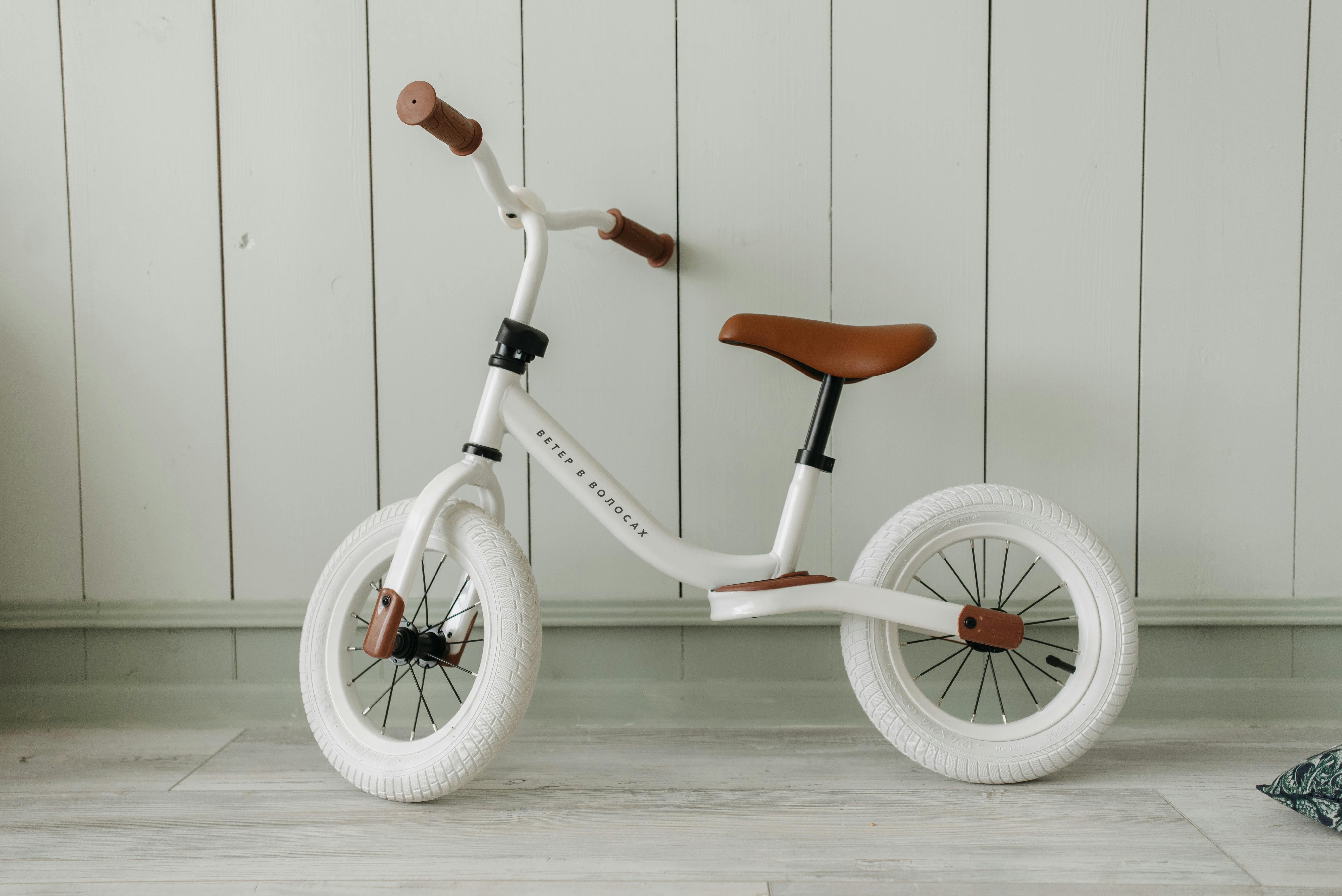
2. Weight: A Selling Tool, Not Just a Spec
Many retailers underestimate how important overall bike weight is.
For children aged 3–7, a heavy bicycle reduces riding confidence. Parents notice this quickly.
Lighter bikes:
-
Improve safety perception
-
Reduce fatigue
-
Justify higher pricing
If you stock multiple models, compare total assembled weight rather than frame material alone. Rim material, fork design, and tire type all contribute.
Displaying weight clearly on tags can improve conversion rate.
3. Fork Construction and Structural Strength
The fork absorbs front-end impact. Weak forks create safety risk and potential liability.
Common materials:
-
High-tensile steel
-
Aluminum alloy
Retailers should verify:
-
Alignment accuracy
-
Impact resistance
-
Load capacity
Structural weakness may not show immediately but can lead to bending after minor collisions.
When evaluating suppliers, inspect weld smoothness and finishing around the fork crown. Rough welding can signal inconsistent quality control.
4. Wheels and Rims: Hidden Cost Factors
Wheel quality significantly affects durability and braking performance.
Steel Rims
-
Lower cost
-
Heavier
-
More prone to corrosion
Aluminum Rims
-
Lighter
-
Better braking performance
-
Rust-resistant
If your target market includes active riders or slightly older children, aluminum rims are generally a safer long-term choice.
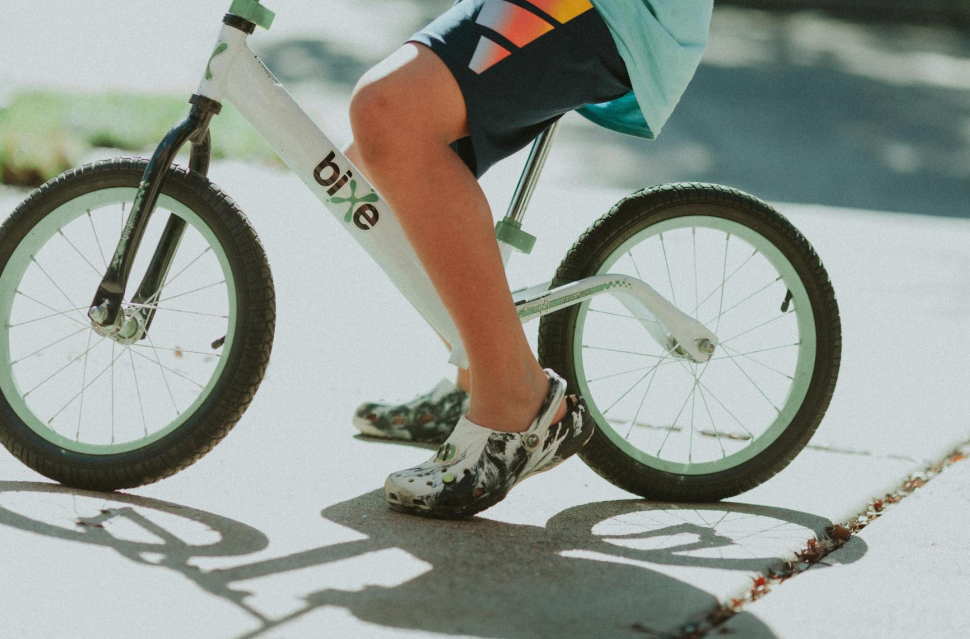
5. Tire Materials: Maintenance vs Riding Comfort
Retailers must match tire type to customer expectations.
EVA Foam Tires
-
Puncture-proof
-
Low maintenance
-
Common in balance bikes
These are ideal for younger children and urban environments where parents prioritize convenience.
Air-Filled Rubber Tires
-
Better shock absorption
-
Smoother ride
-
More traditional cycling experience
However, they require inflation maintenance and may increase after-sales inquiries.
Choose based on:
-
Target age group
-
Usage environment
-
Parent preference for maintenance simplicity
6. Brake Systems and Small-Hand Ergonomics
Brake systems impact both safety and customer satisfaction.
Coaster (Foot) Brakes
-
Easy for beginners
-
Lower mechanical complexity
Hand Brakes
-
Suitable for older children
-
Requires stronger grip
Retailers should test lever size. Oversized levers frustrate small riders.
Cable quality also matters. Poor coating leads to rust and stiffness.
Safety-related components are not areas to compromise for minor cost savings.
7. Surface Coating and Long-Term Appearance
Paint quality affects shelf appeal and durability.
Look for:
-
Multi-layer powder coating
-
UV resistance
-
Smooth, even finish
Retailers should avoid products with uneven coating thickness or sharp paint edges, which may chip easily.
A visually strong bike sells faster. A faded or scratched unit stays longer in inventory.
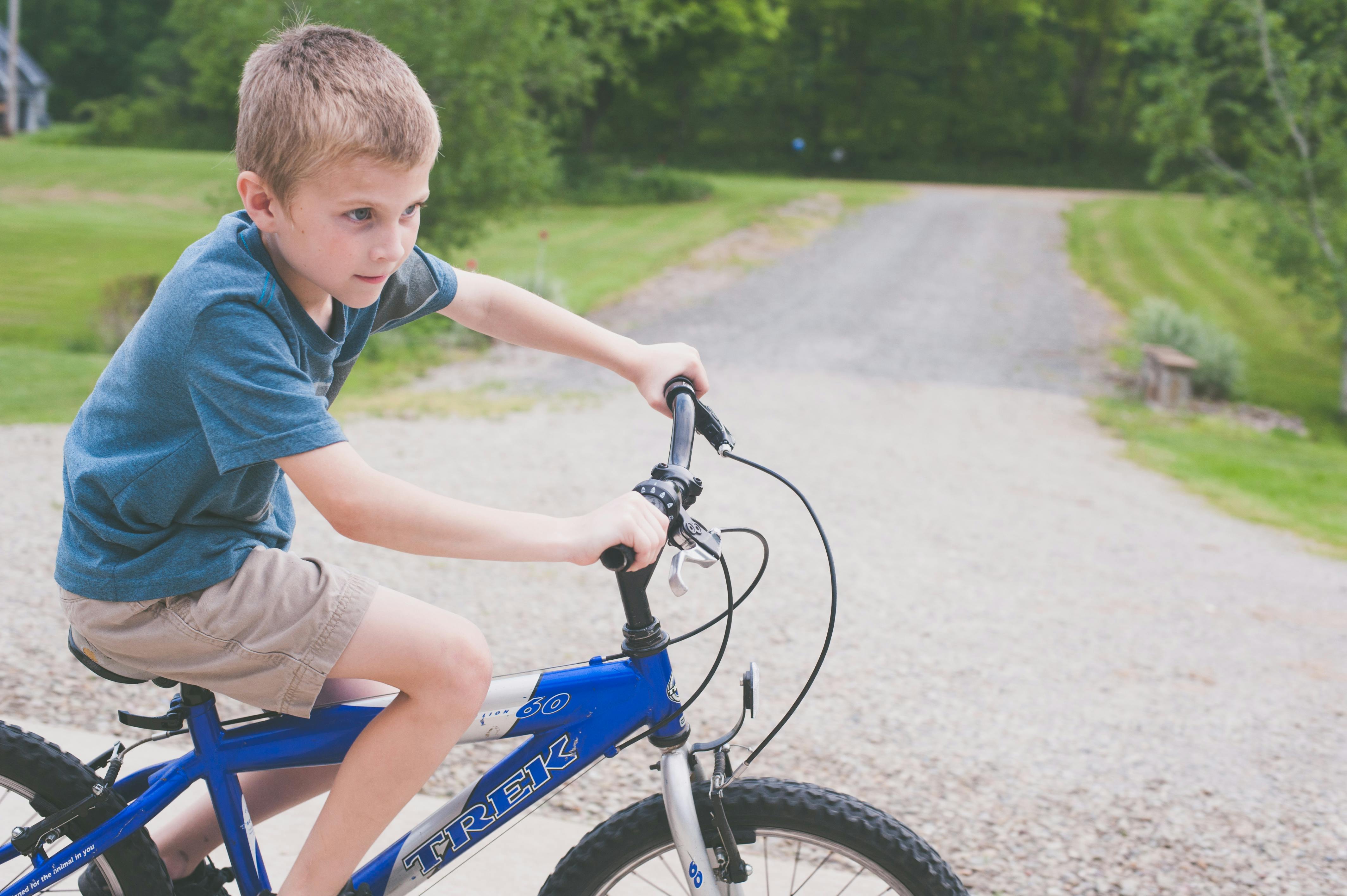
8. Plastic Components and Safety Parts
Chain guards, pedals, and grips often determine whether a product feels safe or fragile.
High-quality chain guards should:
-
Fully cover moving parts
-
Use durable ABS or reinforced PP
-
Avoid sharp edges
Pedals should:
-
Offer anti-slip surface
-
Withstand impact without cracking
Low-grade plastics increase return risk.
Inspect these components closely during sourcing visits or sample evaluations.
9. Balancing Price Levels in Your Inventory
Material selection should align with tiered pricing strategy.
A balanced assortment may include:
-
Steel-frame entry models
-
Aluminum mid-range options
-
Lightweight premium designs
Do not overstock one category unless your customer base is highly price-sensitive.
Making Smarter Purchasing Decisions
When sourcing kids bicycles, materials should never be evaluated in isolation.
Ask:
-
Does the frame material support my pricing strategy?
-
Will weight affect conversion in my market?
-
Are wheel and brake components durable enough to reduce returns?
Retail success in this category depends on selecting bikes that balance cost, safety perception, and long-term durability.
Why Retailers Work with Zhorya?
Zhorya supports retailers who need dependable children's bicycle options across multiple price levels. The focus is on practical design, material consistency, and scalable supply — not just appearance.
Retail buyers benefit from:
-
A wide range of kids bicycle models
-
Options in steel and aluminum frame constructions
-
Experience in international markets
For retailers aiming to build a long-term bicycle category rather than short-term promotional sales, working with a structured and experienced supplier makes a measurable difference.
Zhorya's children's bicycle range is designed to help retailers manage margin, reduce returns, and meet modern parent expectations — all while maintaining competitive pricing in global markets.
Conclusion
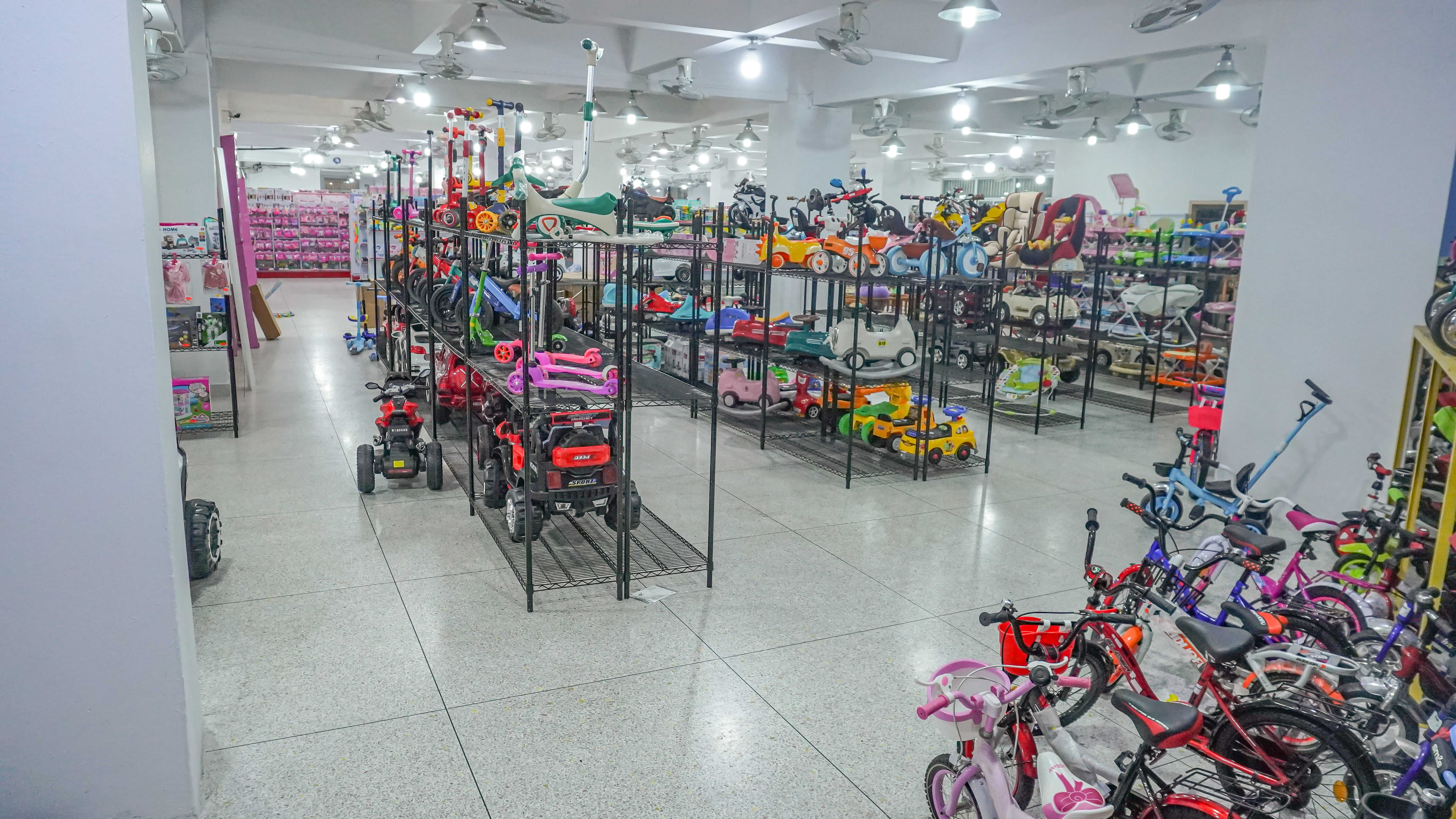
In summary, successful retail of children's bicycles hinges on informed material choices. Frame composition, weight, brakes, wheels, and coatings all influence safety perception, durability, and customer satisfaction. By balancing steel and aluminum options and prioritizing quality in tires, forks, and plastic components, retailers can protect margins, reduce returns, and meet modern parent expectations. Partnering with a reliable supplier like Zhorya ensures consistent material standards, scalable inventory, and a competitive edge in the market.