Login
Join Free
Categories
My Orders
Wish
Cart
0m³/0m³

English
English
 Русский язык
 中文
Evergreen vs. Trending Jigsaw Puzzle Themes: What Buyers Should Know
2026-10-21 08:57:40
A jigsaw puzzle's image is often the first thing that attracts attention. Two puzzles may have the same piece count and similar dimensions, yet appeal to different customers because of their artwork, subject matter, and overall presentation.
For toy importers, wholesalers, and retail buyers, choosing puzzle designs involves more than following the latest trend. Some themes have broad, long-term appeal, while others depend on a particular season, cultural moment, or audience interest. Understanding these differences can help buyers evaluate product ranges more carefully and avoid relying too heavily on a single type of design.
Why Jigsaw Puzzle Themes Matter to Toy Buyers
Puzzle themes influence how products fit into a retail setting. A colorful animal puzzle may appeal to families shopping for children, while a detailed landscape or art-inspired design may attract adult hobbyists and gift buyers.
The image also affects how easily a product communicates its appeal. A recognizable subject can make a puzzle easier to understand at a glance, whereas a distinctive illustration or unusual composition may attract customers looking for something different.
For wholesale buyers, the objective is not simply to find the most popular image. It is to identify designs that suit the intended audience, sales channel, and product range.
A useful starting point is to distinguish between evergreen themes and trend-led designs.
Evergreen Jigsaw Puzzle Themes for a Long-Term Product Range
Evergreen themes are subjects that can remain relevant without depending on a specific event or short-lived trend. Their appeal varies across markets and audiences, but they are not tied to a single season or cultural moment.
Nature and Landscapes
Mountains, forests, gardens, oceans, and scenic views offer a wide range of visual styles. Some designs use realistic photography, while others feature illustrated landscapes or stylized natural scenes.
The variety within this theme makes it possible to serve different preferences without changing the basic subject. A calm watercolor landscape, for example, creates a different impression from a detailed photograph of a mountain range.
Buyers can compare color palettes, image complexity, and overall presentation rather than treating all nature puzzles as interchangeable products.
Animals and Wildlife
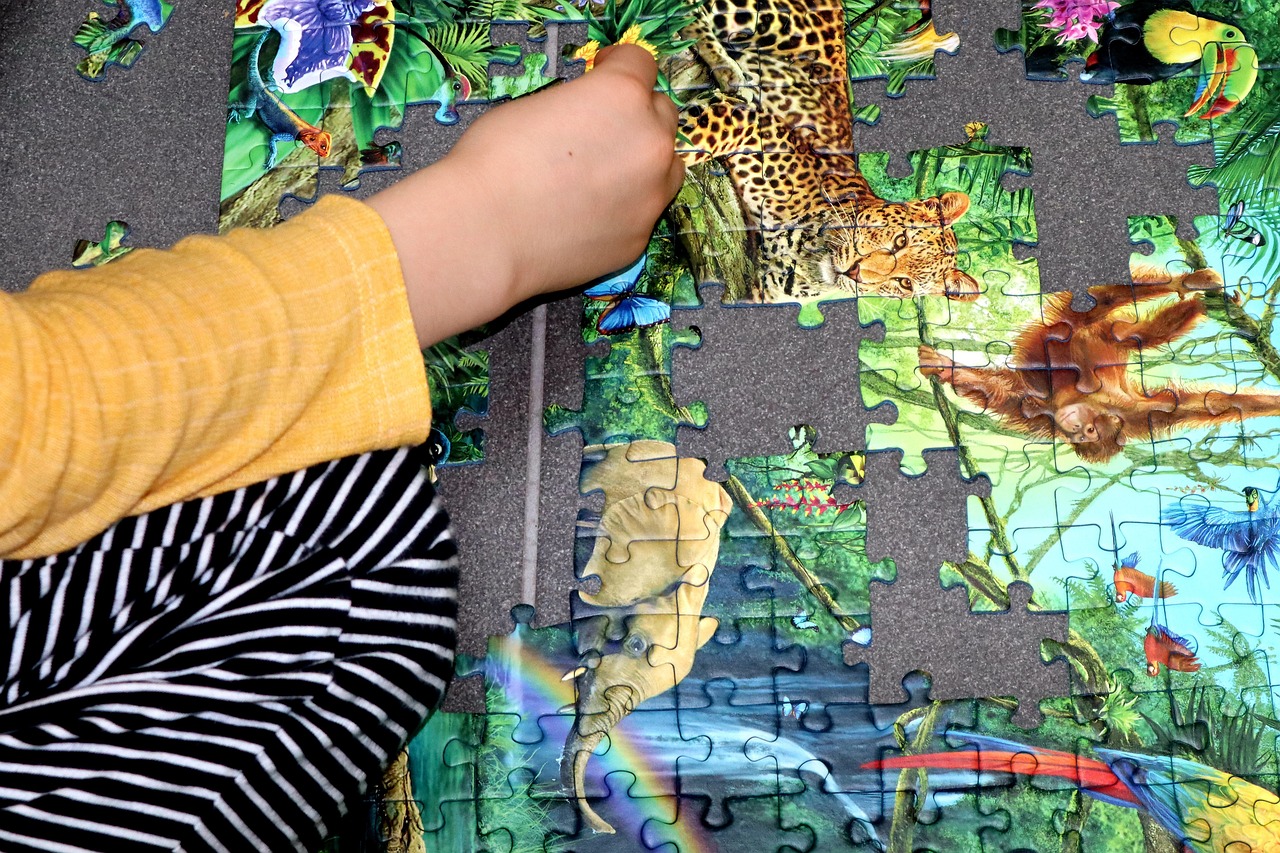
Animal imagery covers a broad range of subjects, including domestic animals, wildlife, birds, marine life, and illustrated animal characters.
For children's products, recognizable animals and clear visual groupings may be appropriate. More detailed wildlife illustrations can appeal to older users or people interested in nature.
When evaluating animal puzzles, buyers should consider the intended age group and visual style. Cute cartoon animals, realistic wildlife, and educational animal scenes serve different purposes even when they share the same subject.
Art, Architecture, and Cultural Scenes
Art-inspired images, architectural designs, city scenes, and historical settings can give puzzles a distinctive visual identity.
These designs may suit gift shops, bookstores, museum-related retail, and stores that carry products with an artistic or cultural focus. However, the relevance of a particular image depends on the local audience and the presentation of the finished puzzle.
Buyers should also check whether an image, artwork, or recognizable property requires permission for commercial use. A visually attractive design should not be selected without considering applicable intellectual property rights.
Trending Jigsaw Puzzle Themes and Emerging Opportunities
Trend-led designs respond to changing interests, entertainment releases, social conversations, or seasonal demand. They can help a product range feel current, but their appeal may be less predictable than that of established subjects.
Pop Culture and Fandom
Entertainment franchises, games, characters, and other recognizable properties can attract dedicated audiences. Their popularity, however, does not automatically translate into demand for every puzzle format or design.
Before selecting a fandom-related design, buyers should consider the intended audience, product format, timing, and availability of appropriate licensing documentation.
Licensed products may offer access to established fan communities, but buyers need to confirm that the relevant authorization covers the product and intended market. Unlicensed use of protected characters, logos, or other intellectual property can create commercial and import risks.
Seasonal and Holiday Designs
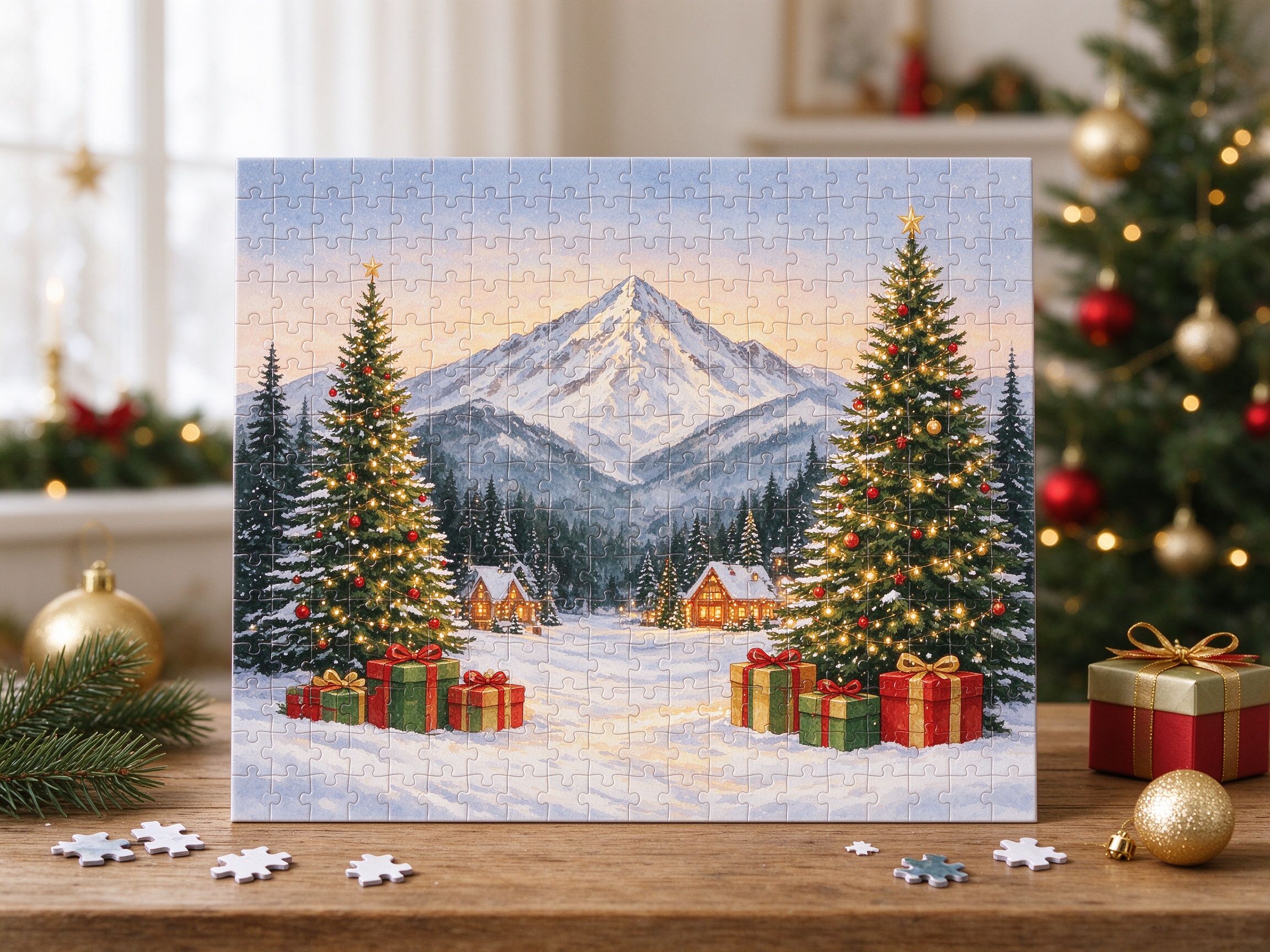
Christmas, Halloween, Easter, and other seasonal occasions create opportunities for themed products. Snowy landscapes, festive characters, spring flowers, and holiday illustrations can make a puzzle relevant to a particular gifting period.
The main consideration is timing. Buyers need to account for purchasing schedules, shipping lead times, and the period during which customers are likely to look for the product.
Seasonal designs may also have a shorter selling window than evergreen themes. A product that arrives after the main purchasing period can be difficult to position, even if the artwork is attractive.
For this reason, seasonal puzzles are best evaluated as part of a planned product range rather than as a replacement for designs that remain relevant throughout the year.
Emerging Visual Styles
Illustration styles, color palettes, and design aesthetics can influence how a puzzle looks alongside competing products. Retro graphics, minimalist artwork, bold colors, and unusual compositions may appeal to particular audiences at different times.
These styles are not necessarily short-lived trends. Some become established design approaches, while others receive attention only briefly.
Rather than assuming that a visual style will perform well because it appears frequently on social media, buyers can compare it with their existing products, intended audience, and the range of similar designs already available in the market.
Evergreen vs. Trending Jigsaw Puzzle Themes: Key Differences
The following comparison can help buyers assess the role each type of design might play in a puzzle range.
| Consideration | Evergreen Themes | Trend-Led Themes |
|---|---|---|
| Demand pattern | Not tied to one event or trend | May depend on timing and current interest |
| Common examples | Nature, animals, landscapes, art | Seasonal artwork, entertainment themes, emerging aesthetics |
| Main consideration | Relevance to the intended audience | Timing, audience interest, and trend durability |
| Potential challenge | Similar designs may be widely available | Interest may decline before stock sells through |
| Product planning | Suitable for a broad, ongoing range | May require closer attention to launch and selling periods |
Neither category is automatically better. Evergreen designs can still face strong competition, while a trend-led design can remain relevant for years if it develops lasting appeal.
The more useful question is how each design fits the intended product range.
How Wholesale Buyers Can Evaluate Jigsaw Puzzle Themes
Match the Theme to the Intended Audience
Start with the people most likely to buy the product. Children's toy retailers may prioritize bright illustrations, familiar subjects, and age-appropriate formats. Gift shops may look for distinctive artwork, attractive packaging, or designs connected to a particular occasion.
These are starting points, not fixed rules. Buyers should evaluate the actual products and local customer preferences rather than assuming that one theme suits every store in a category.
Consider the Full Product, Not Just the Image
Artwork attracts attention, but other product details also matter. Piece count, puzzle dimensions, material, cutting quality, packaging, and age grading all influence whether a product fits the intended market.
A complex image may be unsuitable for a product designed for younger children. Likewise, a simple illustration may not provide the level of challenge expected from an advanced adult puzzle.
Theme selection should therefore be considered alongside product specifications and quality requirements.
Check Whether a Trend Has Lasting Relevance
Before committing to a trend-led design, ask what is driving its appeal. Is the interest connected to a temporary event, an established hobby, a recognizable subject, or a broader design preference?
Look at the available evidence rather than relying on a single social media post. Search interest, competitor offerings, customer inquiries, and previous purchasing patterns can provide different perspectives.
No single signal guarantees future demand, but several consistent signals can support a more informed decision.
Review Intellectual Property and Compliance Requirements
Recognizable characters, entertainment properties, logos, and certain artworks may require authorization for commercial use. Buyers should confirm the relevant rights and documentation before placing orders for licensed designs.
Product safety requirements and labeling obligations should also be checked for the intended destination market. These requirements vary by product and country, so buyers should not assume that one set of documents covers every market.
Balance Variety With Practical Purchasing Constraints
A wide selection of themes can help a product range appeal to different customers, but adding more designs also affects purchasing decisions, stock planning, and storage.
Buyers should consider how each new design differs from existing products. A new landscape puzzle may offer little additional value if the current range already contains several very similar images. A different illustration style, audience, or seasonal use may create a clearer distinction.
The goal is not to carry every possible theme. It is to choose products with a clear reason for inclusion.
Building a Balanced Jigsaw Puzzle Product Range
A practical product review can begin with three questions:
-
Which themes are relevant to the intended customers throughout the year?
-
Which designs offer a meaningful difference from products already in the range?
-
Which trend-led products have a clear audience and a realistic purchasing timeline?
The answers will vary by market and sales channel. A toy store serving families may prioritize different designs from a gift shop focused on adult customers. Importers supplying several types of retailers may need to consider a broader mix.
It is also worth reviewing the range periodically. Customer inquiries, reorder patterns, seasonal results, and changes in competing products can reveal whether a theme deserves more attention or whether a different design direction should be tested.
A balanced range does not require an equal number of evergreen and trend-led products. The appropriate mix depends on the buyer's customers, inventory plans, and tolerance for uncertainty.
Explore Jigsaw Puzzles With ZHORYA Toys
A balanced jigsaw puzzle range can include both evergreen themes, which appeal to customers over time, and trending designs that reflect changing interests. Having both types gives buyers more options when building their product selection.
ZHORYA Toys offers a variety of jigsaw puzzles covering different themes and designs, including options for buyers interested in both classic and trend-led styles. Explore our Jigsaw Puzzle collection to see the available products and contact ZHORYA Toys to discuss wholesale purchasing requirements.

Conclusion
Choosing jigsaw puzzle themes involves balancing lasting appeal with changing customer interests. Evergreen designs can provide a consistent foundation for a product range, while trend-led themes offer opportunities to introduce fresh designs for specific audiences and occasions. For wholesale buyers, the key is to consider each design's target audience, product features, market relevance, and purchasing timeline before making a selection.
ZHORYA Toys offers a variety of jigsaw puzzles in different themes and designs for wholesale buyers. By exploring the available options, buyers can find products that fit their target markets and complement their existing ranges.
Get Your Free Quote
We will reply within 24 hours.