Login
Join Free
Categories
My Orders
Wish
Cart
0m³/0m³

English
English
 Русский язык
 中文
中文
How to Help Parents Pick the Right Kids Bike
2026-02-26 08:54:35
Helping parents choose the right kids bike is not just about selling a product. It is about guiding them toward a safe, confident, and joyful riding experience for their child. A well-chosen bicycle supports physical development, balance, coordination, independence, and outdoor activity. A poorly chosen one, however, can lead to discomfort, frustration, and even injury.
Whether you are a retailer or distributor, understanding how to guide parents through this decision builds credibility and long-term trust. This guide provides practical, experience-based advice that aligns with real purchasing behavior and safety standards.
Why Choosing the Right Kids Bike Matters
Children grow quickly. Their strength, coordination, and confidence evolve rapidly. A bicycle that fits properly and matches a child's skill level directly affects:
-
Safety and injury prevention
-
Riding confidence
-
Long-term enjoyment
-
Skill progression
Parents are often unsure about sizing, brake types, training wheels, or whether to choose a balance bike first. Your role is to simplify this process and provide structured guidance.
When parents feel informed rather than pressured, they make better decisions — and they return.
Step 1: Focus on Proper Bike Size — Not Age
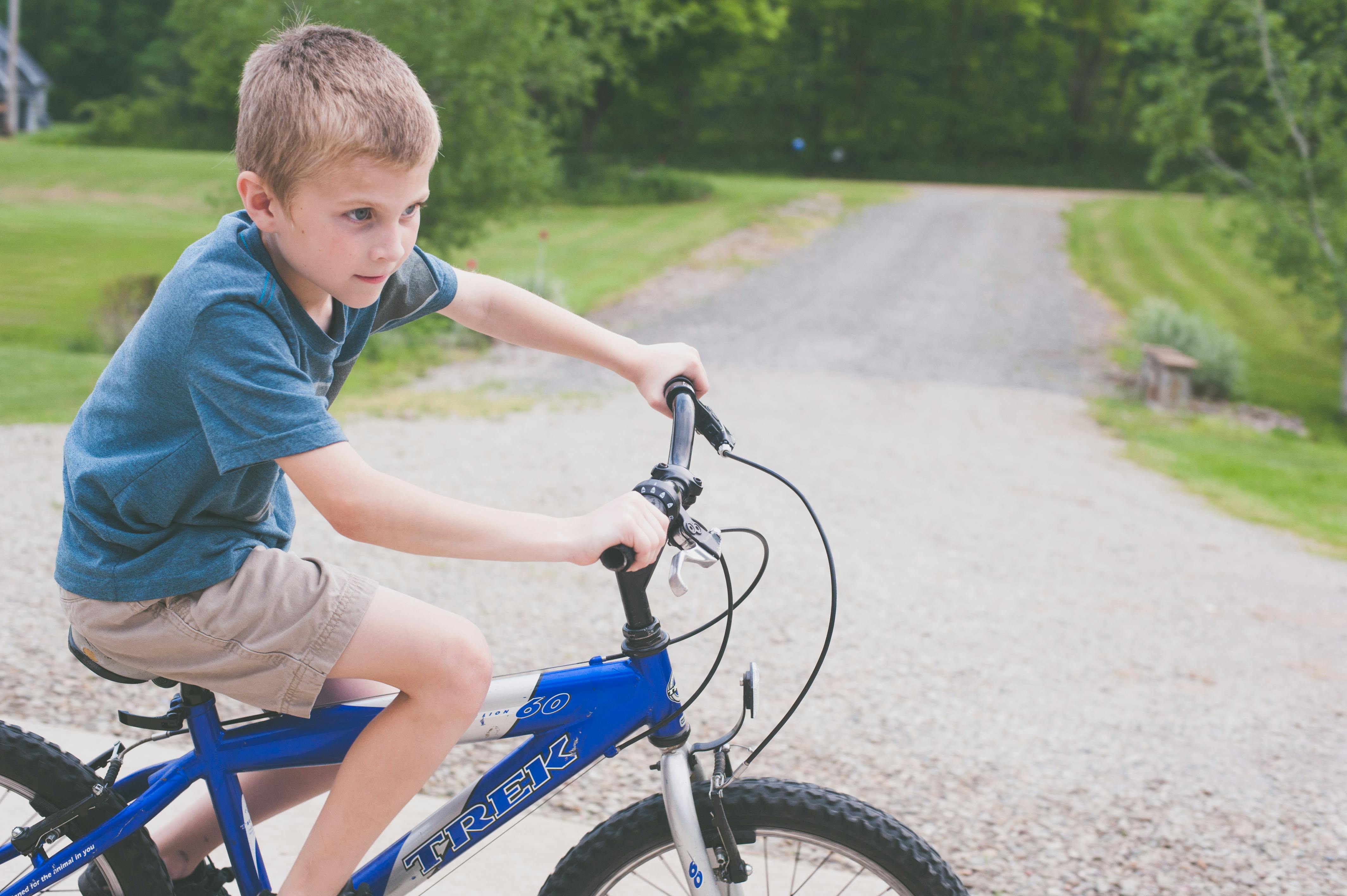
One of the most common mistakes parents make is choosing a bike based on age alone. Age ranges are only rough references. The correct approach is to focus on height and inseam length.
Kids bikes are sized by wheel diameter, typically:
-
12 inch
-
14 inch
-
16 inch
-
18 inch
-
20 inch
-
24 inch
However, wheel size alone does not guarantee proper fit.
How to Explain Proper Fit to Parents
When a child sits on the saddle:
-
Their feet should comfortably touch the ground (for beginners)
-
Knees should have a slight bend at the lowest pedal point
-
The child should reach the handlebars without leaning excessively forward
If a child struggles to balance while stopped, the bike is too large. Buying a bigger bike "to grow into" is risky. Oversized bikes are harder to control and increase accident risk.
Practical tip: Encourage parents to prioritize fit today over projected growth.
Step 2: Understand Skill Level Before Recommending Features
Children fall into different riding stages. Matching bike type to skill level is critical.
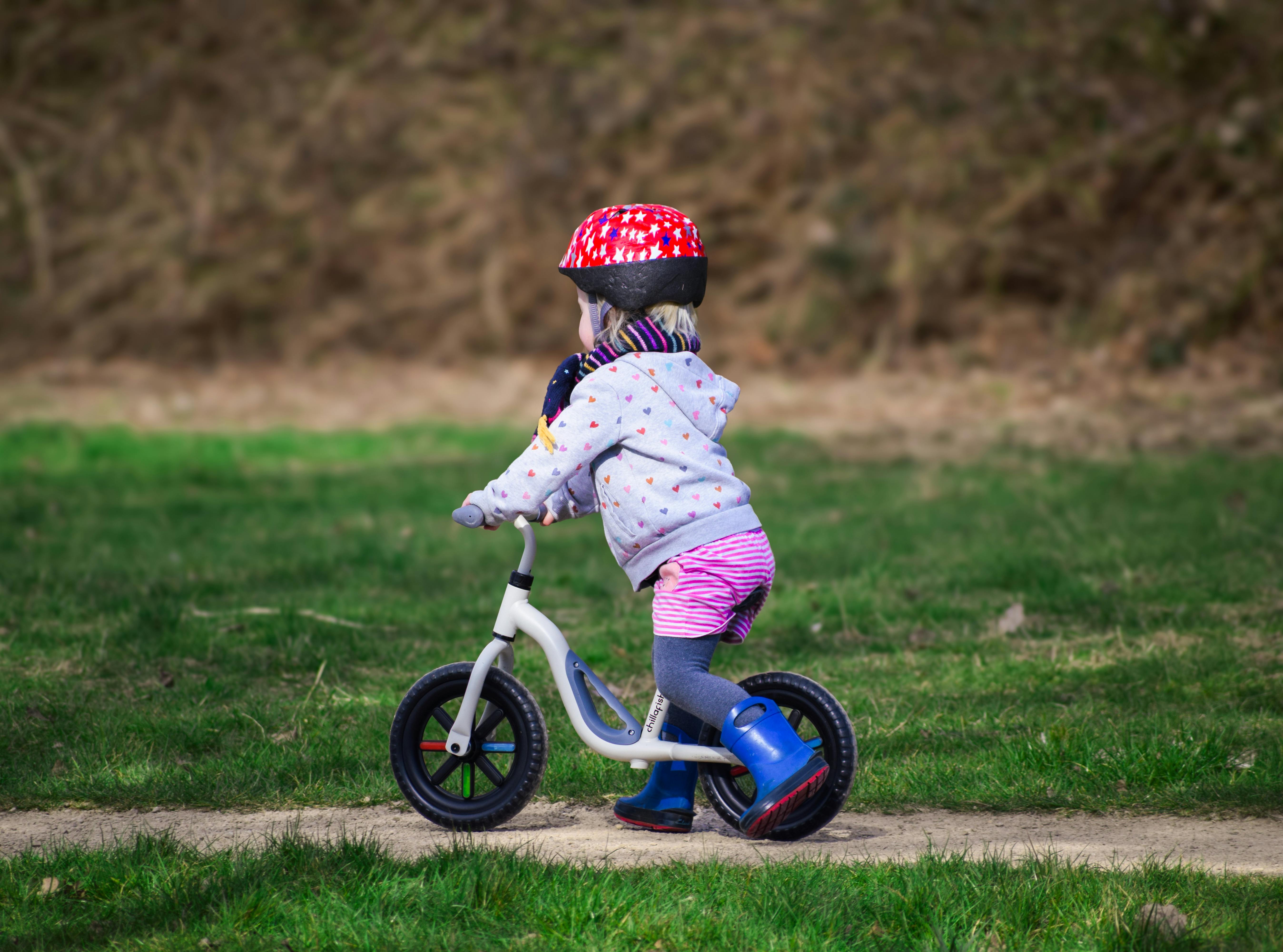
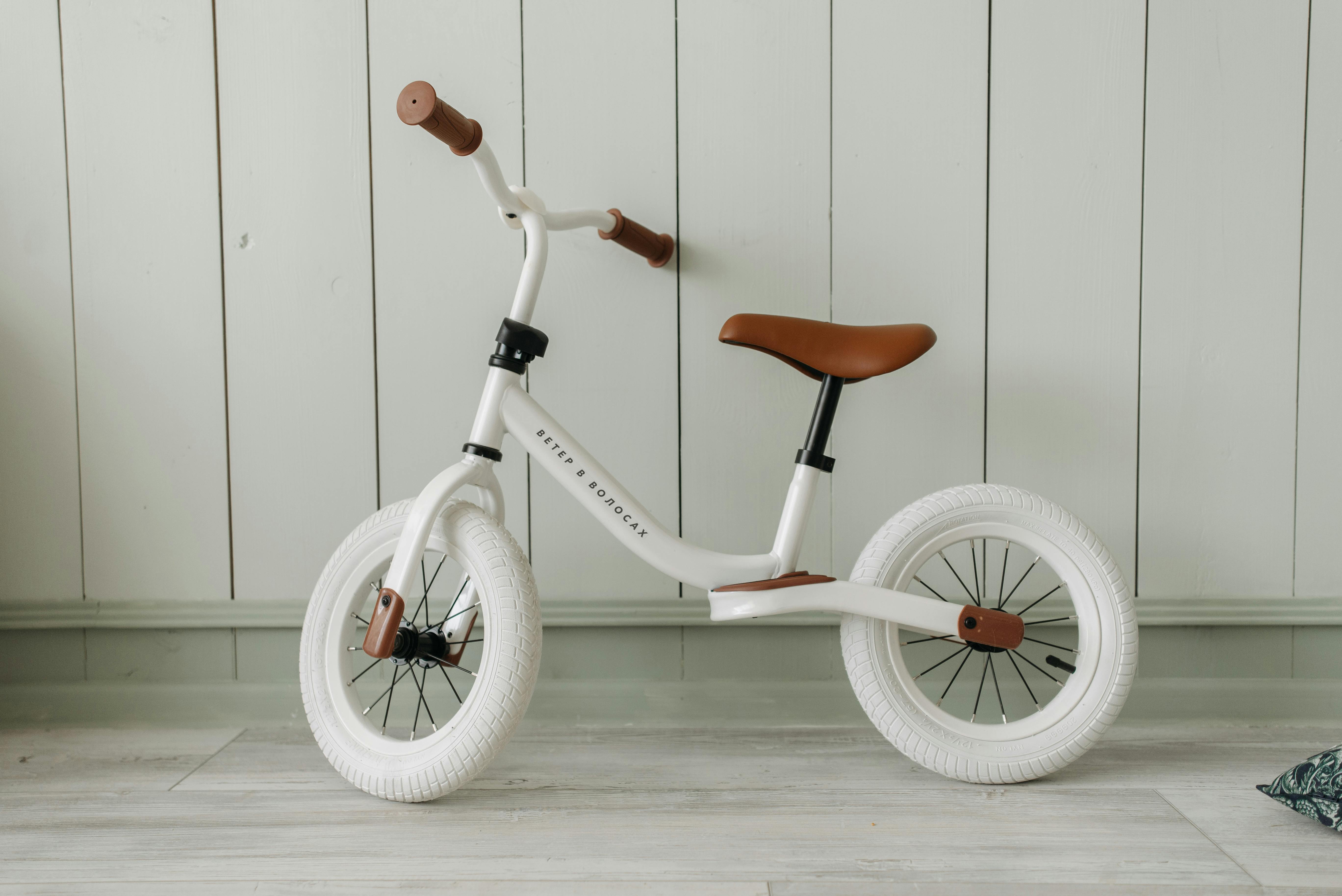
Balance Bike Stage (Ages 2–4)
Balance bikes teach steering and coordination without pedals. They eliminate the dependency on training wheels and accelerate natural balance development.
Beginner Pedal Bike (Ages 4–6)
Once children develop balance, they can transition to pedal bikes. Training wheels can be helpful but should not become long-term support. Encourage parents to remove them once confidence improves.
Confident Rider (Ages 6+)
Children ready for longer rides may benefit from:
-
Hand brakes instead of coaster brakes
-
Lightweight frames
-
Multi-speed options (for older children)
When advising parents, ask:
Has your child used a balance bike before?
Can they glide without support?
Are they riding mostly in a park, neighborhood, or uneven terrain?
Context matters.
Step 3: Emphasize Safety Components
Parents prioritize safety. Your recommendations should reflect this.
Key safety considerations include:
-
Frame Material: Lightweight frames are easier to control. If a bike is too heavy, a child will struggle with steering and stopping.
-
Braking System: Younger children may find coaster brakes easier. Older children can learn hand brakes, but lever size must match small hands.
-
Chain Guards and Protective Design: Fully enclosed chain guards prevent clothing from getting caught. Rounded edges and secure grips reduce risk.
-
Reflectors and Visibility: Reflectors, bright colors, and optional lights improve safety during evening riding.
Step 4: Consider Weight — Often Overlooked
Many parents focus on wheel size but ignore weight. For children, bike weight significantly affects handling.
A practical benchmark: the bike should not exceed 30–40% of the child's body weight.
If a child cannot lift or maneuver the bike independently, riding becomes tiring and discouraging.
Step 5: Think About Terrain and Usage
Where will the child ride?
-
Smooth Pavement: Standard tires and single-speed bikes are usually sufficient.
-
Parks or Gravel Paths: Wider tires offer better stability.
-
Slight Hills: Older children may benefit from gears.
Encourage parents to describe typical riding environments before selecting features. Avoid overselling advanced features that will not be used.
Step 6: Adjustability and Growth Considerations
Children grow fast, but oversizing is not the solution. Instead, look for:
-
Adjustable seat posts
-
Adjustable handlebars
-
Flexible brake lever reach
These allow moderate growth without compromising safety.
Step 7: Do Not Forget Protective Gear
A bike purchase should always include safety gear guidance.
According to the National Highway Traffic Safety Administration, helmets significantly reduce head injury risk.
Encourage parents to choose:
-
Certified helmets
-
Knee and elbow pads for beginners
-
Closed-toe shoes
Providing this advice positions you as an advisor, not just a seller.
Step 8: Encourage Test Rides When Possible
If feasible, a short test ride answers most sizing questions.
Watch for:
-
Upright posture
-
Smooth steering
-
Confident stopping
-
Relaxed shoulders
If the child looks tense or struggles to control the bike, reconsider the size.
Common Mistakes Parents Make
Helping parents avoid mistakes strengthens your authority.
-
Buying too large "for growth"
-
Choosing heavy steel frames for small riders
-
Ignoring brake reach
-
Overcomplicating with gears too early
-
Skipping helmet purchases
Proactively addressing these issues builds credibility.
Why Many Buyers Choose Zhorya for Kids Bicycles
Before concluding, it's worth noting why Zhorya is a preferred partner for distributors, retailers, and bulk buyers looking for children's bicycles:
-
Wide Range of Sizes and Styles – From 12" balance bikes to 24" pedal bikes, covering different age groups, skill levels, and riding preferences.
-
Reliable Quality – Built with safety and durability in mind, meeting international standards so your customers can ride with confidence.
-
Flexible Bulk Options – Whether you need small or large quantities, Zhorya provides scalable order sizes that fit your business model.
-
Customizable Designs – Options for logo printing, color choices, and packaging help your brand stand out.
-
Competitive Pricing – Balancing affordability with quality, giving you an edge in wholesale and retail markets.
Explore the full range here.
Choosing Zhorya means partnering with a supplier who supports growth, simplifies sourcing, and ensures safe, enjoyable riding experiences for your customers.
Conclusion: Helping Parents Choose with Confidence
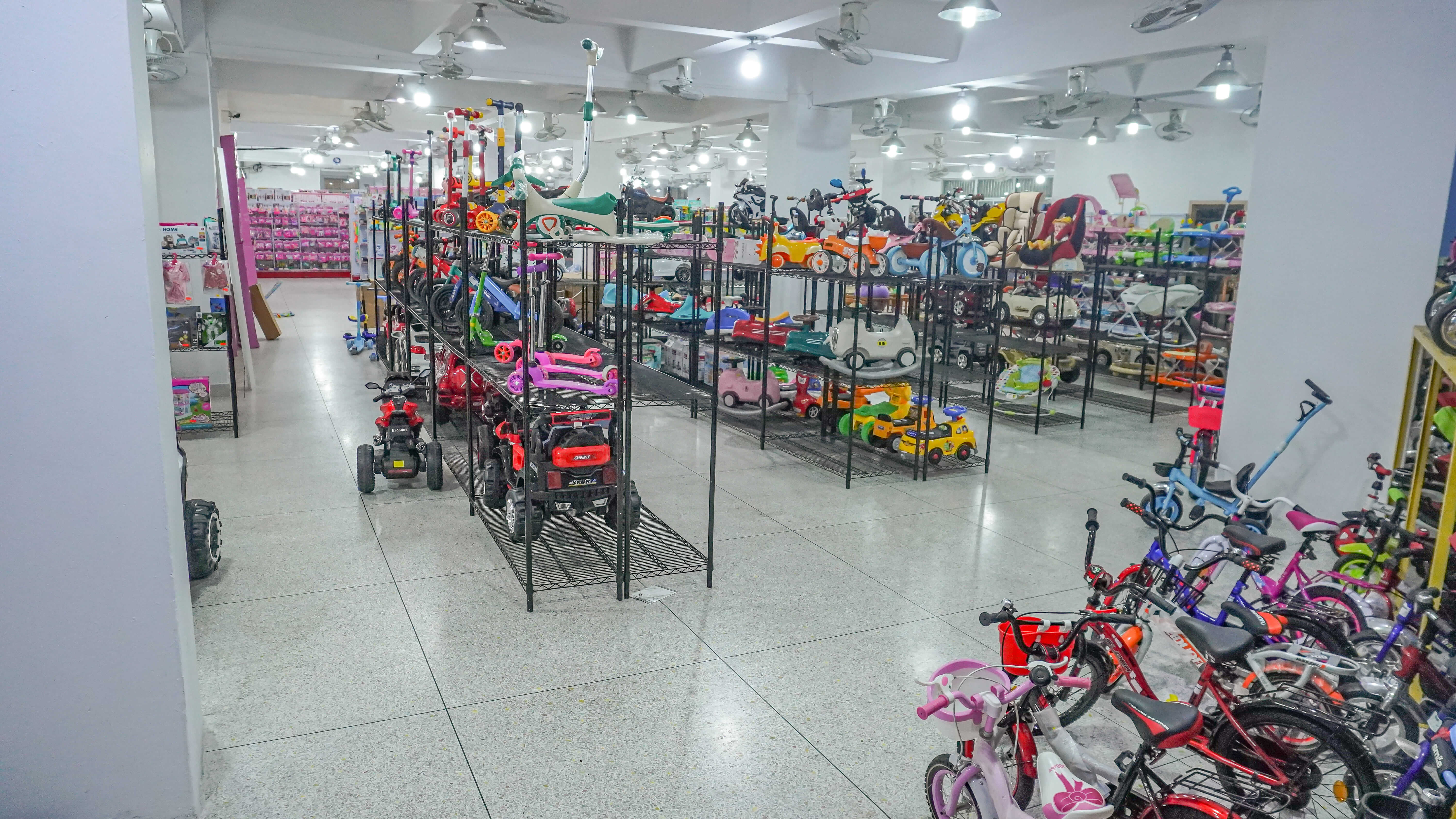
Choosing the right kids bike requires careful consideration of size, skill level, safety components, terrain, and adjustability. When you focus on proper fit instead of age, prioritize lightweight design, and align features with actual riding ability, you reduce risk and improve long-term satisfaction.
The role of a responsible supplier or advisor is to simplify the decision while protecting the child’s safety and enjoyment. When parents feel supported with clear and practical guidance, they not only purchase confidently but also return for future needs.