Login
Join Free
Categories
My Orders
Wish
Cart
0m³/0m³

English
English
 Русский язык
 中文
中文
How Profitable Are RC Cars for Toy Retailers?
2026-02-14 08:54:12
If you are considering adding RC cars to your product line, the first question is simple:
Will they actually make money — or just take up shelf space?
RC cars have been in the toy market for decades. They are not new. They are not trendy. They are not dependent on movie licenses or short-lived fads.
And that is exactly why they continue to generate stable profit for retailers across different markets.
But profitability in RC cars does not come from hype. It comes from structure — pricing structure, customer behavior, repeat purchase patterns, and how the category fits inside your overall toy assortment.
Let's look at this realistically.
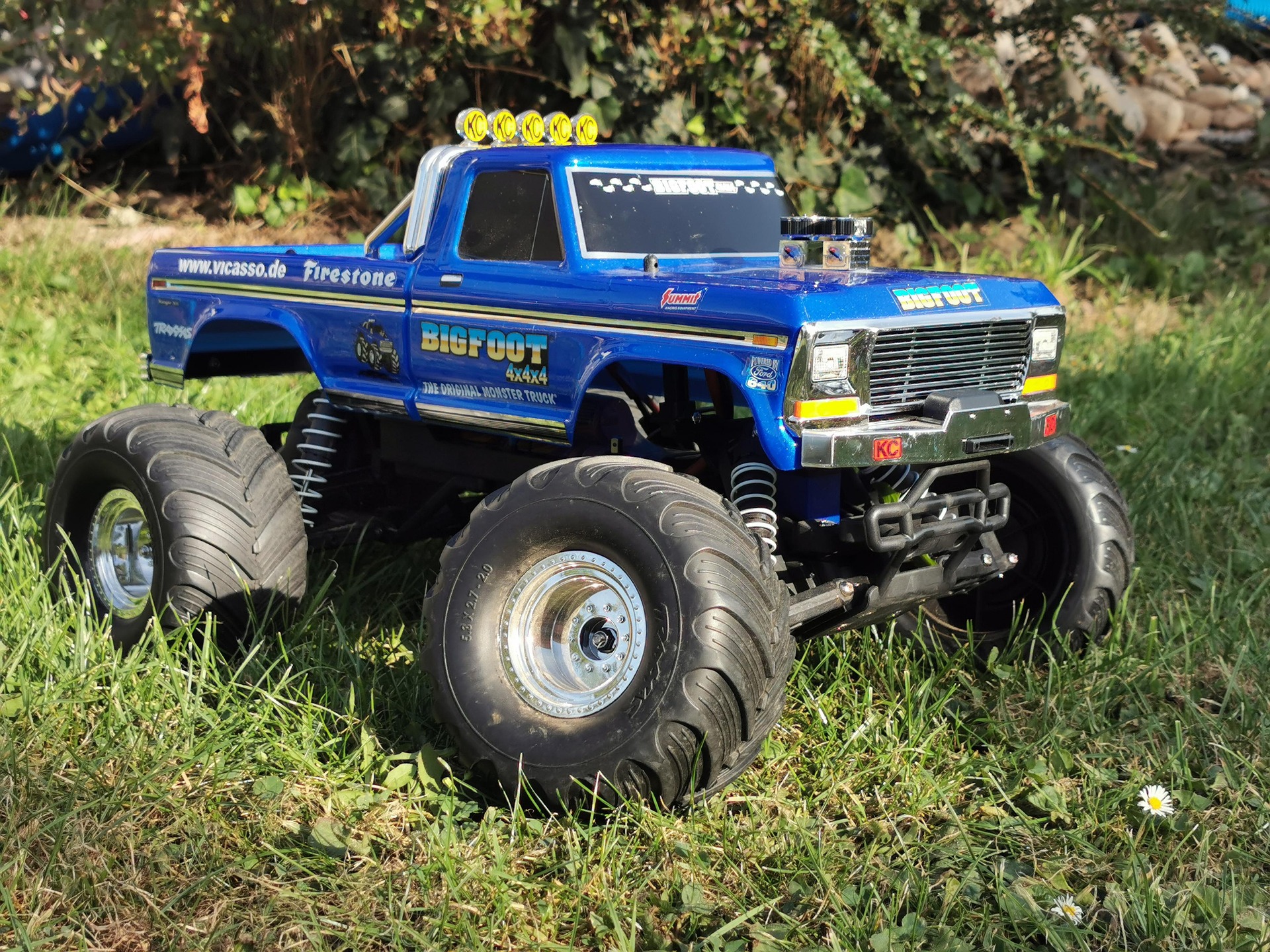
RC Cars Sit in a Higher Spending Zone
Most toys fall into two pricing groups:
Low-price impulse toys
Mid-to-high price considered purchases
RC cars sit in the second group.
When a customer decides to buy an RC car, they already expect to spend more than they would on small plastic toys or novelty items. This changes everything about margin potential.
Customers shopping for a $5 toy compare price first.
Customers shopping for a $40 RC car compare features first.
Speed, battery life, durability, remote distance, design — these matter more than a small price difference. That gives retailers breathing room on margin.
In many markets, mid-range RC cars allow healthier gross margins compared to basic toy categories that are constantly under price pressure.
Average Order Value Tends to Increase
RC cars rarely sell as single isolated items in the long term.
Parents often buy:
-
Extra batteries
-
A second model for another child
-
An upgrade version after a few months
-
Replacement accessories
This behavior increases average order value naturally. And when order value increases, profitability improves because fixed costs — shipping, handling, payment fees — become proportionally smaller.
Compared to dolls or basic figurines that sell one piece per order, RC cars often generate larger baskets.
That difference compounds over time.
They Create Upgrade Cycles
One of the most underestimated advantages of RC cars is upgrade behavior.
A child who starts with a beginner model usually becomes more confident after several months. They want something faster, stronger, or with better control.
Unlike static toys, RC cars create skill progression.
That progression drives repeat purchases.
From a business perspective, this means a single customer can generate revenue more than once — not because the first product failed, but because the user outgrew it.
Few toy categories create that kind of natural product ladder.
Lower Trend Risk
Licensed toys can generate strong short-term sales — but they carry risk. When the movie ends, demand drops.
RC cars are not tied to media cycles.
A well-designed racing model from last year can still sell this year. Demand is based on performance and price, not a character license.
For retailers, that means:
-
Less risk of dead inventory
-
Fewer extreme clearance discounts
-
More predictable reorder cycles
Predictability is an important part of profitability.
RC Cars Attract a Broader Age Range
Many toy categories are strictly age-limited.
RC cars are not.
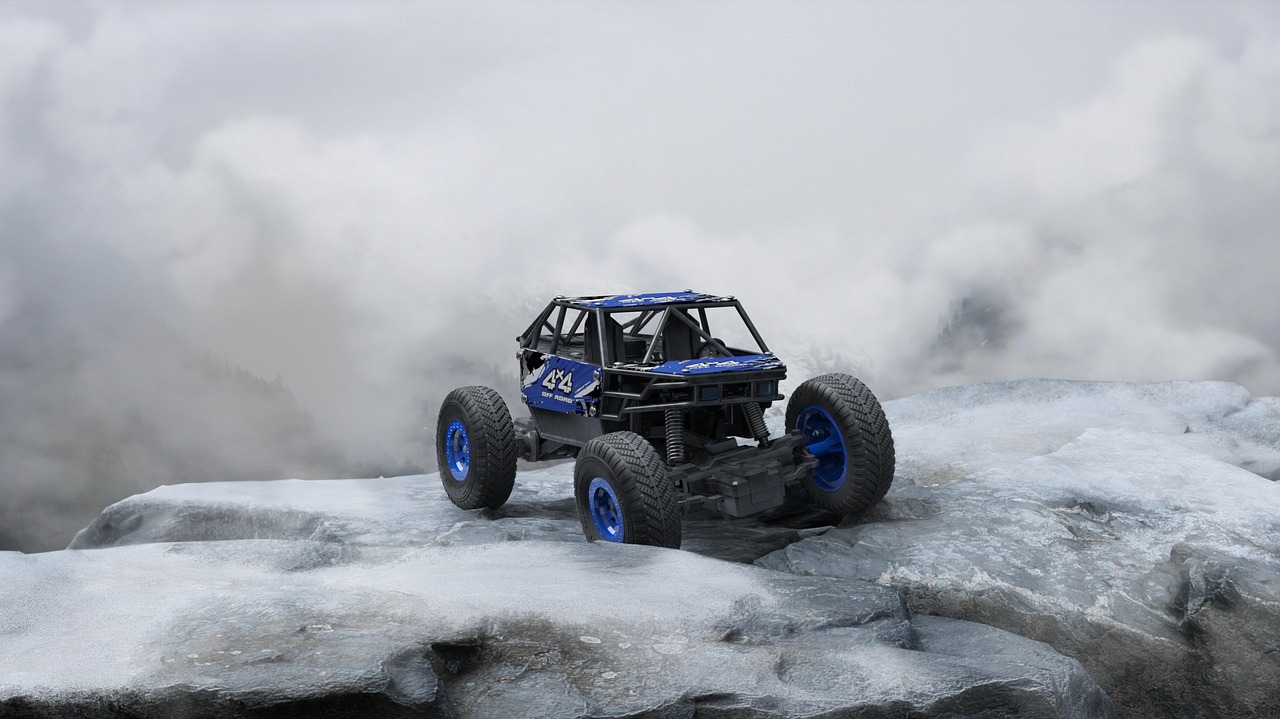
Entry-level models appeal to young children.
More advanced versions attract teenagers.
Certain designs even appeal to adult hobby buyers.
This wide age coverage reduces the risk of narrow targeting. It also means marketing efforts can reach multiple customer groups without completely changing product direction.
From a category planning standpoint, this flexibility is valuable.
Demonstration Power in Physical Stores
If you operate a physical store, RC cars offer something that static toys cannot: movement.
A short demonstration — even a small test run — can instantly draw attention.
Sound, speed, visible control response — these create engagement. And engaged customers convert better than passive browsers.
Retailers who position RC cars where they can be seen in action often report stronger sales performance compared to products that sit quietly in boxes.
This demonstration effect directly improves turnover.
Durability and Return Rates
Profit is not just about selling. It is also about keeping margin after returns.
Cheap electronic toys often create problems:
-
Weak battery systems
-
Fragile parts
-
Inconsistent performance
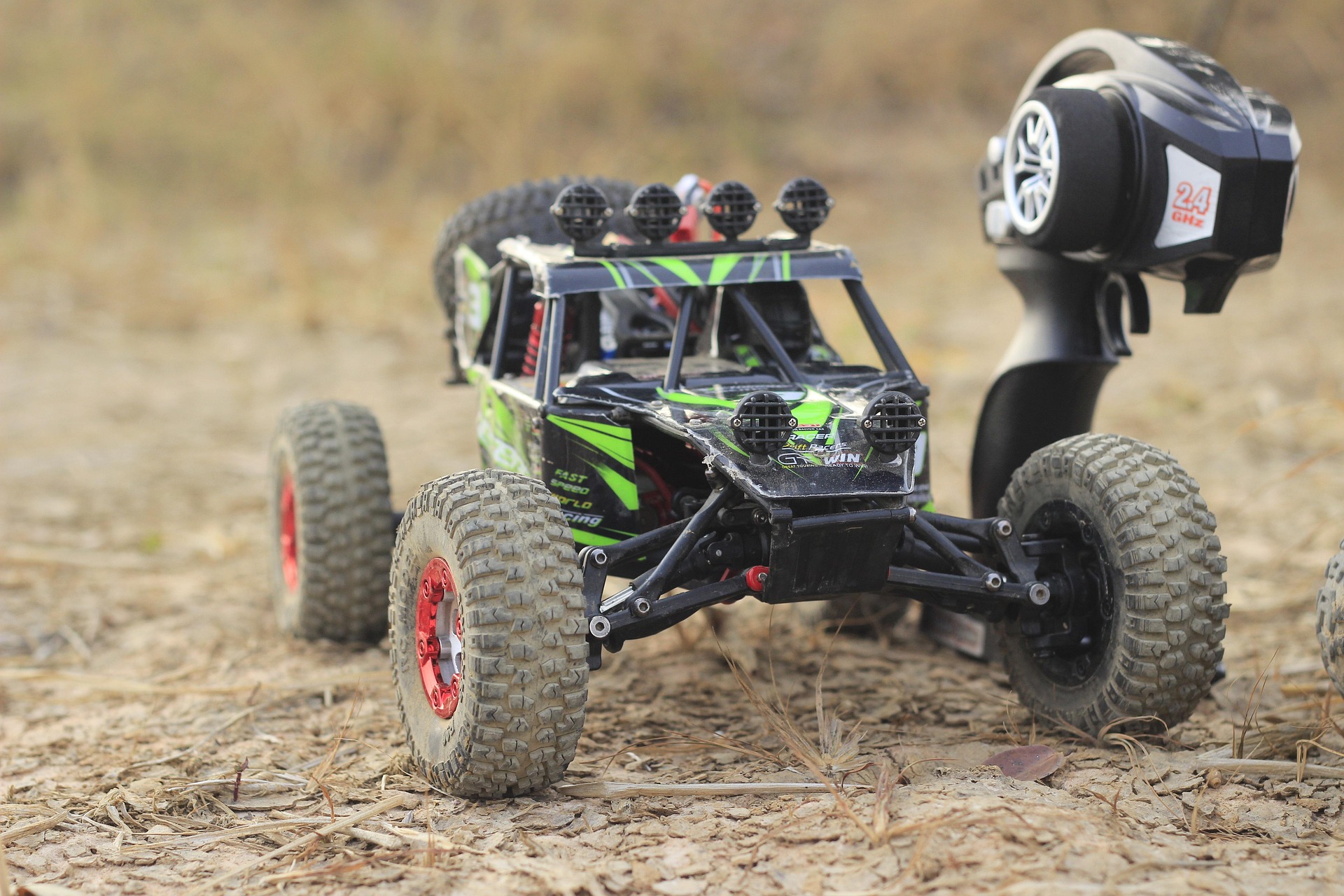
Quality RC cars are built for repeated operation. When sourced from reliable manufacturers, they tend to perform more consistently than novelty electronics.
Lower return rates protect margin.
Fewer complaints protect reputation.
In business, those two factors matter more than a slightly lower purchase cost.
Inventory Balance Is Key
Not every RC car sells equally.
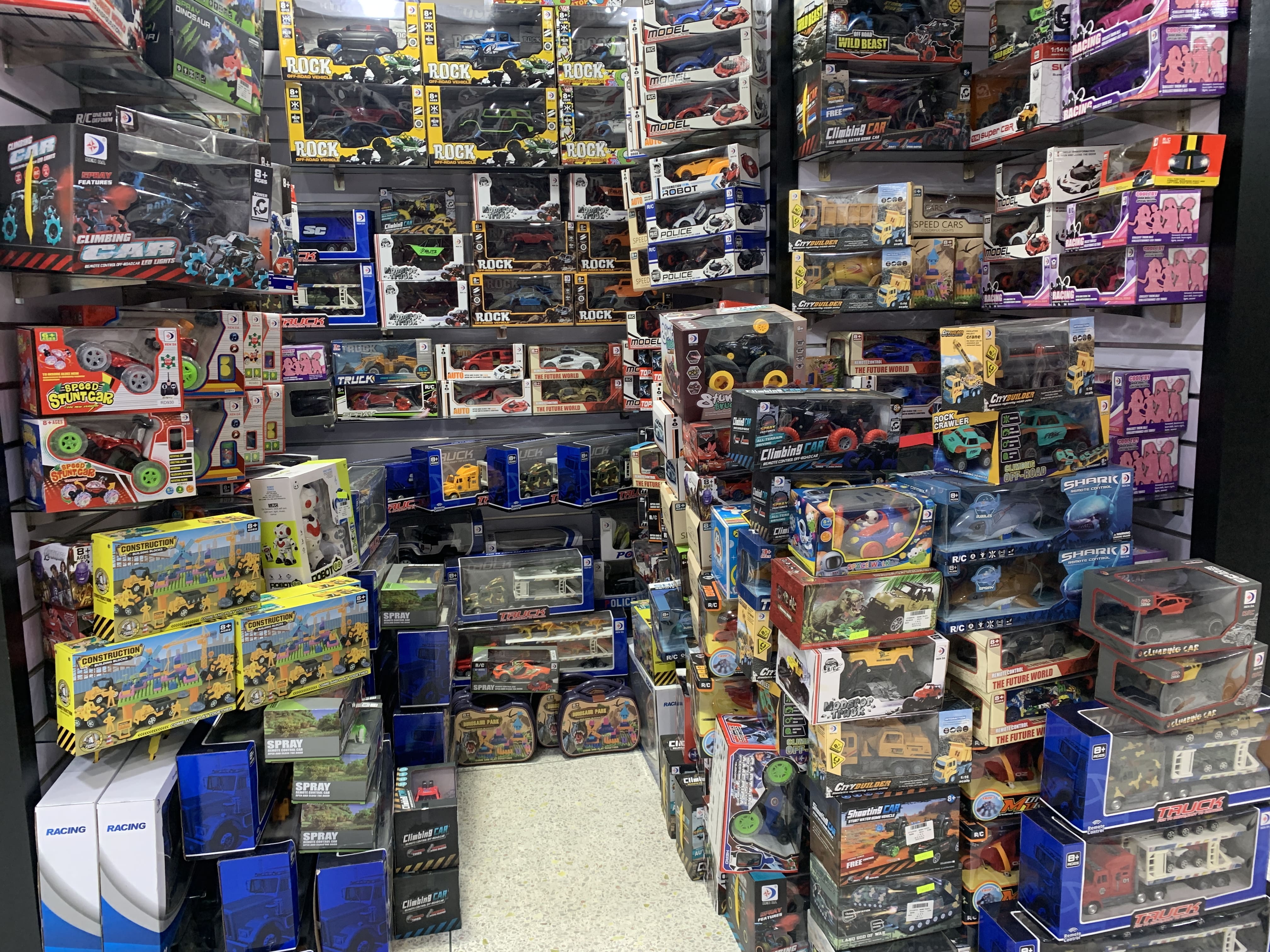
The most profitable strategy is usually balanced assortment:
Entry-level models for volume
Mid-tier models for margin
Selective higher-end options for premium sales
Retailers who only focus on the cheapest models often face price competition. Retailers who only stock expensive models may limit volume.
Profit comes from structure, not extremes.
Long-Term Category Stability
RC cars have survived multiple toy market shifts — from traditional retail to eCommerce, from simple battery toys to smart devices.
The reason is simple: interactive control never loses appeal.
Children enjoy mastering something. Parents appreciate toys that combine fun with coordination and skill development.
That combination makes RC cars less vulnerable than purely decorative toys.
Stability over time is one of the strongest indicators of sustainable profitability.
Why Supplier Depth Matters
Even a profitable category can underperform if sourcing is unstable.
Retailers need:
-
Consistent product quality
-
Multiple price levels
-
Continuous model updates
-
Reliable supply timing
Without these, margins suffer due to returns, stock gaps, or inconsistent customer experience.
Working with a supplier that offers category depth instead of isolated models makes it easier to build a structured RC car program rather than random purchases.
Why Zhorya Is Worth Considering
For buyers looking to develop RC cars as a stable profit category, Zhorya provides a structured range that supports different pricing tiers and market segments.
Instead of offering just one or two isolated models, Zhorya's dedicated wholesale RC car collection allows retailers to build a complete assortment strategy:
For broader planning across the remote control segment, the full range can be viewed here:
This depth allows buyers to position entry-level, mid-range, and advanced options within one sourcing system — which makes margin management and reorder planning more predictable.
For retailers focused on sustainable growth rather than short-term sales spikes, that structure makes a meaningful difference.
Conclusion
RC cars are not a fleeting trend—they are a proven, stable category that drives repeat purchases, higher average order values, and broader age appeal. Profitability comes from thoughtful assortment planning, reliable sourcing, and leveraging the category's natural upgrade cycles. By building a balanced mix of entry-level, mid-range, and premium models, retailers can reduce risk, improve margins, and create long-term category stability. For those looking to grow a sustainable, structured RC car program, working with a supplier like Zhorya ensures both depth and consistency across the entire product line.