Login
Join Free
Categories
All Categories
All
My Orders
Wish
Cart
0m³/0m³

English
English
 Русский язык
 中文
中文
High-Speed Mini Fans Are Gaining Strong Market Demand
2026-04-27 09:01:57
For many years, mini fans were considered a simple seasonal item—low-cost, functional, and easy to sell. Buyers treated them as a basic summer product, focusing mainly on price and volume rather than innovation or differentiation.
That situation has changed significantly.
This year, high-speed mini fans are seeing a clear surge in demand across multiple markets. What used to be a low-margin, replaceable item is now evolving into a product category driven by performance, design, and user experience. Buyers who still approach mini fans with outdated sourcing strategies may find themselves struggling to compete.
Understanding why this shift is happening—and how to respond to it—has become essential.
The Rise of High-Speed Technology in Small Fans
The most noticeable change in the market is the transition from standard airflow to high-speed performance.
Traditional mini fans typically offered limited wind power, often resulting in weak airflow that struggled in outdoor or high-temperature environments. Consumers accepted this limitation in the past because expectations were low.
Today, expectations are different.
High-speed mini fans now deliver significantly stronger airflow while maintaining compact sizes. This improvement is not just a technical upgrade—it directly changes how consumers use the product. Instead of being a "nice-to-have," mini fans are becoming a practical daily necessity in hot climates, commuting scenarios, and outdoor activities.
This shift has expanded their usage beyond seasonal demand, creating longer sales cycles and more stable demand patterns.

Why Consumers Are Actively Seeking High-Speed Fans
Several factors are driving the increased demand for high-speed mini fans.
First, rising global temperatures are making portable cooling solutions more relevant. Consumers are no longer relying only on indoor air conditioning. Instead, they are looking for flexible, personal cooling devices they can carry anywhere.
Second, lifestyle changes play a role. More people are spending time outdoors, traveling, attending events, or commuting in urban environments. A compact but powerful fan fits perfectly into these situations.
Third, social media influence has accelerated product awareness. High-speed fans are often showcased in short videos demonstrating strong airflow, compact design, and convenience. These visual demonstrations make performance immediately noticeable, increasing conversion rates.
As a result, demand is no longer passive—it is actively driven by user intent.
Product Evolution: More Than Just Speed
While "high-speed" is the key selling point, the most successful products in this category combine multiple features.
Battery performance has become a critical factor. Consumers expect longer usage time without frequent charging, especially for outdoor use. Products with extended battery life naturally gain an advantage.
Noise control is another important element. High-speed airflow without excessive noise improves user experience significantly, making the product suitable for offices, libraries, and indoor environments.
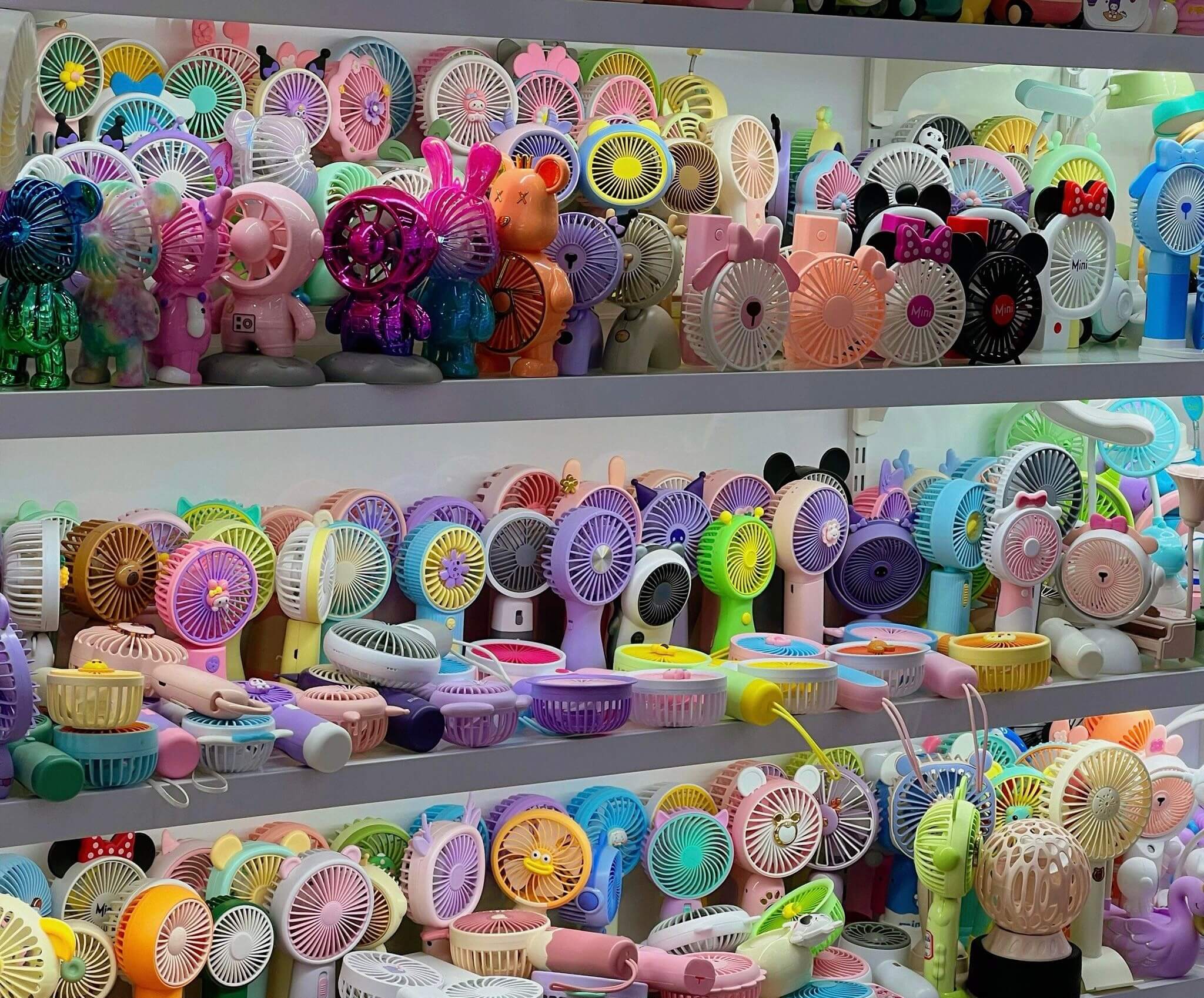
Design is also playing a bigger role. Sleek, modern appearances, ergonomic shapes, and lightweight construction increase perceived value. In some markets, visual appeal can directly impact sales performance.
Additionally, features such as adjustable speed settings, digital displays, and multifunctional use (such as desktop and handheld modes) are becoming more common.
In short, high-speed alone is not enough. The market is moving toward well-rounded products that combine performance, usability, and aesthetics.
How Buyer Strategies Need to Adapt
The shift in demand is forcing buyers to rethink their sourcing strategies.
Previously, many buyers focused on securing the lowest possible price. That approach worked when products were largely similar and competition was based on cost.
Now, differentiation matters.
Buyers who succeed in this category tend to prioritize:
- Strong airflow performance that can be clearly demonstrated
- Reliable battery life for real-world usage
- Unique or appealing designs that stand out in listings
Another important factor is positioning. High-speed mini fans are no longer just low-end products. They can be positioned as practical lifestyle accessories, opening opportunities for higher margins.
Buyers who continue to treat them as purely low-cost items may miss these opportunities.
Market Opportunities Across Different Segments
The demand for high-speed mini fans is not limited to a single customer group. For buyers, the key is not just recognizing this demand—but knowing how to position products differently for each segment.
For retailers, the focus should be on visual impact and instant appeal. High-speed mini fans perform best when customers can immediately understand their power and design. Prioritize models with strong visual differentiation, and use packaging or displays that clearly highlight airflow strength and portability. This helps drive impulse purchases both in-store and online.
For distributors, the opportunity lies in product selection and regional matching. Markets with hotter climates or dense urban environments tend to generate more consistent demand. Instead of offering a broad but generic range, it is more effective to build a focused selection of high-performance models that can be scaled across multiple regions.
For promotional buyers, high-speed mini fans can be positioned as functional, high-perceived-value items. Compared to traditional low-cost giveaways, these products are more likely to be used frequently, increasing brand exposure over time. Choosing models that support logo customization or unique color variations can further enhance their effectiveness.
For e-commerce sellers, success depends heavily on presentation and demonstration. High-speed fans are highly visual products—customers need to "see" the performance. Listings that include clear airflow demonstrations, comparison visuals, or usage scenarios tend to convert more effectively. Investing in better content often delivers higher returns than competing only on price.
In all cases, the core strategy is the same: do not treat high-speed mini fans as generic products. Adjust positioning, product selection, and presentation based on the target segment to fully capture the growing demand.
About Zhorya
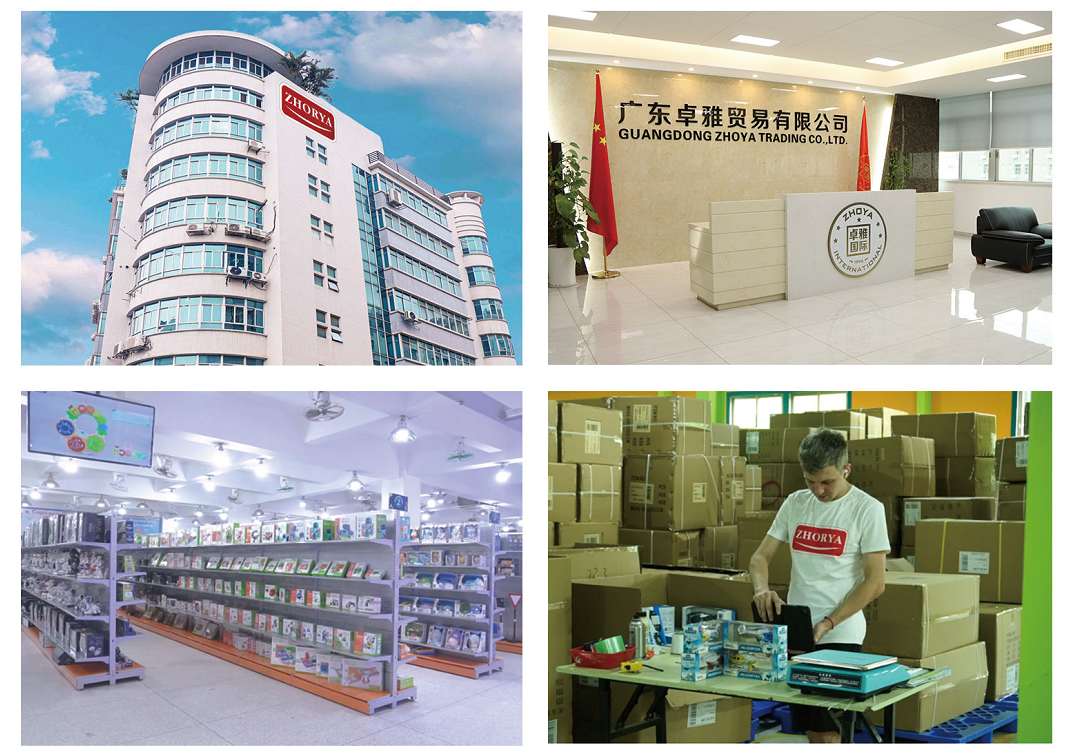
If you are looking to enter or scale in the high-speed mini fan category, Zhorya, based in China, offers a practical sourcing option with a wide range of electric fan products designed for different market needs.
Key advantages include:
- A broad selection of mini fans, including high-speed models suitable for current demand trends
- Flexible customization options such as logo, packaging, and product features
- Consistent product updates aligned with market preferences
- Competitive pricing structures for bulk purchasing
You can explore the full range here:
For buyers aiming to stay ahead in a fast-moving market, selecting the right supplier and product strategy can make a measurable difference.
Conclusion
High-speed mini fans are no longer about price—they are about performance and positioning. Buyers who adjust will capture the demand; those who don't will fall behind.
Zhorya, based in China, offers high-speed mini fans that match this shift and support faster market response.