Login
Join Free
Categories
My Orders
Wish
Cart
0m³/0m³

English
English
 Русский язык
 中文
中文
A Complete Guide to Educational Toys for Global Buyers
2026-01-21 09:02:25
Educational toys are no longer just simple playthings for children. With a growing global emphasis on holistic development, learning through play has become an essential part of early childhood, adolescent, and even adult education. For global buyers, understanding the trends, categories, and sourcing strategies for educational toys is critical to staying ahead in the competitive toy market. This guide offers an in-depth look at everything you need to know about educational toys, helping you make informed decisions for your business.
Why Educational Toys Are a Growing Market
Educational toys combine entertainment with learning, helping children and even adults develop critical skills such as problem-solving, creativity, coordination, and social interaction. Recent market studies show that parents and educators worldwide increasingly value toys that offer developmental benefits. In addition, the rise of STEM (Science, Technology, Engineering, and Mathematics) education and Montessori methods has fueled demand for toys that teach practical skills through interactive play.
Key reasons for the growing interest include:
-
Enhanced Cognitive Development: Toys like puzzles, STEM kits, and building blocks improve reasoning and logical thinking.
-
Hands-On Learning: Many educational toys involve tactile learning, allowing children to explore concepts in real time.
-
Inclusivity Across Ages: Educational toys are no longer limited to toddlers; teens and adults are also targeted with learning games, robotics, and creative kits.
For global buyers, investing in educational toys is not only profitable but also positions your business as a provider of high-quality, meaningful products.
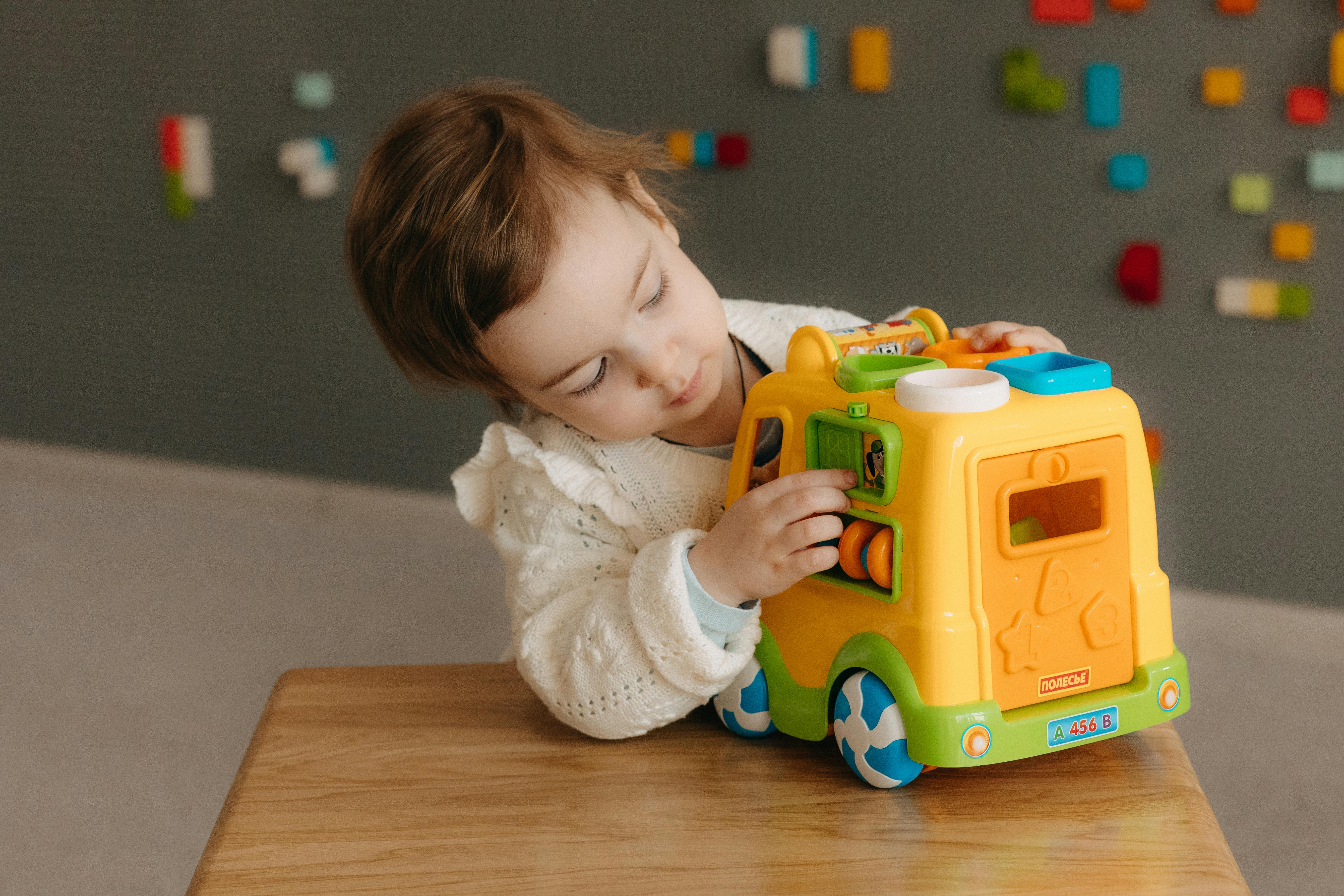
Key Categories of Educational Toys
Educational toys come in diverse categories to cater to different age groups and developmental goals. Here’s a detailed breakdown:
1. STEM Toys
STEM toys focus on science, technology, engineering, and math. These toys promote problem-solving, analytical thinking, and technical skills. Examples include:
-
Robotics kits for beginners and advanced learners
-
Coding toys and programmable gadgets
-
Building sets that explore mechanical principles
-
Science experiment kits for hands-on chemistry and physics
STEM toys are popular among children aged 5 and above, but many kits are now suitable for teens and adults, providing endless opportunities for creative experimentation.
2. Montessori Toys
Montessori toys emphasize hands-on learning, encouraging independence, focus, and creativity. Typical products include:
-
Sorting and stacking toys
-
Sensory and tactile boards
-
Wooden puzzles
-
Life-skill development kits
These toys are highly valued by parents and educators worldwide due to their educational philosophy and the ability to develop self-motivation in children.
3. Interactive and Electronic Educational Toys
Electronic educational toys provide audio-visual stimulation and interactive learning experiences. Popular products include:
-
Talking dolls and plush toys
-
Interactive globes and maps
-
Learning tablets for kids
-
Musical and language-learning toys
These toys often appeal to children between 3–10 years old. Advanced electronics allow for app connectivity and gamification of educational content.
4. Creative and Arts-Based Toys
Creativity and imagination are essential for cognitive and emotional growth. Arts-based educational toys include:
-
Drawing and coloring kits
-
DIY crafts and modeling clay sets
-
Music instruments for beginners
-
Construction and design kits
Such toys not only develop artistic skills but also enhance focus, patience, and problem-solving abilities.
5. Physical Development and Coordination Toys
Physical educational toys support gross and fine motor skills. Examples include:
-
Ride-on cars and scooters with learning features
-
Mini hula hoops and balance boards
-
Coordination-focused balls and active games
These toys merge play with fitness and are highly popular in markets emphasizing healthy lifestyles for children and adults alike.
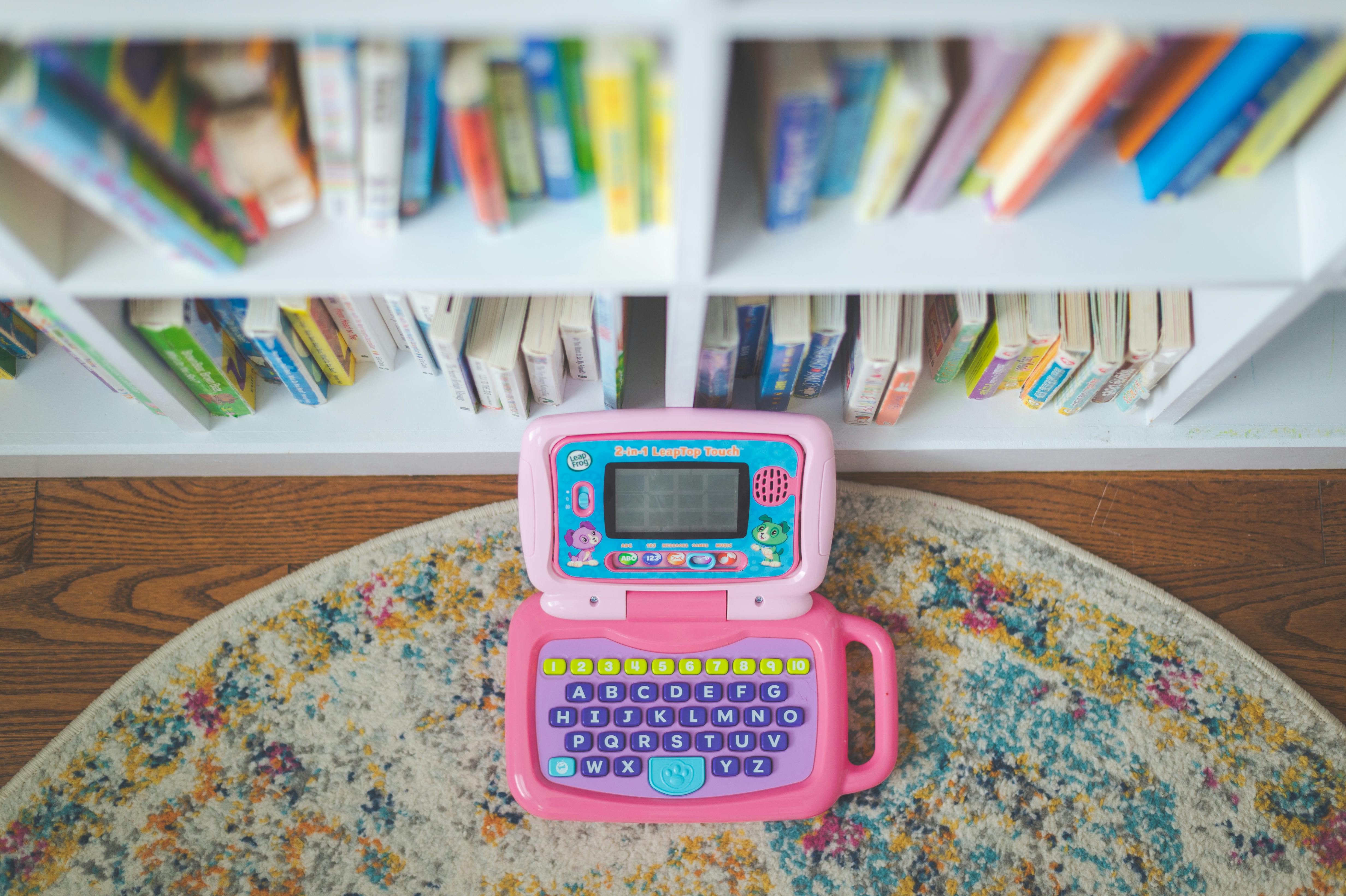
Sourcing Tips for Global Buyers
Finding the right suppliers is key to success in educational toy distribution. Here are actionable tips for global buyers:
-
Safety Compliance: Ensure products meet EN71, ASTM, or other relevant standards.
-
Customization Options: Consider suppliers that offer logo printing, branded packaging, or unique mold designs if you plan to differentiate products in your market.
-
Age-Appropriate Products: Check recommended age ranges to cater to your target demographic.
-
Variety and Inventory: Stocking a wide range ensures your offerings appeal to schools, retailers, and direct consumers.
Benefits of Bulk Buying Educational Toys
Buying educational toys in bulk provides several advantages:
-
Lower Unit Costs: Bulk orders reduce per-unit pricing, improving profit margins.
-
Consistent Supply: Guaranteed stock ensures you meet demand during peak seasons.
-
Branding Opportunities: Bulk orders allow for customization in design, packaging, or sound modules.
-
Market Competitiveness: Offering a wide variety of educational toys positions your business as a comprehensive supplier.
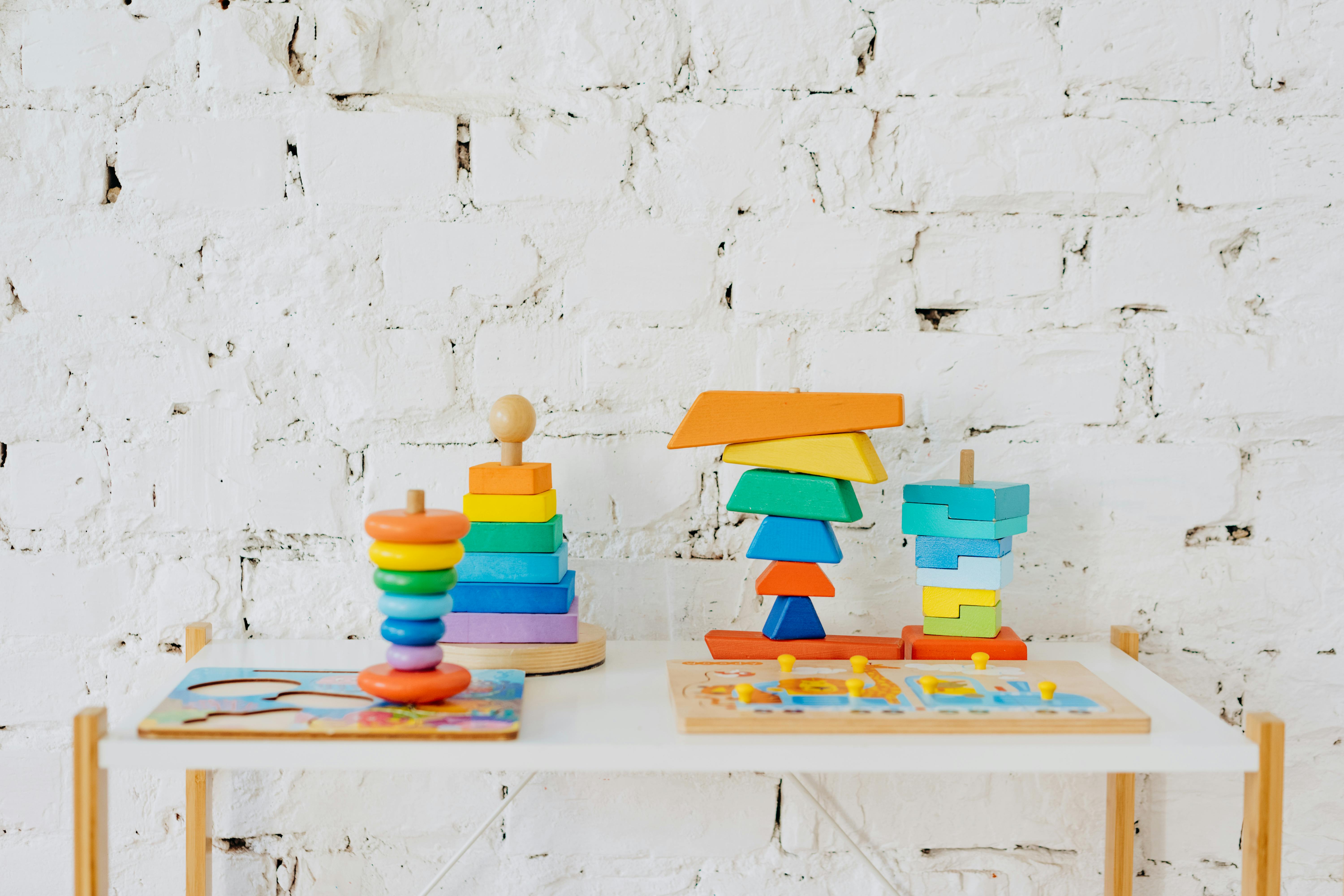
Trends Shaping Educational Toys in 2026
The educational toy market is continuously evolving. Key trends for 2026 include:
-
All-Age Learning Products: More products target adults alongside children.
-
Sustainability: Eco-friendly materials and non-toxic paints are increasingly preferred.
-
Tech Integration: AI educational toys provide immersive and personalized learning experiences, offering smart interactions, adaptive challenges, and real-time feedback to engage children and teens effectively.
-
Focus on Emotional Intelligence: Toys promoting social skills, empathy, and teamwork are gaining traction.
Global buyers should monitor these trends to ensure they source products that align with consumer demand.
Top Considerations When Choosing Educational Toys
When selecting educational toys for your market, keep these factors in mind:
-
Durability: High-quality materials withstand frequent use.
-
Learning Value: Toys should offer measurable educational outcomes.
-
Safety Standards: Compliance with international safety standards is non-negotiable.
-
Cultural Relevance: Consider age appropriateness, language, and learning themes for your target region.
-
Ease of Marketing: Products with clear educational benefits are easier to promote to schools, families, and retailers.
Why Zhorya Is a Trusted Source for Educational Toys
When sourcing educational toys, Zhorya offers a wide variety of high-quality products for all age groups, from toddlers to teens. Our range includes STEM kits, Montessori toys, interactive learning games, and creative arts sets. Buyers can enjoy customization options such as branded packaging, logos, and exclusive designs, ensuring products fit your market needs. With Zhorya, you get reliable bulk supply, competitive pricing, and toys that meet international safety standards. Explore our full collection of educational toys today to stock your business with learning-focused, engaging products.
Conclusion
Educational toys are a thriving segment in the global toy market, offering both fun and developmental benefits for users of all ages. For global buyers, understanding the categories, trends, and sourcing strategies is key to making informed purchasing decisions. By focusing on quality, customization, and market-relevant products, buyers can establish themselves as trusted suppliers of educational toys. With Zhorya, you gain access to a comprehensive range of educational toys that meet international standards and cater to every age group, helping you grow your business globally.