Login
Join Free
Categories
My Orders
Wish
Cart
0m³/0m³

English
English
 Русский язык
 中文
中文
Green Play: The Rising Demand for Educational Eco-Toys in Global Markets
2026-04-03 09:01:51
In recent years, the definition of a "good toy" has shifted significantly. It is no longer enough for products to simply entertain—today's customers are looking for toys that align with broader values, especially those related to sustainability and education. Across global markets, schools and parents are actively seeking products that help children understand environmental responsibility from an early age.
This shift is not driven by short-term trends. It reflects a deeper change in purchasing priorities, where environmental awareness and learning outcomes are becoming key decision factors. For businesses sourcing toys in bulk, this creates a clear direction: educational eco-toys are no longer niche—they are becoming a core category.
As Earth Day continues to gain global visibility each year, demand for these products becomes even more concentrated during seasonal windows. Buyers who anticipate this shift and prepare inventory in advance are in a stronger position to capture consistent, education-driven demand.
Why Eco-Friendly Educational Toys Are Gaining Market Attention
The growing interest in eco-toys is closely tied to how education itself is evolving. Schools and early learning centers are placing greater emphasis on real-world topics such as climate change, resource conservation, and sustainable living. At the same time, parents are more informed and selective, often prioritizing products that reflect these values at home.
Toys are increasingly being used as tools to introduce these concepts in a practical and engaging way. Instead of abstract lessons, children interact with materials, scenarios, and play patterns that mirror real environmental issues. This makes eco-friendly educational toys highly relevant across both institutional and retail channels.
Another important factor is material transparency. Customers are paying closer attention to what toys are made of—wood, recycled plastics, biodegradable materials—and how they are produced. Products that clearly communicate these aspects tend to perform better, especially in markets where sustainability claims influence purchasing decisions.
Key Product Categories Driving the Eco-Toy Segment
The eco-friendly educational toy category is not limited to one type of product. Instead, it spans multiple subcategories, each offering a different approach to combining sustainability with learning.
STEM-Based Eco Toys
STEM toys remain one of the most effective ways to integrate environmental themes into play. Many products now focus on renewable energy concepts, such as solar-powered kits or wind energy models. These toys allow children to experiment with basic scientific principles while understanding how clean energy works.
Wooden and Natural Material Toys
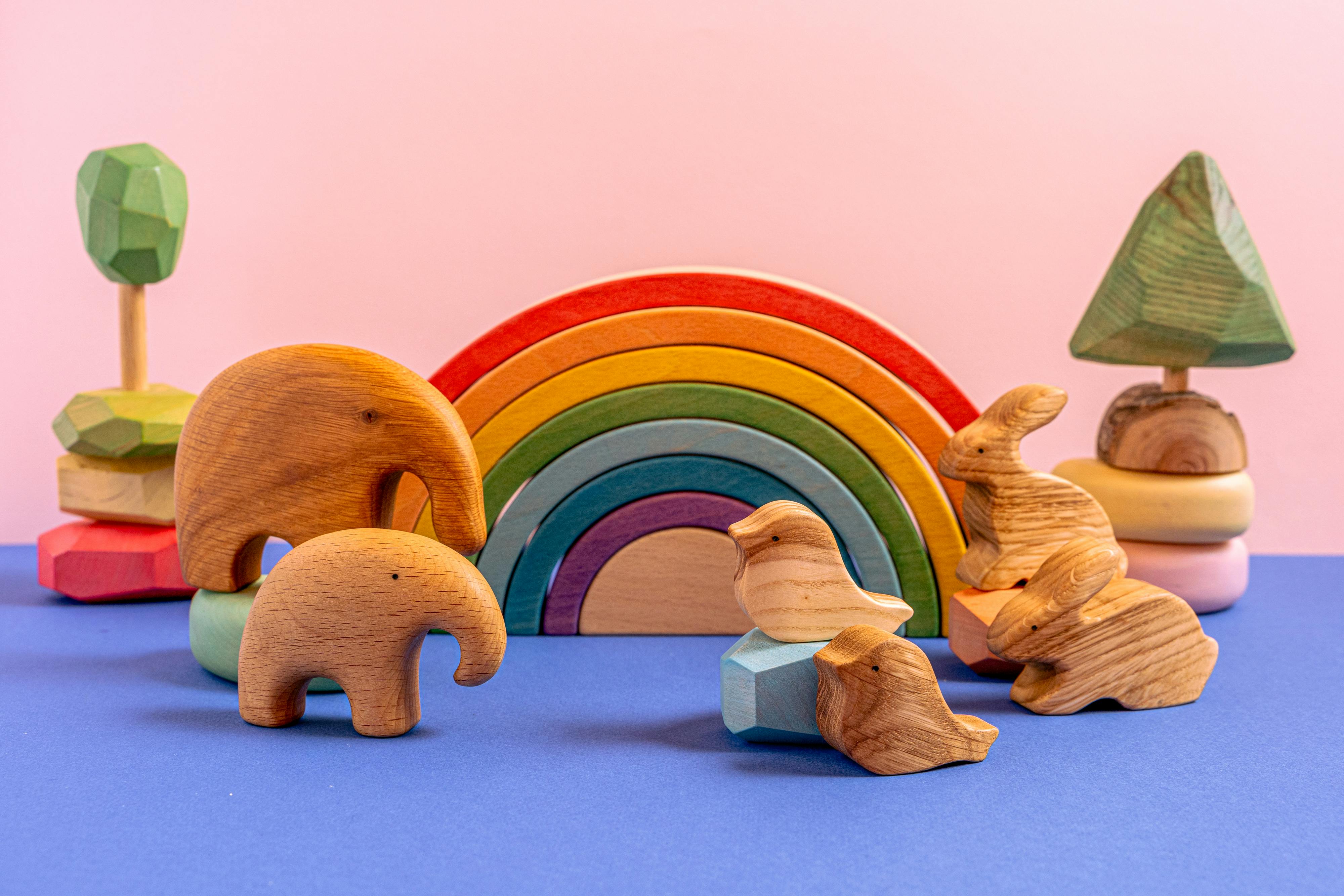
Wooden toys have seen a resurgence, not just for their durability but also for their perceived environmental value. Compared to conventional plastic toys, wooden products are often associated with sustainability, especially when sourced responsibly.
Educational wooden toys—such as puzzles, building blocks, and sorting games—are widely used in early childhood education. They help develop motor skills, logical thinking, and sensory awareness, while also fitting into the broader narrative of eco-conscious consumption.
Creature and Nature-Themed Toys
Creature and nature-themed toys—such as animal figurines and wildlife sets—spark curiosity about the natural world, helping children learn about ecosystems and species diversity. They combine hands-on play with simple educational concepts, making environmental learning engaging and memorable.
Recycling and Environmental Awareness Playsets
One of the most direct ways to teach environmental responsibility is through themed playsets. Recycling stations, waste sorting games, and city-cleaning scenarios are becoming increasingly common. These toys introduce children to everyday sustainability practices in a format that is easy to understand.
For buyers, these products are particularly relevant around awareness campaigns and seasonal events like Earth Day. They are often used in classrooms, workshops, and community programs, which creates repeat purchasing opportunities.
Gardening and Nature Exploration Toys
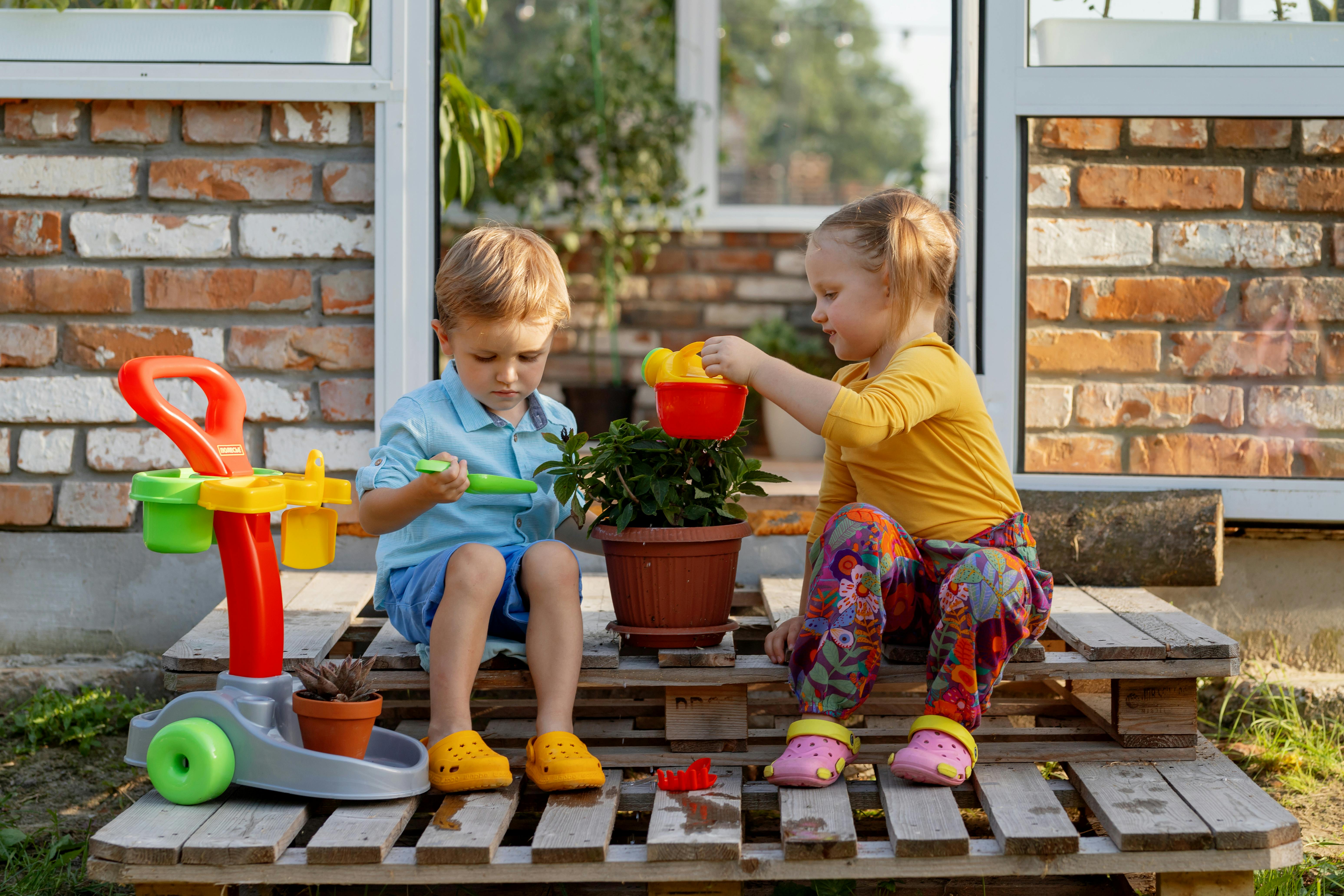
Gardening kits and nature exploration toys have gained traction as outdoor learning becomes more important. These products encourage children to interact with plants, soil, and natural ecosystems, helping them understand where food comes from and how nature functions.
Items such as planting kits, insect observation tools, and outdoor activity sets are especially popular in spring and early summer. Their seasonal alignment makes them a strategic addition to inventory planning.
What Buyers Should Evaluate When Sourcing Eco-Toys
While demand is growing, not all eco-toys perform equally well in the market. Buyers need to look beyond surface-level claims and evaluate products based on several practical factors.
Material quality remains critical. Products should be safe, durable, and suitable for repeated use, especially in school environments. Certifications or clear labeling can help build trust, but consistency in production is equally important.
Design also plays a role. Educational value should be integrated naturally into the play experience, rather than added as an afterthought. Toys that balance learning and enjoyment tend to generate stronger repeat orders.
Packaging is another consideration. Minimalist or recyclable packaging aligns better with the eco-friendly positioning of the product and can influence customer perception, particularly in retail settings.
Seasonal Opportunity: Earth Day and Beyond
Earth Day has become a focal point for environmental education initiatives worldwide. Schools organize themed activities and parents actively look for relevant products. This creates a predictable spike in demand for eco-friendly educational toys.
However, the opportunity does not end with a single event. The broader trend toward sustainability ensures that these products remain relevant throughout the year. Earth Day simply acts as a catalyst, accelerating purchasing decisions and increasing visibility.
For businesses, this means inventory planning should start well in advance. Stocking a focused range of eco-toys before peak periods allows buyers to respond quickly to market demand, rather than competing for limited supply during high-demand windows.
In addition, bundling strategies can be effective. Combining multiple eco-themed products into curated sets can increase perceived value and simplify purchasing decisions for end buyers.
The Role of Product Storytelling in Eco-Toy Sales
In this category, product storytelling is not optional—it is essential. Consumers alike want to understand what makes a toy "eco-friendly" and how it contributes to a child's learning.
Clear communication around materials, usage, and educational benefits can significantly improve conversion rates.
Zhorya: Expanding Your Eco-Toy Sourcing Strategy
For buyers looking to respond to the growing demand for educational eco-toys, working with a supplier that offers both variety and flexibility is essential.
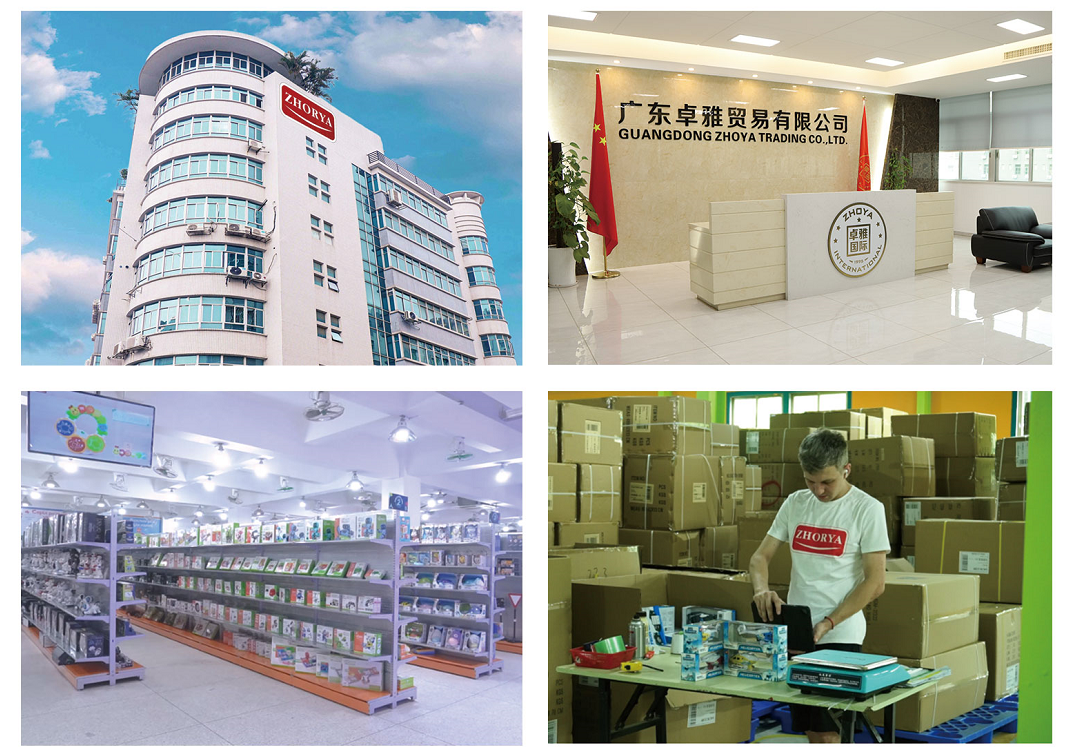
Zhorya, based in China, provides access to a wide range of toy categories that align with current market trends, including eco-conscious and educational products. With over 1.9 million toy products available, the selection covers everything from STEM kits and wooden toys to outdoor learning items.
What sets Zhorya apart in this space is the ability to adapt products to different market needs. Buyers can explore options for customized packaging, branding, and product features, making it easier to position eco-toys for specific audiences or seasonal campaigns like Earth Day.
At the same time, consistent supply across multiple categories allows businesses to build a more complete product offering, rather than relying on isolated items.
For companies aiming to strengthen their eco-toy portfolio, Zhorya offers a practical way to align product sourcing with evolving market expectations.
Conclusion
The rise of eco-friendly educational toys reflects a broader shift in how toys are evaluated and purchased. Sustainability and learning are no longer separate considerations—they are increasingly connected in the decision-making process.
For buyers, this creates a clear opportunity to adjust sourcing strategies and focus on categories that deliver both educational value and environmental relevance. Seasonal events like Earth Day provide an additional boost, but the underlying demand continues to grow throughout the year.
Businesses that recognize this shift early and prepare accordingly are more likely to build stable, long-term demand in a market that is becoming increasingly value-driven.