Login
Join Free
Categories
My Orders
Wish
Cart
0m³/0m³

English
English
 Русский язык
 中文
中文
Fast-Moving Toys That Sell Out Quickly
2026-08-17 09:53:24
For toy retailers, wholesalers, distributors, and e-commerce sellers, some products move through inventory much faster than others. These fast-moving toys can attract attention, generate frequent purchases, and require regular replenishment. However, identifying them is not simply a matter of choosing products that are currently popular.
A toy can sell quickly because it has an affordable price, an easy-to-understand concept, strong visual appeal, seasonal demand, or broad gift potential. In other cases, a product performs well because it is easy to display and gives customers an immediate reason to buy.
For businesses building a profitable toy assortment, understanding these factors is more useful than simply searching for a list of best-selling toys. The goal is to identify products with realistic demand, suitable price points, practical packaging, and reliable replenishment potential.
What Makes a Toy a Fast Mover?
A fast-moving toy usually has several characteristics that make the purchase decision relatively easy.
The first is clear product appeal. Customers should be able to understand what the toy does or why it is interesting without needing a long explanation. Interactive features, recognizable product formats, attractive designs, and familiar play patterns can all help.
The second is accessible pricing. Many fast-moving toys are suitable for impulse purchases or smaller gift occasions. When customers do not have to make a major spending decision, they may be more willing to add a toy to their purchase.
The third is strong visual presentation. Toys compete for attention in stores and online. Colorful packaging, interesting shapes, movement, lights, sounds, and recognizable themes can encourage customers to stop and explore a product.
The fourth is broad purchase potential. A toy that works as a birthday gift, holiday item, party favor, reward, or casual purchase has more opportunities to sell.
Finally, fast-moving products need practical replenishment potential. Selling out quickly is useful only if additional inventory can be sourced and delivered efficiently.
Types of Fast-Moving Toys That Can Sell Out Quickly
There is no single toy category that always sells fastest in every market. Demand changes according to age group, season, price range, retail channel, and local consumer preferences.
However, several product types can provide strong opportunities for a fast-moving assortment.
Small Interactive and Electronic Toys
Small electronic toys can attract attention by offering immediate interaction. Buttons, lights, sounds, music, movement, and other simple functions can give customers an obvious reason to engage with a product.
Compact electronic toys are also useful for merchandising because they do not necessarily require a large amount of shelf space. A retailer can place them on shelves, countertops, pegboards, or mixed promotional displays.
For B2B sourcing, however, product appeal is only one consideration. Battery requirements, packaging, product safety, compliance documentation, shipping efficiency, and expected retail pricing should also be reviewed before placing larger orders.
A simple electronic toy with a clear function can sometimes be easier to sell than a technically complicated product that requires extensive explanation.
Small Impulse Toys
Small impulse toys are particularly useful when retailers want products that customers can purchase with little hesitation.
Examples include mini games, small novelty toys, fidget-style products, miniature vehicles, small dolls, simple activity toys, and other compact items.
Their biggest advantage is merchandising flexibility. They can be placed near checkout areas, on countertops, in baskets, on small displays, or alongside larger toys.
Because they require relatively little display space, retailers can also test several products at the same time. Products that perform well can then receive more shelf space or larger replenishment orders.
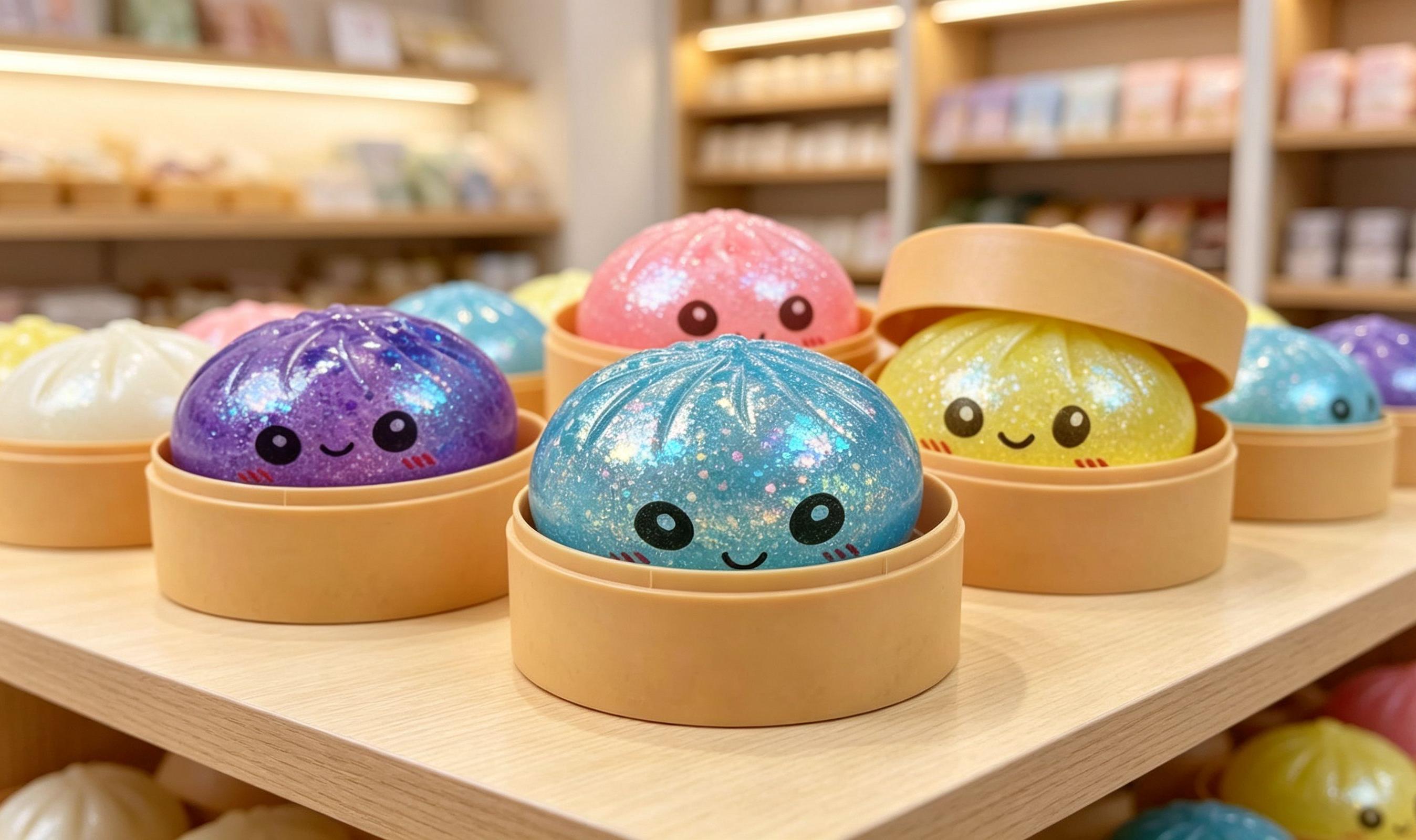
Squishy and Sensory Toys
Squishy and other tactile novelty toys can benefit from strong visual and physical appeal. Shape, texture, character design, and packaging can all influence customer interest.
These products can work especially well when offered as a collection rather than as one isolated item. Several different shapes or designs can create a more noticeable display and encourage customers to compare options.
At the same time, assortment depth needs to be controlled. Carrying too many products that look almost identical can divide inventory across too many SKUs without necessarily increasing total demand.
A focused selection of clearly differentiated designs can be easier to merchandise and manage.
Mini Vehicles and Collectible Toys
Toy cars, motorcycles, trucks, construction vehicles, emergency vehicles, and other recognizable vehicle formats can be strong additions to a fast-moving assortment.
One reason is simple: the product concept is immediately recognizable.
Small vehicles can serve different purchasing occasions. They can be affordable individual toys, small gifts, collection items, or add-on purchases.
The appropriate product depends on the target customer. Younger children may respond better to colorful, easy-to-play formats, while collectors and older children may prefer greater detail or specific vehicle styles.
The fastest-moving product is therefore not necessarily the most detailed one. It is the product that best matches the target market's expectations for price, appearance, and play value.
Creative and Activity-Based Toys
Creative products give children something to do rather than simply something to look at.
Building sets, craft kits, drawing products, DIY activities, puzzles, educational games, and simple experiment-based toys can benefit from this characteristic.
These products can also support themed merchandising. A retailer can group products around creativity, learning, indoor activities, travel, or family play rather than displaying each item independently.
For sourcing purposes, self-contained products can be particularly convenient because customers can understand what they are receiving and how the activity works.
Outdoor and Seasonal Toys
Seasonal toys can become extremely fast-moving when inventory arrives at the right time.
Outdoor products such as balls, flying toys, water-play products, beach toys, and sand toys may experience stronger demand during specific periods of the year.
Timing is therefore critical.
A product can have excellent sales potential during one season and considerably weaker demand outside that period. Ordering too early may tie up working capital, while ordering too late can mean missing the strongest sales window.
Seasonal purchasing should therefore consider local weather, holidays, school schedules, regional preferences, and expected lead times.
Gift-Friendly Toys
Toys with strong gift potential can benefit from multiple purchasing occasions.
A customer may purchase a toy for a birthday, holiday, party, school event, reward, or simple surprise. This means the product does not depend entirely on parents making routine toy purchases for their own children.
Packaging becomes particularly important here. A product that looks presentable and understandable in its packaging can be easier to select when customers are shopping for a gift.
Why Some Toys Sell Faster Than Others
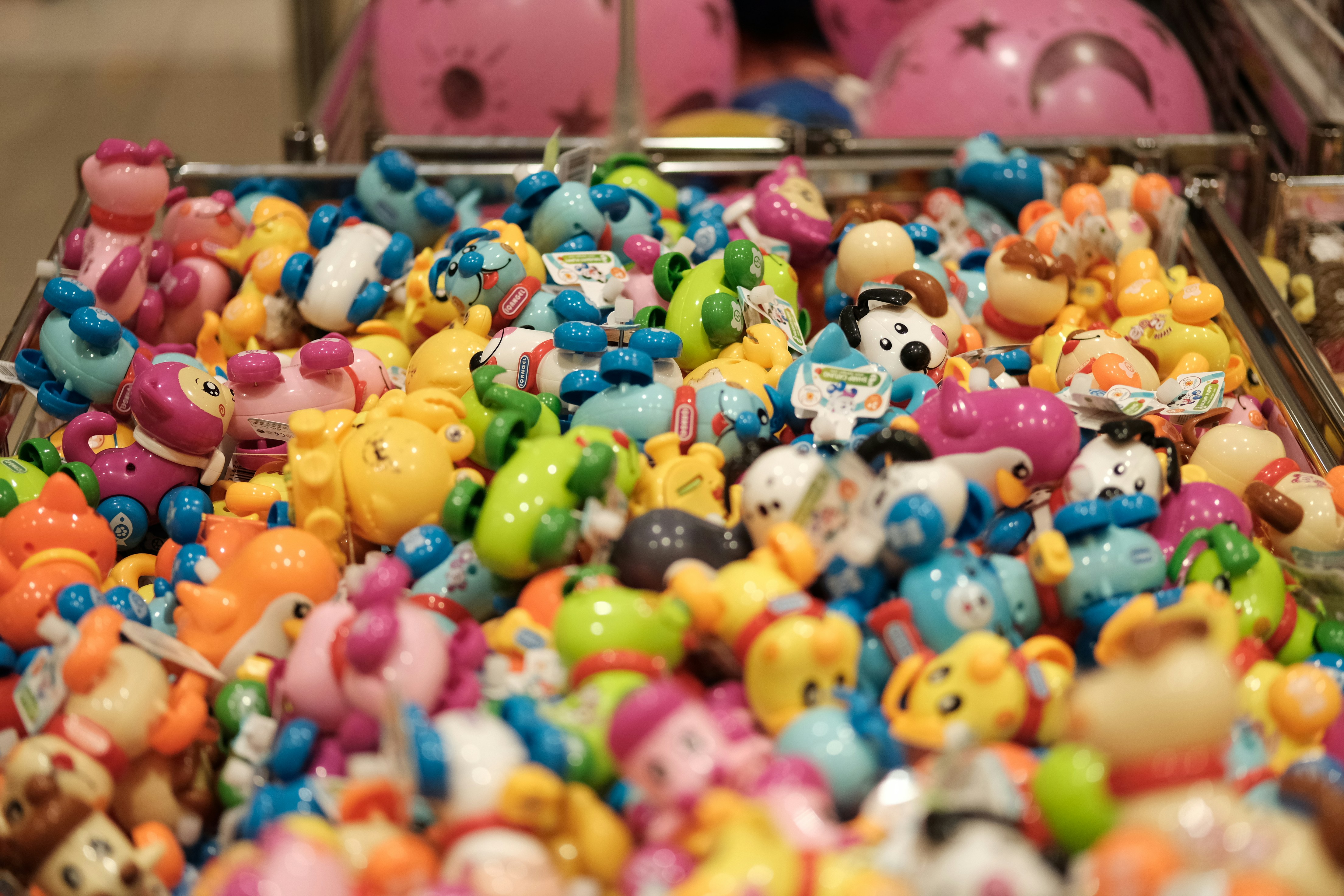
Product category alone does not determine sales speed. Two toys in the same category can perform very differently.
Easy-to-Understand Play Value
Customers often make purchasing decisions quickly. If the product's function and appeal are immediately obvious, there is less uncertainty.
This is especially important in physical stores where shoppers may only spend a few seconds looking at an individual product.
Appropriate Price Points
Price strongly influences purchase friction.
Affordable products can be suitable for impulse purchases, while slightly higher-priced products may need stronger perceived value. The right price depends on the target customer and retail channel.
Instead of simply searching for the lowest-cost product, consider whether the product offers enough perceived value at the intended retail price.
Strong Visual Appeal
Toys need to stand out.
Interesting colors, shapes, packaging, characters, interactive elements, and demonstrations can help products attract attention. For e-commerce sellers, product photography and video demonstrations become particularly important because customers cannot physically interact with the item.
Multiple Purchase Occasions
A product with several natural use cases can have more opportunities to sell.
Birthday gifts, holidays, party favors, rewards, travel purchases, and casual gifts can all create additional demand.
Easy Merchandising
A product that can be displayed in several ways has more opportunities to reach customers.
Compact products can often work on shelves, counters, pegboards, baskets, endcaps, or mixed displays. This flexibility can be valuable for stores with limited space.
How to Identify Fast-Moving Toys Before Ordering
Predicting demand perfectly is impossible, but you can reduce the risk of ordering the wrong products by evaluating several factors together.
Look at Sales Velocity
Sales velocity measures how quickly inventory moves over a specific period.
Selling 500 units does not automatically mean a product is a better fast mover than one that sells 300 units. The time period and starting inventory matter.
A product selling 300 units from 350 received units may deserve more attention than a product selling 500 units from 5,000 units received.
Check Sell-Through
Sell-through helps show how much of the available inventory has actually been sold.
A high sell-through rate can indicate that the product is matching demand effectively. However, it should be evaluated alongside the sales period and replenishment situation.
Monitor Reorders
Repeat orders can provide a useful signal.
If a product repeatedly requires replenishment, it may have stronger long-term potential than a product that sells quickly once and then stops moving.
Consider Retail Price
The wholesale cost is only one part of the equation.
Before selecting a fast-moving toy, consider the expected retail price, target customer, competitive products, packaging, shipping costs, and desired margin.
A product with a low purchase price is not necessarily commercially attractive if customers do not perceive enough value in it.
Evaluate Product Size
Product size affects more than shelf space.
It can influence carton efficiency, warehouse storage, shipping costs, display options, and the number of units that can be carried at one time.
For fast-moving products, efficient packaging can make repeat replenishment easier to manage.
How to Build a Fast-Moving Toy Assortment
A strong assortment should not depend entirely on one type of product.
Instead, combine products with different demand patterns.
Balance Core Products and Trend Products
Core products can provide more stable demand, while trend-driven products can create opportunities for short-term sales growth.
Keeping both in the assortment can reduce dependence on a single demand pattern.
Mix Different Price Points
An assortment with multiple price levels can serve different purchasing occasions.
Lower-priced toys can support impulse purchases, while mid-range products can provide more substantial gift options.
The objective is not simply to include as many price points as possible. Each price range should have a clear role in the assortment.
Test Before Scaling Orders
When entering a new market or testing an unfamiliar product category, smaller initial orders can provide useful information.
Monitor which products receive attention, which products sell through, which products generate repeat purchases, and which products remain in inventory.
Then increase orders for the strongest performers rather than treating every SKU equally.
Keep the Assortment Focused
A large product catalog does not automatically create a strong retail assortment.
Too many similar products can spread demand across multiple SKUs and make inventory management more difficult.
A focused selection with meaningful differences between products can be easier for customers to understand and easier for retailers to manage.
Why Replenishment Matters for Fast-Moving Toys
A product that sells out quickly creates a new problem: getting more inventory.
If replenishment takes too long, a retailer may lose sales during the period when customer demand is strongest.
This makes supplier reliability an important part of fast-moving toy sourcing.
Before committing to larger orders, consider:
-
Product availability
-
Production or sourcing lead time
-
Minimum order quantities
-
Packaging consistency
-
Carton dimensions
-
Shipping options
-
Compliance documentation
-
Repeat-order capability
-
Communication efficiency
Fast-moving inventory requires a supply chain that can respond to demand.
The goal is not to keep every product permanently in stock. Instead, it is to create a replenishment process that allows proven products to return to inventory before extended stockouts occur.
Why Choose ZHORYA for Fast-Moving Toy Sourcing?
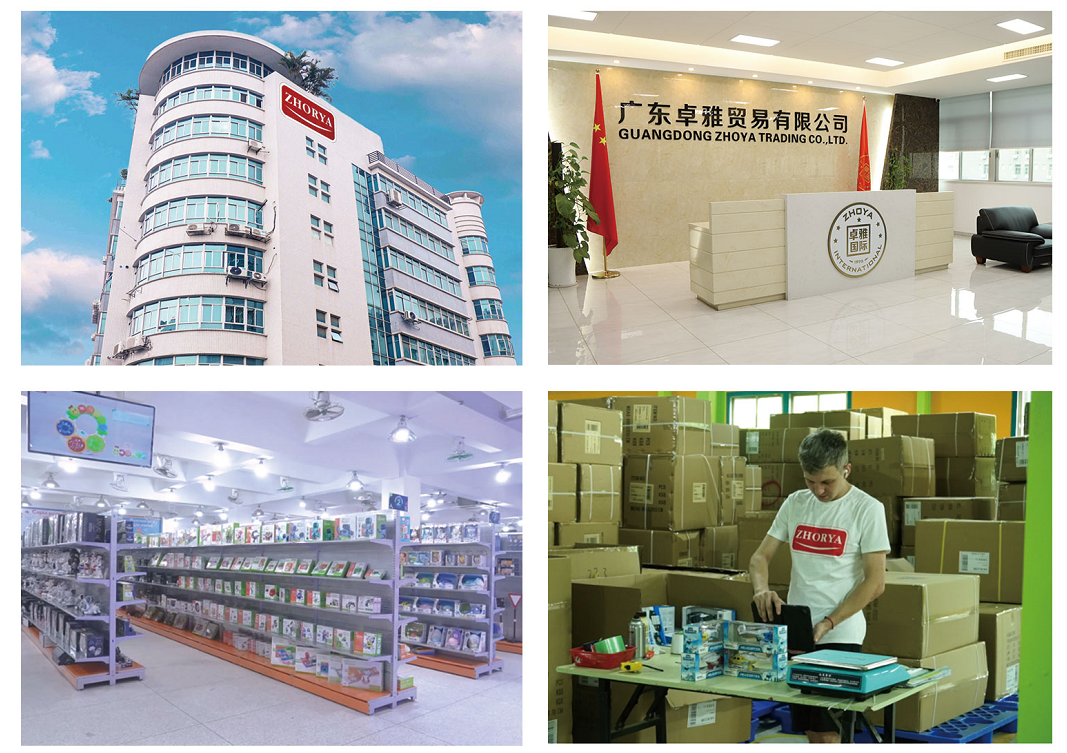
Once you have identified the right products, having a sourcing partner that can provide variety and support repeat orders can make the process easier. ZHORYA offers:
-
2M+ toy SKUs: Electronic, educational, plush, dolls, games, puzzles, RC, outdoor, and novelty toys.
-
B2B sourcing: Support for wholesalers, importers, distributors, retailers, and e-commerce sellers.
-
OEM/ODM options: Suitable for buyers looking for customized products or branding.
Looking for fast-moving toys for your next assortment? Explore ZHORYA's wholesale toy collection or contact our team to discuss your sourcing needs.
Conclusion
Fast-moving toys combine clear appeal, suitable pricing, strong merchandising potential, and reliable replenishment. With 2M+ toy SKUs and B2B sourcing support, ZHORYA can help you explore suitable products, test new assortments, and replenish proven performers efficiently.
Get Your Free Quote
We will reply within 24 hours.