Login
Join Free
Categories
My Orders
Wish
Cart
0m³/0m³

English
English
 Русский язык
 中文
中文
Fashion Dolls vs Traditional Dolls: What Wholesale Buyers Should Know
2025-12-25 08:55:10
The global doll market has evolved significantly over the past decade. What was once dominated by classic baby dolls and simple character figures has expanded into a diverse landscape that includes highly stylized fashion dolls, collectible lines, educational designs, and culturally inclusive products. For wholesale buyers, importers, distributors, and large-scale retailers, understanding the difference between fashion dolls and traditional dolls is no longer optional—it is essential for building a balanced, profitable product range.
This article explores how fashion dolls and traditional dolls differ in design, audience appeal, pricing strategy, and sales performance. More importantly, it explains what wholesale buyers should consider when choosing between these two categories—or deciding how to combine them effectively.
Understanding Traditional Dolls: Core Characteristics and Market Role
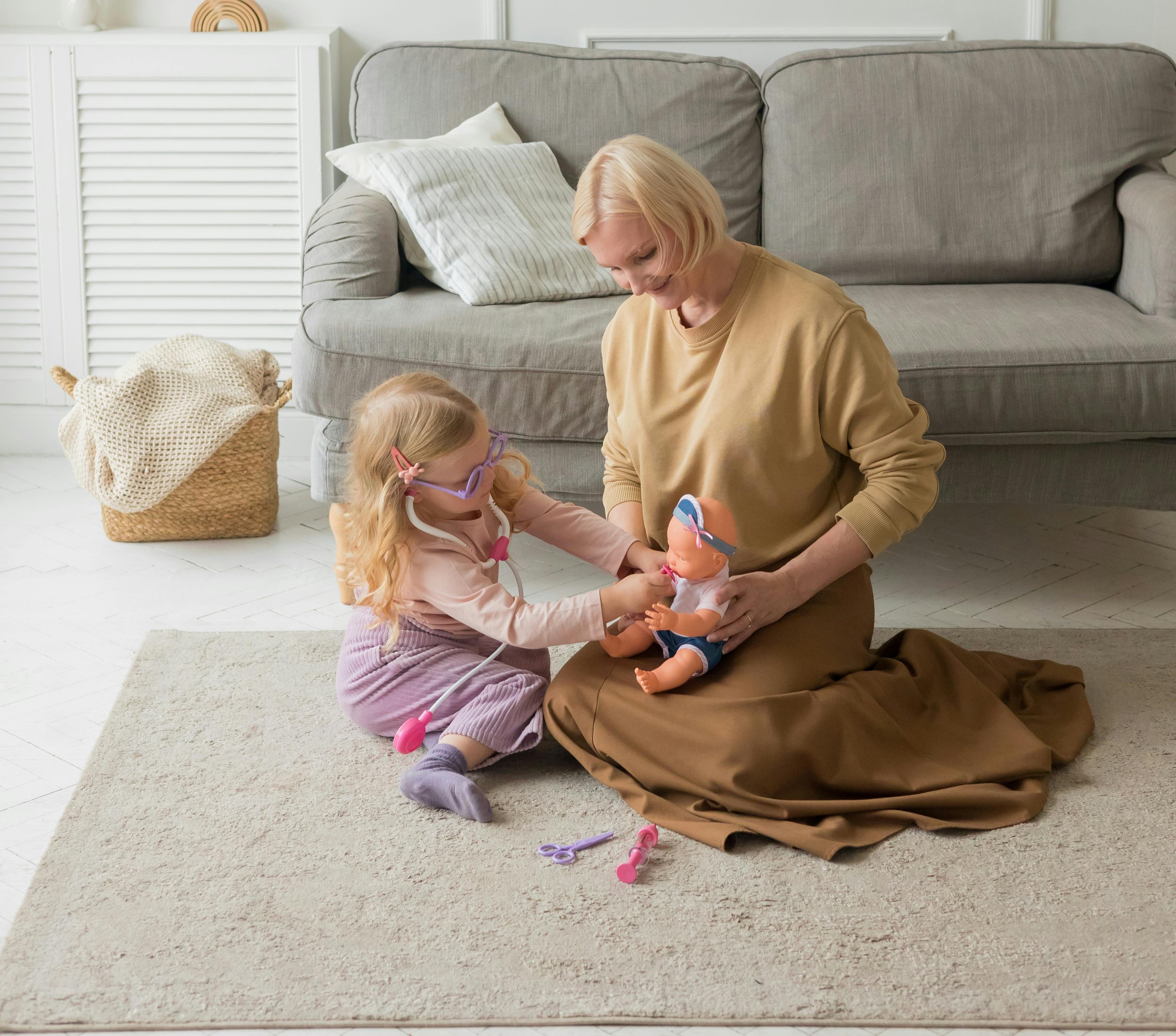
Traditional dolls are often the foundation of any doll assortment. These typically include baby dolls, toddler dolls, and classic child-like figures designed to resemble real infants or young children. Their appeal lies in familiarity, emotional connection, and developmental value.
From a wholesale perspective, traditional dolls are known for their stable demand. They perform consistently across markets, particularly in regions where parents prioritize nurturing play, early childhood development, and role-playing activities. Many traditional dolls are designed to encourage caregiving behaviors, such as feeding, dressing, or bedtime routines.
Another key strength of traditional dolls is age accessibility. They are commonly suitable for younger children, often starting from ages 1–3, depending on materials and construction. This makes them popular with supermarkets, toy chains, daycare suppliers, and educational distributors.
However, traditional dolls generally rely less on trends. Their designs change slowly, and packaging tends to be simple and functional. While this stability reduces risk, it can also limit seasonal excitement or social media-driven demand.
What Defines Fashion Dolls in Today's Toy Market?
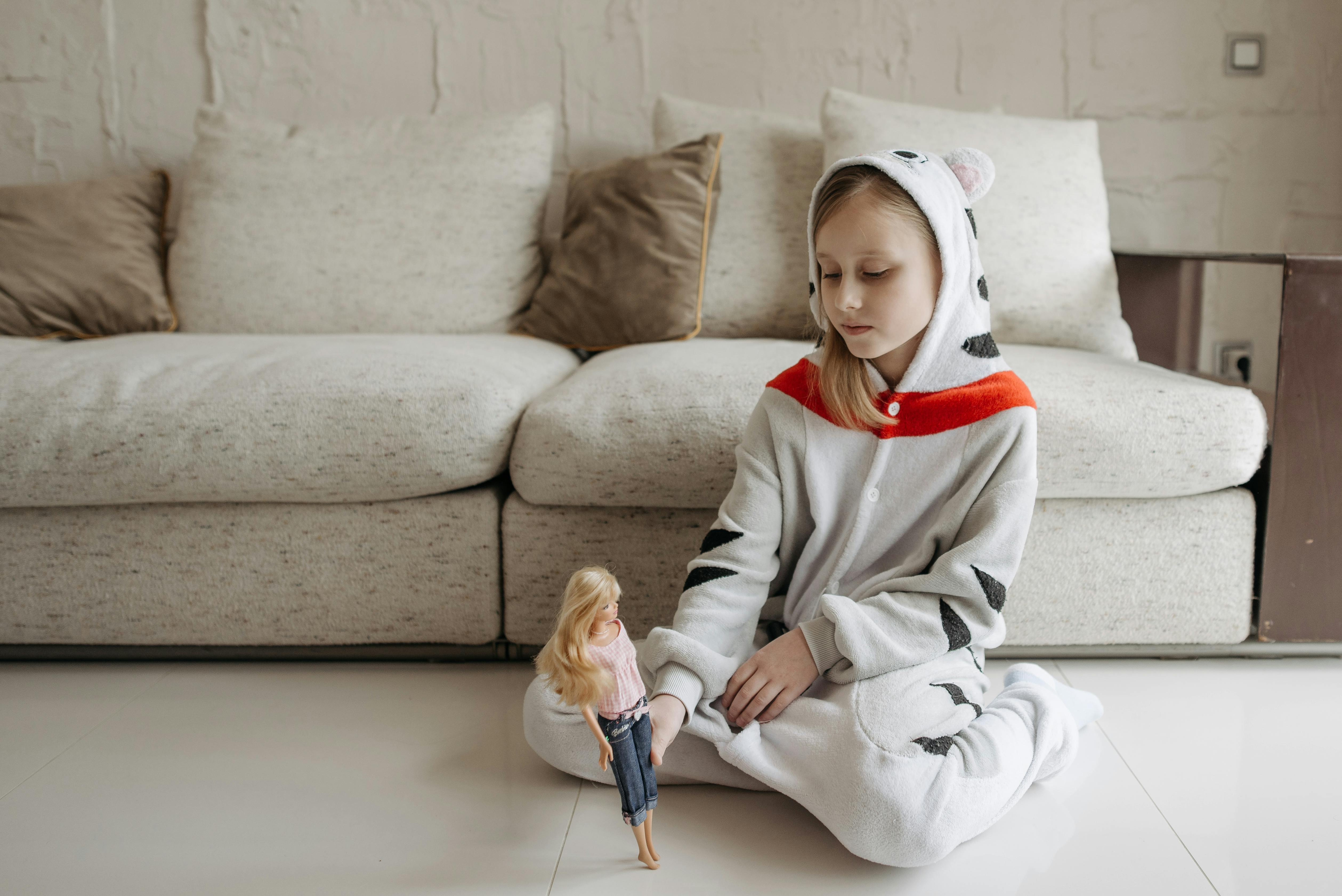
Fashion dolls represent a very different segment. These dolls are typically older in appearance, with stylized proportions, articulated joints, and detailed outfits. Fashion dolls often reflect modern lifestyles, pop culture, careers, and social identities.
Unlike traditional dolls, fashion dolls are aspirational products. They are designed to inspire creativity, storytelling, and personal expression. Clothing changes, accessories, themed sets, and collectible series are central to their appeal.
From a wholesale standpoint, fashion dolls are often more trend-sensitive. Colors, hairstyles, outfit themes, and even packaging aesthetics can influence performance dramatically. This makes them particularly popular with online sellers, specialty toy stores, and markets influenced by social media and influencer culture.
Fashion dolls also tend to support repeat purchases. A single doll may lead to additional sales through outfit packs, accessories, or related characters. For wholesalers, this opens opportunities for bundle sales and higher average order values.
Target Age Groups: A Critical Difference for Buyers
One of the most important distinctions wholesale buyers must understand is age positioning.
Traditional dolls are generally aimed at younger children, often under the age of 6. Safety, softness, and simplicity are critical. Materials are usually plush, vinyl, or soft plastic, and articulation is limited to reduce risk.
Fashion dolls, on the other hand, typically target older children, often 6 years and above. These buyers value visual detail, poseability, and customization. Small accessories are common, which requires clearer age labeling and compliance with safety standards.
For wholesale buyers supplying multiple channels, this age separation helps prevent assortment overlap. Stocking both categories allows buyers to serve different customer segments without internal competition.
Pricing and Margin Considerations in Wholesale Purchasing
Pricing structures differ significantly between fashion dolls and traditional dolls.
Traditional dolls often fall into mid to lower price ranges. Production costs are more predictable, designs remain consistent over time, and volumes are typically high. This supports stable margins and makes them suitable for price-sensitive markets.
Fashion dolls may carry higher per-unit prices, especially when detailed outfits, accessories, or premium packaging are involved. However, they often support stronger perceived value and branding opportunities, which can justify higher wholesale pricing.
For distributors and importers, fashion dolls can deliver higher margins when positioned correctly, while traditional dolls provide volume stability. Many successful buyers use traditional dolls as core products and fashion dolls as margin-enhancing additions.
Packaging, Branding, and Shelf Impact
Packaging plays a very different role across these two categories.
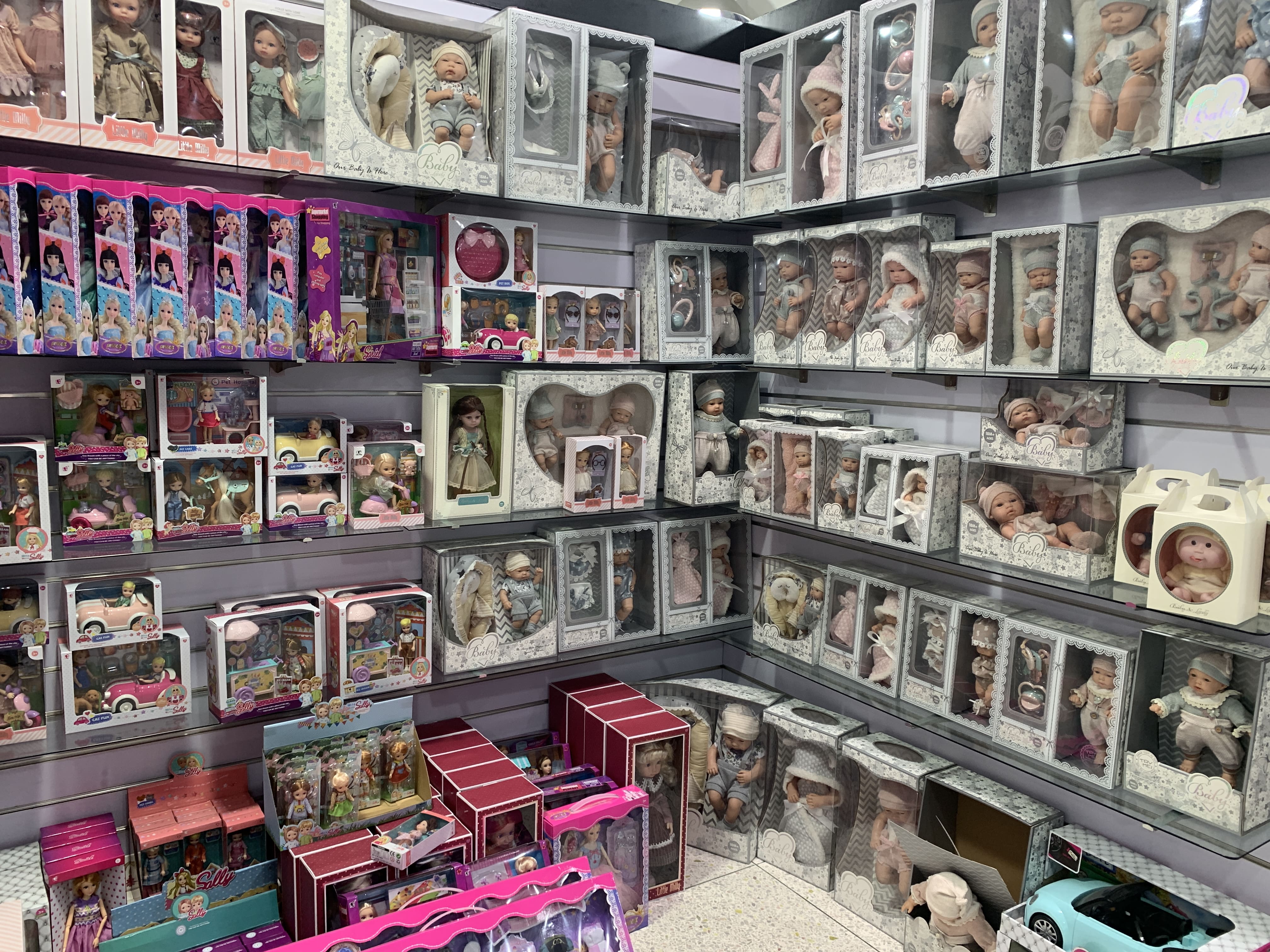
Traditional doll packaging is often practical, focusing on protection and basic information. Clear windows, simple branding, and neutral color schemes are common. This works well in physical retail environments where parents are making quick purchasing decisions.
Fashion dolls rely heavily on visual presentation. Packaging often features bold colors, lifestyle imagery, and strong brand identity. For e-commerce, this is especially important, as packaging visuals frequently double as product images.
Wholesale buyers serving online sellers should pay particular attention to fashion doll packaging, as it directly affects click-through rates and conversion performance.
Trend Sensitivity vs Long-Term Stability
One of the biggest strategic differences between fashion dolls and traditional dolls is how they respond to trends.
Traditional dolls are relatively immune to short-term market shifts. Demand remains steady regardless of fashion cycles, making them ideal for long-term inventory planning.
Fashion dolls, however, are more responsive to cultural changes. Themes related to careers, diversity, sustainability, or modern lifestyles can significantly influence demand. While this creates opportunity, it also introduces risk if trends shift quickly.
For wholesale buyers, the key is balance. Trend-driven fashion dolls should be sourced carefully and refreshed regularly, while traditional dolls provide a reliable sales foundation.
Compliance, Safety, and Regional Market Expectations
Both categories must meet international safety standards, but the emphasis differs.
Traditional dolls often require additional scrutiny around materials, softness, and chemical safety, especially for younger age groups. Certifications and testing documentation are critical for wholesale buyers supplying regulated markets.
Fashion dolls may involve more components, including small accessories and articulated parts. This increases the importance of age grading, warning labels, and packaging clarity.
Experienced wholesale buyers evaluate these factors early to avoid delays, rejections, or compliance issues downstream.
Choosing the Right Mix for Your Wholesale Strategy
Rather than viewing fashion dolls and traditional dolls as competing categories, successful buyers treat them as complementary.
Traditional dolls offer consistency, broad appeal, and lower volatility. Fashion dolls provide excitement, differentiation, and stronger branding potential. Together, they allow wholesalers and distributors to serve multiple customer profiles while spreading risk.
Buyers who understand the strengths and limitations of each category are better positioned to adapt to market changes and maintain long-term growth.
For wholesale buyers interested in expanding their fashion doll selection, explore a wide variety of styles and designs in our wholesale Barbie Doll Series.
Why Zhorya Is a Reliable Partner for Doll Sourcing
When sourcing dolls at scale, product variety, consistency, and market understanding matter just as much as price. Zhorya supports wholesale buyers with a broad selection of both fashion dolls and traditional dolls, helping businesses build well-balanced assortments tailored to different regions and sales channels. Whether you are looking for iconic fashion dolls like Barbie or other timeless designs, you can explore our full wholesale dolls collection to find options that align with your sourcing strategy.
With experience serving importers, distributors, and retailers worldwide, Zhorya helps buyers navigate changing market preferences while maintaining product reliability. From classic traditional dolls to modern fashion doll lines, our collection allows wholesale buyers to stock products that meet diverse customer needs and support long-term growth.
Conclusion
In summary, traditional dolls and fashion dolls each play a distinct role in a wholesale assortment. Traditional dolls provide steady demand and broad appeal, while fashion dolls offer trend-driven excitement and higher margin potential. By understanding their differences and strategically combining both, wholesale buyers can build balanced, profitable doll collections that meet diverse customer needs.