Login
Join Free
Categories
My Orders
Wish
Cart
0m³/0m³

English
English
 Русский язык
 中文
中文
Emerging Emotional Toy Market Trends
2026-03-04 08:56:23
The global toy industry is undergoing a subtle yet transformative shift. Traditional categories such as action figures, board games, and educational toys are still strong, but a new trend is rapidly emerging: the emotional consumption market. Unlike conventional toys that focus primarily on entertainment or learning, toys in this emerging sector are designed to address emotions, stress, and psychological well-being. This shift is not only reshaping product design but also influencing marketing strategies and retail approaches across the toy industry.
Understanding Emotional Consumption in Toys
Emotional consumption refers to products purchased primarily for their ability to influence mood, provide comfort, or deliver psychological satisfaction. In the context of toys, this can include items that reduce stress, spark joy, or offer a sense of control and calmness in an unpredictable world.
The rise of this market is closely tied to broader societal changes. In recent years, mental health awareness has increased globally, prompting consumers to seek products that contribute to emotional well-being. Stress, anxiety, and digital fatigue have created demand for tangible experiences that provide relaxation and comfort. Toys have naturally become a medium through which these emotional needs can be met.
Key Drivers Behind the Market
Several factors are driving the growth of emotional consumption in toys:
-
Mental Health Awareness: Parents, educators, and even adult consumers are increasingly seeking toys that provide comfort, mindfulness, and stress relief.
-
Digital Fatigue: The overexposure to screens has made tactile, hands-on toys more appealing, offering a sensory escape from digital environments.
-
Social Media Influence: Platforms like TikTok and Instagram have amplified the visibility of toys designed to evoke emotional satisfaction. Trending products like squishy toys or slime kits generate viral interest precisely because they are visually engaging and stress-relieving.
-
Collectibility and Personalization: Emotional toys often allow for personalization or collection, creating a sense of attachment that extends beyond simple play. Consumers are buying experiences as much as products.
Popular Categories in Emotional Consumption Toys
Several categories exemplify the current market trends:
-
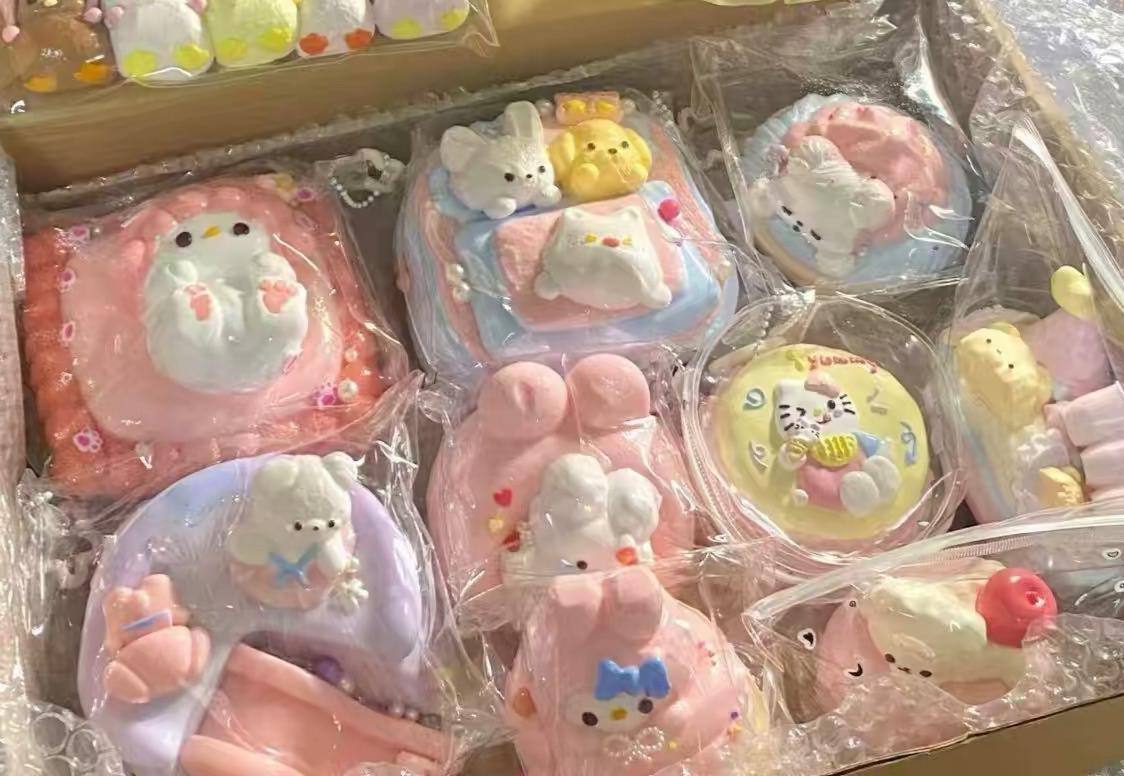
Squishy and Stress-Relief Toys: Squishy toys, foam stress balls, and soft silicone shapes offer tactile satisfaction that reduces anxiety. Their slow-rising, malleable textures appeal to all age groups, from children to adults.
-
Sensory Play Kits: Kits that combine textures, colors, and scents are gaining traction. These toys stimulate multiple senses, providing a calming experience that can help regulate emotions.
-
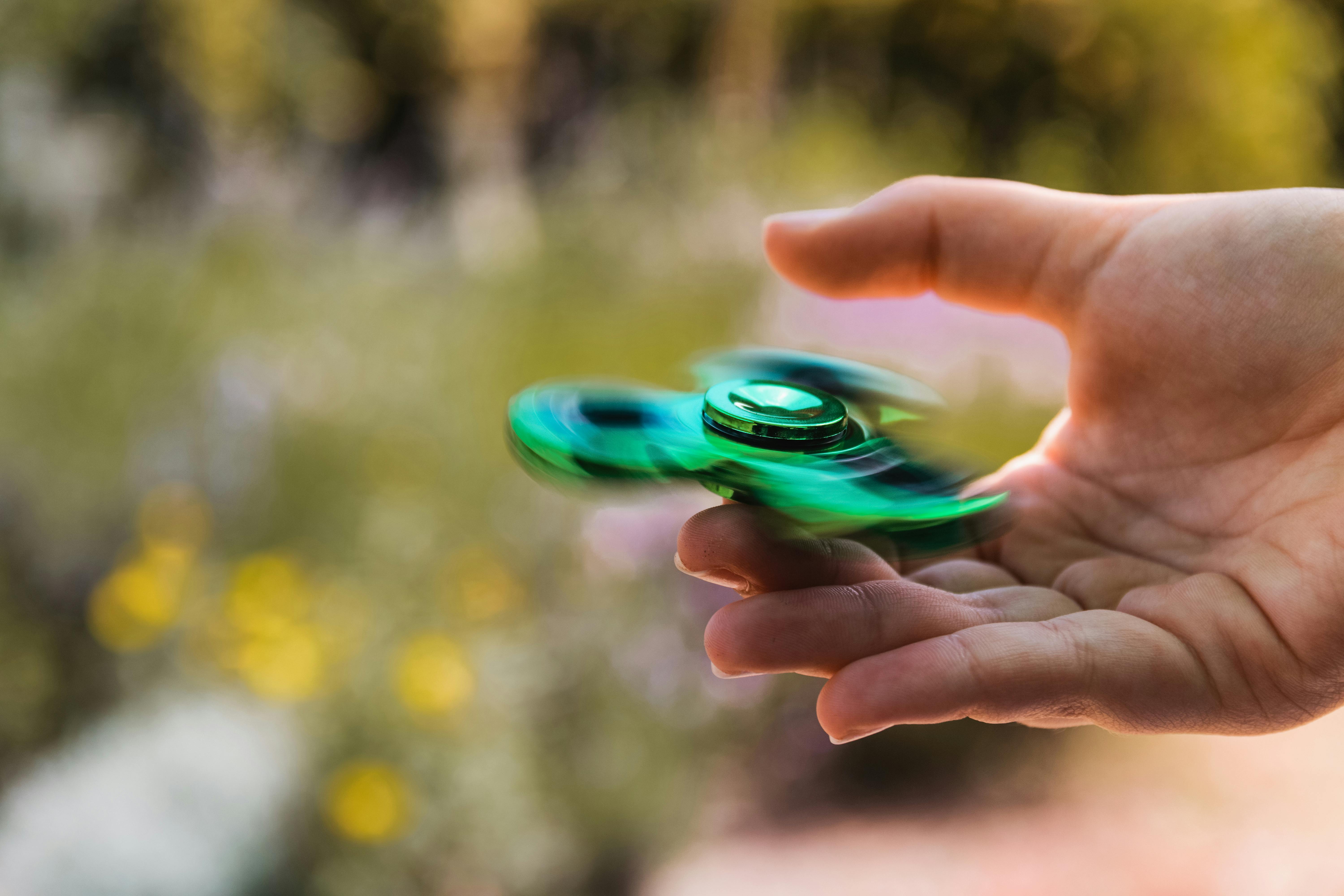
Fidget and Focus Toys: Fidget spinners, cubes, and tactile puzzles are designed to channel nervous energy or improve concentration, making them popular in educational settings and at home.
-
Mindfulness and Relaxation Toys: Products like zen gardens, calming light toys, or meditation-focused plushies combine play with relaxation techniques. These are increasingly marketed as tools for emotional balance rather than mere entertainment.
-
Collectible Comfort Items: Collectible figures or plushies with soft textures and appealing designs create emotional attachment and a sense of security for users.
Consumer Insights
Understanding who is buying emotional toys is crucial for businesses looking to capture this market:
-
Parents of Young Children: Parents increasingly purchase toys to help children manage emotions, cope with stress, and build social-emotional skills.
-
Teenagers and Young Adults: This group is particularly drawn to stress-relief and fidget toys as coping mechanisms for academic or work-related pressures.
-
Adults Seeking Comfort: Beyond children and teens, adults are becoming a significant consumer base. Emotional toys function as desk companions, stress-relief tools, or collectibles with sentimental value.
Marketing Strategies for Emotional Toys
To effectively capture this market, toy manufacturers and wholesalers must adopt strategies that resonate with the emotional needs of consumers:
-
Storytelling: Products that convey a narrative or emotional value create deeper engagement. Marketing should highlight how the toy alleviates stress, sparks joy, or supports mindfulness.
-
Visual Appeal: Social media-friendly designs and colors that evoke calmness or joy are critical. Videos demonstrating the tactile and soothing aspects of the toy often outperform traditional marketing methods.
-
Educational Tie-Ins: Linking toys to emotional learning or social-emotional skills can enhance perceived value, especially among parents and educators.
-
Customization Options: Offering branding, colors, or design variations allows consumers to feel ownership and attachment, amplifying emotional impact.
Future Prospects
The emotional consumption market is projected to expand steadily as society becomes increasingly aware of mental health and well-being. Toy manufacturers who can blend functionality, design, and emotional appeal will likely dominate the segment. Emerging technologies, such as AR-enhanced toys or interactive sensory products, may further enrich the emotional experience.
Furthermore, sustainability is expected to play a key role. Consumers are more conscious of environmental impact, so eco-friendly materials in emotional toys could become a significant selling point, enhancing both emotional satisfaction and social responsibility.
Why Zhorya Stands Out in Emotional Toys
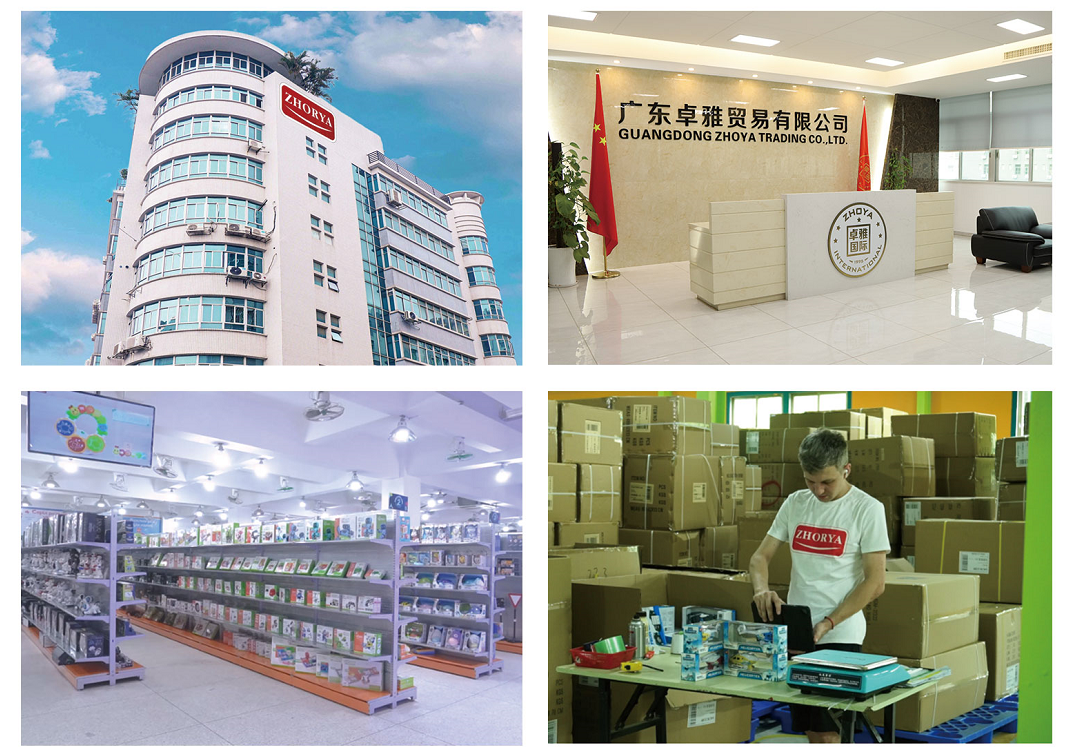
For businesses looking to source a wide range of emotional toys, Zhorya, based in China, offers an extensive collection designed to meet the needs of this emerging market. Beyond their popular Squishy toys, Zhorya provides:
-
Stress-Relief Toys: Including squishies, foam balls, and tactile sensory items that help reduce anxiety for children and adults alike.
-
Fidget and Focus Products: Fidget spinners, cubes, and interactive puzzles that improve concentration while providing calming stimulation.
-
Sensory and Mindfulness Toys: Light-up toys, calming plushies, and DIY sensory kits that encourage relaxation and mindful play.
-
Collectible Plush and Soft Toys: Appealing designs that create emotional attachment and a sense of comfort, perfect for all ages.
Zhorya stands out for its combination of variety, safety, and customization. Businesses can order toys with custom packaging, logos, or exclusive designs to meet specific market needs. With competitive wholesale pricing and reliable quality assurance, Zhorya is an ideal partner for wholesalers, retailers, and online sellers looking to tap into the emotional consumption trend in the toy industry.
Conclusion
In conclusion, the emotional consumption trend is reshaping the toy industry by prioritizing well-being, stress relief, and emotional engagement alongside traditional play. With growing demand from children, teens, and adults alike, businesses that offer thoughtfully designed, customizable, and socially conscious toys are well-positioned for success. Zhorya, based in China, provides a comprehensive range of emotional toys, combining variety, safety, and wholesale-friendly options, making it a strategic partner for companies aiming to meet this evolving market demand.
Get Your Free Quote
We will reply within 24 hours.