Login
Join Free
Categories
My Orders
Wish
Cart
0m³/0m³

English
English
 Русский язык
 中文
中文
Why Educational & Pretend Play Toys Are Growing in Demand
2026-04-17 08:53:16
In today's toy market, purchasing decisions are no longer driven by price or visual appeal alone. Parents are becoming more intentional, focusing on how toys contribute to their children's development, behavior, and long-term learning ability. As a result, two categories have seen consistent growth across global markets: educational toys and pretend play toys.
This shift is not accidental. It reflects broader changes in parenting styles, early childhood education awareness, and expectations around what toys should actually do. For businesses selecting product lines, understanding the reasoning behind this trend is far more valuable than simply following it.
This article breaks down why modern parents are moving toward educational and imitation-based toys, including the influence of Montessori principles, and how this translates into real product demand.
1. Parenting Has Shifted from Entertainment to Development
A decade ago, toys were often seen as tools to keep children occupied. Today, parents expect more. Toys are now viewed as part of a child's learning environment.
This change is closely tied to increased access to parenting information. With educational content widely available online, parents are more aware of cognitive development stages, fine motor skills, and early learning milestones. As a result, they are actively choosing toys that contribute to these areas.
Educational toys meet this expectation by offering clear developmental value. Whether it is problem-solving, coordination, or basic STEM concepts, these products align with what parents believe will give their children an advantage.
At the same time, pretend play toys serve a different but equally important purpose. They allow children to explore real-world roles, build social understanding, and develop independence—all of which are now considered essential parts of early education.
2. The Influence of Montessori and Child-Led Learning
One of the most significant drivers behind this trend is the growing popularity of Montessori-inspired education.
The Montessori approach emphasizes hands-on learning, independence, and real-life skill development. Instead of passive entertainment, children are encouraged to interact with their environment in meaningful ways.
This philosophy directly supports the rise of imitation-based toys.
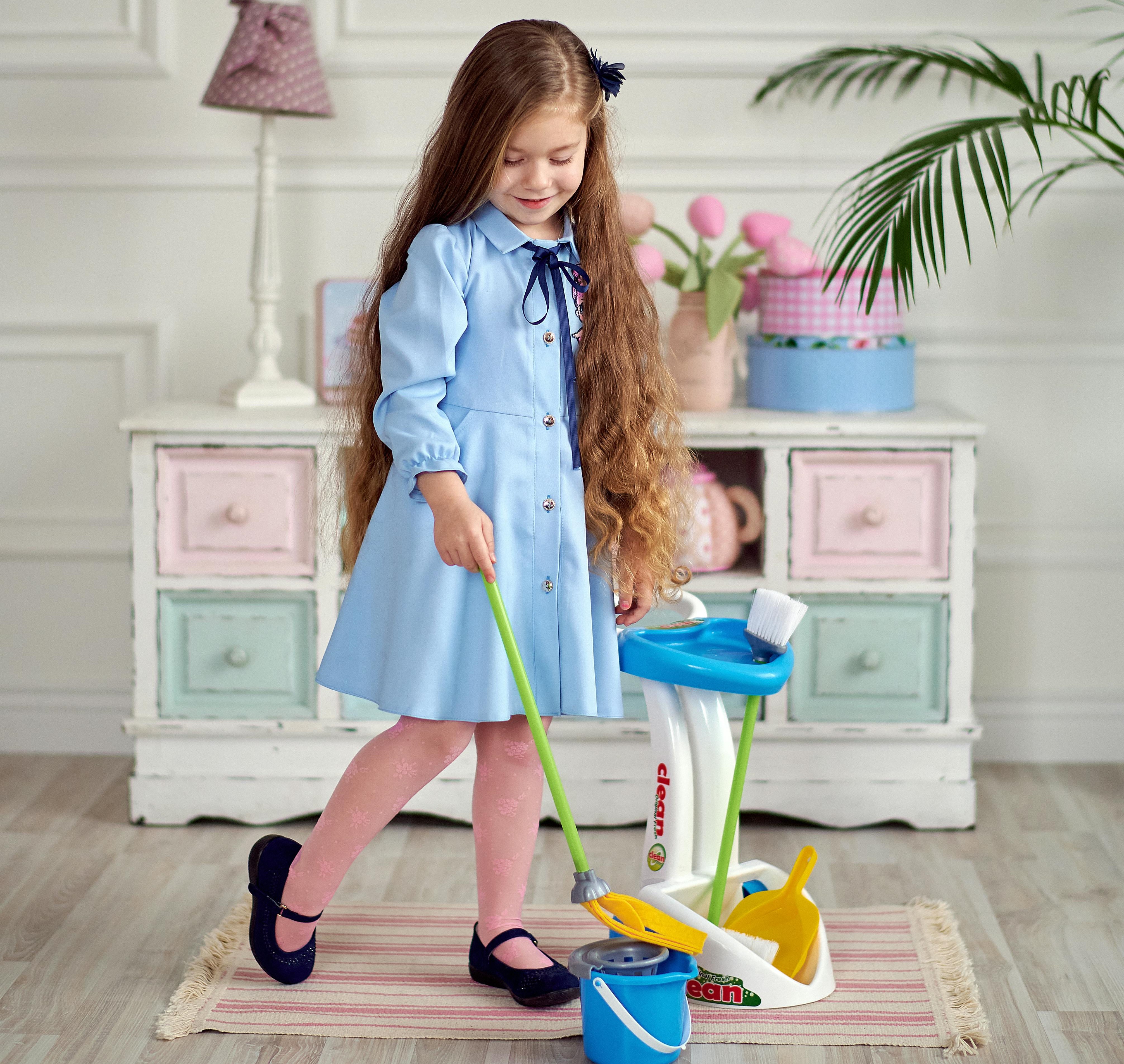
For example, cleaning playsets are not just toys—they are simplified versions of real household tools. When children use them, they are not only playing; they are practicing coordination, responsibility, and routine-based behavior.
This is why products like cleaning toys have gained strong traction. They align perfectly with Montessori principles:
-
They mimic real-life activities
-
They encourage independent action
-
They build practical life skills
You can explore a full range of these products here:
From a product strategy perspective, this category is particularly stable because it is not trend-dependent. It is rooted in long-term educational philosophy rather than short-term demand spikes.
3. Parents Value "Learning Through Play" More Than Ever
Another key reason behind the rise of educational and pretend play toys is the concept of "learning through play."
Parents are increasingly skeptical of toys that offer only passive engagement, such as those focused solely on lights, sounds, or repetitive actions. Instead, they look for products that require participation.
Educational toys often involve:
-
Problem-solving tasks
-
Building or assembling
-
Logical thinking exercises
Pretend play toys, on the other hand, involve:
-
Role-playing scenarios
-
Imitating adult behavior
-
Creating structured play routines
Both categories require active involvement, which leads to deeper engagement and longer playtime. This is important not only for child development but also for perceived product value.
A toy that can be used repeatedly in different ways is far more attractive than one that loses appeal after a few uses.
4. Emotional and Social Development Is Now a Priority
Modern parents are not only focused on academic skills. Emotional intelligence and social behavior are also major considerations.
Pretend play toys play a critical role in this area.
When children imitate real-life situations—such as cleaning, cooking, or organizing—they begin to understand responsibility and cooperation. They also learn how to interact with others, even in solo play.
Cleaning toys, for example, may seem simple, but they introduce concepts like:
-
Taking care of personal space
-
Participating in family routines
-
Understanding cause and effect (clean vs. messy environments)
These small lessons contribute to long-term behavioral development, which is why parents are willing to prioritize such products.
5. Screen Time Concerns Are Driving Physical Toy Demand
One of the strongest external factors influencing toy selection is concern over screen time.
With children spending more time on digital devices, many parents are actively looking for alternatives that encourage physical interaction and real-world engagement.
Educational and pretend play toys provide exactly that.
They:
-
Require hands-on activity
-
Encourage movement and coordination
-
Reduce reliance on screens
This makes them highly attractive in markets where digital consumption is increasing. Products that can position themselves as "screen-free learning tools" often perform better, especially among younger age groups.
6. Long-Term Value Matters More Than Short-Term Novelty
Parents today are more selective about how often they purchase toys. Instead of buying frequently, they prefer products that offer long-term value.
Educational and imitation toys naturally fit this expectation because they:
-
Can be used across different age stages
-
Offer multiple ways to play
-
Support continuous skill development
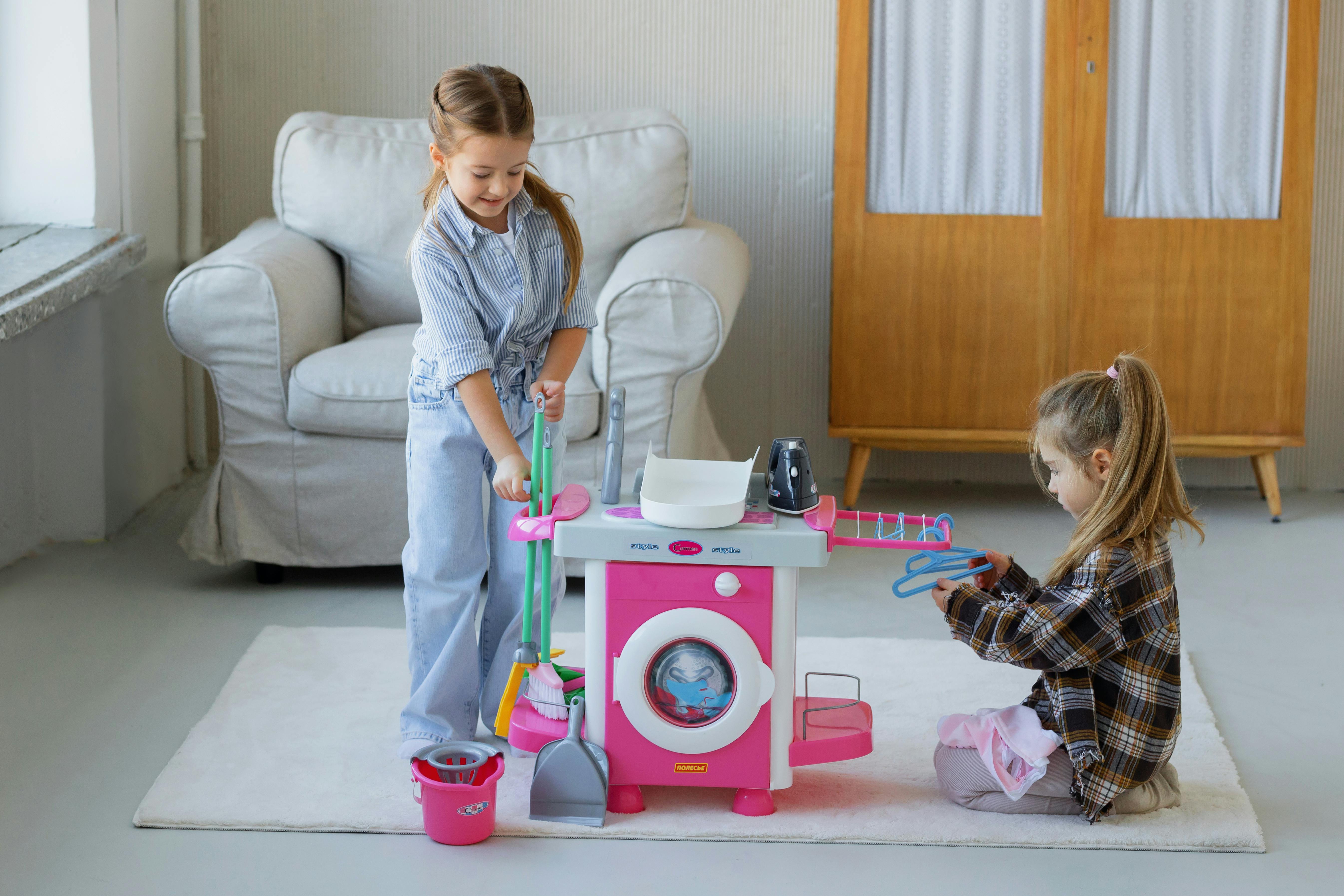
For example, a cleaning playset can evolve with the child:
-
Younger children focus on basic imitation
-
Older children begin to follow routines and complete simple tasks
This extended usability increases the perceived return on investment, making such products easier to justify.
7. Product Selection Is Becoming More Intentional
From a business standpoint, this shift means that product selection strategies need to change.
Instead of focusing only on what is visually appealing or low-cost, it is more effective to prioritize:
-
Clear educational value
-
Real-life relevance
-
Repeat play potential
-
Alignment with modern parenting trends
Categories like educational toys and cleaning playsets meet all of these criteria. They are not dependent on licenses, seasonal demand, or short-term trends, which makes them more stable for long-term planning.
About Zhorya
For businesses looking to align with these evolving preferences, product range and consistency become critical.
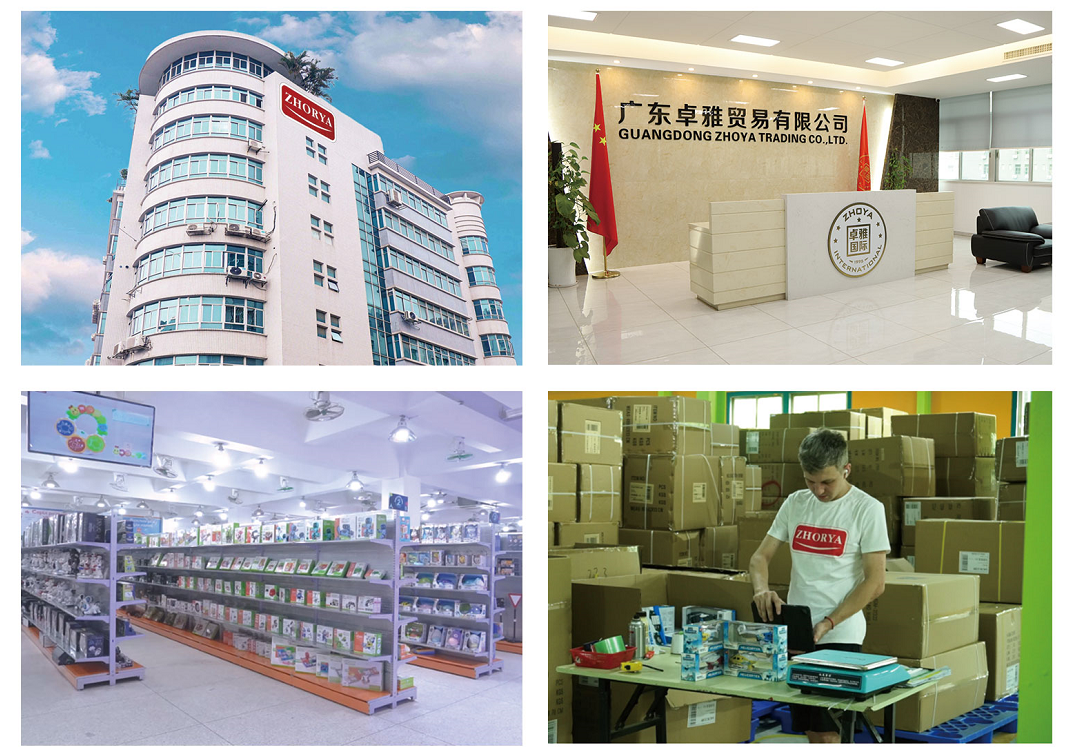
Zhorya, based in China, offers a wide selection of educational and pretend play toys designed to meet current market expectations. Categories such as cleaning playsets are developed with a focus on usability, durability, and realistic design—factors that directly influence purchasing decisions.
Key advantages include:
-
Broad coverage across educational and role-play toy categories
-
Flexible customization options, including packaging and product details
-
Scalable supply for consistent inventory planning
-
Continuous product updates aligned with market demand
Whether you are expanding your educational toy range or strengthening your pretend play category, having access to a stable and adaptable product line can make a measurable difference.
Conclusion
The growing preference for educational and pretend play toys reflects a deeper shift in how parents evaluate products. Toys are no longer just items for entertainment—they are tools that support development, independence, and real-world understanding.
This is why categories influenced by Montessori principles, such as cleaning playsets, continue to gain traction. They meet multiple expectations at once: educational value, practical relevance, and long-term usability.
For businesses, the opportunity lies not in chasing trends, but in understanding these underlying drivers and selecting products that align with them.