Doll clothing has become an important subcategory within the global doll market. While dolls themselves remain the core product, clothing and accessory sets significantly expand play value and create additional purchasing opportunities for retailers. For toy distributors, importers, and retail buyers, doll clothes are often considered a complementary product that increases repeat purchases and enhances product variety.
Children rarely keep dolls in a single outfit. Changing clothes is part of the play experience, allowing children to imagine different scenarios and personalities for their dolls. Because of this, doll clothing products continue to maintain stable demand in many toy markets.
For businesses involved in toy sourcing, understanding the structure of the doll clothing market, including materials, styles, compatibility, and packaging options, can help improve product selection and long-term profitability.
This guide explores key aspects of doll clothes from a professional sourcing perspective.
Why Doll Clothes Remain Popular in the Toy Market
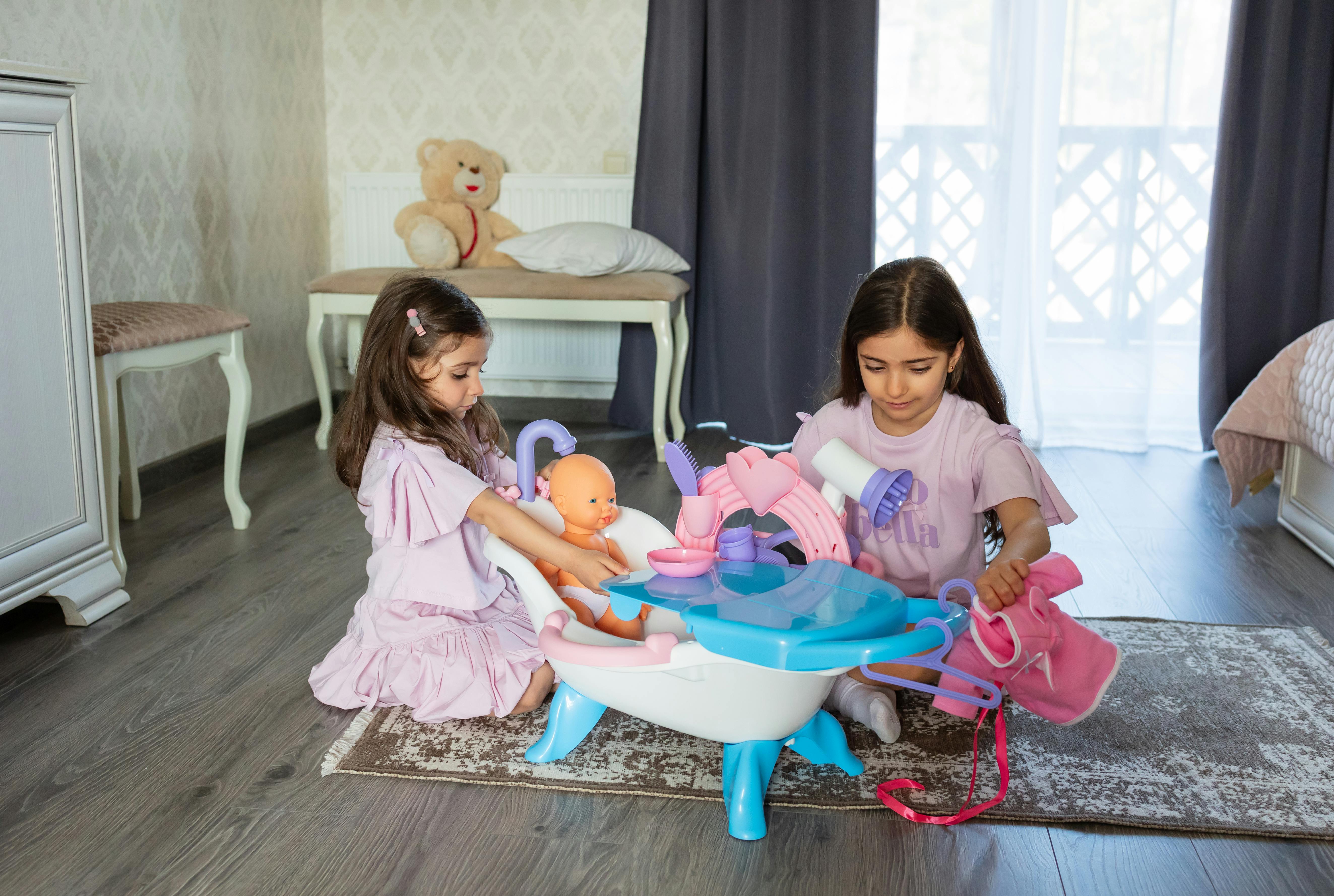
Doll clothes have remained relevant in the toy industry for decades because they add flexibility to play. Instead of a fixed toy experience, clothing allows children to customize their dolls and change their appearance.
From a commercial perspective, doll clothing products offer several advantages.
First, they encourage repeat purchases. Once a child owns a doll, additional outfits become a natural extension of the product. Retailers often see customers returning to buy new clothing sets even when they already own several dolls.
Second, clothing sets are usually more affordable than dolls. This makes them attractive for gift buyers and impulse purchases in toy stores.
Third, clothing sets allow brands to introduce themed collections. Seasonal outfits, character costumes, and fashion collections can all be released separately while still supporting the core doll product line.
Because of these factors, doll clothing often performs well as an accessory category that supports long-term sales.
Common Types of Doll Clothes in the Market
The doll clothing category includes a wide range of styles designed to match different doll types and play themes.
Everyday Fashion Outfits
Casual clothing sets are among the most widely sold doll clothing products. These outfits resemble everyday children's clothing and usually include dresses, shirts, skirts, or pants.
These simple outfits are versatile and allow children to create daily life scenarios during play.
Princess and Fantasy Costumes
Fantasy-themed clothing remains extremely popular in the doll market. Princess dresses, fairy costumes, and magical outfits are visually appealing and encourage imaginative storytelling.
These designs often include decorative fabrics, bright colors, and accessories such as crowns or wings.
Career and Role-Play Clothing
Some doll clothing sets are designed to represent real-world professions.
Examples include:
-
doctor outfits
-
chef uniforms
-
teacher clothing
-
astronaut suits
These role-play outfits are commonly used in educational toy lines because they encourage children to explore different occupations.
Seasonal Clothing
Seasonal doll clothing collections are another important category. Examples include:
-
winter coats and hats
-
summer swimsuits
-
rain jackets
-
holiday dresses
Seasonal clothing allows toy retailers to align products with seasonal promotions and gift occasions.
Materials Used in Doll Clothing
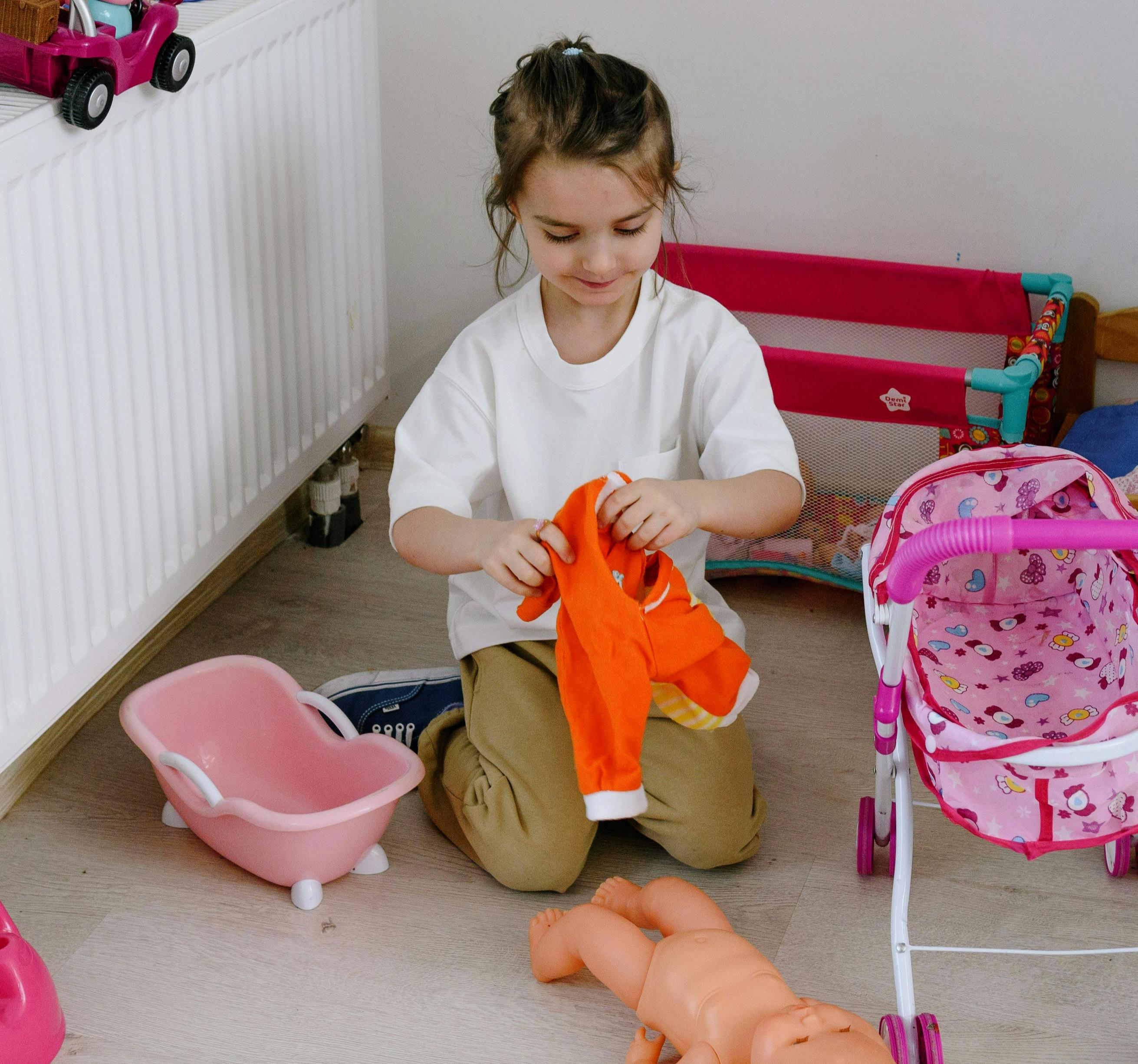
The material used in doll clothing affects durability, appearance, and production cost.
Cotton Fabrics
Cotton is frequently used in doll clothing due to its softness and flexibility. Cotton garments can be easily sewn into miniature outfits and are suitable for casual clothing designs.
Polyester
Polyester fabrics are widely used because they are durable and resistant to wrinkles. Polyester also allows for vibrant colors and printed patterns.
This material is often chosen for costume-style outfits.
Knitted Fabrics
Miniature knitted fabrics are used in doll sweaters, scarves, and winter outfits. These materials provide a realistic look similar to real clothing.
Synthetic Blends
Many doll clothing items use blended fabrics that combine durability and cost efficiency. These materials are common in large-scale toy production.
Selecting the right material is important for ensuring durability during repeated play.
Compatibility and Doll Size Considerations
One of the most important technical factors when sourcing doll clothes is compatibility with doll sizes.
The global toy market includes several common doll sizes, such as:
-
11.5-inch fashion dolls
-
12-inch dolls
-
14-inch dolls
-
18-inch dolls
Clothing sets are usually designed to fit a specific doll size range. Buyers should verify compatibility to avoid customer dissatisfaction.
Flexible clothing designs with adjustable closures such as Velcro are often preferred because they can fit multiple doll models.
Packaging and Product Presentation
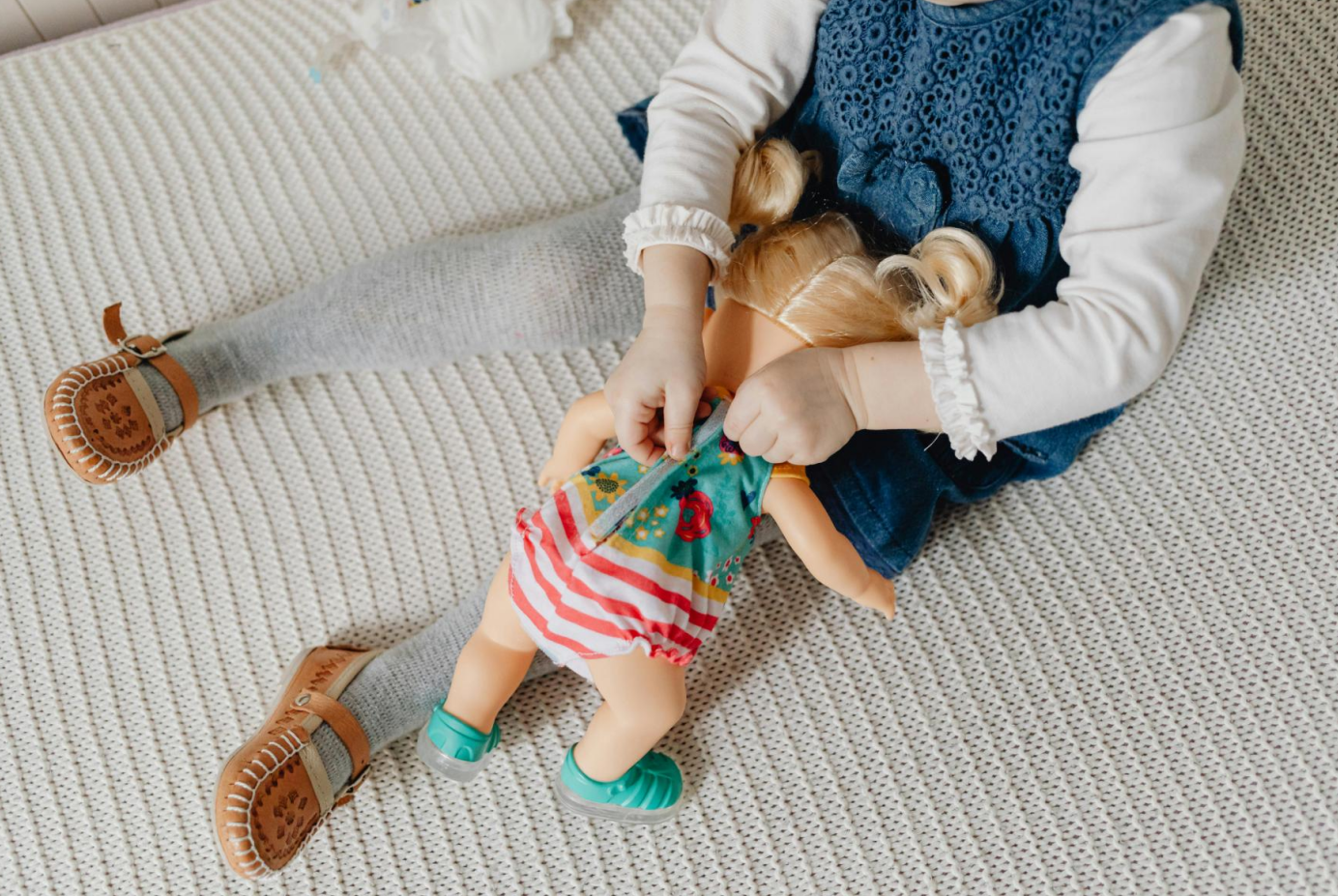
Packaging design plays a major role in the retail performance of doll clothing products.
Clear window boxes are widely used because they allow customers to see the clothing design before purchasing. Transparent packaging also highlights colors, patterns, and accessories.
Other packaging formats include:
Retail presentation can influence purchasing decisions, especially when multiple clothing styles are displayed together.
Compact packaging is also important for logistics efficiency. Smaller packaging sizes can help reduce shipping costs and improve carton loading capacity.
Safety and Quality Requirements
Several factors influence product safety:
-
secure stitching that prevents small parts from detaching
-
non-toxic dyes used in fabric coloring
-
durable closures that do not break easily
International toy markets often require compliance with safety standards such as EN71, ASTM F963, and CPSIA.
Retailers and distributors should confirm that doll clothing products meet these requirements before entering certain markets.
Market Opportunities for Doll Clothing
The global doll accessories market continues to expand as toy companies introduce new doll lines and collectible characters.
Doll clothing supports several important retail strategies.
First, it allows retailers to build product bundles that combine dolls with additional outfits.
Second, clothing sets can be used as standalone low-price items that attract impulse purchases.
Third, fashion collections can be updated frequently to follow seasonal trends and maintain consumer interest.
Because of these advantages, doll clothing is a long-term product category rather than a one-time purchase item.
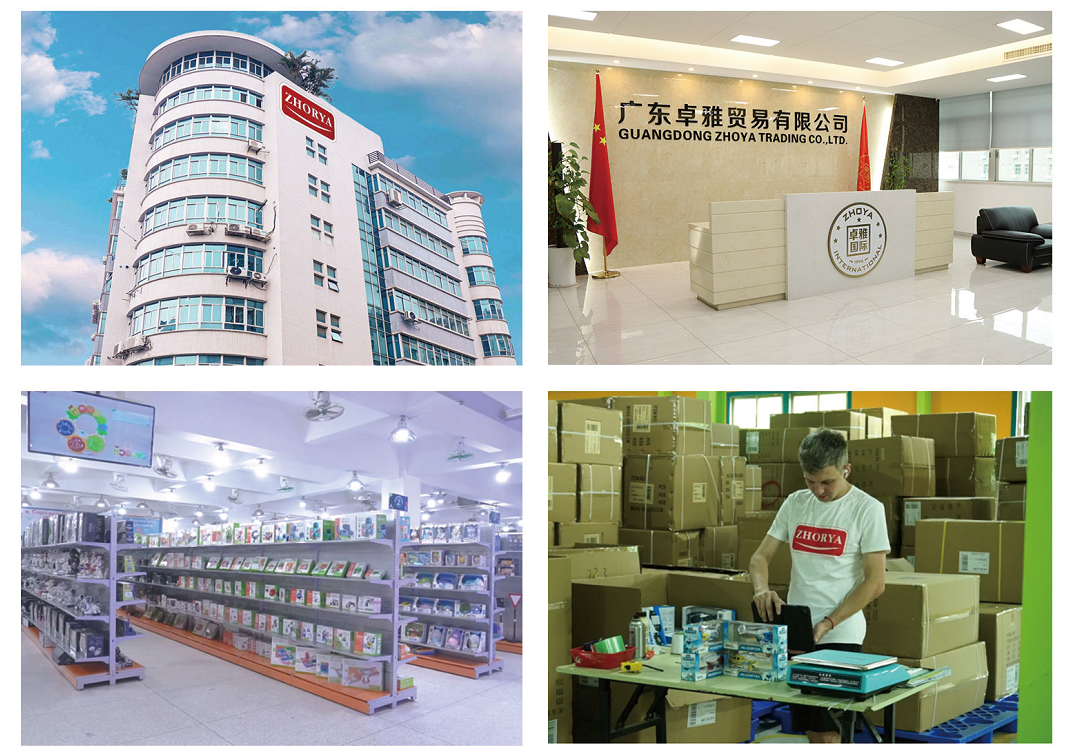
For businesses looking to source a wide range of doll clothing and accessories, Zhorya, based in China, offers an extensive selection designed for different doll categories and retail markets. The product range includes clothing sets for a wide variety of dolls, including fashion dolls, baby dolls, and other popular doll types, along with themed outfits, seasonal costumes, and coordinated accessory packs that help expand doll product lines.
Several advantages make Zhorya a practical sourcing option for buyers:
-
A wide variety of doll clothing styles designed for multiple doll sizes and doll types
-
Customization possibilities for branding, packaging, and product design
-
Stable supply that supports long-term purchasing plans
With experience in the global toy market, Zhorya provides product solutions suitable for distributors, importers, online sellers, and retail chains looking to expand their doll accessories category. Companies interested in building a stronger doll assortment can explore Zhorya's collections to find clothing styles that fit different doll types and seasonal retail needs.
Conclusion
Doll clothing enhances play, drives repeat purchases, and remains a stable category in the toy market. Choosing the right styles, materials, and sizes ensures broad appeal and ongoing demand.
For sourcing reliable doll clothing, companies can explore Zhorya's range, offering diverse styles for fashion dolls, baby dolls, and other popular types, with options for customization to fit different retail needs.

 Русский язык
 中文
中文