Login
Join Free
Categories
My Orders
Wish
Cart
0m³/0m³

English
English
 Русский язык
 中文
中文
How to Choose the Right Hula Hoop for Your Business
2026-01-14 08:55:14
The hula hoop is often seen as a simple, nostalgic toy, but in reality, it has evolved into a multi-segment product category with strong commercial potential. Today’s hula hoop market includes classic children's toys, fitness and weight-training hoops, LED performance hoops, and even therapy and coordination tools. For businesses, this variety creates opportunity—but only if the right product decisions are made.
Choosing the right hula hoop for your business is not just about picking what looks fun. It requires a clear understanding of your target customers, usage scenarios, safety standards, material quality, and long-term demand. Whether you supply toy stores, fitness retailers, online marketplaces, schools, or promotional channels, the wrong hula hoop can lead to slow turnover and customer complaints, while the right one can become a consistent, repeat-order product.
This guide explains how to evaluate hula hoops from a business perspective, helping you make informed sourcing and product selection decisions that align with real market needs.
Understand Who Your Customers Are and How They Use Hula Hoops
Before looking at specifications, the first question any buyer should ask is who will use the hula hoop and for what purpose. Hula hoops are not a one-size-fits-all product, and different customer groups have very different expectations.
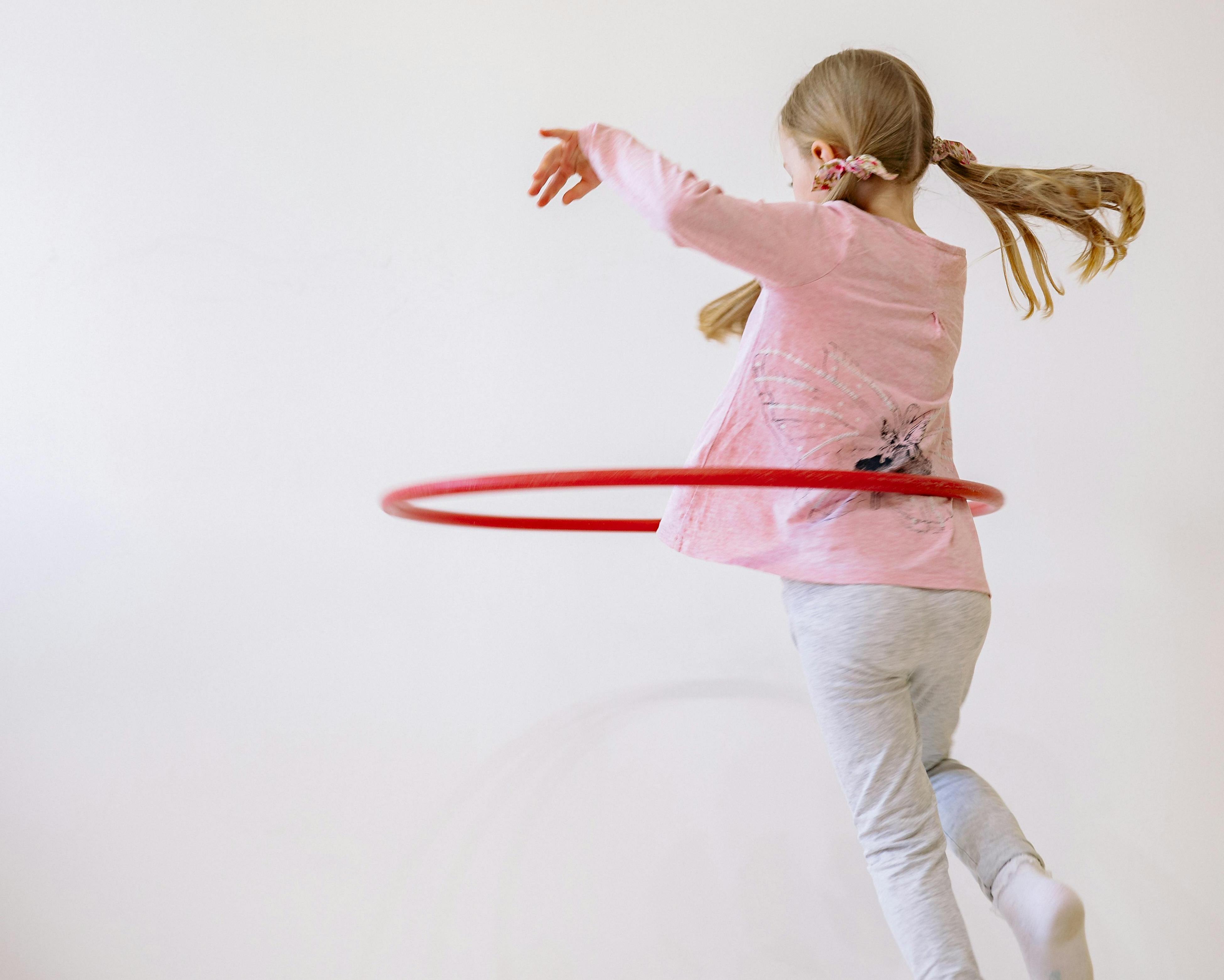
For children, hula hoops are primarily toys. They need to be lightweight, safe, easy to spin, and visually appealing. Bright colors, fun patterns, and interactive features such as lights often matter more than durability beyond normal play.
For teenagers and adults, hula hoops are frequently used for fitness or performance. These customers care about size accuracy, balance, weight distribution, and comfort. Fitness hoops, in particular, must feel solid without being painful to use.
In educational or recreational institutions such as schools, camps, or community centers, durability and safety take priority. These buyers often want simple, classic designs that can withstand repeated use by different age groups.
Understanding the end user helps you avoid mismatched products, such as selling heavy weighted hoops to children or flimsy toy hoops to fitness-focused customers.

Choose the Right Hoop Size for Market Demand
Size is one of the most important—and most misunderstood—factors in hula hoop selection. From a business standpoint, offering incorrect or unclear sizing is a common cause of returns and negative feedback.
Smaller hula hoops are easier for children to control and store. They are ideal for toy stores, kindergartens, and entry-level buyers. Larger hoops are better suited for adults, beginners in fitness hooping, and users who need more momentum when spinning.
For fitness use, hoop diameter directly affects difficulty. Larger hoops spin more slowly and are easier for beginners, while smaller hoops require more skill and core strength. Businesses that clearly communicate size suitability tend to build more trust with buyers.
From a merchandising perspective, offering multiple size options rather than a single universal size allows you to serve more customer segments without confusing them.
Evaluate Materials and Construction Quality
Material choice directly impacts cost, durability, safety, and user experience. From a business angle, this is where quality differences become obvious over time.
Plastic hula hoops remain the most common option. However, not all plastics perform the same. Thicker tubing improves durability and balance, while thinner materials reduce cost but may feel unstable.
Foam-covered hoops are popular in the fitness category because they provide comfort and reduce impact on the body. These are often preferred by adult users and beginners, especially for weighted hoop exercises.
For LED or performance hoops, internal wiring, battery compartments, and connectors must be securely designed. Poor construction leads to high defect rates, which can damage your brand reputation.
Businesses should look beyond appearance and ask about material testing, break resistance, and long-term usability—especially if products are sold in bulk or under private labels.
Consider Weight and Balance, Not Just Appearance
Weight is not automatically a sign of quality. In fact, incorrect weight is one of the most common reasons customers abandon a hula hoop product.
Lightweight hoops are easier for children and casual users but may feel unstable for fitness training. Heavier hoops can enhance workouts but may cause discomfort if not properly balanced.
Balance matters as much as weight. Evenly distributed weight allows the hoop to spin smoothly and reduces user frustration. Poor balance leads to inconsistent spinning and a negative user experience, regardless of how attractive the product looks.
For businesses, offering hoops designed specifically for fitness versus play helps avoid confusion and positions your product lineup more professionally.
Pay Attention to Safety and Compliance Standards
Safety is a critical factor, especially for products intended for children. Rounded edges, non-toxic materials, and secure connections are essential features.
In many markets, compliance with regional safety standards is not optional. Products that fail basic safety checks can be rejected by distributors or removed from marketplaces. From a long-term business perspective, prioritizing safety reduces liability risks and improves customer trust.
Even for adult fitness hoops, safety still matters. Foam coverings, smooth joints, and clear usage instructions all contribute to a better and safer user experience.
Match Design and Features to Sales Channels
Different sales channels favor different hula hoop features. Understanding this alignment improves sell-through rates.
Retail stores often value visual appeal and packaging. LED hoops, colorful designs, and display-friendly packaging can drive impulse purchases.
Online marketplaces rely heavily on clear specifications, accurate images, and honest descriptions. Products that photograph well and have easy-to-understand features perform better.
For bulk buyers, schools, or institutions, simplicity, durability, and price consistency matter more than decorative features.
Choosing the right design for the right channel allows you to maximize profitability without over-engineering products for the wrong audience.
Why Many Businesses Choose Zhorya for Hula Hoops
Zhorya offers a wide range of hula hoops suitable for different buyers and purposes. Our selection includes children's play hoops, fitness and weighted hoops, LED hoops for performance, and simple durable hoops for schools or group activities. With hundreds of designs, buyers can choose by size, weight, material, and features.
Why buyers choose Zhorya:
-
Direct Bulk Ordering: Place orders for multiple hula hoop types in one shipment.
-
Custom Branding & Packaging: Most hoops support OEM & ODM, including color, logo, packaging, size, and weight customization.
-
Verified Quality & Safety: All products meet international safety standards.
-
Time-Saving Sourcing: Compare and select different hula hoop models quickly.
-
Flexible MOQs: Order from small batches to large volumes.
Explore our full range here. Zhorya makes bulk hula hoop sourcing simple, practical, and ready for your business needs.