Login
Join Free
Categories
My Orders
Wish
Cart
0m³/0m³

English
English
 Русский язык
 中文
How to Choose RC Toys for Different Retail Markets
2026-11-05 09:01:59
Remote control (RC) toys cover a wide range of products, from basic RC cars and stunt vehicles to interactive robots, dinosaurs, boats, and flying toys. Their designs, functions, price points, and intended play environments can vary considerably. As a result, choosing the right RC toys for a retail business involves more than selecting products that look attractive or offer the most features.
For toy importers, wholesalers, and retailers, product selection should reflect the target customer, retail channel, expected price range, available display space, and local market requirements. A product that works well in an online toy store may not be the best choice for a small gift shop, while a technically advanced RC vehicle may not suit a general toy retailer's customer base.
This guide explains how to choose RC toys for different retail markets, compare product categories, build a balanced assortment, and evaluate important purchasing considerations before placing an order.
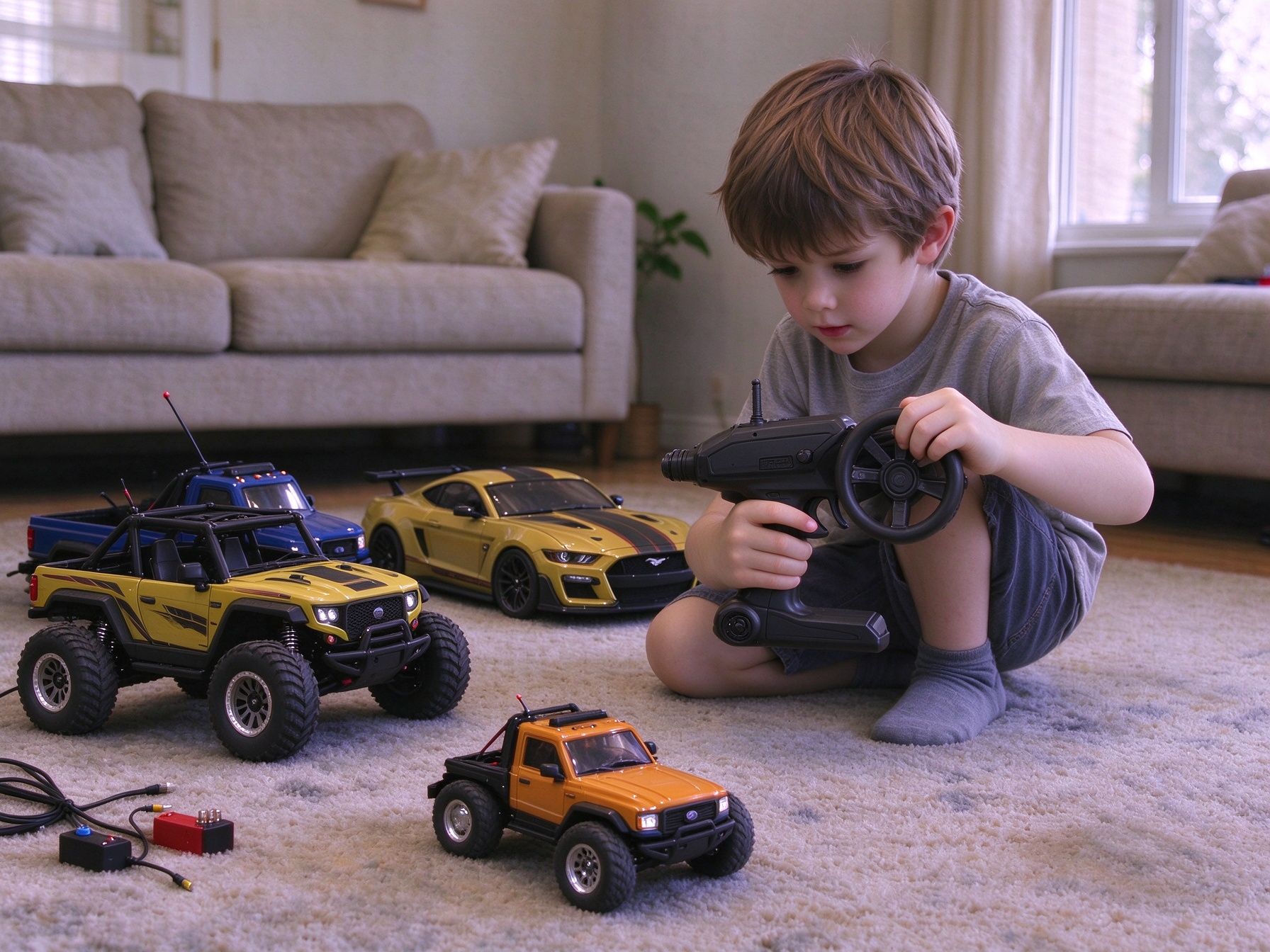
1. Start with Your Retail Market, Not Just the Product
The first step in choosing RC toys is understanding the type of customers your business serves. Different retail channels have different priorities, so the same product range may not work equally well across all of them.
Toy Stores and General Toy Retailers
General toy stores usually serve customers with different interests, ages, and budgets. Their RC toy selection should offer variety without making the category unnecessarily complicated.
A practical assortment may include:
-
Basic RC cars: Familiar products that are easy for customers to recognize and understand.
-
RC stunt cars: Vehicles with flipping, spinning, or multi-directional movement.
-
RC trucks: Off-road designs and larger vehicle styles that offer a different appearance from standard cars.
-
RC robots and dinosaurs: Character-based products with interactive movement, lights, or sound.
-
Mini RC toys: Compact products suitable for smaller gift sections or lower-priced selections.
For general toy stores, it is useful to combine familiar products with a few distinctive designs. This gives customers different options while keeping the overall assortment easy to browse.
Online Toy Retailers
Online retailers can display a wider product selection than many physical stores, but customers cannot handle the products before purchasing. Product presentation therefore plays an important role.
When selecting RC toys for online sales, consider whether the main functions can be demonstrated clearly through product images and videos.
For example:
-
RC stunt cars can demonstrate flipping, spinning, and other movement functions.
-
RC robots can show walking movements, sound effects, and interactive features.
-
RC dinosaurs can highlight mechanical movement and character design.
-
RC construction vehicles can demonstrate moving arms, buckets, or other working parts.
Product information should also be clear. Buyers should check whether the product listing can communicate its dimensions, battery requirements, operating method, included accessories, and age recommendation.
A product with many functions is not automatically easier to sell online. If customers cannot understand what it does or what comes in the package, the additional features may not translate into stronger product appeal.
Gift Shops and Seasonal Retailers
Gift shops often need products that are visually appealing, easy to understand, and suitable for gift-giving occasions.
RC toys with distinctive colors, character designs, or interactive functions may fit this retail environment. Examples include mini RC cars, RC dinosaurs, interactive robots, and compact stunt vehicles.
Packaging deserves particular attention. Buyers should consider:
-
Whether the packaging has a clear product window or attractive product images.
-
Whether the product can be displayed without opening the box.
-
Whether the package size fits the shop's shelves.
-
Whether the design is suitable for birthdays, holidays, and other gifting occasions.
A visually attractive product with gift-friendly packaging may be more suitable for this channel than a technically complex product with plain packaging.
Discount Stores and Value-Oriented Retailers
Discount stores and value-oriented retailers generally need products that fit specific retail price ranges while offering recognizable functions.
Basic RC cars, mini vehicles, and simple stunt toys may be suitable options. However, selecting products based only on the lowest purchase cost can create problems if battery requirements, durability, packaging, or operating instructions do not meet customer expectations.
Instead, compare products by their overall value: what functions they offer, how easy they are to use, what accessories are included, and whether the product is suitable for the intended retail price.
Specialty Toy and Hobby Retailers
Specialty retailers may serve customers with more specific interests in vehicles, construction models, or advanced remote control products.
Their selection may include off-road RC trucks, drift cars, construction vehicles, and higher-specification models.
These buyers should pay closer attention to motor types, drive systems, steering functions, battery configurations, replaceable components, and maintenance requirements.
It is also important to distinguish toy-grade RC products from hobby-grade models. Their construction, operating complexity, and intended users can be quite different.
2. Match RC Toy Categories with Customer Preferences
After identifying the retail channel, buyers should consider which RC toy categories best match their customers' interests.
RC Cars and Trucks
RC cars and trucks are familiar product categories with many different designs and functions. They include standard RC cars, racing cars, drift cars, off-road vehicles, monster trucks, and stunt cars.
When comparing these products, buyers should look beyond their appearance.
Standard RC cars
These generally focus on straightforward driving functions. They can be considered for general toy stores and retailers looking for familiar RC products.
RC stunt cars
Stunt vehicles may feature flipping, spinning, double-sided driving, or other movement functions. Their distinctive movements can make them suitable for online demonstrations and interactive retail displays.
Off-road RC vehicles
Off-road vehicles often have larger tires, raised bodies, or designs intended for uneven surfaces. Buyers should check the manufacturer's stated operating environment rather than assuming that every vehicle with large tires is suitable for rough outdoor terrain.
RC monster trucks
Monster truck designs often emphasize oversized wheels and a distinctive vehicle appearance. They can add visual variety to an RC car and truck assortment.
RC drift cars
Drift cars focus on sliding and controlled turning movements. Buyers should check the actual driving functions, tire configuration, and intended surface to understand how the product performs.
The important point is to avoid selecting several vehicles that look different but offer almost identical play experiences. A more varied assortment should provide customers with meaningful differences in design, functions, and use.
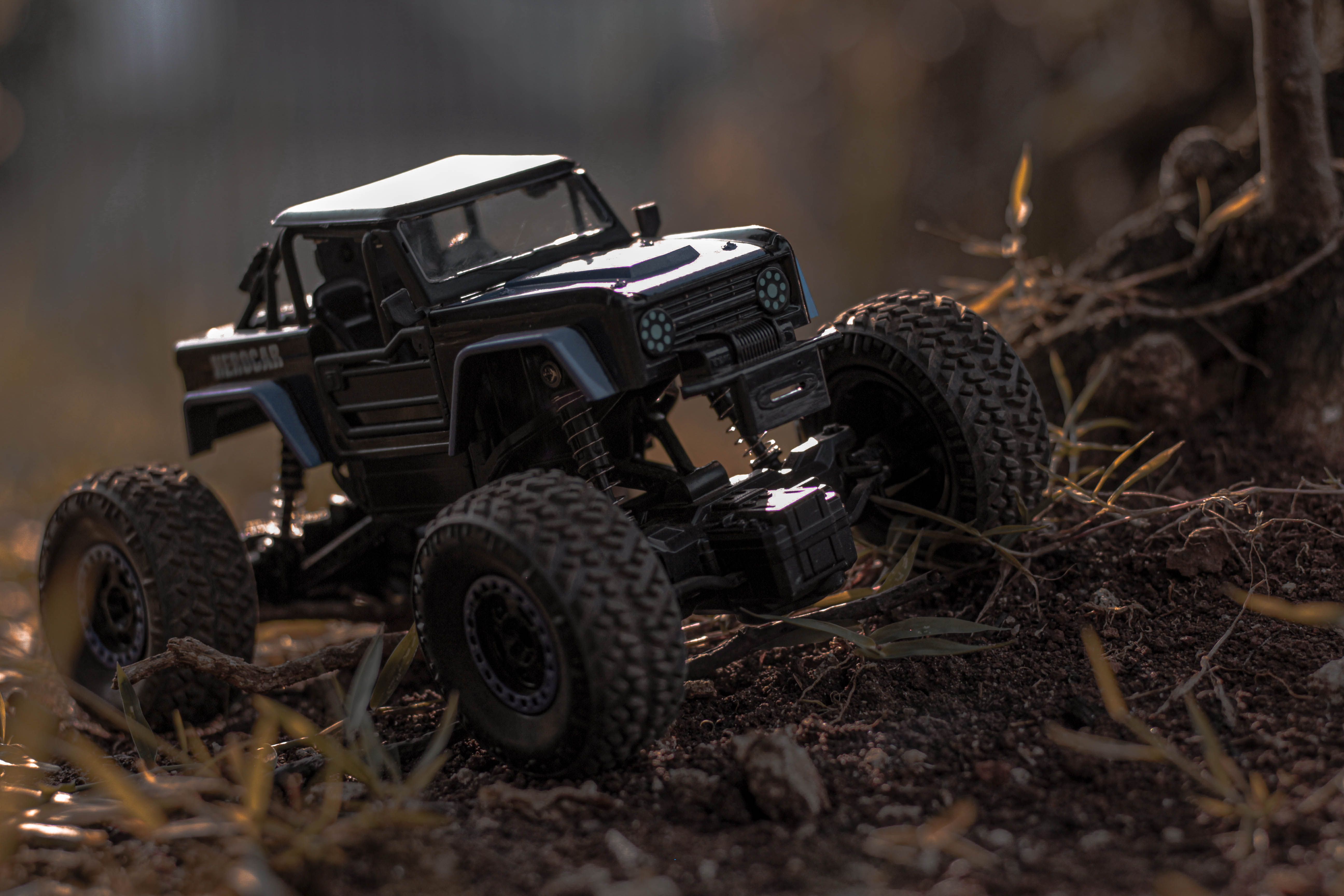
RC Robots and Dinosaurs
RC robots and dinosaurs combine remote control operation with character-based play.
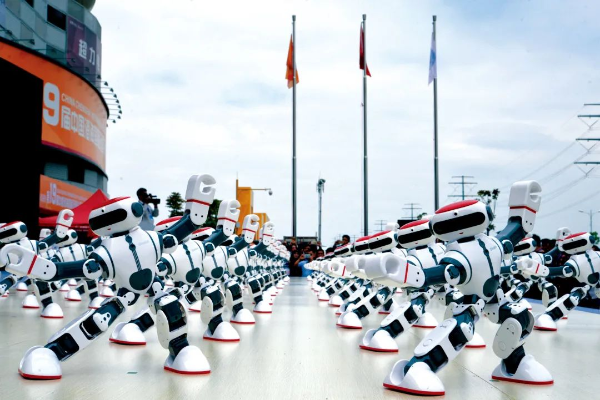
Depending on the model, they may include walking movements, lights, sounds, dancing functions, or other interactive features.
These products can help retailers expand beyond conventional RC vehicles. They may also be suitable for gift-oriented shops and online stores that want products with more distinctive visual presentation.
Before selecting them, buyers should check:
-
Which functions are controlled remotely.
-
Whether movements are automatic or manually controlled.
-
Whether sound and lighting functions can be switched on or off.
-
What batteries are required.
-
Whether the product is easy to operate and demonstrate.
The number of advertised functions should not be the only selection criterion. Buyers should confirm that the functions work as described on the actual product sample.
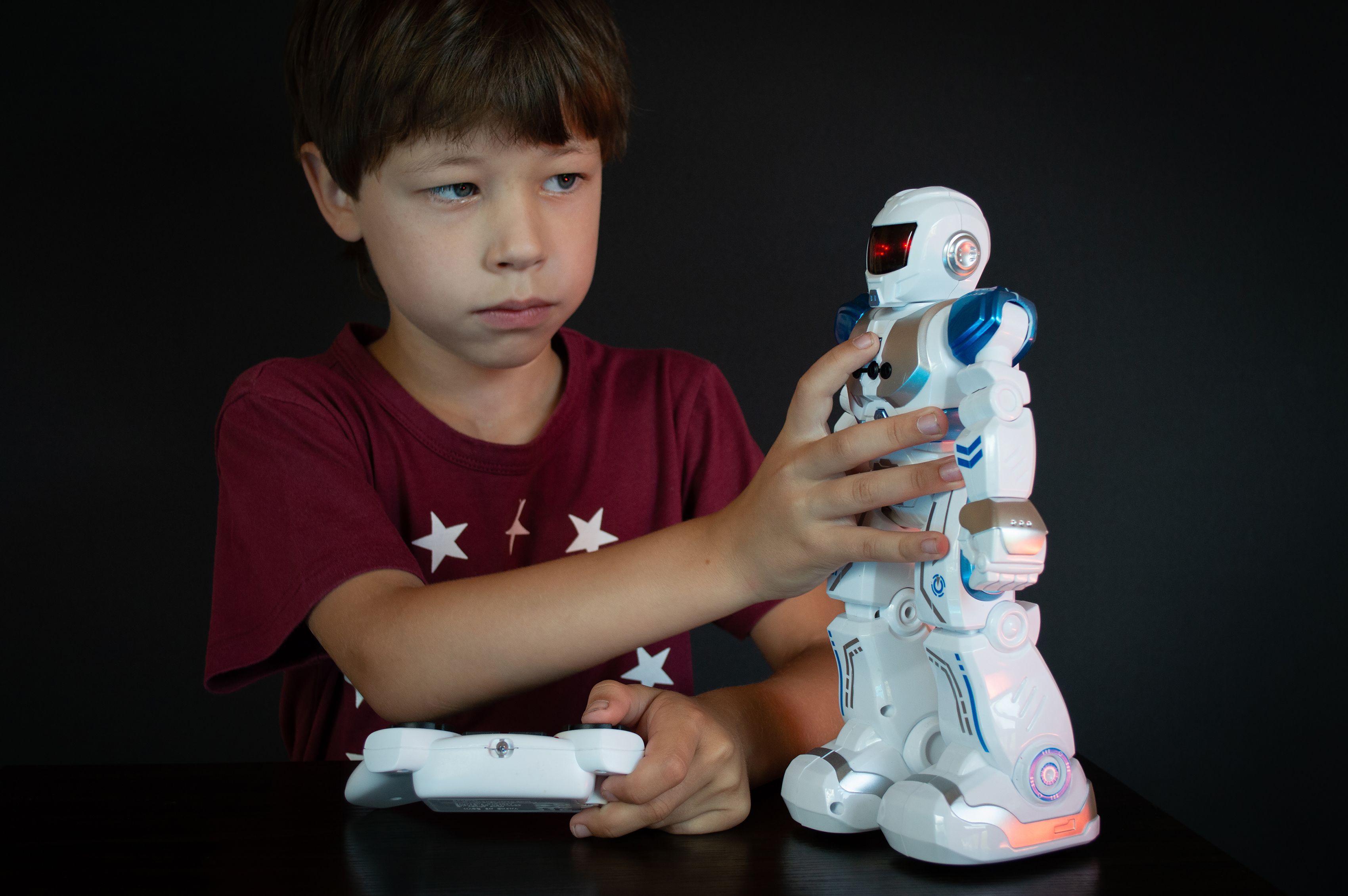
RC Animals
RC animals, such as remote control dogs, cats, and other animal-shaped toys, can add variety to a retail selection. With lifelike movements, sounds, and interactive features, they can appeal to children who enjoy animal-themed toys and imaginative play.
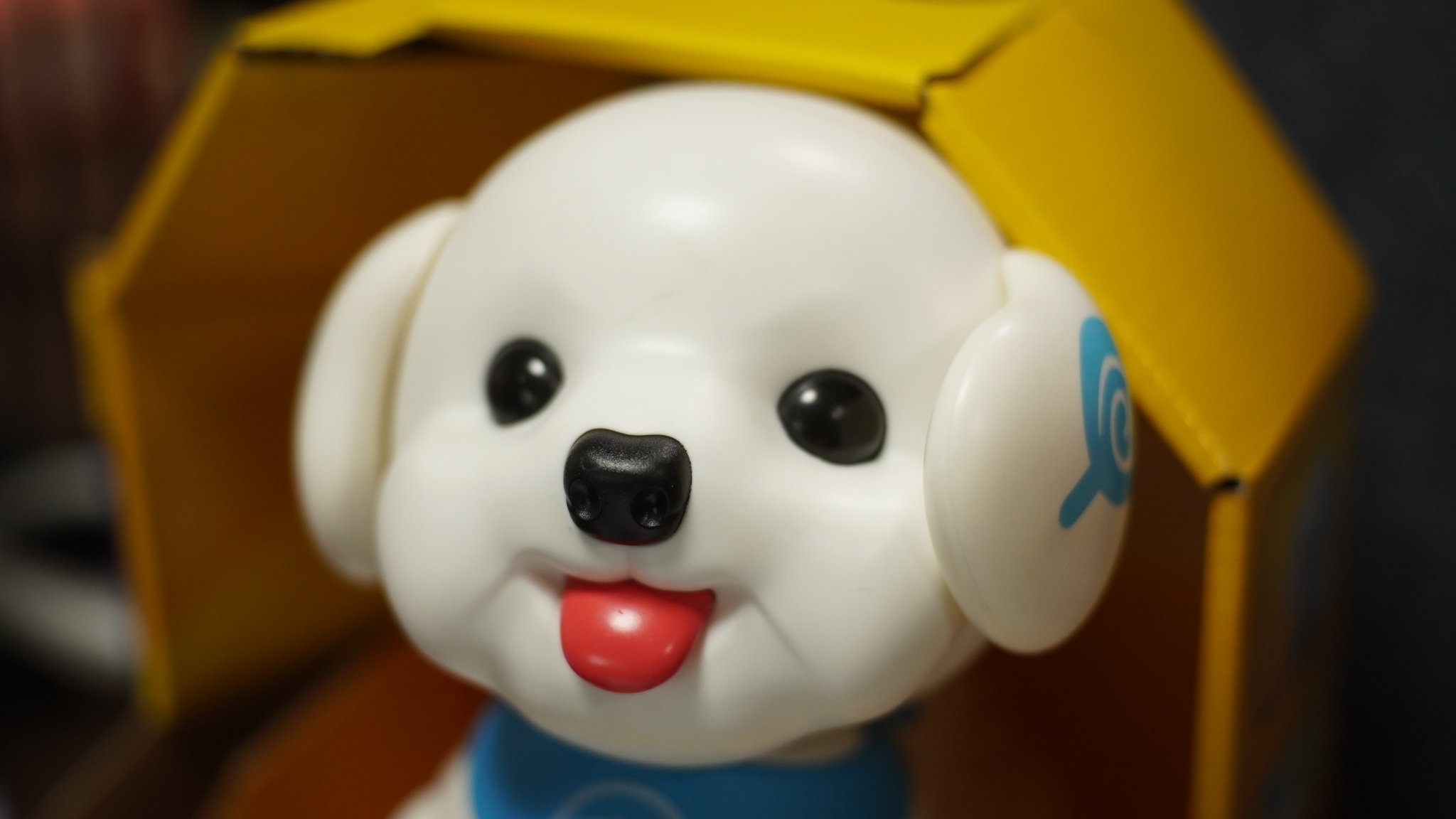
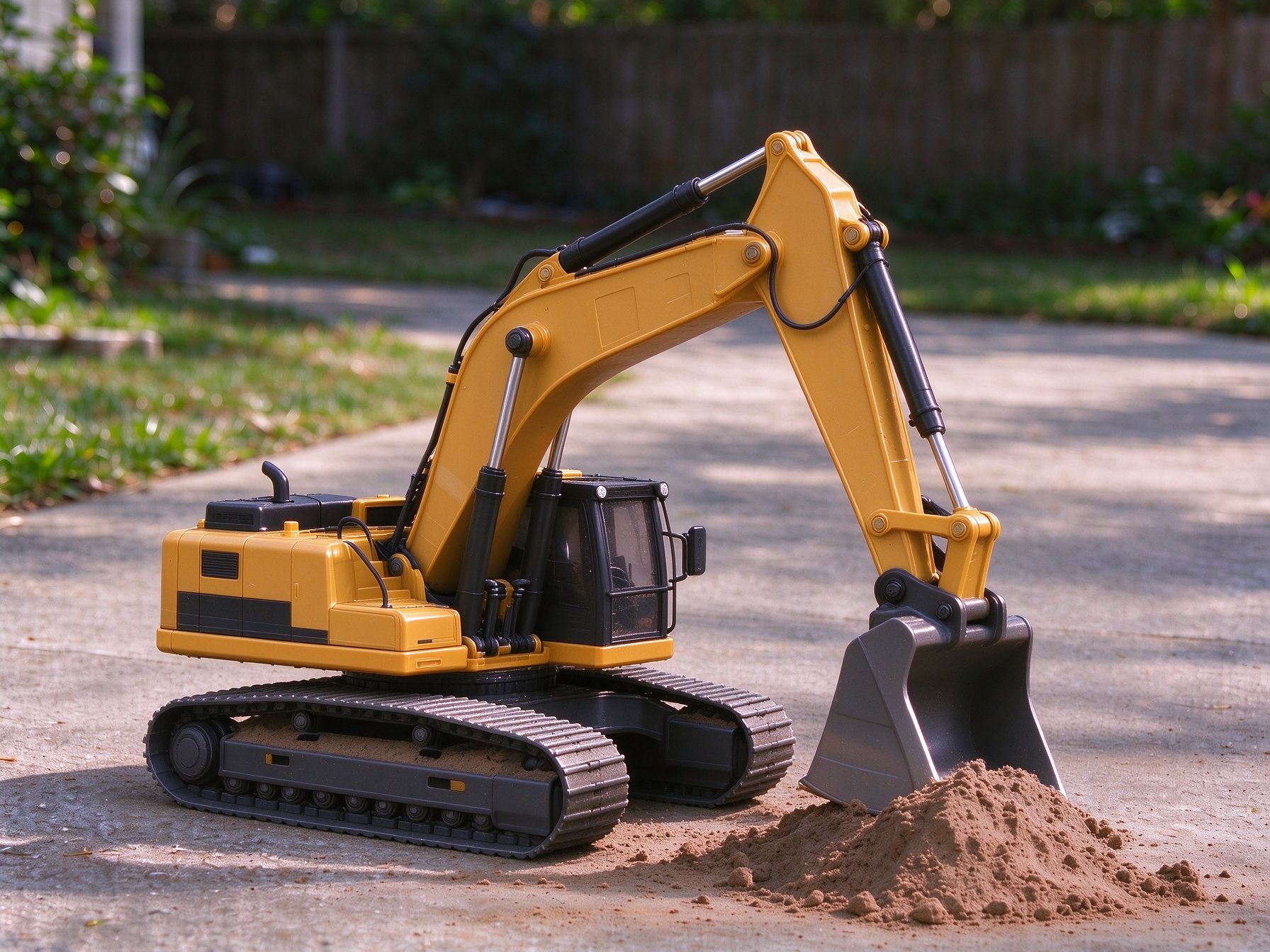
RC Construction Vehicles
RC construction toys include excavators, dump trucks, cranes, bulldozers, and other work vehicles.
Their appeal often comes from vehicle design and simulated working functions. Some models may feature moving arms, lifting buckets, rotating components, or other mechanical actions.
These products can be considered by retailers whose customers are interested in vehicles, machinery, and construction-themed play.
When comparing models, check which parts actually move, how they are controlled, and whether the functions are suitable for the intended age group.
RC Boats and Flying Toys
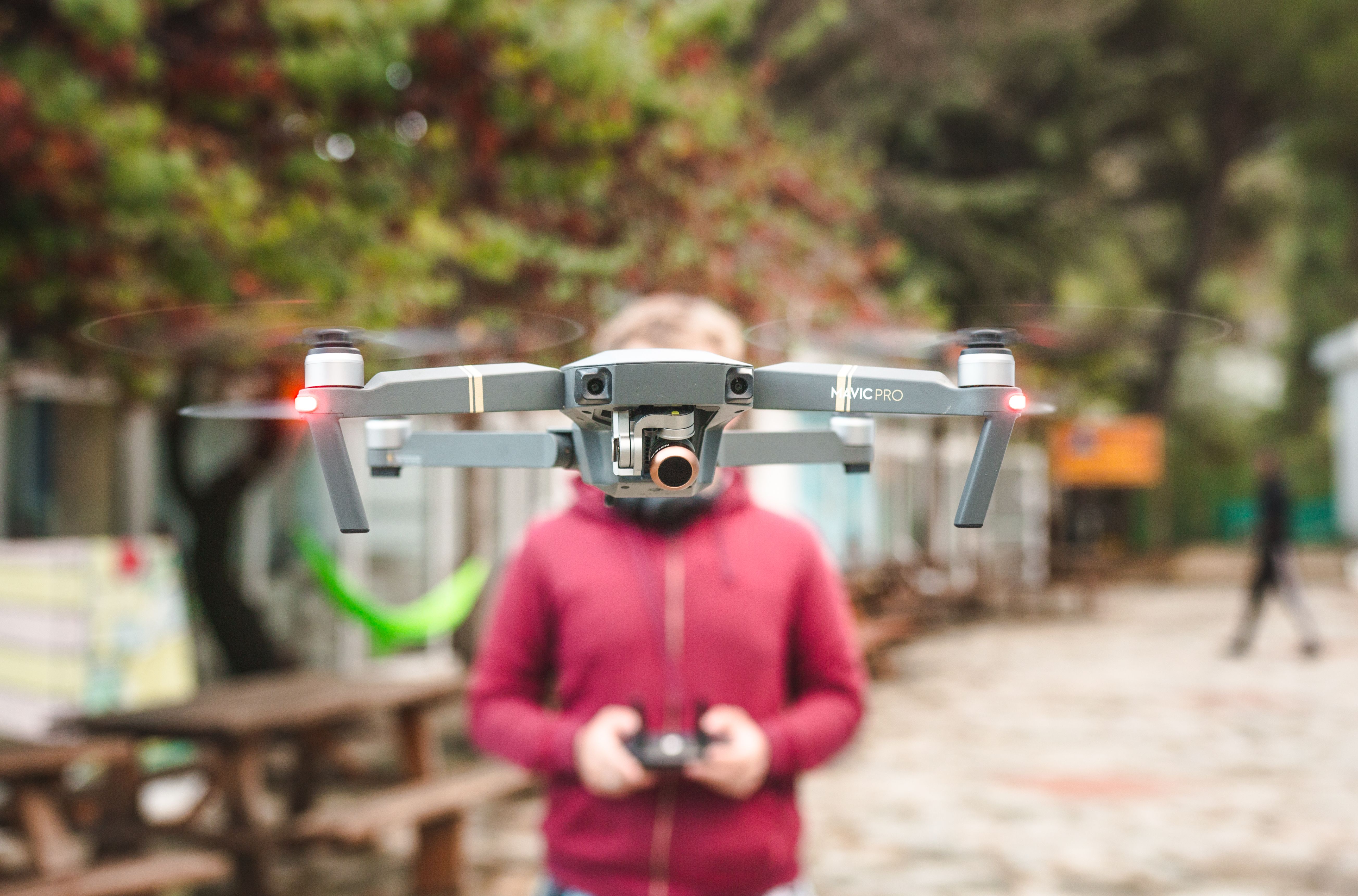
RC boats, planes, helicopters, and drones introduce different operating environments and control requirements.
They should not be treated as interchangeable with ordinary RC cars.
For example, RC boats require attention to water-use conditions and product sealing, while flying toys may require more careful consideration of control difficulty, operating space, and safety instructions.
Before including these categories, buyers should evaluate:
-
The environment in which the product is designed to operate.
-
The recommended user age and control difficulty.
-
Battery type, charging method, and operating time.
-
Required accessories and included components.
-
Product-specific safety instructions and applicable regulations.
These categories can broaden an RC assortment, but they also require more detailed product evaluation.
3. Build a Balanced RC Toy Assortment Instead of Buying Random SKUs
One common purchasing mistake is selecting too many products simply because they look different in a catalogue.
A large number of SKUs does not necessarily create a well-balanced assortment. Several products may have similar functions, target the same customers, and compete within the same retail price range.
A better approach is to assign each product a clear role.
Create an Entry, Core, and Feature Product Structure
A practical RC toy assortment can be organized into three groups.
Entry products
These products provide an accessible starting point for customers. They may include basic RC cars, mini RC vehicles, or simple remote control toys.
Their role is to offer familiar functions and straightforward operation.
Core products
These form the main part of the assortment. Examples may include standard RC cars, stunt cars, RC trucks, and interactive vehicles.
They should provide a good balance between product appeal, functions, and the target retail price.
Feature products
These are more distinctive items that help create visual interest and give customers something different to explore. Examples may include RC dinosaurs, interactive robots, construction vehicles, or more advanced RC cars.
Not every store needs the same balance. A general toy retailer may need more core products, while a specialty vehicle store may allocate more space to feature models.
Avoid Overlapping Product Functions
Consider a retailer selecting five different RC cars. If all five have similar body designs, basic forward and backward movement, and comparable packaging, customers may not see a meaningful reason to choose between them.
Instead, the retailer could select:
-
One standard RC car.
-
One stunt car with flipping functions.
-
One off-road truck.
-
One drift car.
-
One RC vehicle with distinctive lights or sound effects.
This creates a more understandable product selection because each item offers a different feature or play experience.
The same principle applies to RC robots, dinosaurs, and construction vehicles. Compare their actual functions rather than relying only on product names or appearance.
Test New Product Categories Before Expanding
Retailers do not need to commit to a large number of models in every category immediately.
A more cautious approach is to start with a manageable selection, compare customer interest, and expand categories that fit the business.
For example, a general toy store could introduce a few RC cars, a stunt vehicle, and an interactive RC dinosaur. After reviewing customer response, the retailer can decide whether to expand the vehicle range or add more character-based products.
This approach can reduce the risk of holding too much inventory in products that do not match the store's customers.
4. Choose RC Toys According to Retail Price Positioning
Different RC toys offer different combinations of functions, materials, size, and packaging. These factors influence their purchasing cost and potential retail positioning.
Buyers can organize their selection into three broad price-positioning groups.
| Product Positioning | Typical Product Types | Main Selection Considerations |
| Entry-level | Basic RC cars, mini vehicles, simple RC toys | Straightforward operation, essential functions, compact packaging |
| Mid-range | Stunt cars, off-road trucks, interactive RC toys | Distinctive functions, product design, overall value |
| Feature-rich | Advanced RC vehicles, interactive robots, construction models | More complex functions, control systems, components, and instructions |
These are assortment-planning categories, not fixed market price bands. Actual retail positioning depends on the product specification, order quantity, packaging, market, and competing products.
When comparing products, buyers should consider the complete product configuration rather than judging value by the number of functions alone.
For example, a product with several movement functions may require more complex components and instructions. A simpler product may be more suitable for a retailer targeting customers who prefer straightforward operation.
5. Check the Product Details That Affect the Customer Experience
Two RC toys may look similar but offer very different operating experiences. Before adding a product to an assortment, buyers should review its specifications carefully.
| Product Detail | What Buyers Should Check | Why It Matters |
| Control system | Remote control type, operating method, and control range | Affects ease of use and operating experience |
| Movement functions | Forward, backward, turning, drifting, walking, or other actions | Helps distinguish products with similar appearances |
| Drive system | Two-wheel drive, four-wheel drive, or other configurations where applicable | Relevant to vehicle performance and intended use |
| Motor | Motor type and configuration | Helps buyers understand product positioning |
| Power supply | Battery type, quantity, and whether batteries are included | Affects package contents and customer expectations |
| Charging method | USB charging, replaceable batteries, or other arrangements | Important for product operation and after-sales questions |
| Materials | Main body materials and construction | Helps assess product suitability and durability |
| Packaging | Box dimensions, design, and package contents | Affects shelf presentation and storage |
| Age grading | Recommended age and product warnings | Supports appropriate product selection |
| Instructions | Operating instructions and language availability | Helps customers use the product correctly |
Pay Particular Attention to Battery Information
Battery details are especially important for RC toys because products may use different power configurations.
Some models use replaceable batteries, while others include rechargeable battery packs. Remote controllers may also require separate batteries.
Buyers should confirm:
-
Whether the toy includes a rechargeable battery.
-
Whether controller batteries are included.
-
What charging cable or charger is supplied.
-
Whether the battery can be replaced.
-
What charging instructions and warnings are provided.
These details should be reflected accurately in product descriptions. If a retailer advertises a rechargeable RC car but the package does not include the expected battery or charging accessories, customers may become dissatisfied.
6. Consider Online Presentation and Physical Shelf Space
A product's retail suitability also depends on how it is presented.
For Online Product Listings
Online buyers rely heavily on images, videos, specifications, and product descriptions.
For RC toys, useful presentation materials include:
-
Clear front, side, and back product images.
-
Close-up images of the remote controller.
-
Photos showing the battery and included accessories.
-
Videos demonstrating the main movement functions.
-
Accurate product dimensions and package information.
Product videos are particularly useful when a product's main selling point is movement. A photo of an RC stunt car cannot fully demonstrate how it flips or spins.
Retailers should also make sure that product images and descriptions reflect the actual model and package configuration.
For Physical Retail Displays
Physical stores have limited shelf and display space. Buyers should therefore consider the relationship between package size, product visibility, and display function.
A large RC truck may attract attention, but it also occupies more shelf space. Smaller RC cars may allow a retailer to display more designs within the same area.
Consider the following:
-
Package dimensions and carton quantity.
-
Whether the product can be displayed vertically or horizontally.
-
Whether customers can see the product clearly through the packaging.
-
Whether the main functions are easy to understand.
-
Whether the assortment contains products of different sizes.
The objective is not to display the largest number of SKUs possible. It is to make the RC section easy for customers to browse and compare.
7. Evaluate Safety, Compliance, and Import Requirements
Product demand is only one part of the purchasing decision. Importers and retailers must also consider the safety and compliance requirements of their destination markets.
RC toys may contain electrical components, batteries, chargers, small parts, and moving mechanisms. Different product configurations can involve different testing and documentation requirements.
Before placing an order, buyers should confirm:
-
Which safety standards and regulations apply in the destination market.
-
Whether the selected product has the required test reports or compliance documentation.
-
Whether battery and charger information is available.
-
Whether product labels, age grading, and warnings meet local requirements.
-
Whether the packaging and instruction manuals are suitable for the destination market.
-
Whether battery transportation requirements apply to the shipment.
Requirements vary by country, product type, age grading, and configuration. Buyers should verify the applicable requirements for each selected product rather than assuming that one certificate covers an entire RC toy range.
For products with rechargeable batteries, importers should also check the relevant battery documentation and transportation requirements before shipment.
8. Consider Packaging, Carton Size, and Replenishment
Product selection should not stop at the individual item. Packaging and shipping information can affect how efficiently a retailer manages inventory.
Before confirming an assortment, buyers should compare:
Individual packaging dimensions
Large retail boxes may improve product presentation but require more storage and shelf space.
Carton quantity
The number of units packed in each export carton affects how many pieces a retailer needs to order and store.
Carton dimensions and gross weight
These details help buyers estimate warehouse requirements and shipping arrangements.
SKU combinations
When purchasing multiple RC toy models, buyers should understand whether the selected products can be ordered together and how the supplier handles different product references and carton quantities.
Replenishment
For products that sell regularly, buyers should consider whether the same model can be reordered and whether product specifications and packaging will remain consistent.
A product may appear attractive at the individual-unit level but become less suitable when its carton size, storage requirements, or replenishment arrangements are considered.
9. Use a Practical Checklist Before Selecting RC Toys
Before finalizing an RC toy assortment, buyers can use the following checklist to review each product.
| Selection Area | Questions to Ask |
| Target customer | Does the product suit the store's main customer group? |
| Retail channel | Is it suitable for online sales, physical displays, or gift retail? |
| Product category | Does it add a different product type or play experience? |
| Function | Are the main functions clear and easy to demonstrate? |
| Price positioning | Does it fit the intended retail price range? |
| Age suitability | Is the manufacturer's age recommendation appropriate? |
| Battery | Are the battery type, quantity, and charging method clear? |
| Packaging | Does the package suit the store's display and storage space? |
| Compliance | Are the required documents and test reports available? |
| Shipping | Are carton quantity, dimensions, and weight suitable? |
| Replenishment | Can the product be reordered if customer demand continues? |
This checklist helps buyers compare different RC toys using consistent criteria instead of making decisions based only on appearance or catalogue descriptions.
Explore A Wide Range of Remote Control Toys at ZHORYA
Choosing RC toys for different retail markets requires a balance of product variety, customer preferences, retail positioning, product specifications, and purchasing considerations.
From standard RC cars and stunt vehicles to off-road trucks, interactive robots, dinosaurs, and construction toys, each category offers different possibilities for a retail assortment. The most suitable selection depends on the customers you serve and the role each product plays in your store.
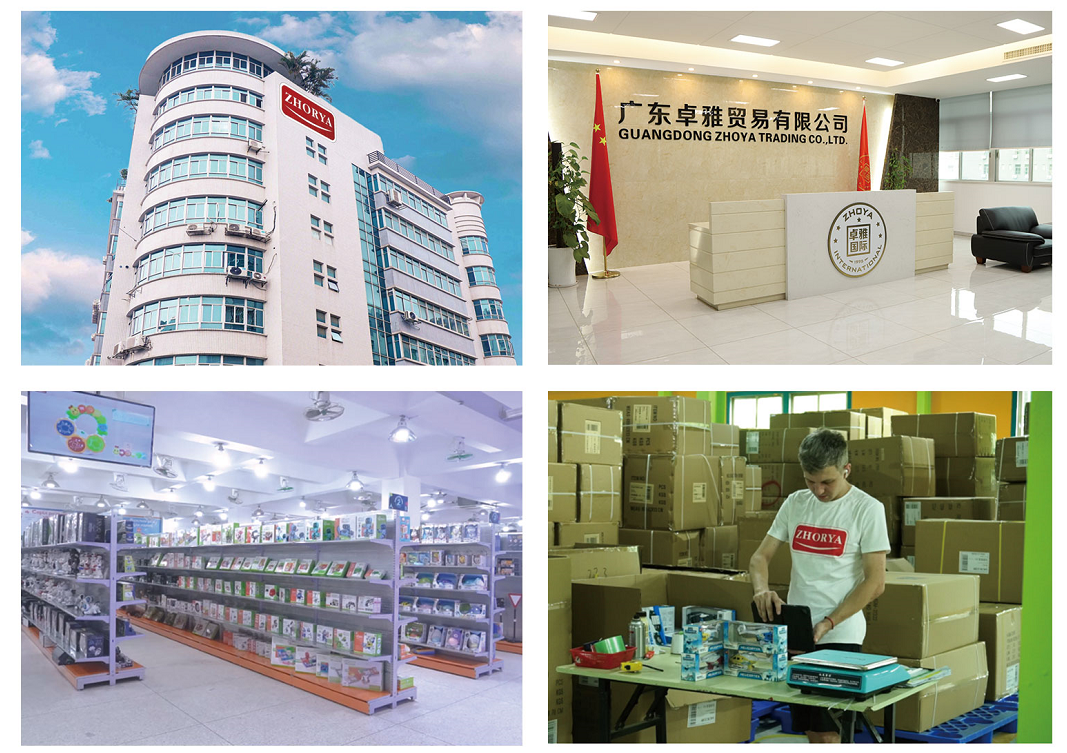
At ZHORYA, we offer a broad selection of remote control toys for overseas wholesalers, importers, and retailers. Buyers can explore different RC categories and product designs when planning or expanding their toy assortments.
Browse our wholesale remote control toys to explore available products, or use the inquiry button below to send us your requirements.
Conclusion
Choosing the right RC toys starts with understanding your customers and retail market. A balanced assortment should combine suitable product types, functions, and price points without unnecessary overlap. At ZHORYA, we offer a wide selection of RC toys for overseas wholesalers, importers, and retailers to explore when planning their product assortments.
Get Your Free Quote
We will reply within 24 hours.