Login
Join Free
Categories
My Orders
Wish
Cart
0m³/0m³

English
English
 Русский язык
 中文
中文
Blind Box vs Window Box: Best Fashion Doll Packaging
2026-03-17 09:05:04
Fashion dolls remain one of the most dynamic and profitable segments in the toy industry. Beyond the dolls themselves, packaging plays a pivotal role in influencing buyer behavior, shelf appeal, and overall sales performance. Two packaging styles dominate the market today: blind boxes and window boxes. While both have their merits, understanding their differences and how they align with your retail strategy is essential for distributors, importers, and store owners.
In this blog, we explore the pros and cons of blind box and window box packaging for fashion dolls, assess their impact on consumer engagement, and provide actionable insights to help retailers make informed decisions.
What Are Blind Boxes?
Blind boxes, also known as surprise boxes, are a packaging style where the consumer does not know the exact content until the box is opened. Typically, a series of dolls is released under the same collection, and each box contains one doll selected at random. The appeal of blind boxes lies in collectibility and the element of surprise.
Advantages of Blind Boxes for Retail Channels
-
Encourages Repeat Purchases: Customers often buy multiple boxes to complete a set, increasing sales volume per shopper.
-
Adds Excitement to Shopping: The mystery factor can create buzz around your retail location or online store.
-
Compact Shelf Space: Blind boxes are generally smaller and uniform in size, allowing retailers to display more units in limited space.
-
Strong Social Media Potential: Consumers enjoy sharing "unboxing" experiences online, which can drive organic promotion and brand awareness.
Challenges of Blind Boxes
-
Customer Frustration: Some buyers may feel disappointed if they do not get the desired doll on the first try.
-
Inventory Complexity: Managing collections and ensuring balanced distribution of rare items requires careful stock planning.
-
Higher Marketing Effort Needed: Blind box sales rely heavily on excitement and promotion; passive display may not generate strong results.
What Are Window Boxes?
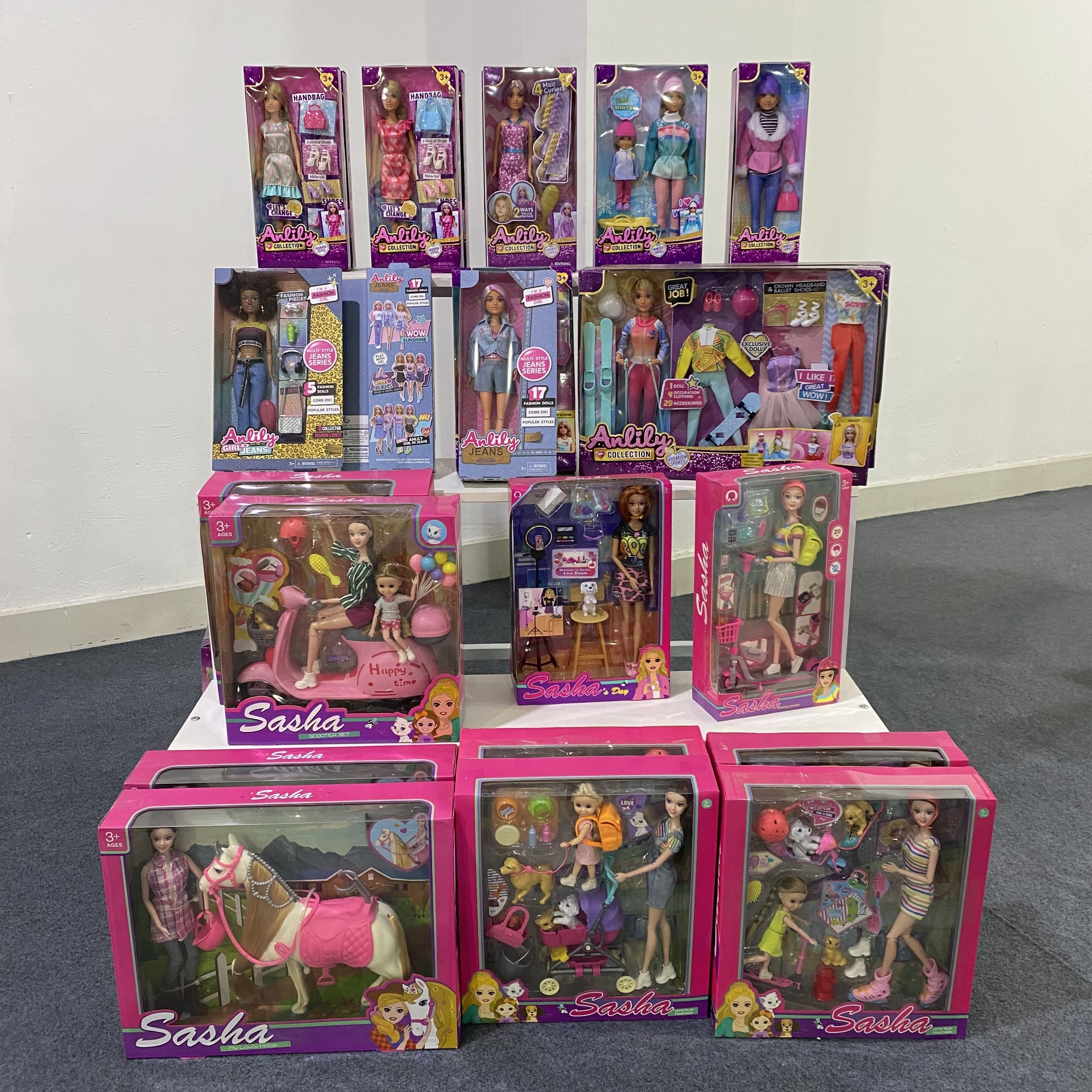
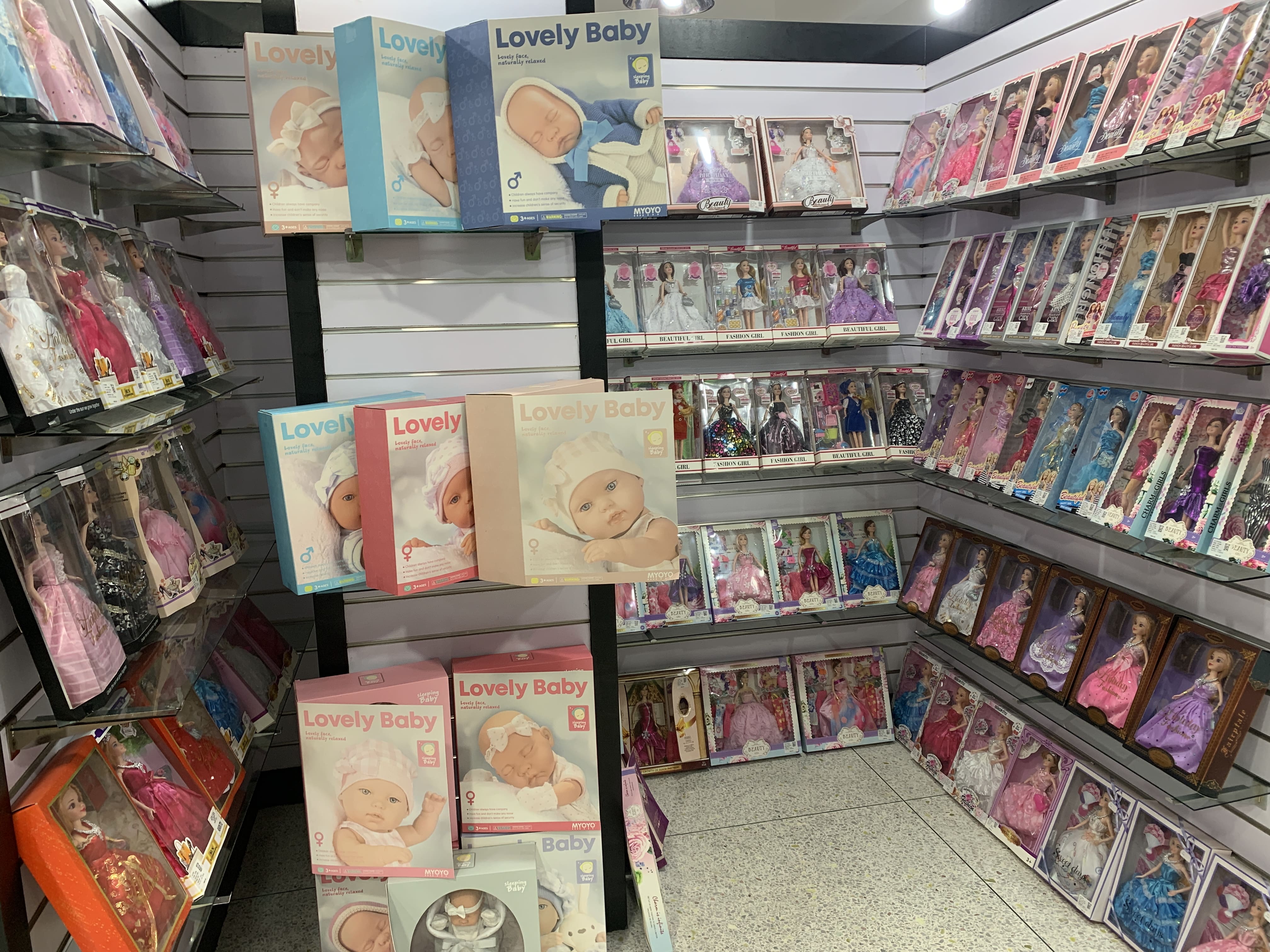
Window boxes feature a transparent section that reveals the product inside. For fashion dolls, this usually means the doll, outfit, and accessories are visible to the consumer. Window boxes have been a standard in toy retail for decades and are still widely used today.
Advantages of Window Boxes for Retail Channels
-
Instant Visual Appeal: Shoppers can see the doll, style, and quality before purchasing, which reduces hesitation.
-
Less Risk of Disappointment: Buyers know exactly what they are getting, which enhances customer satisfaction and trust.
-
Effective for Premium Lines: High-end or detailed dolls benefit from window packaging that showcases intricate outfits, hair styling, and accessories.
-
Supports Impulse Buying: Eye-catching designs and visible product details can encourage impulse purchases, especially in physical retail settings.
Challenges of Window Boxes
-
Larger Shelf Space: Window boxes tend to be bulkier, which limits how many units can be displayed in a given space.
-
Lower Repeat Purchase Motivation: Since the consumer knows what they are buying, there is less incentive to purchase multiple units.
-
Potential for Damage: Transparent windows are usually made of plastic, which can scratch or crack during handling or shipping.
Blind Boxes vs. Window Boxes: Which Fits Your Retail Strategy?
Choosing between blind boxes and window boxes depends largely on your target audience, retail environment, and business goals.
Target Audience Considerations
-
Blind Boxes: Typically appeal to collectors, younger audiences who enjoy surprise toys, and shoppers who engage heavily with social media trends.
-
Window Boxes: Better suited for shoppers who prioritize transparency, quality, and immediate product satisfaction, often parents buying for children.
Retail Environment
-
E-commerce Stores: Blind boxes can generate excitement and social media traction, especially when paired with subscription models or mystery releases.
-
Brick-and-Mortar Stores: Window boxes allow customers to see what they are buying, reducing the chance of returns and enhancing in-store satisfaction.
Sales Strategy Alignment
-
Promotional Campaigns: Blind boxes can support limited-time collections, special editions, or seasonal surprises.
-
Upselling Opportunities: Window boxes are ideal for showcasing premium dolls or limited designs that command higher margins.
Combining the Two Approaches
Some retailers find success in using a hybrid approach. For example:
-
Offer a mix of blind box and window box dolls in the same collection.
-
Highlight rare or premium dolls in window boxes while standard dolls are sold in blind boxes.
-
Use blind boxes for online exclusives and window boxes for physical retail shelves.
This strategy allows retailers to leverage both the excitement of mystery and the assurance of visible quality, appealing to a broader consumer base.
Considerations for Retailers Before Choosing Packaging
-
Shelf Space & Display Strategy: Measure your available space and plan the layout to maximize visibility and sales.
-
Consumer Demographics: Understand your target customer's shopping behavior and preferences.
-
Marketing and Branding Alignment: Ensure that packaging style aligns with brand identity and store positioning.
-
Supply Chain & Stock Management: Blind boxes require more sophisticated inventory control, while window boxes demand careful handling to prevent damage.
Why Zhorya's Fashion Dolls Fit Every Packaging Strategy
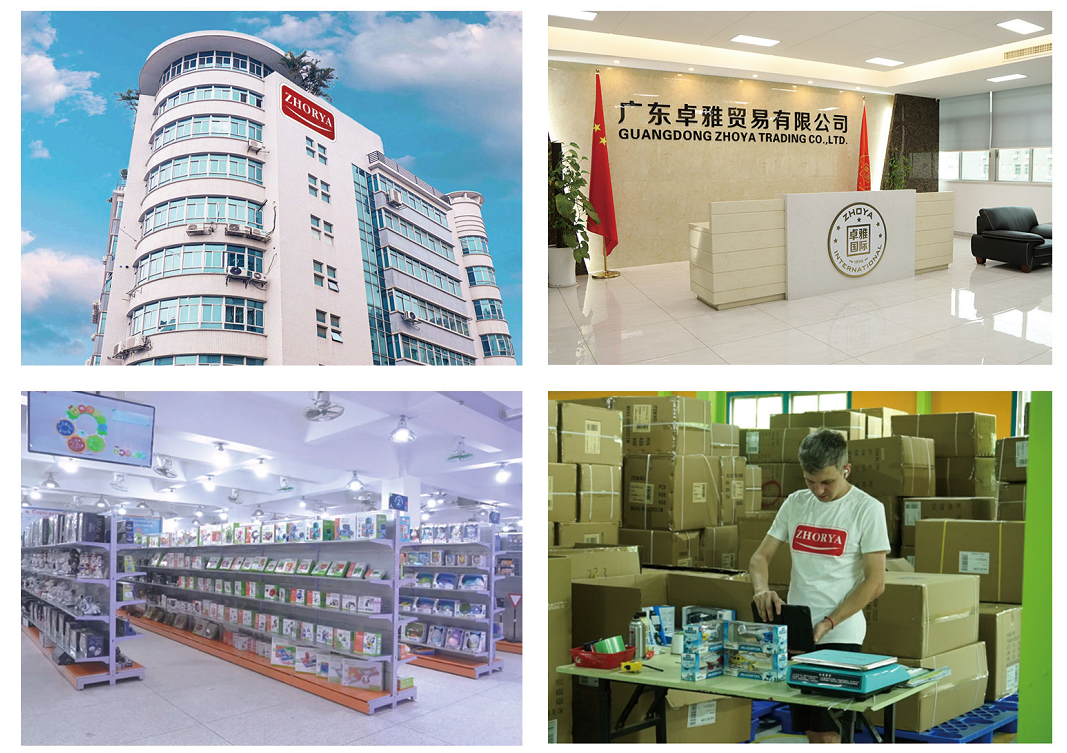
For retailers, distributors, and importers looking for high-quality fashion dolls, Zhorya, based in China, offers an extensive selection of both blind box and window box dolls to suit diverse retail strategies. Zhorya's product range covers fashion dolls, baby dolls, and plush dolls, all designed with attention to detail, safety, and market trends. For instance, their wholesale Barbie doll collection provides display-ready dolls that work perfectly on shelves or in promotional setups, appealing to both collectors and casual shoppers.
Key advantages of sourcing from Zhorya include:
-
Wide Variety: From surprise dolls to display-ready dolls, offering options for different consumer preferences.
-
Customizable Options: Logo, packaging, and exclusive designs can be tailored to fit your brand identity.
-
Market-Relevant Designs: Products are crafted to appeal to both collectors and casual shoppers, supporting both repeat purchases and impulse sales.
By partnering with Zhorya, retailers can confidently integrate both blind box and window box dolls into their inventory, optimizing sales potential and consumer engagement across channels.
Conclusion
Both blind boxes and window boxes offer unique benefits for fashion doll sales. Blind boxes drive excitement, repeat purchases, and social engagement, while window boxes provide transparency, premium presentation, and customer confidence. By understanding your audience, retail environment, and sales goals—and leveraging suppliers like Zhorya that offer both options—retailers can create a balanced strategy that maximizes engagement and revenue.