Login
Join Free
Categories
My Orders
Wish
Cart
0m³/0m³

English
English
 Русский язык
 中文
中文
Best Toys for High-Traffic Retail Locations
2026-08-22 08:56:16
High-traffic retail locations give toy sellers a valuable opportunity to reach more customers, but they also create specific merchandising challenges. Products may be handled repeatedly, displays can become disorganized quickly, and shoppers often have only a few seconds to notice a product and decide whether it is worth a closer look.
For this type of store, choosing toys is not simply about finding popular products. The best choices need to work well within a busy retail environment. They should attract attention, make sense at a glance, fit the available display space, and remain practical to restock.
This is especially important in supermarkets, department stores, gift shops, convenience-oriented stores, toy stores, seasonal retailers, and other locations with steady customer traffic.
So, what types of toys are best suited to these environments? The answer starts with understanding what makes a toy retail-friendly under constant customer activity.
What Makes a Toy Work in a High-Traffic Retail Location?
A high-traffic store places more demands on both the product and its packaging. Instead of evaluating a toy only by its design or wholesale price, consider how it will perform from the moment it reaches the shelf to the moment it is purchased.
Quick to Understand
Shoppers should be able to understand the basic appeal of a toy without needing a long explanation.
Products with recognizable formats, visible features, attractive colors, or simple functions can communicate their value quickly. This is particularly useful when a display is positioned near an entrance, checkout, aisle, or other area where customers are moving rather than actively browsing.
A child who immediately recognizes a mini vehicle or colorful novelty toy may stop to look at it. An adult may understand a small puzzle or game simply by seeing the packaging.
The less effort required to understand a product, the better it can fit a fast-moving retail environment.
Easy to Handle
Toys in busy stores are likely to be picked up, turned over, compared, and put back many times.
Products designed for frequent handling should therefore have packaging and construction that can withstand normal retail interaction. Loose components, fragile packaging, or complicated presentation can create additional work for store staff.
This does not mean every toy needs to be extremely simple. Rather, its physical presentation should make sense for the amount of customer interaction it is likely to receive.
Easy to Display and Replenish
A good retail toy should fit naturally into the store's merchandising system.
Compact products can often be placed on shelves, pegboards, counter displays, baskets, or bins. Products with consistent packaging dimensions are also easier to organize and replenish.
This becomes increasingly important when customer traffic is high. A display that sells quickly is only useful if staff can efficiently replace missing products and keep the area looking organized.
Suitable for Impulse Purchases
High-traffic areas often create opportunities for unplanned purchases.
Small toys with accessible price points can work particularly well near checkout counters, entrances, or promotional displays. Customers may not have entered the store specifically to buy a toy, but a visually appealing product can turn a passing shopper into a buyer.
The combination of small size, clear appeal, and manageable price makes impulse-friendly toys particularly useful in these locations.
Best Toy Categories for High-Traffic Stores
Different toy categories serve different retail purposes. Some are designed to capture attention quickly, while others encourage customers to browse, compare, or purchase for a specific occasion.
The following categories can provide a strong starting point when building an assortment for a busy store.
Small Impulse Toys
Small impulse toys are among the most practical choices for high-traffic retail areas.
Mini novelty toys, small activity products, pocket-sized games, spinning toys, small puzzles, and other compact items can fit into limited display areas without requiring significant shelf space.
They can be especially effective around checkout counters and smaller promotional displays because customers can see multiple products without a large footprint.
Another advantage is assortment flexibility. Instead of dedicating a large amount of space to one product, retailers can present several designs or toy types together and give shoppers more opportunities to find something appealing.
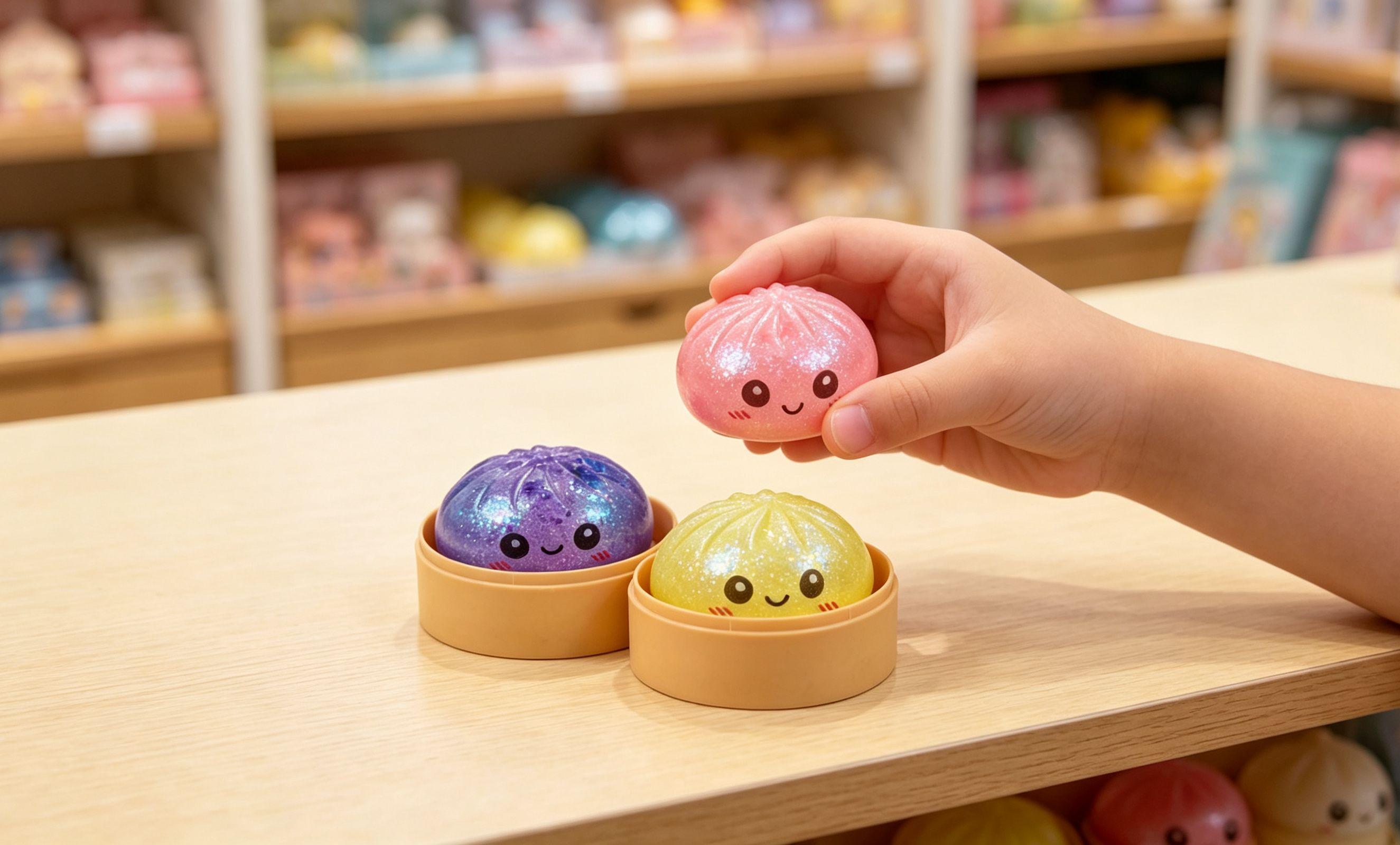
Sensory and Fidget Toys
Sensory and fidget toys can attract attention through physical interaction.
Squeeze, stretch, twist, spin, and other hands-on formats give customers an immediate way to understand the product. This can be valuable in stores where shoppers are naturally curious and willing to pick up small items.
These toys can work well in countertop displays, baskets, peg displays, and other areas where customers can easily see and handle individual products.
Because repeated handling is likely, however, retailers should pay close attention to material quality, construction, packaging, and product suitability for the intended age group.
Mini Vehicles and Die-Cast Toys
Mini vehicles offer a simple visual concept that can be understood quickly.
Cars, trucks, motorcycles, construction vehicles, and other miniature vehicle formats can create a varied display while taking up relatively little shelf space.
They can also be merchandised in multiple ways. Several designs can be grouped together by vehicle type, color, theme, or price point, allowing a small display to look more substantial.
For stores with high customer traffic, compact vehicle toys can be particularly useful because they combine recognizable product appeal with efficient use of shelf space.
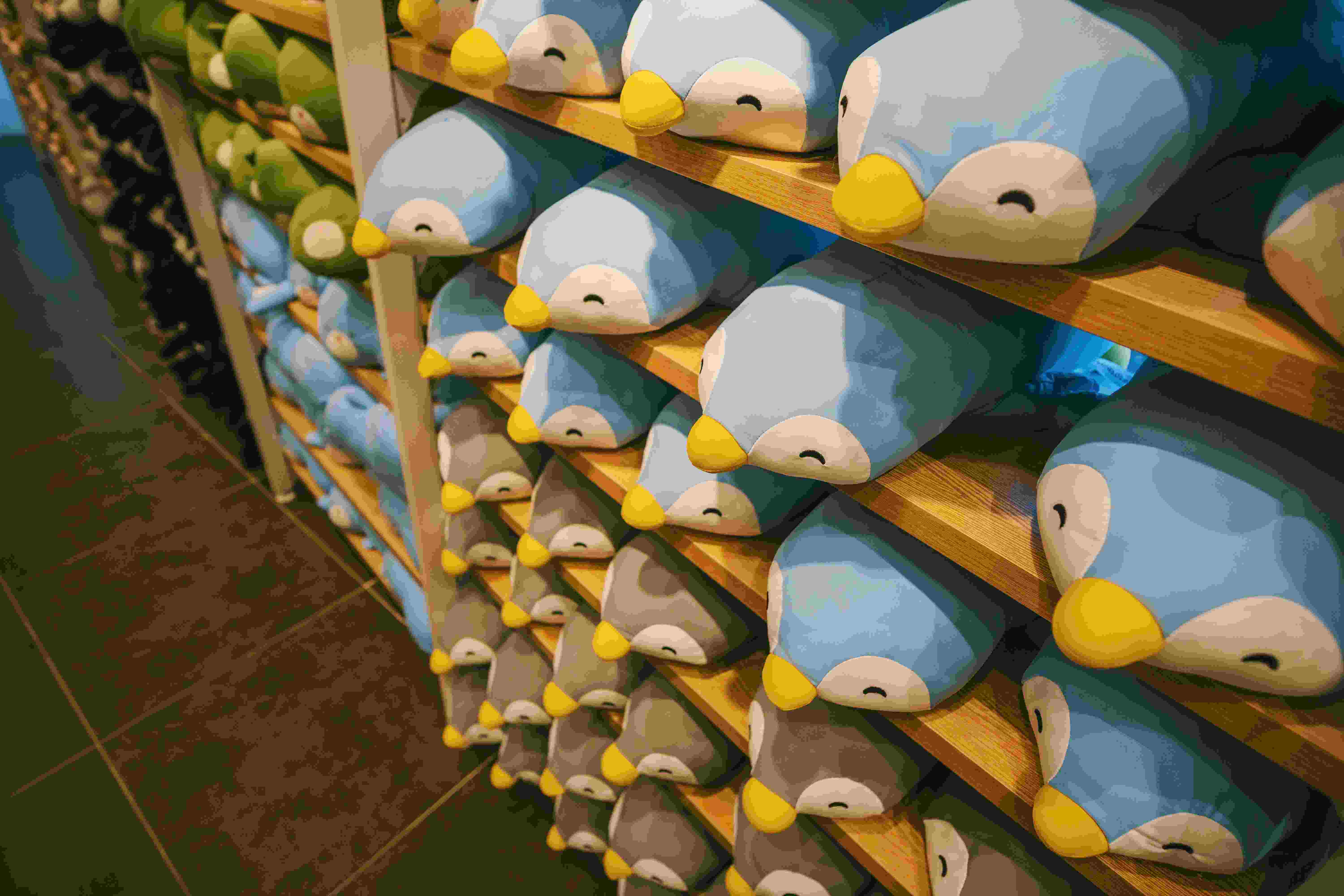
Plush Toys
Plush toys can give a retail display a different visual character. Their soft textures, colors, shapes, and animal or character designs can make an area feel more inviting.
Small plush products can be placed in baskets, bins, hanging displays, or compact shelving. Larger plush toys can act as visual focal points when sufficient floor or shelf space is available.
For busy stores, the condition of plush products matters. Frequent handling can affect their appearance, so retailers should consider stitching, fabric quality, shape retention, and how products are packaged or displayed.
Games and Puzzles
Games and puzzles are useful when a store wants to offer products that encourage customers to spend more time browsing.
Small card games, compact board games, travel games, and puzzles can appeal to families, gift shoppers, and customers looking for activities that do not require electronic devices.
Packaging should make the basic concept easy to understand. Clear product images and straightforward descriptions can help shoppers decide whether the game or puzzle matches their needs without requiring assistance from store staff.
Outdoor and Active Toys
Outdoor toys can be strong seasonal choices for busy retail locations.
Balls, flying toys, beach toys, and other active-play products can become more relevant during warmer months, school holidays, vacations, and other periods when outdoor activities increase.
These products can create strong seasonal displays because their purpose is easy to communicate visually. Grouping them around an activity or occasion can also make the display more useful than simply placing unrelated products together.
Electronic and Interactive Toys
Electronic and interactive toys can create attention through lights, movement, sound, or other active features.
This makes them potentially effective in high-visibility areas where shoppers can notice the product from a distance.
At the same time, these toys require more careful product selection. Battery requirements, demonstration features, packaging, instructions, age suitability, and applicable market regulations should all be considered before placing them in a high-volume retail assortment.
A product that attracts attention but requires extensive explanation may not be as efficient as one that communicates its appeal immediately.
How to Match Toys to Different Retail Areas
A toy that works well at checkout may not be the best choice for a main shelf. Matching the product to its physical location can improve both visibility and the shopping experience.
Checkout and Counter Displays
Use compact products that are easy to notice and easy to pick up.
Small novelty toys, sensory products, mini vehicles, small puzzles, and other impulse-friendly items can work well here.
The objective is not to provide the entire toy assortment. Instead, the display should offer a few simple reasons for a customer to make an additional purchase.
Entrance and High-Visibility Areas
Products placed near an entrance need stronger visual impact because customers may only see them briefly.
Brightly packaged toys, colorful products, interactive items, and unusual shapes can help create an immediate visual impression.
Seasonal products can also work well in these locations because the display itself can communicate a specific shopping occasion.
Main Shelves
Main shelving provides more room for comparison and browsing.
This is a suitable location for a wider assortment of plush toys, games, puzzles, educational products, vehicles, interactive toys, and other products that customers may want to examine before purchasing.
Here, organization becomes particularly important. Grouping similar products together can help customers navigate the assortment more easily.
Endcaps and Promotional Displays
Endcaps can give selected products additional visibility without requiring a large change to the entire store layout.
Rather than mixing unrelated toys, consider building an endcap around a clear theme, such as travel toys, outdoor play, small gifts, holiday products, or family games.
A focused theme makes it easier for customers to understand why the products are being displayed together.
How to Build a Balanced Toy Assortment
A high-traffic store does not necessarily need the largest possible number of toy types. What matters is creating a practical mix that serves different shopping situations.
Mix Different Price Points
Include products at different price levels rather than relying entirely on one price range.
Lower-priced products can support impulse purchases, while moderately priced toys can give shoppers more substantial options.
A varied price structure also allows customers to choose according to their budget without leaving the toy section.
Combine Fast-Moving and Browsing Products
Some toys are designed for quick decisions. Others encourage customers to compare features, designs, or prices.
Combining both types creates a more complete assortment.
For example, small impulse toys can bring quick purchases, while games, puzzles, plush, and interactive products can give customers reasons to spend more time exploring the selection.
Plan for Seasonal Changes
Toy demand can change significantly throughout the year.
Outdoor toys may become more relevant during warmer seasons, while games, puzzles, gift-oriented toys, and holiday products may become more important at other times.
A flexible assortment allows retailers to refresh high-visibility areas without rebuilding the entire toy section.
Keep Replenishment Practical
A product should not only sell well; it should also be manageable.
Consider carton quantities, packaging dimensions, shelf capacity, and how easily staff can identify where each product belongs.
If a product sells rapidly but is difficult to replenish or consistently creates an untidy display, it may require a different merchandising approach.
What to Consider Before Choosing Toys for a Busy Store?
Before adding a product to a high-traffic assortment, look beyond its appearance and wholesale price.
Packaging and Durability
Packaging needs to survive transportation, stocking, and repeated customer handling.
A damaged package can reduce perceived product value even when the toy itself is still perfectly usable.
Shelf Space and Product Size
Measure the actual space available before selecting products.
Compact toys can provide a broad assortment within a small area, while larger toys can be reserved for locations where they can function as visual focal points.
Retail Price and Perceived Value
A toy should make sense at its intended retail price.
Customers generally need to see enough value in the product to justify the purchase, whether that value comes from functionality, design, novelty, collectibility, educational appeal, or gift suitability.
Compliance and Product Information
Toy requirements vary by market and product type.
Retailers should verify applicable safety standards, age grading, labeling, packaging information, and other compliance requirements before placing products on sale.
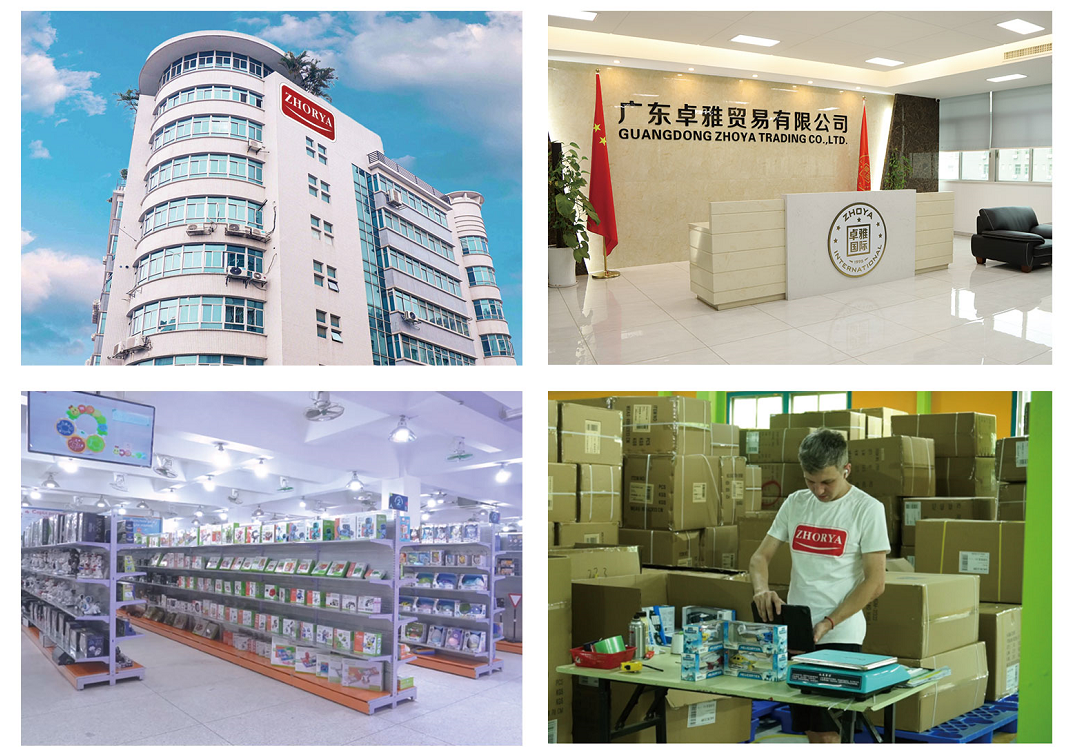
Finding the Right Toy Assortment with ZHORYA
For retailers and other B2B buyers looking for toys suited to busy retail environments, ZHORYA offers a broad assortment through its China-based toy trade and export business.
- 2M+ toy SKUs covering electronic, educational, plush, dolls, games, puzzles, outdoor, novelty toys, and more.
-
Products for different retail spaces, from compact impulse toys and small gifts to seasonal and interactive products.
-
B2B sourcing and OEM/ODM options for retailers, wholesalers, importers, distributors, and e-commerce sellers.
Whether you need compact products for checkout displays or a broader selection for main shelves, ZHORYA provides a range of options to help you find toys that fit your store's space, customers, and merchandising needs.
Conclusion
The best toys for high-traffic retail locations are not simply the most popular products. They are products that combine attention-grabbing appeal, practical packaging, suitable sizing, easy merchandising, and strong fit with the store's customers and shopping environment.
A balanced assortment can combine impulse toys, sensory products, mini vehicles, plush, games, puzzles, outdoor toys, and interactive products while using different store areas for different purchasing occasions.
When these factors are considered together, toy selection becomes more than filling shelves. It becomes a practical way to create displays that remain attractive, manageable, and relevant even in a busy retail environment.
Get Your Free Quote
We will reply within 24 hours.