Login
Join Free
Categories
My Orders
Wish
Cart
0m³/0m³

English
English
 Русский язык
 中文
中文
Best Toy Categories for Dollar Stores: What Really Sells
2026-01-09 08:56:51
Dollar stores have become one of the fastest-growing retail formats worldwide. What was once seen as a place for basic household items has evolved into a destination for seasonal goods, impulse purchases, and everyday kids' products. Among all categories, toys consistently rank as one of the strongest performers in dollar stores—not because they are expensive or complex, but because they are simple, fun, and instantly appealing.
If you operate, supply, or source for a dollar store, choosing the right toys is not about following trends blindly. It's about understanding price psychology, shelf efficiency, safety expectations, and repeat demand. This guide breaks down which toys actually work for dollar stores, why they sell, and how to select them wisely from a wholesale perspective.
Why Toys Perform So Well in Dollar Stores
Before looking at specific toy types, it's important to understand why toys are such a strong category in value retail.
First, toys are emotional purchases. Parents often add a toy to their basket as a small reward for a child, even when they didn't plan to buy one. Second, toys fit perfectly into the impulse-buy model. Bright colors, playful shapes, and low price points reduce hesitation. Finally, many toys are consumable or short-term use items—they break, get lost, or are outgrown—creating natural repeat purchases.
For dollar stores, the ideal toy is:
-
Low unit cost
-
Visually attractive without explanation
-
Simple to understand
-
Safe and age-appropriate
-
Easy to display in limited space
With that in mind, let's look at the toy categories that consistently perform well.
Small Plastic Toys and Pocket Novelties
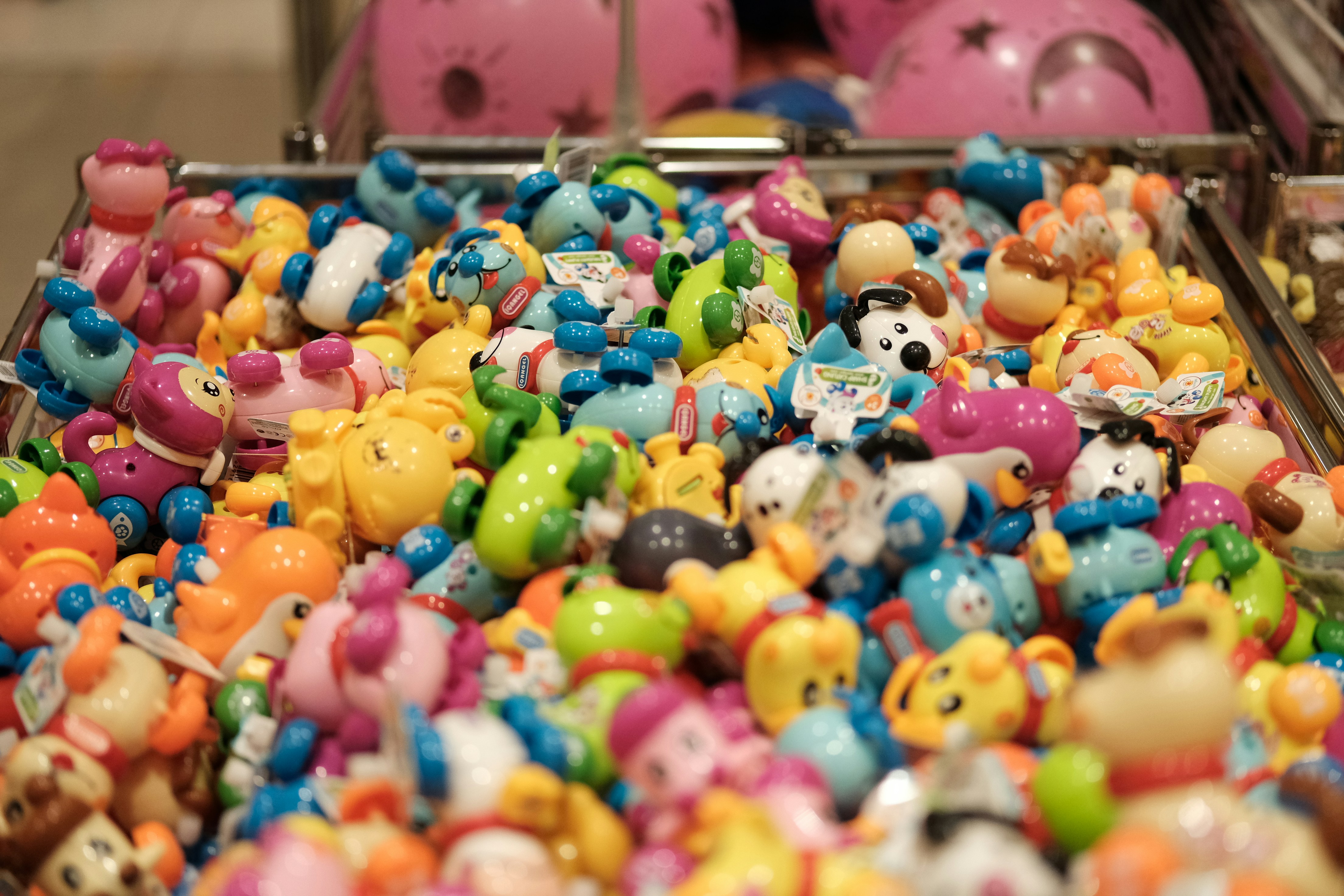
Small plastic toys are the backbone of dollar-store toy sections. These items are inexpensive, lightweight, and easy to assort. Examples include mini animals, dinosaurs, vehicles, figurines, and fantasy characters.
What makes them effective is their immediacy. A child doesn't need instructions or batteries. The toy works the moment it’s picked up. For stores, these toys also offer flexible merchandising options—bins, hanging pegs, counter displays, or grab-and-go boxes.
From a wholesale perspective, variety packs are especially valuable. Mixed designs in one carton reduce visual repetition on shelves and increase perceived choice without increasing SKU count.
Balls, Outdoor Play, and Simple Active Toys
Dollar stores benefit greatly from toys that encourage movement. Balls, flying discs, jump ropes, paddle ball sets, and similar items appeal to both kids and parents looking for screen-free entertainment at a low cost.
These toys sell particularly well during:
-
Spring and summer seasons
-
School holidays
-
Community event periods
Their advantage lies in universal appeal. A ball does not depend on language, culture, or trend cycles. As long as quality is acceptable and colors are bright, these products remain evergreen.
For sourcing, durability matters more than complexity. Dollar-store customers are forgiving about design details, but not about toys that break immediately.
Bubble Toys and Light Play Items
Bubble toys are among the most reliable sellers in value retail. Bubble wands, bubble guns (non-battery or simple battery types), and novelty bubble shapes appeal to a wide age range and are strongly associated with outdoor fun.
Similarly, light-up toys—such as LED spinning tops, flashing rings, or glow sticks—perform well in environments with low price expectations. The visual effect creates excitement that far exceeds the actual cost of the product.
These toys are especially effective near checkout areas, where visual stimulation drives impulse purchases.

Creative Toys: Stickers, Coloring, and DIY Kits
Creative play toys offer a different kind of value. Items like sticker sets, coloring books, crayons, paint-with-water pads, and simple DIY craft kits appeal to parents who want quiet, mess-controlled activities.
In dollar stores, these toys work best when:
-
The activity is immediately clear
-
The set is complete (no extra tools needed)
-
Packaging shows the finished result
These products also perform well in multipack formats, such as bundled crayons or themed sticker sheets, which increase perceived value while staying within strict price limits.
Plush and Soft Toys (Entry-Level Only)
While premium plush toys do not fit the dollar-store model, small, simple plush items can work extremely well. Mini animals, keychain plush, or seasonal plush characters are commonly used as gift add-ons or emotional purchases.
The key is scale and simplicity. Plush for dollar stores should be:
-
Compact
-
Easy to hang or bin-display
-
Soft but not overly detailed
-
Compliant with safety standards
Seasonal plush—such as holiday characters—can drive strong short-term sales when priced correctly.
Toy Vehicles and Pull-Back Toys
Toy cars, trucks, and pull-back vehicles remain one of the most universally appealing toy types. They require no explanation, no batteries, and no setup. Children instinctively know how to play with them.
For dollar stores, pull-back function adds perceived value without significant cost increase. Bright colors and exaggerated designs tend to perform better than realistic models.
These toys also work well as repeat purchases, as children often collect multiple designs.

Toy Guns, Sports Sets, and Role-Play Items
In many markets, simple toy guns, water shooters, or foam dart sets continue to perform well, especially in outdoor and summer contexts. Likewise, role-play toys such as toy tools, kitchen accessories, or doctor sets attract younger children.
For dollar stores, these products must be:
-
Clearly labeled with age recommendations
-
Simple in structure
-
Safe and non-aggressive in appearance
Role-play toys sell best when the function is obvious from the packaging, reducing the need for explanation.
Seasonal and Event-Driven Toys
Seasonality plays a major role in dollar-store success. Toys designed for holidays, school seasons, or local events often outperform year-round items in short sales windows.
Examples include:
-
Back-to-school reward toys
These items benefit from fast turnover and should be sourced with flexible quantities in mind.
Why Many Buyers Choose Zhorya for Dollar-Store Toy Sourcing
When it comes to sourcing toys that truly fit the dollar-store model, Zhorya stands out as a practical, experience-driven partner. With one of the largest toy selections in the industry, Zhorya offers an extensive range of small plastic toys, novelty items, outdoor play products, plush, creative toys, and seasonal assortments specifically suitable for value retail environments.
What makes Zhorya particularly attractive to dollar-store buyers is its ability to support high-turnover categories, flexible packaging options, and consistent product updates. Zhorya understands what matters at the shelf level: visual appeal, cost control, and reliable replenishment. For buyers looking to expand or optimize their dollar-store toy assortment without unnecessary risk, Zhorya provides both the variety and operational experience needed to compete effectively in today's value-driven toy market.