Login
Join Free
Categories
My Orders
Wish
Cart
0m³/0m³

English
English
 Русский язык
 中文
中文
Best Toy Categories for Limited Retail Space
2026-09-05 08:54:47
Limited retail space changes the way a toy assortment needs to be planned. A large store can afford wide product displays, bulky packaging and several variations of the same type of toy. A small toy shop, gift store, convenience retailer or compact specialty store does not have the same flexibility.
When every shelf, pegboard and countertop has a physical limit, choosing the right toy categories becomes less about carrying the largest possible assortment and more about making each section of the store work harder.
The best toys for limited retail space usually share several characteristics: compact packaging, easy display, broad customer appeal, manageable inventory requirements and enough variety to create a meaningful assortment without taking up excessive shelf space.
Here are some of the most practical toy categories to consider when building a retail assortment for a smaller store.
Best Toy Categories for Limited Retail Space
1. Building Sets and Mini Construction Toys
Building toys are one of the strongest categories for retailers working with limited shelf space because a relatively small package can contain a complete play experience.
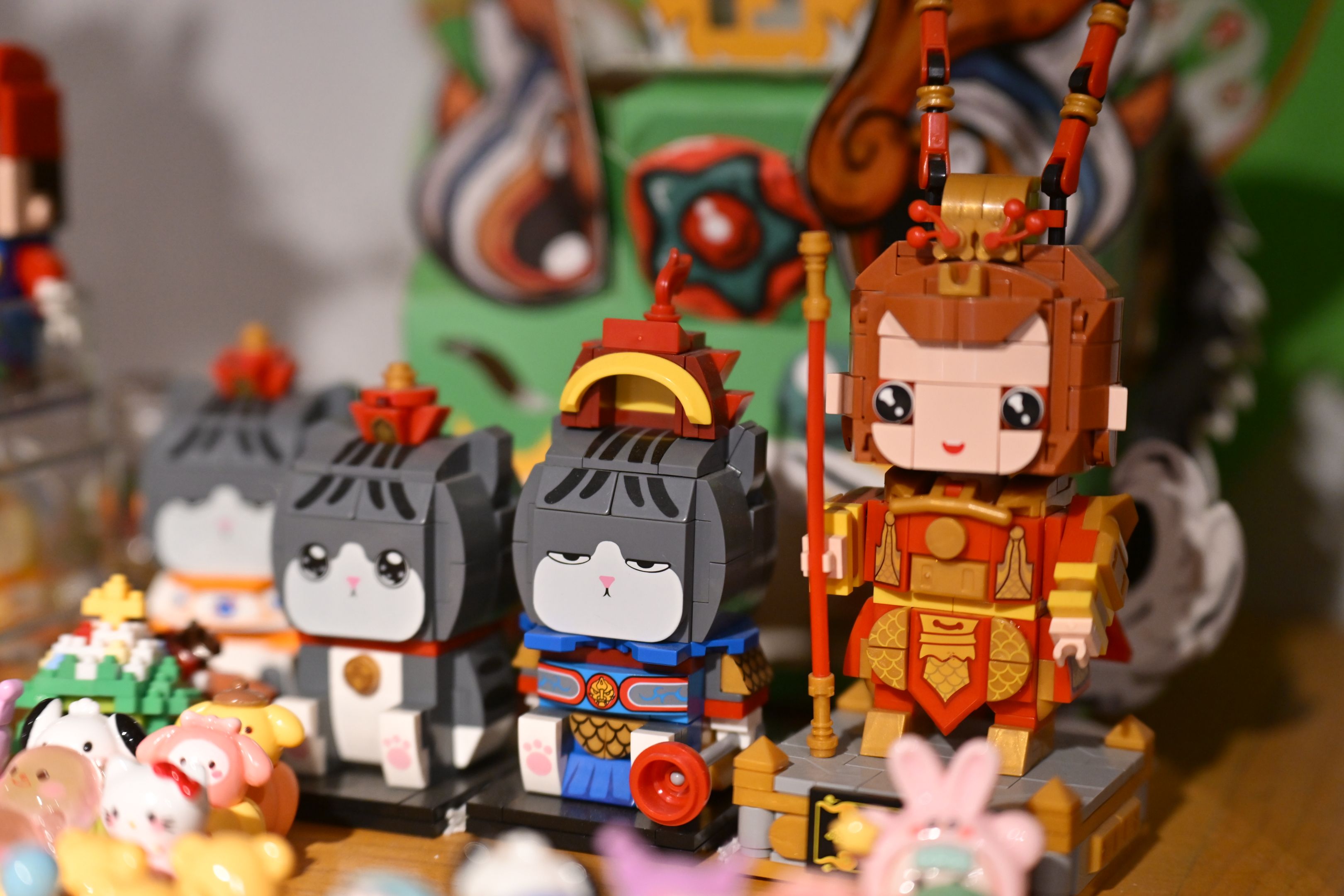
Mini building sets, compact construction kits and smaller building blocks can be displayed vertically on shelves or arranged on pegboards. Different themes, piece counts and difficulty levels also make it possible to create variety without needing oversized products.
Another advantage is assortment flexibility. A retailer does not necessarily need to dedicate an entire display to one large construction set. Instead, multiple smaller sets can create a visually diverse section.
For stores with limited space, consider mixing:
- Mini building sets
- Small construction kits
- Building bricks
- Themed building toys
- Beginner construction sets
- Compact model-building toys
The key is to select products with different designs and price points while keeping packaging dimensions manageable.
2. Puzzles and Compact Games
Puzzles and games are particularly useful when shelf depth is a concern.
Many puzzle products can be packaged in relatively compact boxes, while card games and travel-sized games require even less display space. This makes the category suitable for bookstores, gift shops, convenience-oriented retailers and smaller toy stores that cannot dedicate several shelves to large board games.
A well-planned puzzle and game section can also serve different customer groups. Simple puzzles may appeal to younger children, while strategy games, family games and compact travel games can broaden the assortment.
Instead of choosing products based only on popularity, retailers can build a balanced selection around:
Age + format + theme + price point.
This creates assortment depth without requiring a large physical footprint.
3. Small Collectibles and Novelty Toys
Collectible and novelty toys can be especially effective in areas where counter space or small display units are available.
Their compact format makes them easy to place near checkout areas, on rotating displays or in small product trays. More importantly, a collection of different designs can make a small display look fuller without requiring large individual packages.
This category can include:
- Mini collectible figures
- Small novelty toys
- Character-inspired toys
- Mini surprise toys
- Small desk or pocket toys
- Cute impulse-oriented toys
For retailers, the merchandising opportunity comes from variety. Ten or twenty visually different small items can create a stronger display effect than several large products occupying the same amount of space.
However, the assortment should still be organized. Too many unrelated products can make a small display look cluttered rather than attractive.
4. Small Plush Toys and Plush Accessories
Plush does not always mean large stuffed animals.
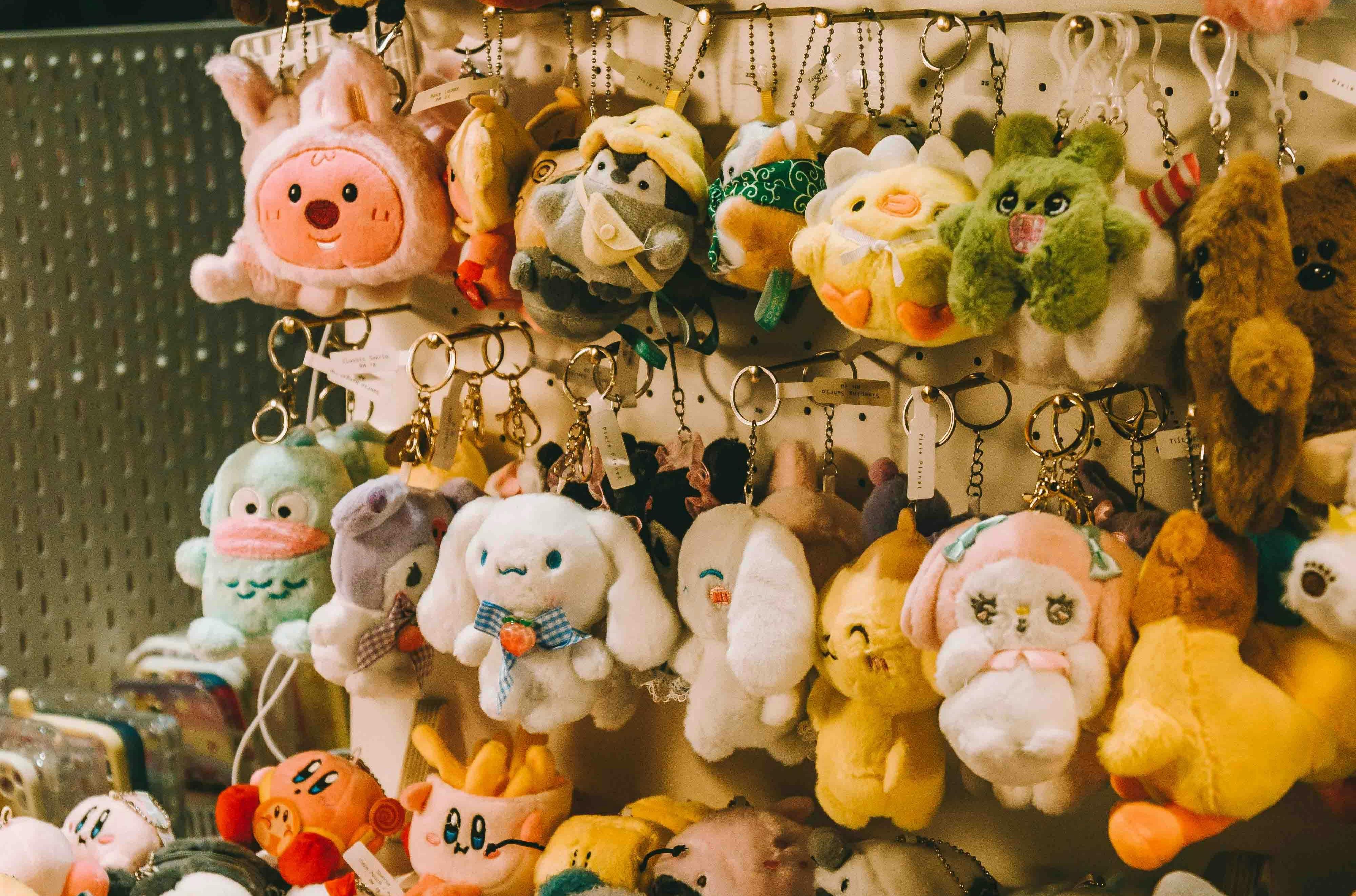
Mini plush toys, plush keychains and other compact plush formats can work well for retailers with limited display capacity. They can be placed on hooks, baskets, small shelves or countertop displays.
One useful approach is to think about display flexibility rather than package size alone.
A small plush item that can hang from a pegboard uses the store differently from a large plush animal that requires an entire shelf or floor basket. The former gives retailers more options for using vertical space.
Compact plush products can also complement other categories instead of requiring a standalone department. For example, they can be merchandised alongside gift items, collectibles or seasonal products.
5. Mini Vehicles and Die-Cast Toys
Small vehicles are another practical option when floor and shelf space are limited.
Mini die-cast cars, small vehicle models and compact transportation-themed toys can be arranged in rows, trays or wall displays. Because the individual products are small, retailers can offer multiple colors, vehicle types and designs within a relatively narrow display area.
This category can also support different assortment strategies. A retailer may choose everyday vehicle designs for a broad audience or select more specialized themes for collectors and hobby-oriented customers.
For a small store, the important point is not simply to stock "cars." It is to create a compact but recognizable product story.
6. Arts, Craft and Activity Toys in Small Formats
Creative toys can take up very different amounts of space depending on the format.
Large craft kits may be difficult to merchandise in a small store, while compact activity kits, drawing sets, coloring products and small creative packs can fit into much tighter displays.
This category is useful because the product itself can communicate its purpose quickly. Packaging that clearly shows the activity or finished result can help customers understand what they are buying without requiring a large amount of display space.
A compact creative-toy section might include:
- Small coloring sets
- Mini art kits
- Drawing accessories
- Compact craft kits
- Sticker activity sets
- Small DIY projects
The objective is to maintain enough variety to serve different interests while avoiding oversized packaging that consumes valuable shelf space.
7. Pretend-Play Accessories Instead of Large Playsets
Pretend play is popular across many toy assortments, but full-size playsets can be difficult to accommodate in a small store.
A more space-efficient approach is to focus on individual accessories and compact role-play toys.
For example, smaller pretend-play items can represent themes such as cooking, shopping, beauty, tools, occupations and everyday activities without requiring a large playset package.
This gives retailers another way to participate in the pretend-play category while controlling the physical size of the assortment.
It also creates opportunities for cross-merchandising. Several small accessories can be grouped by theme to create a complete-looking display without carrying a bulky centerpiece.
8. Outdoor and Active Toys in Compact Formats
Outdoor toys are often associated with large products, but there are many compact options.
Small balls, flying toys, lightweight outdoor games and other portable activity toys can be easier to merchandise than large outdoor play equipment.
For retailers with limited space, the distinction between portable outdoor toys and large outdoor equipment matters.
Compact outdoor products can be stored vertically, placed in baskets or displayed near seasonal merchandise. This allows a small store to offer an outdoor category without dedicating a large percentage of its retail floor to it.
Seasonality can also be used strategically. Retailers can rotate compact outdoor products into prominent positions during warmer months and replace them with other categories when seasonal demand changes.
9. Electronic and Interactive Toys in Compact Packaging
Electronic toys can attract attention, but not every electronic product is suitable for a small store.
The better candidates are compact products that deliver a clear play function without requiring a large package or extensive display space.
Small interactive toys, electronic novelty toys and compact light-up products can add a different product type to an assortment dominated by traditional toys.
The important consideration is packaging efficiency. A retailer should evaluate the actual product dimensions, packaging dimensions and display requirements rather than assuming that every electronic toy is space-efficient.
How to Choose Toys When Shelf Space Is Limited
Choosing individual categories is only part of the challenge. The more important question is how to build an assortment across those categories.
A useful way to evaluate a product is to consider five factors:
1. Display Footprint
How much shelf, pegboard or countertop space does one product require?
A smaller footprint allows more designs to be displayed within the same area.
2. Assortment Variety
Can the category provide different themes, designs, ages or price points without requiring significantly larger packaging?
Categories with natural variety are often easier to build into a compact assortment.
3. Display Flexibility
Can the products be placed on shelves, hooks, baskets or countertop displays?
Products that work in multiple display formats give small retailers more merchandising options.
4. Customer Understanding
Can shoppers quickly understand what the product is and why it is interesting?
Clear packaging and an easily recognizable play concept are particularly valuable when a store cannot dedicate a large display to explaining the product.
5. Inventory Practicality
How many units can be stored in the back room or replenishment area?
A product may have a small shelf footprint but still be inefficient if its packaging makes storage difficult. Retailers should consider both front-of-store display space and back-of-store inventory space.
A Better Assortment Strategy for Small Retail Stores
The goal should not be to squeeze as many toys as possible onto every shelf.
An overcrowded display can make products harder to see and can reduce the sense of organization in the store. Instead, build a compact assortment around several complementary categories.
For example, a small retailer could combine:
Building toys + puzzles + collectibles + mini vehicles + compact creative toys + small plush
This mix provides different types of play while allowing the retailer to use shelves, hooks, baskets and countertop areas differently.
Another approach is to create a price ladder within each category. Instead of carrying only one price level, include entry-level products alongside slightly more substantial items. This can make a small assortment feel more complete without requiring significantly more physical space.
The best assortment will ultimately depend on the store's customer base, available fixtures, purchasing budget and local demand. There is no universal list of toys that works for every small retailer. The useful principle is to select products based on display efficiency, assortment flexibility and customer relevance, rather than product size alone.
Source Space-Efficient Wholesale Toys from ZHORYA
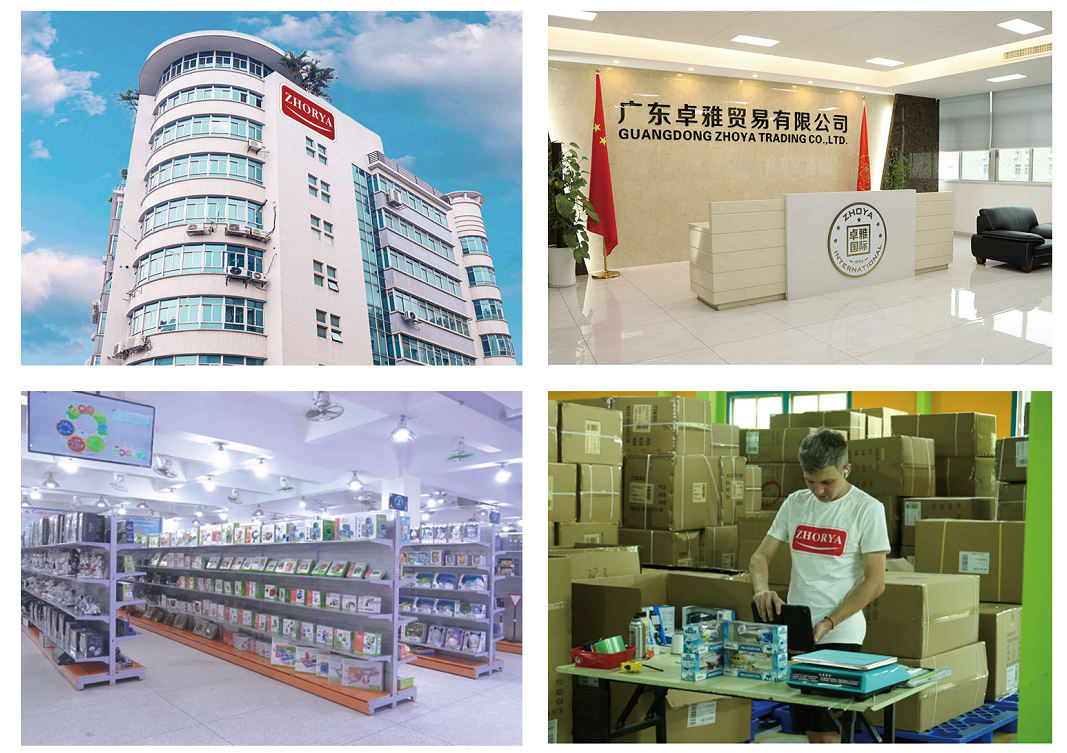
If you are looking to build a varied toy assortment for a small retail space, ZHORYA offers a broad selection of products to help you find options that fit different shelves, displays and storage needs.
Why Choose ZHORYA?
- Wide Toy Selection: Source building toys, puzzles, games, plush toys, dolls, vehicles, educational toys, novelty toys and more from one wholesale toy supplier.
- Different Sizes & Price Points: Choose from various product formats, designs and price ranges to match your available retail space and target customers.
- Flexible Assortment: Combine different toy categories to create a diverse selection without relying on oversized products.
- B2B Wholesale Support: ZHORYA serves retailers, wholesalers, importers, distributors and e-commerce businesses worldwide.
Explore ZHORYA's wholesale toy selection and find products that fit your retail space, assortment and sourcing needs.
Conclusion
For small retail stores, a successful toy assortment is not about carrying more products—it is about making better use of limited space. Compact packaging, flexible displays, product variety and practical inventory management can help you build a well-balanced selection without overcrowding your store.
With the right mix of space-efficient toys, you can create a diverse assortment that fits your shelves, budget and customers' needs. ZHORYA offers a wide range of wholesale toys in different categories, formats and price points, making it easier to source products suited to your retail space.
Get Your Free Quote
We will reply within 24 hours.