Login
Join Free
Categories
My Orders
Wish
Cart
0m³/0m³

English
English
 Русский язык
 中文
中文
Affordable Toys That Look More Expensive: A Guide for Retail Buyers
2026-08-31 09:10:00
Affordable toys do not have to look cheap. In a crowded retail environment, a product can create a strong premium impression without having a high production cost. The difference often comes from design, finishing details, functionality, packaging, and the way the product is presented.
For retailers, wholesalers, distributors, importers, and e-commerce sellers, this creates an important sourcing opportunity. Instead of focusing only on the lowest unit price, you can look for products that deliver a stronger perceived value at an affordable cost.
The goal is not to make an inexpensive toy pretend to be a luxury product. It is to find products where smart design and presentation make the available budget work harder.
What Makes an Affordable Toy Look More Expensive?
A toy's perceived value is influenced by several elements that customers can recognize almost immediately. A clean design, coordinated colors, realistic details, useful functions, and professional packaging can make a relatively affordable product feel more complete and carefully designed.
These elements do not necessarily require a major increase in product cost. In many cases, the key is selecting the right combination for the product category.
Design and Color
Design is one of the first things customers notice. A toy with balanced proportions, coordinated colors, and a clear visual concept can appear more refined than a similar product with a cluttered appearance.
Color selection is particularly important. Bright colors can work extremely well for children's products, but they need to be visually coordinated. Too many unrelated colors can make a product look less polished, while a carefully selected combination can create a stronger visual identity.
Neutral tones, soft pastels, transparent elements, metallic accents, and contrasting colors can all contribute to a more premium appearance depending on the product.
The objective is not to make every toy look sophisticated in the same way. A colorful preschool toy and a realistic toy vehicle may require completely different design approaches.
Product Details and Finishing
Small physical details can have a large effect on perceived value.
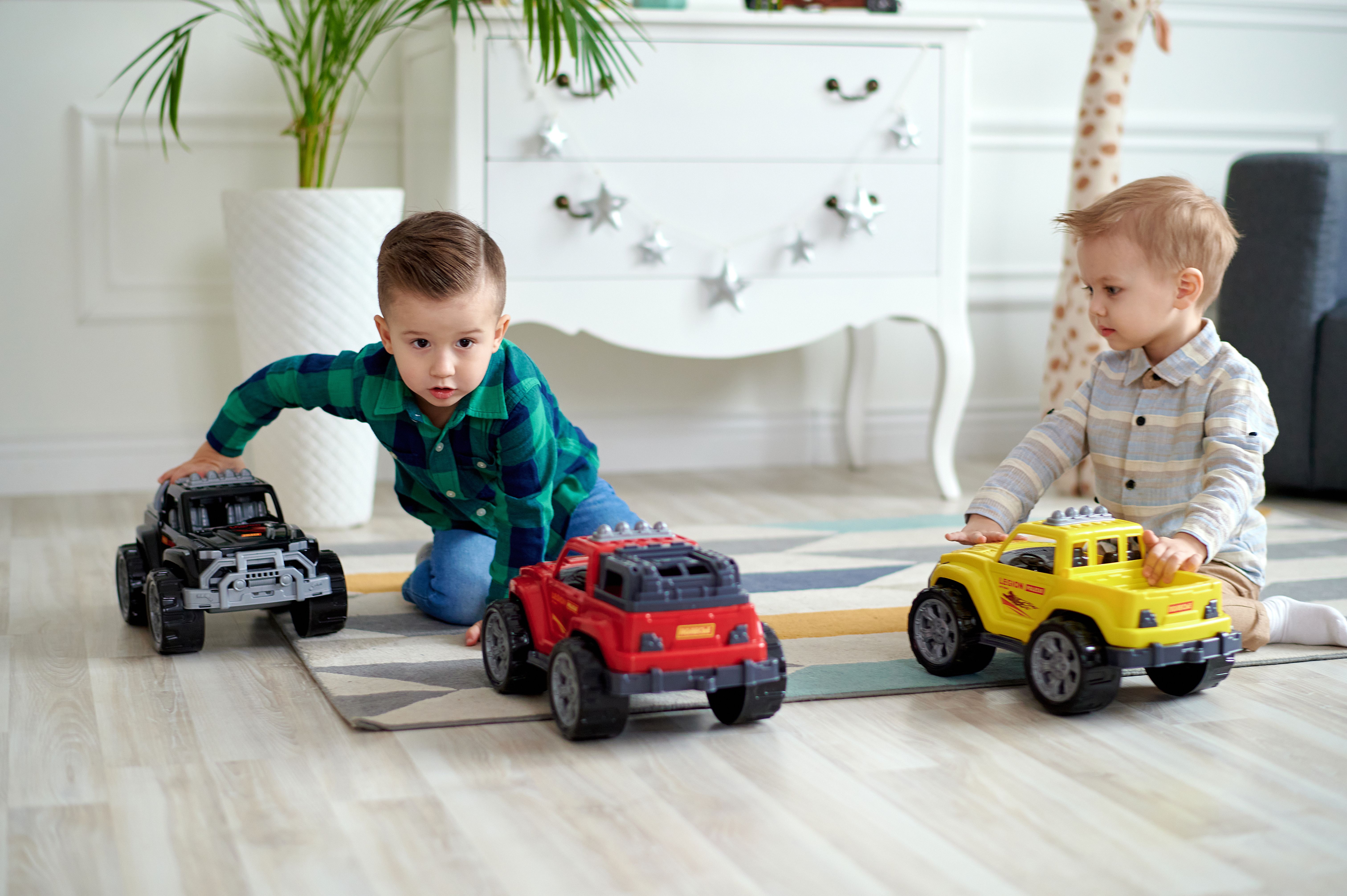
Consider a toy vehicle. Realistic wheels, molded body lines, transparent windows, interior details, textured surfaces, and functional doors can make a relatively simple product feel much more substantial.
The same principle applies to dolls, pretend-play products, building toys, and collectibles. Carefully designed accessories, textures, patterns, moving components, or realistic shapes give customers more details to discover.
These details are particularly useful in physical retail because customers can pick up the product and examine it before making a purchase decision.
Functions and Play Value
Functionality can also increase perceived value.
A toy that lights up, makes sounds, moves, transforms, connects, stacks, or provides multiple play modes may feel more valuable than a similar static product.
However, more functions do not automatically mean better value. Features should be easy to understand and relevant to the intended play experience.
A toy with a few intuitive functions can create a better impression than a product with many complicated features that customers do not immediately understand.
For buyers building an affordable assortment, the important question is therefore not simply how many functions a toy has, but whether those functions are visible, useful, and easy to enjoy.
Packaging and Presentation
Packaging is another major part of perceived value because it is often the first thing customers see.
A well-designed package can communicate what the toy is, what it does, what is included, and why it is interesting. Clear product photography, readable typography, appropriate graphics, and a sensible information hierarchy can make an affordable toy look more polished.
Packaging should also suit the retail environment.
For shelf displays, the package needs enough visual presence to attract attention. For pegboard displays, its shape and hanging design matter. For counter displays, compact packaging may be more practical.
Premium-looking packaging does not necessarily mean complicated packaging. In many cases, a simple layout with a clear product image and focused information can look more professional than a package overloaded with text and graphics.
Which Toy Categories Can Look More Expensive?
Some toy categories naturally provide more opportunities to create premium-looking products at accessible price points. The best approach is to identify where design, detail, functionality, and presentation can add visible value.
Toy Vehicles
Toy vehicles are particularly suitable for premium-looking designs because customers can easily recognize realistic details.
Cars, motorcycles, trucks, construction vehicles, and other vehicle toys can benefit from realistic proportions, detailed body designs, transparent components, wheels, interiors, and functional parts.
Even when the basic construction remains relatively simple, these visible details can give the product a more sophisticated appearance.
For retail buyers, vehicle toys can also work well across different price tiers. A basic product can focus on appearance, while higher-value versions can introduce additional functions such as lights, sounds, remote control, or movable parts.
Dolls and Pretend-Play Toys
Dolls and pretend-play products offer another strong opportunity for creating perceived value.
For dolls, clothing details, hairstyles, accessories, facial features, and coordinated presentation can make an affordable product feel more complete.
Pretend-play products can benefit from realistic shapes and recognizable details. A toy kitchen, shopping set, beauty set, or role-play accessory can appear more valuable when its individual components resemble familiar real-world objects.
Packaging is also important because these products often contain multiple pieces that need to be presented clearly.
Electronic Toys
Electronic toys can communicate value through interactive features such as lights, sounds, movement, buttons, displays, and responsive functions.
The appearance of the control area also matters. Clearly positioned buttons and an easy-to-understand interface can make a product appear more thoughtfully designed.
For affordable electronic toys, it is important to balance the number of functions with usability. A product does not need a long feature list to create a strong impression. The functions customers can immediately see and understand are often the most effective.
Educational and Building Toys
Educational and building toys can look more valuable when their components are well organized and visually consistent.
Matching colors, clean shapes, organized storage, attractive activity concepts, and clear instructions can all contribute to a more polished product experience.
For these products, packaging needs to communicate the activity clearly. Customers should be able to understand what children can build, explore, practice, or learn from the product.
This makes educational value part of the product's perceived value rather than treating packaging as an afterthought.
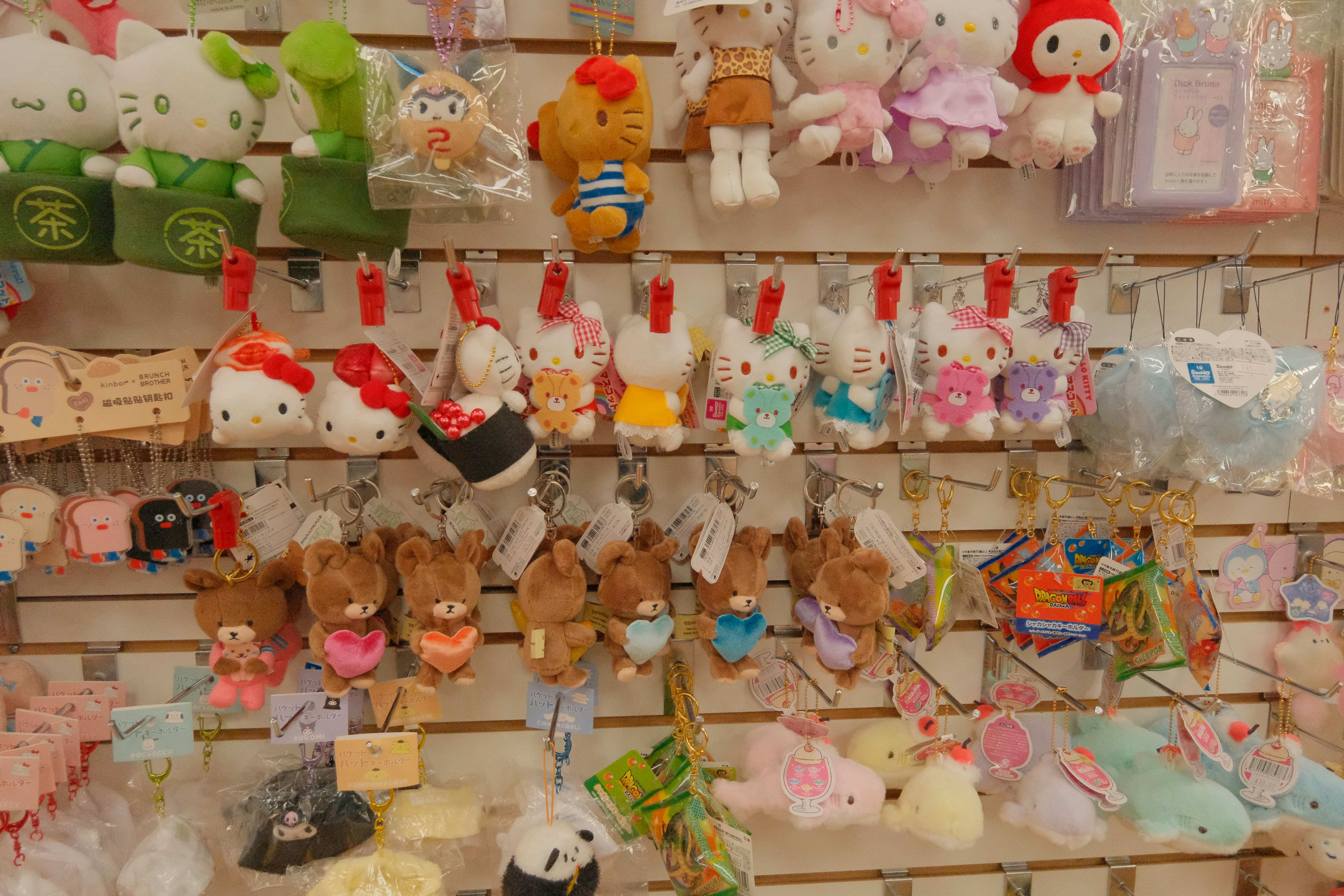
Collectible-Style Toys
Small toys can still create a premium impression.
Collectible-style products can benefit from detailed character designs, consistent themes, carefully developed color combinations, and attractive individual packaging.
Because these products are often displayed together, consistency across a series can be particularly important. A collection with a unified visual identity can appear more intentional and valuable than unrelated products placed together.
How to Choose Affordable Toys With Premium Appeal
Finding affordable toys that look more expensive requires more than comparing supplier prices. A product should be evaluated from the perspective of the customer who will eventually see it on a shelf, website, display, or product page.
Look Beyond Unit Price
Unit price is an important part of sourcing, but it does not tell you how customers will perceive the finished product.
Two toys with similar costs can create very different impressions. One may look basic because of its colors, packaging, and limited visual details. Another may appear substantially more valuable because its design and presentation are stronger.
When comparing products, consider the relationship between cost and perceived value, rather than looking at cost in isolation.
Check the Product From a Customer's View
A useful way to evaluate a toy is to temporarily stop looking at it as a buyer and view it as a customer.
Ask:
-
Does the product attract attention quickly?
-
Can you understand what it does at a glance?
-
Does it have details worth examining?
-
Does it feel substantial for its expected price?
-
Are the colors and shapes visually coordinated?
-
Would the product look appealing when displayed with similar items?
These questions can reveal problems that may not be obvious from a product specification sheet.
Evaluate Packaging and Display Potential
A good product can lose some of its appeal if it is difficult to display.
Consider where the toy will be sold and how customers will encounter it. Shelf-ready packaging, hanging cards, boxes with viewing windows, compact packages, and counter-friendly designs each have different advantages.
Also consider how much of the actual toy customers can see.
If the product's appearance is one of its strongest advantages, packaging that allows customers to view the toy can help communicate its value more effectively.
Balance Features With Cost
Adding more features can increase product cost, but not every feature contributes equally to perceived value.
A practical approach is to prioritize features that customers can easily see, understand, and use.
For example, a simple light or movement function may create a stronger impression than several hidden or complicated features. Similarly, one well-designed accessory may be more valuable from a presentation perspective than several poorly coordinated accessories.
The strongest affordable products are often those where the available cost is allocated to features that customers actually notice.
Why Premium-Looking Affordable Toys Matter for Retail Assortments
An attractive assortment does not need to consist entirely of expensive products.
A balanced range can include entry-level toys, mid-priced products, and higher-value items. Affordable toys with a premium appearance can help create visual consistency across the assortment while keeping purchasing costs under control.
They can also give retailers flexibility when selecting products for different customer groups.
Some customers may be looking for a small gift at an accessible price. Others may want a product that feels substantial enough for a special occasion. Having products that look more valuable than their price suggests can help fill this middle ground.
The same principle applies to online retail.
When customers cannot physically touch a product, images and packaging become even more important. Product photography, visual details, color combinations, and packaging can influence whether the product appears worth considering.
This makes perceived value relevant not only to physical stores but also to e-commerce product selection.
Why Source Affordable, Premium-Looking Toys From ZHORYA?
Finding the right combination of price, design, variety, and presentation is easier when you can compare products across multiple toy categories.
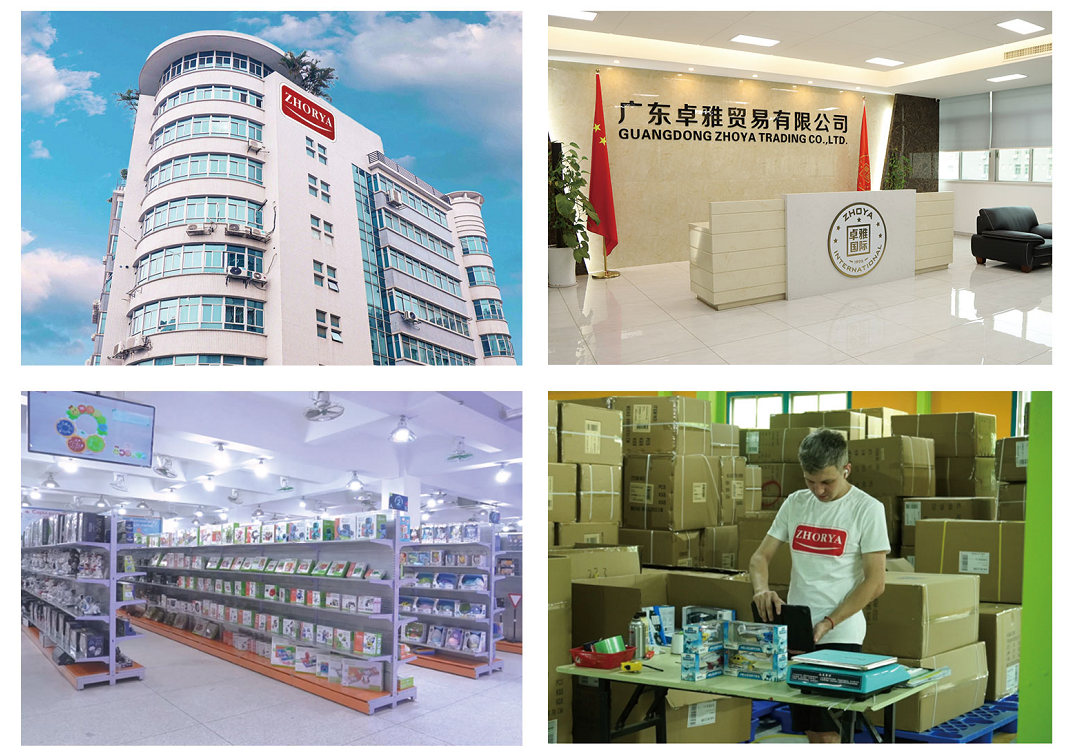
ZHORYA is a China-based toy supplier serving international wholesalers, importers, distributors, retailers, e-commerce sellers, and brands. Its broad product selection covers categories including electronic toys, educational toys, plush toys, dolls, RC toys, vehicles, puzzles, sports toys, outdoor toys, and other children's products.
For buyers looking for affordable toys with stronger perceived value, this range makes it possible to explore different product concepts, designs, functions, and price levels within one sourcing process.
ZHORYA also supports OEM/ODM requirements for businesses that need products adapted to their own brand, market, or specifications. Combined with experience in international toy sourcing and export, this gives buyers more flexibility when developing an assortment rather than limiting the selection to one product type or price level.
If you are looking for affordable toys that look more expensive, focus on more than the unit price. Compare the product's design, visible details, functionality, packaging, and display potential. ZHORYA can help you explore a broad range of wholesale toy options and identify products that offer a stronger balance between cost and perceived value.
Conclusion
Affordable toys can still create a premium impression when design, details, functionality, and packaging are carefully considered. Instead of focusing only on unit price, look for products that deliver strong perceived value and attractive presentation. With a broad range of wholesale toy options, ZHORYA can help you find affordable products that look polished, appealing, and suitable for your target market.
Get Your Free Quote
We will reply within 24 hours.